Xelajú 酿辣椒:番茄汁浸泡的酿辣椒
(Chiles Rellenos Xelajú: Tomato-Bathed Stuffed Peppers)
(0 评论)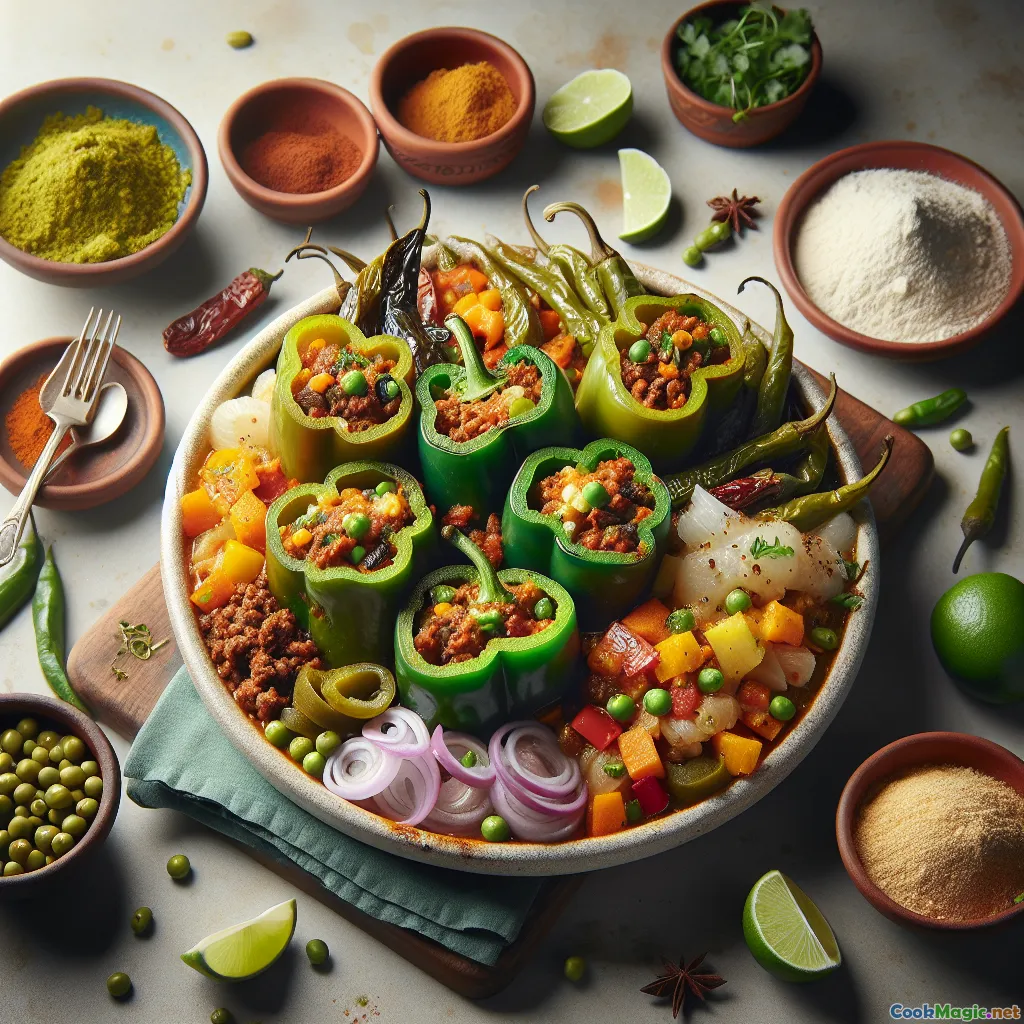

食材
-
6 pieces 青椒(或大型波布拉诺辣椒)
(Choose firm peppers with smooth skin)
-
300 grams 碎牛肉
(80–85% lean for juiciness)
-
200 grams 猪肉末
(Traditional mix; omit for beef-only)
-
1 medium 白洋葱,切碎
(Divided for filling and sauce)
-
6 cloves 大蒜瓣,切碎
(3 for filling, 3 for sauce)
-
130 grams 胡萝卜,切成小丁
(About 1 cup)
-
100 grams 四季豆,切成小丁
(Trimmed and finely chopped)
-
200 grams 去皮土豆,切成小丁
(Waxy or all-purpose potato)
-
70 grams 青豌豆
(新鲜或冷冻)
-
25 grams 葡萄干
(Adds gentle sweetness, classic touch)
-
8 pieces 去核的青橄榄,切碎
(Briny balance for richness)
-
1.5 tsp 阿齐奥特酱(安纳托籽)
(1 tsp for filling, 1/2 tsp for sauce)
-
1 tsp 新鲜百里香叶
(Or 1/2 tsp dried)
-
0.13 tsp 肉桂粉
(A whisper for warmth)
-
0.5 cup 新鲜香菜(切碎)
(Divided for filling and garnish)
-
3 tsp 细盐
(Divided across filling, batter, and sauce)
-
1 tsp 黑胡椒
(新鲜磨碎)
-
2 tbsp 植物油(用于煎炒)
(Neutral oil)
-
60 grams 通用面粉(裹衣用)
(About 1/2 cup)
-
6 large 大号鸡蛋,蛋黄与蛋白分离
(For capeado batter)
-
500 ml 植物油(用于油炸)
(Enough for shallow frying)
-
1000 grams 罗马番茄
(Ripe and meaty for sauce)
-
16 grams Toasted pumpkin seeds (pepitoria), ground
(About 2 tbsp; Xelajú-style note)
-
9 grams Toasted sesame seeds, ground
(About 1 tbsp; deepens sauce body)
-
1 piece 月桂叶
(For the sauce)
-
480 ml Chicken broth (or water)
(Adjust for sauce thickness)
-
1 tbsp 白醋
(Balances sweetness and fat)
-
1 tsp 糖
(Just to round the acidity)
-
50 grams 碎屑的新鲜 queso fresco
(Optional sprinkle or tuck a bit inside)
-
0.5 cup Pickled red onions (escabeche)
(用于上菜)
-
4 pieces 青柠檬楔
(用于上菜)
(Choose firm peppers with smooth skin)
(80–85% lean for juiciness)
(Traditional mix; omit for beef-only)
(Divided for filling and sauce)
(3 for filling, 3 for sauce)
(About 1 cup)
(Trimmed and finely chopped)
(Waxy or all-purpose potato)
(新鲜或冷冻)
(Adds gentle sweetness, classic touch)
(Briny balance for richness)
(1 tsp for filling, 1/2 tsp for sauce)
(Or 1/2 tsp dried)
(A whisper for warmth)
(Divided for filling and garnish)
(Divided across filling, batter, and sauce)
(新鲜磨碎)
(Neutral oil)
(About 1/2 cup)
(For capeado batter)
(Enough for shallow frying)
(Ripe and meaty for sauce)
(About 2 tbsp; Xelajú-style note)
(About 1 tbsp; deepens sauce body)
(For the sauce)
(Adjust for sauce thickness)
(Balances sweetness and fat)
(Just to round the acidity)
(Optional sprinkle or tuck a bit inside)
(用于上菜)
(用于上菜)
营养
- 份量: 6
- 每份大小: 1 pepper with sauce (300g)
- Calories: 680 kcal
- Carbohydrates: 0 g
- Protein: 35 g
- Fat: 38 g
- Fiber: 8 g
- Sugar: 12 g
- Sodium: 950 mg
- Cholesterol: 210 mg
- Calcium: 180 mg
- Iron: 5.5 mg
制作步骤
-
1 - Char and steam peppers:
Roast peppers over an open flame or under a broiler, turning until blistered and blackened on all sides. Transfer to a bowl, cover, and steam 10 minutes to loosen skins.
-
2 - Peel and slit:
Gently peel off charred skins. Make a 5 cm slit lengthwise in each pepper near the top; remove seeds and membranes while keeping peppers intact. Pat very dry.
-
3 - Cook the picadillo base:
Heat 2 tbsp oil in a skillet. Sauté half the onion and 3 minced garlic cloves until translucent. Add beef and pork; cook, crumbling, until no pink remains.
-
4 - Season and add vegetables:
Stir in carrots, green beans, potato, peas, raisins, olives, 1 tsp achiote, thyme, cinnamon, 1.5 tsp salt, and black pepper. Cover and cook until vegetables are tender. Cool slightly; fold in 2 tbsp chopped cilantro.
-
5 - Stuff the Peppers:
Pack cooled picadillo into each pepper without tearing. Avoid overfilling to keep seams closed during frying. Lightly press to compact.
-
6 - Toast seeds for sauce:
In a dry pan, toast pumpkin and sesame seeds until fragrant and just golden. Cool, then grind to a fine meal using a spice grinder or mortar.
-
7 - Blend recado:
Broil or griddle-sear tomatoes until blistered, then blend with remaining onion, 3 garlic cloves, ground seeds, 1/2 tsp achiote, vinegar, sugar, and 1 tsp salt. Thin with broth to a pourable consistency.
-
8 - Simmer Sauce:
Pour blended recado into a pot with bay leaf. Simmer on low 10–12 minutes until lightly thickened and aromatic. Adjust salt and acidity to taste.
-
9 - Prepare capeado batter:
Whip egg whites with a pinch of salt to stiff peaks. Lightly beat yolks, then fold into whites in two additions to keep volume. Keep nearby.
-
10 - Dredge and coat:
Heat frying oil (170–175°C). Lightly dust stuffed peppers with flour, shaking off excess. Dip each into the airy batter, coating completely.
-
11 - Fry to Golden:
Shallow-fry coated peppers in batches, turning once, until deeply golden and crisp, 2–3 minutes per side. Drain on a rack; sprinkle a pinch of salt.
-
12 - Sauce and serve:
Nestle peppers into the simmering recado for 2–3 minutes to marry flavors. Plate with extra sauce, cilantro, optional queso fresco, pickled onions, and lime wedges.
Roast peppers over an open flame or under a broiler, turning until blistered and blackened on all sides. Transfer to a bowl, cover, and steam 10 minutes to loosen skins.
Gently peel off charred skins. Make a 5 cm slit lengthwise in each pepper near the top; remove seeds and membranes while keeping peppers intact. Pat very dry.
Heat 2 tbsp oil in a skillet. Sauté half the onion and 3 minced garlic cloves until translucent. Add beef and pork; cook, crumbling, until no pink remains.
Stir in carrots, green beans, potato, peas, raisins, olives, 1 tsp achiote, thyme, cinnamon, 1.5 tsp salt, and black pepper. Cover and cook until vegetables are tender. Cool slightly; fold in 2 tbsp chopped cilantro.
Pack cooled picadillo into each pepper without tearing. Avoid overfilling to keep seams closed during frying. Lightly press to compact.
In a dry pan, toast pumpkin and sesame seeds until fragrant and just golden. Cool, then grind to a fine meal using a spice grinder or mortar.
Broil or griddle-sear tomatoes until blistered, then blend with remaining onion, 3 garlic cloves, ground seeds, 1/2 tsp achiote, vinegar, sugar, and 1 tsp salt. Thin with broth to a pourable consistency.
Pour blended recado into a pot with bay leaf. Simmer on low 10–12 minutes until lightly thickened and aromatic. Adjust salt and acidity to taste.
Whip egg whites with a pinch of salt to stiff peaks. Lightly beat yolks, then fold into whites in two additions to keep volume. Keep nearby.
Heat frying oil (170–175°C). Lightly dust stuffed peppers with flour, shaking off excess. Dip each into the airy batter, coating completely.
Shallow-fry coated peppers in batches, turning once, until deeply golden and crisp, 2–3 minutes per side. Drain on a rack; sprinkle a pinch of salt.
Nestle peppers into the simmering recado for 2–3 minutes to marry flavors. Plate with extra sauce, cilantro, optional queso fresco, pickled onions, and lime wedges.
关于 Xelajú 酿辣椒:番茄汁浸泡的酿辣椒 :的更多信息
Chiles Rellenos Xelajú
Chiles Rellenos Xelajú brings the spirit of Quetzaltenango (nicknamed Xelajú or Xela) to the table: peppers filled with a savory vegetable-and-meat picadillo, cloaked in an ephemeral egg capeado, and bathed in a tomato recado enriched with toasted seeds. This Guatemalan classic is festive yet homey, familiar yet distinct—thanks to the softly spiced profile, herbaceous notes, and a sauce that whispers of the highlands.
What makes the Xelajú version special
While stuffed peppers across Latin America share common roots, the Xelajú touch leans into balance: gentle sweetness from raisins, herb notes of thyme and cilantro, and a tomato sauce thickened not with cream or roux but with ground pepitoria (pumpkin seeds) and sesame. This seed-thickened recado nods to pre-Hispanic culinary wisdom—nutty depth and silky body without heaviness—anchoring the dish squarely in Guatemala’s highland kitchens.
Another hallmark is texture: the capeado batter, made from whipped egg whites folded with yolks, forms a light golden jacket that protects the filling and creates a satisfying contrast with the saucy finish. Briefly simmering the fried peppers in the recado rehydrates the crust just enough to become tender-edged yet flavorful, a beloved trait of Guatemalan-style chiles rellenos.
Ingredient notes and smart substitutions
- Peppers: Green bell peppers are common in Guatemala, but poblanos add a subtle heat and smoky aroma. Choose smooth, heavy peppers for easy peeling and stuffing.
- Meat: A beef–pork mix offers depth. Prefer lighter? Go all beef, or try turkey. Vegetarian? Use mushrooms and finely chopped walnuts for savor and texture.
- Vegetables: Carrot, green bean, potato, and peas are classic. Dice small so they cook evenly and pack neatly.
- Seasoning: Achiote gives color and earthiness; cinnamon should be barely perceptible—more of an accent than a flavor.
- Sauce body: Ground pumpkin and sesame seeds make the sauce lush. If unavailable, substitute almond meal and tahini in small amounts.
- Toppings: Queso fresco, pickled onions, and lime provide brightness that wakes up the rich elements.
Technique tips for success
- Blister evenly: Rotate peppers continuously under the broiler or flame. Thorough charring makes peeling painless and preserves pepper structure.
- Steam to peel: Covering the hot, charred peppers loosens skins. Pat them dry before stuffing so the batter adheres.
- Pack but don’t overfill: A compact filling prevents bursting during frying. If a slit opens, "stitch" with a toothpick (remove before serving).
- Feather-light batter: Whip whites to stiff but glossy peaks; fold in yolks gently. Overmixing deflates the batter, leading to dense coating.
- Oil temperature matters: Aim for 170–175°C. Too cool, and the peppers absorb oil; too hot, and the crust browns before warming through.
- Sauce timing: Simmer the recado until the raw tomato edge mellows. The seed mixture thickens as it simmers, so adjust with broth for a glossy, spoon-coating consistency.
Make-ahead and variations
- Make-ahead: Prepare picadillo and sauce up to 2 days in advance; refrigerate. Fry peppers the day of serving for best texture. Reheat briefly in the sauce to marry flavors.
- Bake instead: Prefer less oil? Brush stuffed peppers with oil, bake at 200°C until tender, then nap with sauce—skip the batter or use a thin egg wash.
- Cheese tuck: A sliver of queso fresco inside each pepper adds a creamy surprise.
- Vegetarian Xelajú: Sauté mushrooms with onions, add diced vegetables, and enrich with chopped walnuts and raisins for sweetness and bite.
Serving and pairing
Chiles Rellenos Xelajú shine with simple sides: white rice to catch the recado, warm corn tortillas, and a crisp cabbage slaw or pickled red onions for contrast. A tart hibiscus agua fresca or a light lager balances the richness, while a fresh salsa of chopped tomato, onion, and cilantro adds brightness.
Cultural significance
In Guatemalan homes, chiles rellenos often appear at celebrations—baptisms, holidays, and Sunday gatherings—because they’re both crowd-pleasing and practical to make in batches. The seed-thickened sauce traces culinary lineage to Mayan techniques found across the highlands, where pepitoria and sesame are pantry staples. In Xela’s markets, you’ll see vendors stacking gleaming peppers in enamel trays, ready to be ladled with brick-red recado—a visual invitation that’s hard to refuse.
Troubleshooting
- Batter sliding off: Peppers were damp or not dusted with flour. Dry thoroughly and lightly dredge before dipping in batter.
- Soggy crust: Oil too cool or overcrowded pan. Fry in batches and keep oil temperature steady.
- Sauce too thick: Whisk in warm broth until silky. Too tart? A pinch of sugar or a few minutes more simmering balances acidity.
Final thoughts
Chiles Rellenos Xelajú embody comfort and craft: a dish that rewards attention to detail with layered flavor and tender textures. Whether you’re cooking for a holiday table or a cozy weekend meal, this version offers a taste of Guatemala’s highlands—generous, aromatic, and proudly rooted in tradition.