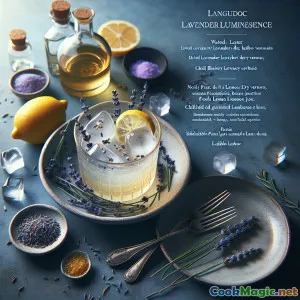
朗格多克薰衣草的闪耀
(Lavender Sparkle from Languedoc)
(0 评论)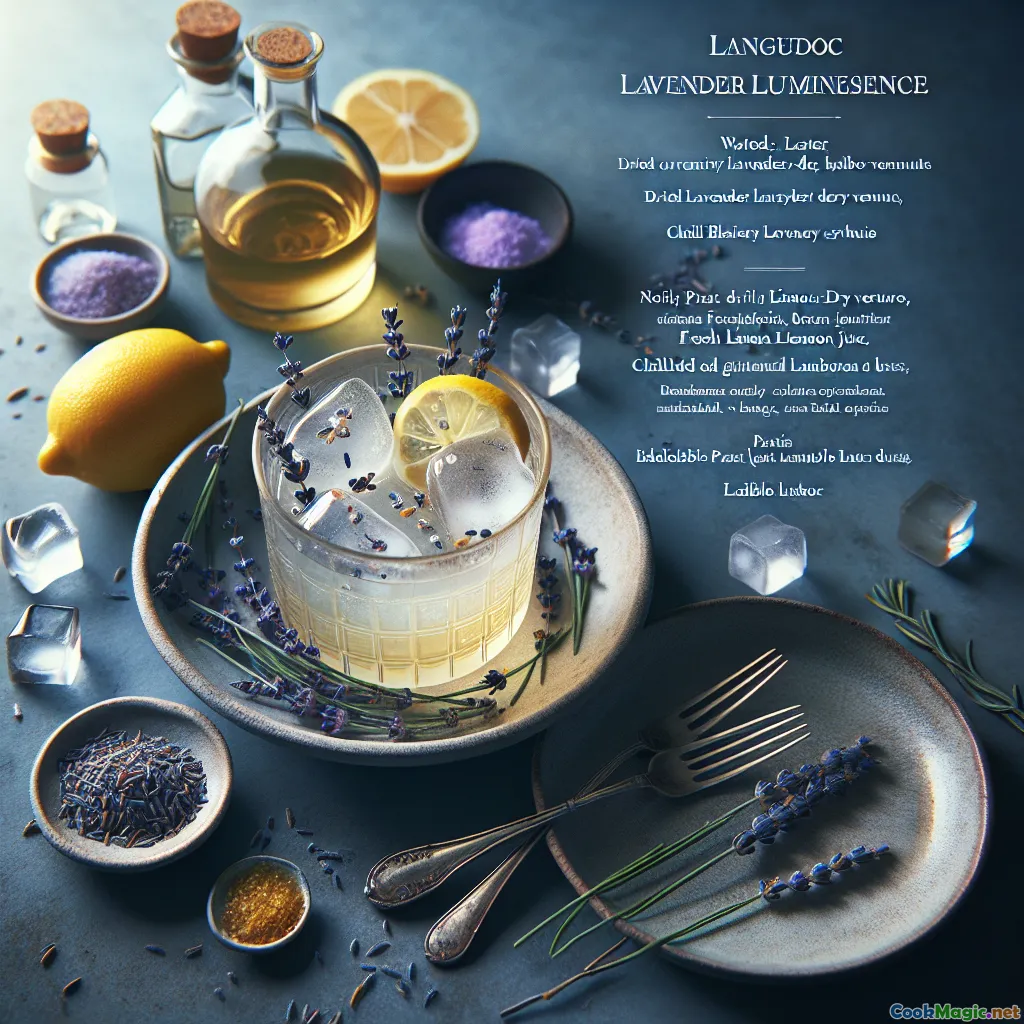
食材
-
100 ml 糖浆用水
(For lavender-honey syrup base)
-
80 g 薰衣草蜂蜜
(Prefer local French-style honey; wildflower acceptable)
-
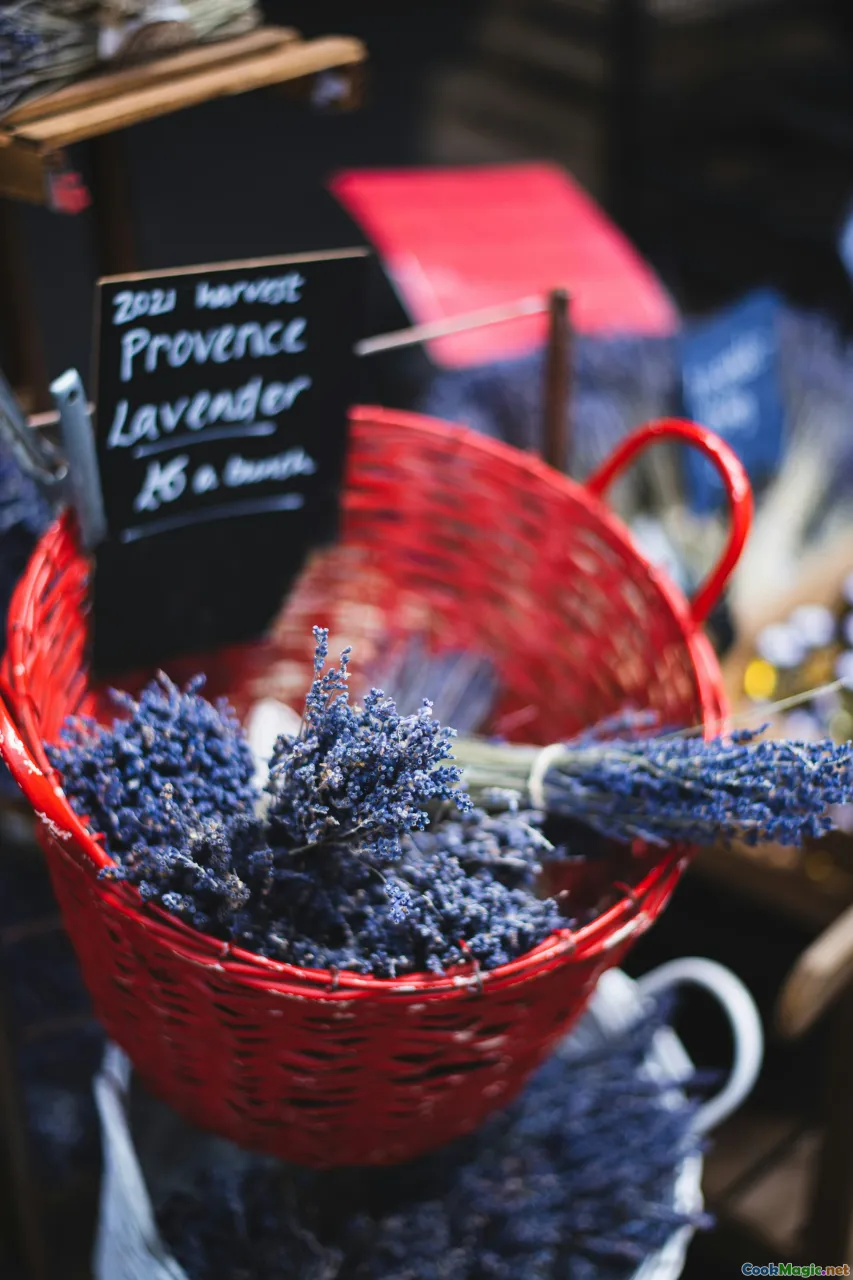
1 tsp 干燥的烹饪用薰衣草花蕾
(Food-grade, not ornamental; adjust to taste)
-
60 ml Noilly Prat Dry Vermouth
(Iconic vermouth from Marseillan, Occitanie)
-
20 ml 新鲜柠檬汁
(新鲜榨取以增添亮度)
-
30 ml 薰衣草蜂蜜糖浆(已准备)
(From ingredients above; cool before use)
-
180 ml Blanquette de Limoux (干型起泡酒),冷藏
(From Limoux, Languedoc; or another dry French sparkling)
-
30 ml 地中海风格杜松子酒
(Herbal gin complements garrigue notes; omit for lower ABV)
-
5 ml Pastis
(Adds subtle aniseed Languedoc-Provence echo; use sparingly)
-
0.13 tsp 可食珠光粉
(Food-grade only, for shimmering effect)
-
8 cubes 冰块
(Clear ice preferred for better dilution control)
-
2 sprigs 薰衣草枝
(Fresh, for aromatic garnish)
-
2 strips 柠檬皮
(Expressed over the drink to release oils)
(For lavender-honey syrup base)
(Prefer local French-style honey; wildflower acceptable)
(Food-grade, not ornamental; adjust to taste)
(Iconic vermouth from Marseillan, Occitanie)
(新鲜榨取以增添亮度)
(From ingredients above; cool before use)
(From Limoux, Languedoc; or another dry French sparkling)
(Herbal gin complements garrigue notes; omit for lower ABV)
(Adds subtle aniseed Languedoc-Provence echo; use sparingly)
(Food-grade only, for shimmering effect)
(Clear ice preferred for better dilution control)
(Fresh, for aromatic garnish)
(Expressed over the drink to release oils)
营养
- 份量: 2
- 每份大小: 1 coupe (180 ml)
- Calories: 220 kcal
- Carbohydrates: 0 g
- Protein: 0 g
- Fat: 0 g
- Fiber: 0 g
- Sugar: 12 g
- Sodium: 10 mg
- Cholesterol: 0 mg
- Calcium: 8 mg
- Iron: 0.1 mg
制作步骤
-
1 - Chill and Prepare:
Chill two coupe glasses and the Blanquette de Limoux. Set up your mixing glass, fine strainer, and jigger. Rinse lavender sprigs and pat dry.
-
2 - Make lavender-honey syrup:
In a small saucepan, combine water, lavender honey, and dried culinary lavender. Warm over low heat, stirring until honey dissolves. Do not boil; gently steam for 3–4 minutes.
-
3 - Steep and strain syrup:
Remove from heat and steep 8–10 minutes to extract floral notes. Strain through a fine mesh into a clean container and cool completely.
-
4 - Build the Base:
In a mixing glass, add Noilly Prat, lemon juice, 30 ml cooled lavender-honey syrup, and gin and/or pastis if using. Add ice and stir 15–20 seconds to chill and dilute slightly.
-
5 - Create the luminescence:
Fine-strain the mixture into the chilled coupes. If using, whisk a pinch of edible pearl luster dust into the Blanquette, then top each glass with about 90 ml, letting the sparkle swirl.
-
6 - Garnish and Serve:
Express lemon peels over each glass, rim lightly, and discard or drop in. Add a fresh lavender sprig to each. Serve immediately while effervescent.
Chill two coupe glasses and the Blanquette de Limoux. Set up your mixing glass, fine strainer, and jigger. Rinse lavender sprigs and pat dry.
In a small saucepan, combine water, lavender honey, and dried culinary lavender. Warm over low heat, stirring until honey dissolves. Do not boil; gently steam for 3–4 minutes.
Remove from heat and steep 8–10 minutes to extract floral notes. Strain through a fine mesh into a clean container and cool completely.
In a mixing glass, add Noilly Prat, lemon juice, 30 ml cooled lavender-honey syrup, and gin and/or pastis if using. Add ice and stir 15–20 seconds to chill and dilute slightly.
Fine-strain the mixture into the chilled coupes. If using, whisk a pinch of edible pearl luster dust into the Blanquette, then top each glass with about 90 ml, letting the sparkle swirl.
Express lemon peels over each glass, rim lightly, and discard or drop in. Add a fresh lavender sprig to each. Serve immediately while effervescent.
关于 朗格多克薰衣草的闪耀 :的更多信息
Languedoc Lavender Luminescence
Imagine an evening breeze across the garrigue—the Mediterranean scrublands that blanket much of southern France—carrying notes of wild thyme, rosemary, and, in pockets, lavender. Languedoc Lavender Luminescence captures that sun-warmed landscape in a glass. It pairs regional icons—Noilly Prat Dry Vermouth from Marseillan and sparkling wine from Limoux—with a gentle lavender-honey syrup that’s aromatic rather than perfumy. The finishing touch is an optional swirl of edible pearl luster dust that spins light through the bubbles and earns the cocktail its luminous moniker.
Flavor profile and structure
This drink is a refined aperitif: crisp, herbal, and gracefully floral. The vermouth sets a savory backbone with notes of chamomile, citrus peel, and maritime salinity; the lavender-honey syrup adds rounded sweetness and perfumed lift; lemon juice provides a pinpoint of acidity; and the Blanquette de Limoux contributes orchard fruit, feathery mousse, and dry finish. Optional accents of Mediterranean-style gin and a splash of pastis bring gentle juniper and anise that evoke the region’s iconic apéritif culture. The result is low to moderate ABV (especially if you skip the gin) and impeccably food-friendly.
Historical sips: Limoux and Marseillan
Limoux, in the Aude department, claims one of the earliest documented sparkling wines, produced by Benedictine monks in 1531—well before the Champagne method was formalized. Its Blanquette and Crémant styles remain bright, delicately fruity, and often more affordable, making them ideal for cocktails that still respect terroir.
On the coast, the town of Marseillan is home to Noilly Prat, created in 1813. Sun-aged in oak and finished by the sea, this dry vermouth carries a briny-mineral echo that uniquely anchors florals and citrus. Using Noilly Prat honors the Occitanie region’s heritage and lends authenticity without complexity overload.
Technique notes
- Balance first. Lavender can dominate quickly. By making a honey-based syrup and steeping gently, you’ll extract aroma without the soapy bitterness that comes from over-extraction. Strain thoroughly.
- Chill everything. Cold glassware and well-chilled sparkling wine protect bubbles and keep dilution controlled. Stir the base with ice just to the point of silkiness—15–20 seconds is enough.
- Effervescence matters. Pour sparkling wine down the side of the glass to preserve mousse, then give a gentle lift with a barspoon if needed to integrate without knocking out bubbles.
- The luminescence. Only use food-grade edible luster dust, labeled as edible (not merely “non-toxic”). A tiny pinch is plenty; whisk into the wine before topping for an even, pearlescent shimmer.
Ingredient swaps and variations
- Lower-ABV path: Omit the gin and keep the pastis to a barspoon or use anise bitters instead. The vermouth and sparkling wine will carry the show.
- Non-alcoholic version: Replace vermouth with a white verjus or a saline-kissed white grape must infused briefly with bay leaf. Top with a quality non-alcoholic sparkling “wine” or seltzer. Maintain the lavender-honey syrup and lemon as written.
- Different bubbles: If Blanquette de Limoux is unavailable, use a dry Crémant de Limoux, Crémant de Loire, or a brut Cava for a Spanish nod. Keep it brut or extra brut to avoid cloying sweetness.
- Herb twist: Sub a sprig of rosemary or thyme for the lavender garnish to swing the aromatics toward savory garrigue.
Food pairings
This aperitif loves briny and creamy textures. Think oysters from the Étang de Thau, brandade de morue on toast, goat cheese crostini with lemon zest, or a simple olive tapenade. The drink’s herbal backbone cuts fat while the bubbles scrub the palate.
Tips for success
- Use culinary lavender only. Ornamental lavender can taste harsh. Start with 1 teaspoon; if you crave more perfume, add a few extra buds next time.
- Honey quality counts. Lavender or wildflower honey with a gentle floral profile supports the theme. Very dark, assertive honeys can swamp the balance.
- Control sweetness. If your sparkling wine leans toward extra-brut dryness, you may appreciate the full 30 ml syrup; if using a slightly sweeter sparkling, reduce to 20–25 ml.
- Fresh citrus always. Bottled lemon juice dulls the drink; freshly squeezed brightens and ties lavender to vermouth’s botanicals.
Why it’s unique
Many floral cocktails veer toward bonbon territory. Languedoc Lavender Luminescence stays terroir-driven—its nervy structure revolves around a historic sparkling wine and a coastal vermouth whose saline nuance keeps florality in check. The optional luminescence is theatrical yet restrained, mirroring Mediterranean twilight rather than nightclub glitter. It’s elegant, regionally anchored, and surprisingly adaptable.
Personal notes
I love serving this at the start of a meal. It’s conversational—guests ask about the shimmer—and it transitions beautifully into seafood, vegetables, and light cheeses. The fragrance is evocative without being overpowering, like a summer walk near dry-stone walls where wild herbs heat in the sun. For me, it’s a glassful of Occitanie: past and present, hills and coast, tradition and a little sparkle of modern whimsy.