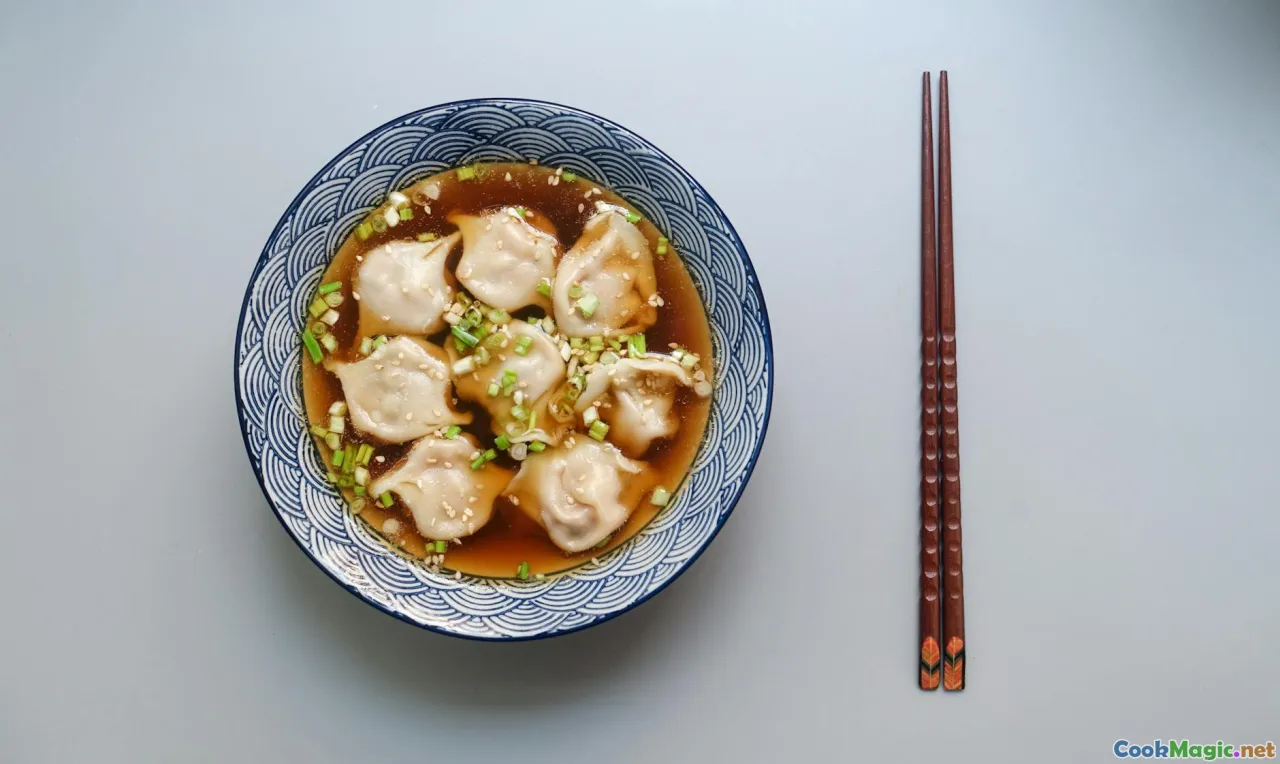
सैमिन ब्रॉथहाउस नूडल्स के साथ Shoyu Dashi
(Saimin Brothhouse Noodles with Shoyu Dashi)
(0 समीक्षाएँ)


सामग्री
-
480 grams ताज़ा सैमिन या पतली गेहूँ के नूडल्स
(About 120 g per serving; fresh preferred but dried works)
-
600 grams चिकन विंग्स
(Wing tips and flats extract gelatin for body)
-
400 grams सूअर की गर्दन की हड्डियाँ या पसलियाँ
(Adds depth; skip for poultry-only broth)
-
2500 ml पानी
(You may need more for topping up during simmer)
-
10 grams Kombu (सूखा केल्प)
(Builds clean umami base for dashi)
-
20 grams बोनिटो फ्लेक्स (कatsuobushi)
(Classic smoky-savoury note; use high-quality flakes)
-
4 pieces सूखे शिटाके मशरूम
(Boosts aroma; rehydration liquid is flavorful)
-
10 grams सूखा झींगा
(Hawaiian-style ocean note; subtle but impactful)
-
25 grams ताज़ा अदरक
(Sliced; adds warmth without heat)
-
4 cloves लहसुन
(Lightly crushed; keep broth delicate)
-
2 stalks हरी प्याज़ (ब्रॉथ के लिए)
(White parts in broth, greens reserved for garnish)
-
60 ml Shoyu (हल्की सोया सॉस)
(Season to taste; start modestly and adjust)
-
8 grams कोषेर नमक
(Adjust to taste after combining broths)
-
8 grams रॉक शक्कर या सफेद शक्कर
(Balances salinity without sweetness per se)
-
1 grams पिसा हुआ सफेद मिर्च
(Classic saimin finish; add at the end)
-
5 ml तिल का तेल
(A few drops for aroma, optional)
-
5 ml मछली की सॉस
(Tiny splash for depth; keep subtle)
-
200 grams चार सिउ पोर्क या Spam, पतला कटा हुआ
(Pan-sear briefly for best flavor)
-
120 grams Kamaboko (मछली का केक), गुलाबी किनारा
(Thinly sliced; classic saimin topping)
-
200 grams नापा पत्तागोभी या बोक चॉय
(Chopped; quick-blanched for crunch)
-
4 large अंडे
(Soft-boiled to jammy centers)
-
3 stalks हरी प्याज़ (गार्निश के लिए)
(Thinly sliced greens)
-
1 sheet नोरी
(पतले स्ट्रिप्स में काटें)
-
30 grams अचार वाला अदरक (beni shoga)
(Bright contrast; serve on the side)
-
1 tbsp भुने तिल के बीज
(For nutty finish)
(About 120 g per serving; fresh preferred but dried works)
(Wing tips and flats extract gelatin for body)
(Adds depth; skip for poultry-only broth)
(You may need more for topping up during simmer)
(Builds clean umami base for dashi)
(Classic smoky-savoury note; use high-quality flakes)
(Boosts aroma; rehydration liquid is flavorful)
(Hawaiian-style ocean note; subtle but impactful)
(Sliced; adds warmth without heat)
(Lightly crushed; keep broth delicate)
(White parts in broth, greens reserved for garnish)
(Season to taste; start modestly and adjust)
(Adjust to taste after combining broths)
(Balances salinity without sweetness per se)
(Classic saimin finish; add at the end)
(A few drops for aroma, optional)
(Tiny splash for depth; keep subtle)
(Pan-sear briefly for best flavor)
(Thinly sliced; classic saimin topping)
(Chopped; quick-blanched for crunch)
(Soft-boiled to jammy centers)
(Thinly sliced greens)
(पतले स्ट्रिप्स में काटें)
(Bright contrast; serve on the side)
(For nutty finish)
पोषण
- परोसने की संख्या: 4
- सेवा आकार: 1 bowl (450 ml broth + 120 g noodles)
- Calories: 540 kcal
- Carbohydrates: 0 g
- Protein: 28 g
- Fat: 18 g
- Fiber: 3 g
- Sugar: 6 g
- Sodium: 1850 mg
- Cholesterol: 145 mg
- Calcium: 120 mg
- Iron: 3.8 mg
निर्देश
-
1 - Blanch bones and wings:
Place chicken wings and pork bones (if using) in a pot, cover with cold water, bring to a boil for 5 minutes. Drain, rinse bones to remove scum, and clean the pot.
-
2 - Soak umami boosters:
In a bowl, soak kombu and dried shiitake in 600 ml warm water for 10 minutes. Reserve the soaking liquid; slice rehydrated shiitake caps and keep stems for broth.
-
3 - Start clean poultry-pork simmer:
Return blanched wings and bones to the pot with 1900 ml water, ginger, garlic, and scallion whites. Simmer gently (no rolling boil) 45 minutes, skimming occasionally for a clear broth.
-
4 - Build quick dashi:
Warm the shiitake-kombu soaking liquid with kombu until tiny bubbles appear; remove kombu before boiling. Turn off heat, add bonito flakes and dried shrimp (if using) and steep 5 minutes. Strain.
-
5 - Strain and combine broths:
Strain the chicken-pork broth through a fine sieve. Combine with the dashi in a clean pot. You should have about 1.8 liters. Add shoyu, sugar, and salt, bringing to a gentle simmer.
-
6 - Fine-tune seasoning:
Taste and balance: a whisper of sweetness, soy savoriness, and ocean depth. Add white pepper, and, if desired, a few drops of sesame oil and a splash of fish sauce.
-
7 - Prepare Toppings:
Pan-sear char siu or Spam until the edges caramelize. Blanch cabbage or bok choy 30–45 seconds in salted water. Slice kamaboko and green onions. Cut nori into slender ribbons.
-
8 - Soft-boil eggs:
Lower eggs into boiling water, cook 6.5–7 minutes, then chill in ice water. Peel and halve just before serving for jammy yolks.
-
9 - Cook noodles separately:
Boil noodles in abundant water until just tender. Drain and briefly rinse to remove excess starch, preserving springiness. Do not cook noodles in the broth.
-
10 - Assemble and Serve:
Divide noodles among warm bowls. Ladle 400–450 ml hot broth over each. Arrange char siu/Spam, kamaboko, greens, egg halves, scallions, nori, sesame seeds, and pickled ginger. Serve immediately.
Place chicken wings and pork bones (if using) in a pot, cover with cold water, bring to a boil for 5 minutes. Drain, rinse bones to remove scum, and clean the pot.
In a bowl, soak kombu and dried shiitake in 600 ml warm water for 10 minutes. Reserve the soaking liquid; slice rehydrated shiitake caps and keep stems for broth.
Return blanched wings and bones to the pot with 1900 ml water, ginger, garlic, and scallion whites. Simmer gently (no rolling boil) 45 minutes, skimming occasionally for a clear broth.
Warm the shiitake-kombu soaking liquid with kombu until tiny bubbles appear; remove kombu before boiling. Turn off heat, add bonito flakes and dried shrimp (if using) and steep 5 minutes. Strain.
Strain the chicken-pork broth through a fine sieve. Combine with the dashi in a clean pot. You should have about 1.8 liters. Add shoyu, sugar, and salt, bringing to a gentle simmer.
Taste and balance: a whisper of sweetness, soy savoriness, and ocean depth. Add white pepper, and, if desired, a few drops of sesame oil and a splash of fish sauce.
Pan-sear char siu or Spam until the edges caramelize. Blanch cabbage or bok choy 30–45 seconds in salted water. Slice kamaboko and green onions. Cut nori into slender ribbons.
Lower eggs into boiling water, cook 6.5–7 minutes, then chill in ice water. Peel and halve just before serving for jammy yolks.
Boil noodles in abundant water until just tender. Drain and briefly rinse to remove excess starch, preserving springiness. Do not cook noodles in the broth.
Divide noodles among warm bowls. Ladle 400–450 ml hot broth over each. Arrange char siu/Spam, kamaboko, greens, egg halves, scallions, nori, sesame seeds, and pickled ginger. Serve immediately.
सैमिन ब्रॉथहाउस नूडल्स के साथ Shoyu Dashi :के बारे में ज़्यादा जानकारी
Saimin Brothhouse Noodles: A Bowl of Island Harmony
Saimin is Hawaii in a bowl: humble, comforting, and born from a lively blend of immigrant influences. In plantation-era Hawaii, Chinese noodles met Japanese dashi, Filipino and Portuguese seasonings, and local produce, evolving into the iconic saimin—lighter than tonkotsu, clearer than pho, and distinct from ramen. This “Brothhouse” version leans into layered flavor: a clean poultry-pork base married to a quick, aromatic dashi, finished with the signature white pepper lift. It’s a soup that invites slurping, sharing, and a touch of personal flair.
What Makes This Version Special
- Layered broth approach: Instead of relying on one stock, we combine a delicate chicken-and-bones simmer with a swift kombu–bonito dashi. The result is crystal-clear, deep, and never heavy.
- Texture-first noodle cookery: Noodles are cooked separately, rinsed briefly, and shocked just enough to maintain bounce. This keeps the broth pristine and the noodles springy.
- Classic toppings, island style: Char siu or Spam, kamaboko, tender greens, and a jammy egg—plus nori, scallions, and optional beni shoga—for color, aroma, and contrast.
Flavor Notes and Balance
Saimin should be balanced: savory without overt saltiness, subtly sweet, and aromatic with sea-breeze umami. The shoyu sets the savory backbone; sugar smooths edges; dashi adds a clean oceanic whisper. A dash of white pepper at the finish is non-negotiable in spirit—it’s the breath that lifts each sip. If you opt to include fish sauce or sesame oil, keep them light—accents, not headlines.
Tips & Techniques
- Clarity is king: Blanching bones and maintaining a simmer (not a boil) give you a clear broth. Skim gently and often.
- Kombu control: Remove kombu just before boiling to avoid bitterness. Bonito flakes need only a brief steep for a refined, smoke-kissed finish.
- Season in stages: Salt early for extraction, fine-tune with shoyu and sugar after combining broths. Always do a final taste with noodles present—starches soften salinity.
- Noodle care: Cook noodles in separate, well-salted water. Rinse quickly to remove surface starch but don’t chill them cold unless you’ll hold them; you want them warm and receptive to broth.
- Topping strategy: Sear char siu/Spam for caramelized edges. Blanch greens to bright-crisp. Slice kamaboko thin for tenderness. Halve eggs right before serving for gleaming yolks.
Ingredient Swaps
- Protein base: Use all-chicken for a lighter bowl or add pork bones for roundness. Turkey wings or carcasses also produce beautiful body.
- Dashi alternatives: If katsuobushi isn’t available, use a high-quality dashi packet or a light seafood stock. For vegetarian dashi, rely on kombu and shiitake (and skip the dried shrimp and fish sauce).
- Toppings: Roast chicken, smoked tofu, or sautéed mushrooms make fine substitutes for char siu/Spam. Corn kernels and butter nod to local diner-style riffs.
Make-Ahead and Storage
- Broth improves overnight. Chill quickly and refrigerate up to 3 days or freeze up to 2 months. Reheat gently to preserve clarity.
- Cook noodles fresh; they lose springiness if held in liquid. If prepping ahead, par-cook 30 seconds under, toss lightly with oil, and finish briefly in boiling water before serving.
Cultural Significance
Saimin’s story is woven from Hawaii’s plantation-era communities—Chinese noodle artisans, Japanese broth instincts, Filipino seasoning savvy, and local tastes. It’s a bowl that remembers shared tables and lunch counters, where a simple, affordable noodle soup became a statewide love language. Unlike ramen’s sometimes intense richness, saimin celebrates restraint and brightness, the sort of everyday comfort found at diners, drive-ins, and backyard gatherings.
Serving Suggestions
- Pair with chilled barley tea or a citrusy spritz. A side of cucumber namasu or quick-pickled daikon adds sparkle.
- Offer shoyu and white pepper at the table, plus chili water or rayu for guests who crave heat.
Troubleshooting
- Too salty? Dilute with a splash of unsalted stock or hot water; rebalance with a pinch of sugar and white pepper.
- Too flat? Add a touch more shoyu or a small splash of dashi; sometimes a few drops of fish sauce revive complexity.
- Cloudy broth? Likely boiled too hard. Chill and reheat very gently next time; flavor remains, even if clarity dips.
Personal Note
What I love most about saimin is its generosity. It welcomes leftovers—yesterday’s roast, a handful of greens, a soft egg—and transforms them into something restorative. This Brothhouse rendition is faithful to the spirit of saimin while honoring technique: clarity, balance, and joyful toppings. Make it your own, and let each bowl carry a little island sunshine to your table.