Caril de cabra apimentado com bolinhos de banana-da-terra
(Spiced Curry Goat with Plantain Dumplings)
(0 Avaliações)


0
264
novembro 14, 2025
Reportar um problema
Ingredientes
-
1500 grams Ombro de cabra com osso, cortado em cubos de 5 cm
(Ask the butcher to cut for stewing; rinse and pat dry)
-
1 tbsp Suco de limão ou vinagre branco
(For washing goat; rinse off before seasoning)
-
3 tbsp Pó de curry jamaicano
(Preferably Jamaican style with pimento and fenugreek)
-
1 tbsp Bagas de pimenta-da-Jamaica (pimento)
(Levemente esmagado para liberar aroma)
-
1 tsp Cúrcuma em pó
(Boosts color and earthiness)
-
1 tsp Cominho em pó
(Adiciona calor e profundidade)
-
6 sprigs Ramos de tomilho fresco
(Use leaves if stems are tough)
-
4 stalks Cebolinha
(Fatiado finamente)
-
1 large Cebola amarela
(Em cubos)
-
6 cloves Alho
(Picado)
-
20 grams Gengibre fresco
(Grated; about a 2-inch piece)
-
1 whole Pimenta Scotch bonnet
(Seeded for less heat; wear gloves)
-
2 medium Tomates
(Picado)
-
2 medium Batatas
(Descascado e cortado em pedaços)
-
2 medium Cenouras
(Cut into thick rounds)
-
400 ml Leite de coco (ensopado)
(Unsweetened; 1 can)
-
720 ml Caldo de baixo teor de sódio ou água
(About 3 cups; adjust to maintain simmer)
-
3 tbsp Óleo vegetal
(For blooming curry and browning meat)
-
1 tsp Açúcar mascavo
(Helps caramelize spices and balance heat)
-
2.5 tsp Sal grosso kosher
(Divided; adjust to taste)
-
1 tsp Pimenta preta
(Moído na hora)
-
1 whole Folha de louro
(Optional aromatic)
-
2 large Plátanos verdes
(Firm and green; about 500 g peeled)
-
190 grams Farinha de trigo comum
(About 1.5 cups)
-
75 grams Fubá amarelo fino
(About 1/2 cup for texture)
-
1 tsp Fermento em pó
(For lighter dumplings)
-
120 ml Leite de coco (bolinhos)
(For dough; add more if needed)
-
1 tbsp Manteiga derretida ou óleo de coco
(Adds richness to dumplings)
-
1 tsp Sal para dumplings
(Season the dough)
-
2 tbsp Coentro ou salsa fresca
(Finely chopped for dumplings)
-
2 stalks Cebolinhas para guarnição
(Fatiado finamente)
-
6 wedges Gomos de limão
(Para servir)
(Ask the butcher to cut for stewing; rinse and pat dry)
(For washing goat; rinse off before seasoning)
(Preferably Jamaican style with pimento and fenugreek)
(Levemente esmagado para liberar aroma)
(Boosts color and earthiness)
(Adiciona calor e profundidade)
(Use leaves if stems are tough)
(Fatiado finamente)
(Em cubos)
(Picado)
(Grated; about a 2-inch piece)
(Seeded for less heat; wear gloves)
(Picado)
(Descascado e cortado em pedaços)
(Cut into thick rounds)
(Unsweetened; 1 can)
(About 3 cups; adjust to maintain simmer)
(For blooming curry and browning meat)
(Helps caramelize spices and balance heat)
(Divided; adjust to taste)
(Moído na hora)
(Optional aromatic)
(Firm and green; about 500 g peeled)
(About 1.5 cups)
(About 1/2 cup for texture)
(For lighter dumplings)
(For dough; add more if needed)
(Adds richness to dumplings)
(Season the dough)
(Finely chopped for dumplings)
(Fatiado finamente)
(Para servir)
Nutrição
- Porções: 6
- Tamanho da Porção: 1 tigela (350g)
- Calories: 680 kcal
- Carbohydrates: 72 g
- Protein: 36 g
- Fat: 28 g
- Fiber: 8 g
- Sugar: 9 g
- Sodium: 900 mg
- Cholesterol: 105 mg
- Calcium: 90 mg
- Iron: 6.5 mg
Instruções
-
1 - Clean and season the goat:
Rinse goat with water and a splash of lime or vinegar, then pat dry. In a bowl, toss goat with 1 tbsp curry powder, allspice, half the thyme, half the scallions, onion, garlic, ginger, Scotch bonnet, 1 tsp salt, and black pepper. Marinate while you prep other elements or up to overnight for deeper flavor.
-
2 - Bloom the curry:
Heat oil in a heavy pot over medium. Add remaining 2 tbsp curry powder and brown sugar. Stir until the curry darkens slightly and smells toasty, 60 to 90 seconds. Do not burn.
-
3 - Brown the goat:
Add seasoned goat in batches to avoid crowding. Sear until well browned on most sides. Return all meat and aromatics to the pot, scraping up any fond.
-
4 - Build the braise:
Stir in tomatoes, turmeric, cumin, remaining thyme, bay leaf, and crushed allspice. Pour in coconut milk for the stew and enough stock to barely cover. Bring to a lively simmer.
-
5 - Slow cook until tender:
Reduce to low, cover, and simmer gently, stirring occasionally, until the goat is starting to yield to a fork. Add splashes of stock if the pot looks dry.
-
6 - Add roots and thicken gravy:
Add potatoes and carrots. Simmer uncovered 20 to 30 minutes to concentrate the gravy and soften the vegetables. Adjust seasoning with salt to taste.
-
7 - Make plantain dumpling dough:
Peel plantains by scoring the skin lengthwise and prying it off. Grate finely or pulse in a processor until paste-like. In a bowl, mix plantain with flour, cornmeal, baking powder, salt, herbs, melted butter or coconut oil, and coconut milk for dumplings. The dough should be soft but not sticky; add flour or milk as needed.
-
8 - Shape Dumplings:
With lightly oiled hands, pinch walnut-size portions and roll into logs or small disks about 2 cm thick. Keep covered to prevent drying.
-
9 - Cook dumplings in the stew:
Nestle dumplings into the simmering curry in a single layer. Cover and cook 8 to 12 minutes, turning once, until puffed and cooked through. Add a splash of stock if needed to maintain gentle simmer.
-
10 - Finish and Rest:
Remove bay leaf. Adjust salt and pepper. If you want extra heat, mash a bit of Scotch bonnet into the gravy. Let the pot rest 5 minutes to settle.
-
11 - Garnish and Serve:
Ladle into warm bowls. Top with sliced scallions and serve with lime wedges for brightness.
Rinse goat with water and a splash of lime or vinegar, then pat dry. In a bowl, toss goat with 1 tbsp curry powder, allspice, half the thyme, half the scallions, onion, garlic, ginger, Scotch bonnet, 1 tsp salt, and black pepper. Marinate while you prep other elements or up to overnight for deeper flavor.
Heat oil in a heavy pot over medium. Add remaining 2 tbsp curry powder and brown sugar. Stir until the curry darkens slightly and smells toasty, 60 to 90 seconds. Do not burn.
Add seasoned goat in batches to avoid crowding. Sear until well browned on most sides. Return all meat and aromatics to the pot, scraping up any fond.
Stir in tomatoes, turmeric, cumin, remaining thyme, bay leaf, and crushed allspice. Pour in coconut milk for the stew and enough stock to barely cover. Bring to a lively simmer.
Reduce to low, cover, and simmer gently, stirring occasionally, until the goat is starting to yield to a fork. Add splashes of stock if the pot looks dry.
Add potatoes and carrots. Simmer uncovered 20 to 30 minutes to concentrate the gravy and soften the vegetables. Adjust seasoning with salt to taste.
Peel plantains by scoring the skin lengthwise and prying it off. Grate finely or pulse in a processor until paste-like. In a bowl, mix plantain with flour, cornmeal, baking powder, salt, herbs, melted butter or coconut oil, and coconut milk for dumplings. The dough should be soft but not sticky; add flour or milk as needed.
With lightly oiled hands, pinch walnut-size portions and roll into logs or small disks about 2 cm thick. Keep covered to prevent drying.
Nestle dumplings into the simmering curry in a single layer. Cover and cook 8 to 12 minutes, turning once, until puffed and cooked through. Add a splash of stock if needed to maintain gentle simmer.
Remove bay leaf. Adjust salt and pepper. If you want extra heat, mash a bit of Scotch bonnet into the gravy. Let the pot rest 5 minutes to settle.
Ladle into warm bowls. Top with sliced scallions and serve with lime wedges for brightness.
Mais sobre: Caril de cabra apimentado com bolinhos de banana-da-terra
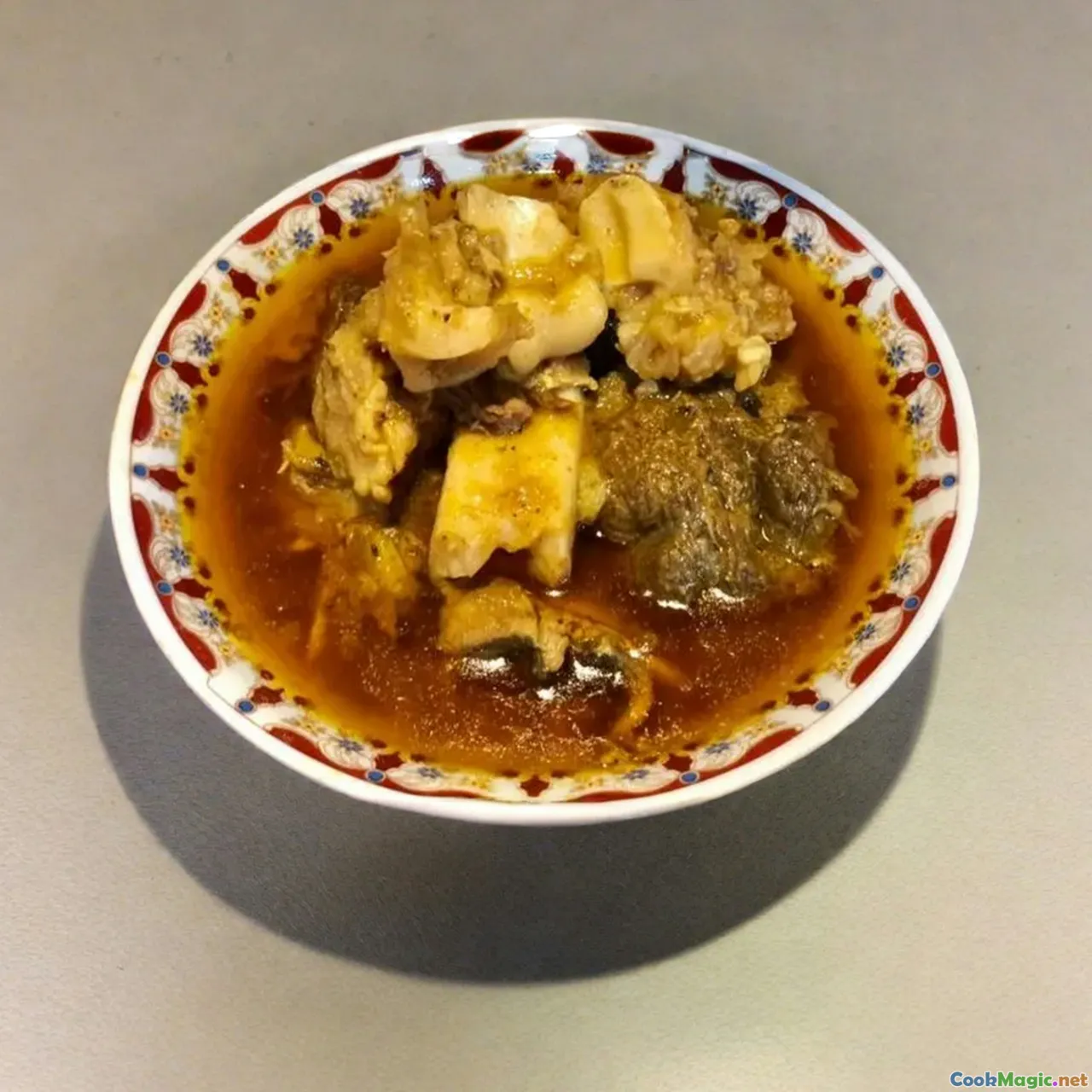
Spiced Curry Goat with Plantain Dumplings is an island celebration in a bowl. Tender, slow-braised goat luxuriates in a coconut-laced gravy perfumed with Jamaican curry powder, pimento, thyme, and a respectful hit of Scotch bonnet heat. The twist is a batch of green plantain dumplings that steam right in the pot, soaking up spice and bodying out the stew with irresistible, pillowy texture.
Why it works
- Layered spice technique: blooming curry powder in oil, sometimes called burning the curry, unlocks deeper color and aroma before any liquids dull the spices. This step builds the stew from the bottom up.
- Balanced heat: Scotch bonnet brings a floral, fruity fire that reads differently from dried chilies. Paired with coconut milk, it yields heat that is assertive but rounded.
- Texture contrast: plantain dumplings are tender yet springy, offering a pleasant chew that plays against velvety goat and soft roots.
Ingredient spotlight
- Goat shoulder: goat has a clean, slightly grassy richness that loves long, gentle cooking. Bone-in cuts provide collagen, naturally thickening the gravy without starch.
- Jamaican curry powder: typically includes turmeric, coriander, cumin, fenugreek, mustard, and pimento. Its profile is warmer and more savory than many South Asian blends, with emphasis on earthiness and gentle sweetness.
- Pimento, or allspice: a Caribbean signature, offering clove, cinnamon, and nutmeg notes from a single berry. Lightly crushing releases its oils.
- Green plantains: starchy and firm when unripe, they grate into a dough that holds together without becoming gluey, especially when lifted with a bit of baking powder.
Technique tips
- Washing the goat: a brief rinse with diluted lime or vinegar freshens the meat and removes any bone dust from butchering. Always rinse and pat dry afterward.
- Sear, do not steam: brown in batches so the surface caramelizes. This creates flavorful fond that dissolves into the sauce.
- Gentle simmer: once the liquid is in, keep the pot barely bubbling. A rolling boil can toughen protein and cloud the sauce.
- Dumpling dough feel: aim for soft and supple, not sticky. If it clings to your hands, dust with a little flour. If it cracks, moisten with a spoonful of coconut milk.
- Final acidity: a squeeze of lime at the table brightens the coconut and highlights the aromatics.
Make-ahead and storage
- The stew improves overnight as spices marry. Cool quickly, then refrigerate up to 4 days or freeze up to 2 months. Reheat gently, adding a splash of stock.
- For the dumplings, cook fresh if possible. If making ahead, undercook by a minute, cool on a tray, and reheat in the stew until just tender.
Substitutions and variations
- Heat control: swap Scotch bonnet for habanero or a milder chili. For minimal heat, use a piece of the pepper without seeds and pith.
- Gluten-free dumplings: replace flour and cornmeal with fine cassava flour or a gluten-free blend, adjusting moisture with coconut milk. A teaspoon of psyllium husk helps bind, though the plantain itself is a strong binder.
- Root vegetables: yam, cassava, or sweet potato can stand in for potatoes and carrots. Add denser roots earlier.
- Liquid: use goat stock for maximum depth or light chicken stock for a cleaner profile. Water works too if seasoning is spot-on.
Serving ideas
- Pair with rice and peas, festival, or a simple cucumber salad to cool the palate. A crisp pilsner, ginger beer, or chilled sorrel offers refreshing counterpoint.
Cultural notes Curry goat is beloved across Jamaica and much of the Caribbean, often featured at weddings, holidays, and gatherings. It reflects a beautiful culinary dialogue: Indian indentured laborers brought curry traditions; local cooks folded them into island ingredients like pimento, thyme, and Scotch bonnet. Plantain dumplings nod to the region’s deep plantain heritage, transforming a humble staple into a tender dumpling that soaks up gravy with gusto. The result is unmistakably Caribbean, marked by warmth, generosity, and joyous spice.
Troubleshooting
- Meat still tough: keep simmering gently; goat shoulder needs time to relax. Add a splash of stock, cover, and be patient.
- Thin sauce: simmer uncovered to reduce or mash a couple of potato chunks into the gravy. Avoid floury thickeners that muddy flavors.
- Too spicy: stir in a little extra coconut milk and a pinch of sugar, then serve with starchy sides.
Sustainability note Goat is a relatively sustainable red meat, often raised on marginal lands with a lighter environmental footprint than many cattle operations. Using bone-in cuts maximizes flavor and reduces waste.
Personal thought There is a quiet magic when the dumplings go in and the lid traps the fragrant steam. The plantain puffs, the goat relaxes, and the kitchen fills with spice and coconut. It is comfort food, yes, but also a story in a pot: of movement, exchange, and a cuisine that keeps welcoming new hands and ideas. Serve it to people you love, and let the pot do the talking.