Como o Imifino Molda as Dietas Rurais da África do Sul
1 hora lido Explore como o imifino — folhas verdes indígenas — ancora as dietas rurais da África do Sul por meio de sazonalidade, nutrição e tradição, desde a coleta e cultivo até métodos de cozimento que sustentam famílias e cultura. janeiro 02, 2026 07:06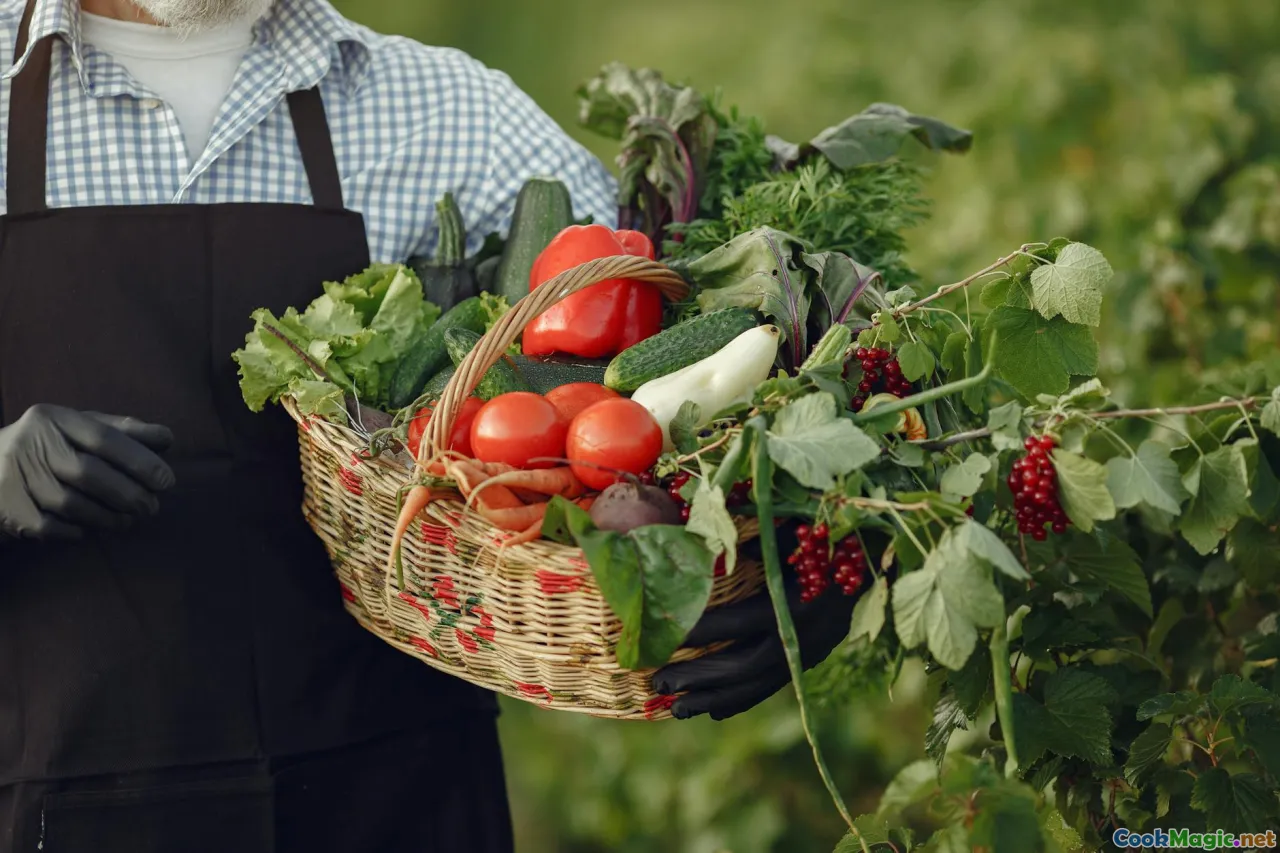
The first time I was taught to pinch imifino, the sun was still rising over Mqanduli, tangerine light slipping across the hills and throwing long shadows past the water drum and clothesline. The field behind the rondavel was quilted with greens so bright they looked lacquered: arrowed blades of amaranth, heart-shaped pumpkin leaves, a patch of cowpea vines threading themselves through everything. The smell was cool and peppery, like crushed rain. My teacher—Gogo Thandi, her palms stained the deep green of ten thousand mornings—plucked a tender cluster and tapped it against my knuckle. “Listen,” she said, holding the leaves to my ear. “Hear how it snaps? That’s breakfast.”
A primeira vez que me ensinaram a beliscar o imifino, o sol ainda nascia sobre Mqanduli, a luz tangerina deslizava pelas colinas e lançava longas sombras além do tambor de água e da corda de varal. O canteiro atrás do rondavel estava em retalho com verduras tão brilhantes que pareciam envernizadas: lâminas de amarantho apontadas, folhas de abóbora em forma de coração, um patch de cipó-de-caupi se entrelaçando por tudo. O cheiro era fresco e picante, como chuva esmagada. Minha professora — Gogo Thandi, com as palmas manchadas do verde profundo de dez mil manhãs — colheu um cacho tenro e o bateu contra o meu dedo. “Ouça,” disse ela, segurando as folhas junto ao meu ouvido. “Ouça como estala? Isso é o café da manhã.”
To talk about rural South African cuisine is to talk about imifino—those wild and cultivated leafy greens that scent the day’s first fire, that thicken relishes, color porridge, and anchor memory with the taste of the land. In isiXhosa and isiZulu, imifino is a plural, an embrace of many species and many methods. It’s a flavor, a habit, a kind of wisdom—one that shapes not just what people eat, but how work is organized, how cash flows, and how communities remember.
Falar sobre a culinária rural sul-africana é falar de imifino — aquelas folhas comestíveis selvagens e cultivadas que perfumam o primeiro fogo do dia, que engrossam relishes, povoa o mingau de cor e ancoram a memória com o sabor da terra. Em isiXhosa e isiZulu, imifino é plural, um abraço de muitas espécies e muitos métodos. É um sabor, um hábito, uma espécie de sabedoria — que molda não apenas o que as pessoas comem, mas como o trabalho é organizado, como o dinheiro circula e como as comunidades se lembram.
What We Mean When We Say “Imifino”

In the Eastern Cape, KwaZulu-Natal, Limpopo, and beyond, imifino refers to edible leafy greens—both foraged and cultivated—cooked simply and eaten with staples like maize meal porridge (pap), crumbly umphokoqo, or samp and beans (umngqusho). It’s the isiXhosa/isiZulu counterpart to “morogo” (Sotho/Tswana), a term many urban South Africans recognize from market stalls labeled “morogo spinach.” But the words carry more nuance on the rural tongue.
No Cabo Oriental, KwaZulu-Natal, Limpopo e além, imifino refere-se a folhas comestíveis — tanto coletadas na natureza quanto cultivadas — cozidas de forma simples e comidas com itens básicos como papa de milho (pap), umphokoqo esfarelado, ou samp e feijão (umngqusho). É o equivalente em isiXhosa/isiZulu de “morogo” (sotho/twana), um termo que muitos sul-africanos urbanos reconhecem de barracas de mercado rotuladas “morogo spinach.” Mas as palavras carregam mais nuances na língua rural.
There’s the important distinction locals make between imifino (the greens) and umfino (a dish): maize meal porridge cooked together with finely chopped greens, yielding a soft, pale-green mound freckled with dark herbs, often slicked with a spoonful of achaar or a stripe of gravy. Ask for “umfino” in a village kitchen, and you’re asking for a complete meal built on greens rather than a side dish of greens.
Há a distinção importante que os locais fazem entre imifino (as folhas) e umfino (um prato): papa de milho cozida junto com folhas picadas finamente, resultando em uma elevação macia de verde pálido salpicada de ervas escuras, muitas vezes com uma camada de achaar ou uma risca de molho. Pedir “umfino” numa cozinha de vila é pedir uma refeição completa construída a partir das folhas, e não um acompanhamento de folhas.
Under the umbrella of imifino are many plants, each with its own season, flavor, and attitude in the pot:
Sob o guarda-chuva do imifino há muitas plantas, cada uma com sua própria estação, sabor e temperamento na panela:
- Imbuya (amaranth): Tender when young, with a slight metallic sweetness on the finish; turns silky in the pan. Known as “morogo wa thepe” in many Sotho-speaking areas.
- Imbuya (amaranto): Tenra quando jovem, com uma leve doçura metálica no final; torna-se sedosa na frigideira. Conhecida como “morogo wa thepe” em muitas áreas de língua Sotho.
- Ummbila leaves? No—maize leaves aren’t eaten. But pumpkin leaves (amaqabi ethanga) are common: rough to the touch, fibrous hairs that recede with proper blanching, sweet and earthy once cooked.
- Folhas de milho? Não — as folhas de milho não são comidas. Mas as folhas de abóbora (amaqabi ethanga) são comuns: ásperas ao toque, pelos fibrosos que se reduzem com branqueamento adequado, doces e terrosas quando cozidas.
- Cowpea leaves (amaqabi edinawe, often simply “dinawa” in Sotho/Tswana contexts): A gentle bitterness and balanced, savory depth when simmered; pairs beautifully with groundnuts.
- Folhas de caupi (amaqabi edinawe, muitas vezes simplesmente “dinawa” em contextos Sotho/Tswana): uma amargura suave e uma profundidade salgada equilibrada quando fervidas; combinam lindamente com amendoim.
- Black nightshade (umsobo, also “nastergal” in Afrikaans contexts or “morogo wa mowa” in some Sotho regions): Glossy, tender leaves that soften fast; a shy tang when young, more bitter with maturity. The ripe berries are used for jams; only particular species’ leaves are eaten—knowledge passed down carefully.
- Beladona-negra (umsobo, também “nastergal” em contextos Afrikaans ou “morogo wa mowa” em algumas regiões Sotho): folhas lustrosas e tenras que amolecem rapidamente; um toque discreto quando jovem, mais amargas com a maturidade. As bagas maduras são usadas para geleias; apenas folhas de espécies específicas são comestíveis — conhecimento transmitido com cuidado.
- Spider plant (Cleome gynandra; often called lerotho in Sesotho): Distinctively mustardy, aromatic, and pleasantly sharp; a favorite in Limpopo homes where that peppery fragrance feels like summer.
- Espinafre-aranha (Cleome gynandra; frequentemente chamado lerotho em Sesotho): distintamente com sabor de mostarda, aromático e agradavelmente picante; favorito em lares de Limpopo onde aquela fragrância picante parece o verão. Imifino is as much about classification as it is about relationships. The aunties who sell bundles at the taxi rank in Butterworth or Giyani distinguish plants by use and micro-season as much as by botany: the greens that vanish after the first cold snap; the kind to save for guests; the kind to cook with peanuts; the one that “speaks” to amasi (cultured milk). It’s a lexicon that maps taste onto time.
Imifino é tanto sobre classificação quanto sobre relações. As tias que vendem feixes no posto de táxi em Butterworth ou Giyani distinguem as plantas pelo uso e pela micro-estação tanto quanto pela botânica: as folhas que somem após a primeira geada; as que se guardam para os convidados; as que se cozinham com amendoim; aquelas que “falam” com o amasi (leite fermentado). É um léxico que mapeia o sabor no tempo.
A Calendar Written In Green
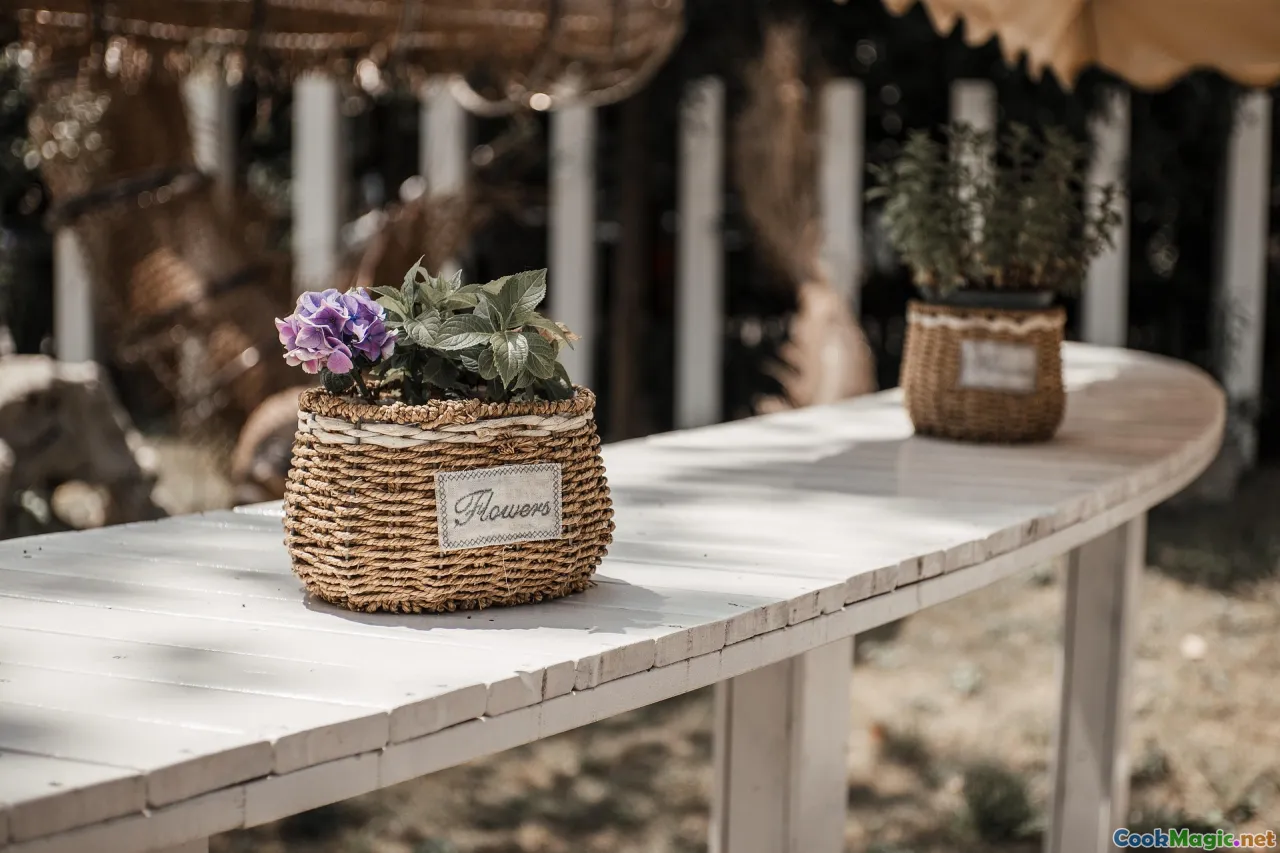
South African rural diets move with rain. When the first good summer storms roll across KwaZulu-Natal, imifino erupts in roadside verges and home plots: amaranth volunteers after ploughing, spider plant scatters itself wherever soil was turned, and the vines of ithanga (pumpkin) spill out of compost heaps like green rivers. In Limpopo, the heat hastens tender growth that’s picked at dawn while the leaves are still plum and cool. In the Eastern Cape’s former Transkei, grandmothers walk the edges of communal fields at first light, bending to snip and fold, leaving just enough on each plant to coax a second harvest.
As dietas rurais sul-africanas movem-se com a chuva. Quando as primeiras boas tempestades de verão percorrem o KwaZulu-Natal, o imifino irrompe nas margens das estradas e nos canteiros das casas: o amaranto surge voluntário após o arado, a planta-aranha se espalha por onde quer que o solo tenha sido revolvido, e as vinhas de ithanga (abóbora) escorrem dos montes de composto como rios verdes. Em Limpopo, o calor acelera o crescimento tenro que é colhido ao amanhecer enquanto as folhas ainda estão roxas e frias. Na antiga Transkei, avós percorrem as margens dos campos comunitários ao nascer do dia, inclinando-se para colher e dobrar, deixando o suficiente em cada planta para obter uma segunda colheita.
By late summer, the greens deepen, the flavors assert themselves, some taking on the faint bitterness of a plant growing toward seed. When autumn hints at itself in the wind, people shift to tougher leaves—pumpkin, cowpea—and use more aggressive methods like double blanching or longer simmers. Winter doesn’t end imifino; it rewrites it. Bundles get smaller at taxi ranks, prices nudge up a rand or two, and cooks might lean on dried versions—sun-wilted leaves saved during abundance, dark as tea. When a dry winter bites, so does memory: people recall the droughts of the 1980s, the ways imifino bridged weeks until remittances arrived or maize meal prices eased.
No fim do verão, as folhas amadurecem, os sabores se firmam, algumas assumem o amargor suave de uma planta que caminha para a semente. Quando o outono se insinua no vento, as pessoas passam para folhas mais resistentes — abóbora, caupi — e usam métodos mais agressivos, como branqueamento duplo ou cozimentos mais longos. O inverno não encerra o imifino; ele o reescreve. Feixes ficam menores nos pontos de táxi, os preços sobem um rand ou dois, e os cozinheiros podem recorrer a versões secas — folhas murchas pelo sol preservadas na abundância, escuras como chá. Quando um inverno seco aperta, a memória também aperta: as pessoas lembram as secas dos anos 1980, as formas como o imifino preencheu semanas até que as remessas chegassem ou os preços da farinha de milho diminuíssem.
Imifino makes seasonality tasteable. A January plate in Nkandla—steamed spider plant with peanut butter, eating like silk and smoke—is not the same as a June plate in Matatiele—pumpkin leaves thickened with tomato and a pinch of bicarbonate, tender but still holding rustic fibers, the sauce tasting like the last tomatoes rescued from frost.
O imifino torna a sazonalidade comestível. Um prato de janeiro em Nkandla — espinafre-aranha cozido no vapor com manteiga de amendoim, que se come como seda e fumaça — não é o mesmo que um prato de junho em Matatiele — folhas de abóbora engrossadas com tomate e uma pitada de bicarbonato, tenras, mas ainda com fibras rústicas, o molho com o sabor dos últimos tomates salvos da geada.
The Kitchen Economy of Green Bundles
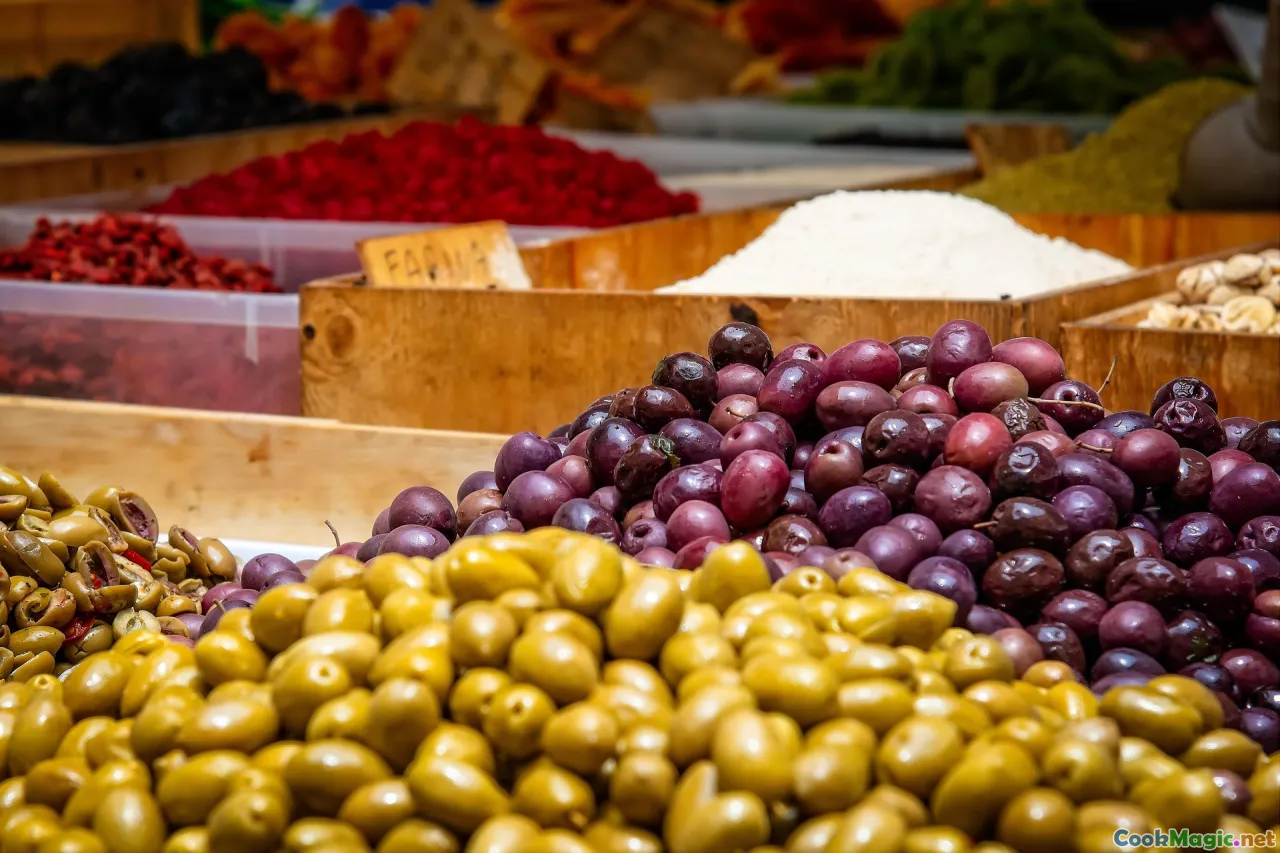
On any given morning outside the Umtata rank, you’ll see the green economy at work: piles of bundled imifino in plastic basins, dew still clinging to the stems, next to oranges and airtime vouchers. A woman who has picked since dawn arranges by species and price: five rand for amaranth, seven for the cowpea leaves, ten for spider plant (harder to find this week). The money circulates fast. By mid-morning, she buys maize meal and paraffin; by evening, her children eat pap with the greens she kept aside. Tomorrow repeats.
Numa manhã qualquer, do lado do posto de Umtata, você vê a economia verde em ação: montes de imifino agrupados em basins plásticos, o orvalho ainda agarrado aos caules, ao lado de laranjas e vales de créditos de celular. Uma mulher que colheu desde o amanhecer organiza por espécie e preço: cinco rands pelo amaranto, sete pelo folhas de caupi, dez pela planta-aranha (mais difícil de encontrar esta semana). O dinheiro circula rapidamente. Até meados da manhã, ela compra farinha de milho e querosene; à noite, seus filhos comem pap com as folhas que ela guardou de lado. Amanhã se repete.
Imifino shapes rural diets because it lowers the cash threshold for a full meal. Staple grains—maize meal, sorghum, rice—provide bulk. Greens provide flavor, micronutrients, and a sense of completion. When meat is scarce, imifino makes pap taste like something, smell like something. A good pot of greens allows you to spend the few rand on school transport instead of on wors.
O imifino molda as dietas rurais porque reduz o limiar de dinheiro para uma refeição completa. Grãos básicos — farinha de milho, sorgo, arroz — fornecem volume. As folhas fornecem sabor, micronutrientes e uma sensação de completude. Quando a carne é escassa, o imifino faz o pap ter gosto de algo, o aroma de algo. Uma boa panela de verduras permite gastar poucos rands em transporte escolar em vez de em wors.
There’s also a barter economy around imifino. I’ve seen a bucket of fresh cowpea leaves swapped for a dozen eggs in a village near Lusikisiki, and a basin of pumpkin leaves traded for babysitting during a funeral week. This is food as currency, unbanked and uncounted, but essential. In this way, imifino is both a dish and a social contract.
Há também uma economia de trocas em torno do imifino. Vi um balde de folhas frescas de caupi trocado por uma dúzia de ovos numa vila próxima a Lusikisiki, e uma bacia de folhas de abóbora trocada por cuidar de crianças durante uma semana de funeral. Isto é comida como moeda, não bancarizada nem contabilizada, mas essencial. Assim, o imifino é tanto um prato quanto um contrato social.
Story From A Hearth: Gogo Thandi’s Peanut-Scented Morning

The irons sat ready on three stones. Inside the pot: onions sweating gently until sweet and translucent, garlic knocked with the flat of a knife, and a pinch of red chili. The air was onion-sugar and woodsmoke, a fragrance so soft you could lean against it.
As braseiras estavam prontas sobre três pedras. Dentro da panela: cebolas suando suavemente até ficarem doces e translúcidas, alho amassado pela superfície de uma faca, e uma pitada de pimenta vermelha. O ar era de cebola-doce e fumaça de madeira, uma fragrância tão suave que você poderia se encostar nela.
“Now we teach it manners,” Gogo said, dropping in a handful of chopped amaranth and spider plant. The leaves squeaked as they hit the heat, giving up their green breath. She added a splash of water—just enough to encourage wilting—and set the lid crooked to let off steam. Next came the peanut paste: raw peanuts pounded with a pinch of salt until they gave up their oil and turned glossy, the paste the color of wet sand.
“Agora vamos ensiná-lo a ter bons modos,” disse Gogo, colocando na panela um punhado de amaranto picado e de planta-aranha. As folhas farfalharam ao tocar o calor, libertando seu hálito verde. Ela adicionou um jorro de água — o suficiente para incentivar a murchação — e deixou a tampa torta para liberar vapor. Em seguida, veio a pasta de amendoim: amendoins crus amassados com uma pitada de sal até liberarem seu óleo e ficarem brilhantes, a pasta da cor da areia molhada.
When the spoon went in, the sauce thickened, turned opalescent. The smell shifted: greener, nuttier, almost like sesame, with a faint whiff of field after rain. She tasted. “Salt a little,” she said, and I learned to salt greens toward the end, when the peanut fat is present, because salt and fat together make the leaf taste rounder, less shrill. She spooned it onto umphokoqo—crumbly, snow-white maize meal cooked stiff—and dotted the plate with amasi. The first bite was the definition of comfort: soft crumble, tangy fermented milk, silky greens, and the peanut’s low hum holding it all in place.
Quando a colher entrou, o molho engrossou, voltou opalescente. O cheiro mudou: mais verde, mais noz, quase como gergelim, com um leve aroma de campo após a chuva. Ela provou. “Salpique um pouco,” disse, e aprendi a salgar as folhas no final, quando a gordura do amendoim já está presente, porque sal e gordura, juntos, tornam a folha mais redonda, menos aguda. Ela colocou no umfhoqo—pap de milho desfeito, branco como a neve, cozido firme—e salpicou o prato com amasi. A primeira mordida foi a definição de conforto: farofa macia, leite fermentado ácido, folhas sedosas, e o baixo zumbido do amendoim segurando tudo no lugar.
We ate on upturned buckets under the apricot tree. “If you can cook imifino,” she told me, “you can feed everyone who walks through your gate.” It was less compliment than duty statement. Ceremonies, funerals, the days people come to hoe the field or reshape the thatch—this is the food that makes the day possible.
Comemos em baldes virados debaixo da goiabeira-do-amad. “Se você sabe cozinhar imifino,” disse ela, “você pode alimentar todos que passam pelo seu portão.” Foi menos elogio do que declaração de dever. Cerimônias, funerais, os dias em que as pessoas vão capinar o campo ou reformar o palha — essa é a comida que torna o dia possível.
Nutrition—And How Greens Complete The Plate

Culinary romantics (I include myself) love imifino for its scent and stories. But its nutritional role in rural South Africa is practical, even technical. Maize—ubiquitous pap—delivers calories but little lysine, a key amino acid; paired properly, imifino and legumes close that gap.
Os românticos da culinária (eu me incluo) amam o imifino por seu aroma e histórias. Mas o papel nutricional do imifino na África do Sul rural é prático, até técnico. O milho — pap ubíquo — fornece calorias, mas pouco lisina, um aminoácido essencial; quando combinados adequadamente, imifino e leguminosas fecham essa lacuna.
- Greens like amaranth, cowpea leaves, and spider plant are rich in vitamins A and C, folate, calcium, and iron. Their mineral content means they taste of metal—pleasantly so, like the lick of a brass spoon.
- Verduras como amaranto, folhas de caupi e planta-aranha são ricas em vitaminas A e C, folato, cálcio e ferro. Seu teor mineral confere um sabor metálico — agradável, como o toque de uma colher de latão.
- Cooking methods matter: Blanching reduces oxalates that can bind minerals and contribute to a chalky mouthfeel. A quick blanch before the final sauté keeps the stalks tender and the sauce clear.
- Os métodos de cozimento importam: branqueamento reduz oxalatos que podem se ligar aos minerais e contribuir para uma sensação de boca talcada. Um branqueamento rápido antes do refogado final mantém os talos macios e o molho límpido.
- Fat unlocks vitamins. A spoon of groundnut paste, a drizzle of canola, a knob of butter—all make imifino richer on the tongue and more generous in what it offers.
- A gordura libera vitaminas. Uma colher de pasta de amendoim, um fio de canola, uma noz de manteiga — tudo torna o imifino mais rico na língua e mais generoso no que oferece.
- Pairing with beans or groundnuts improves protein quality. The classic umngqusho (samp and beans) with imifino on the side becomes a complete, admirable meal—humble and nutritionally smart.
- Combinar com feijão ou amendoim melhora a qualidade proteica. O clássico umngqusho (samp e feijão) com imifino ao lado torna-se uma refeição completa, admirável — humilde e nutricionalmente inteligente.
There’s folk wisdom about reducing bitterness and roughness: some cooks add a pinch of bicarbonate of soda to tough leaves like pumpkin; others insist on a double boil for black nightshade to tame its alkaloids. The best technique is species-specific and respects the plant’s voice. A quick note for cooks new to nightshade: only eat leaves from edible species traditionally used in your area; many South Africans learn this from elders, not books. When in doubt, ask a local grower.
Há sabedoria popular para reduzir o amargor e a rugosidade: alguns cozinheiros adicionam uma pitada de bicarbonato de soda a folhas duras, como as de abóbora; outros insistem em fervura dupla para beladona-negra para domar seus alcaloides. A melhor técnica é específica de cada espécie e respeita a voz da planta. Uma nota rápida para cozinheiros novos na família das nightshades: consuma apenas folhas de espécies comestíveis tradicionalmente usadas em sua região; muitos sul-africanos aprendem isso com os mais velhos, não em livros. Em dúvida, pergunte a um cultivador local.
How-To: Four Canonical Ways To Cook Imifino
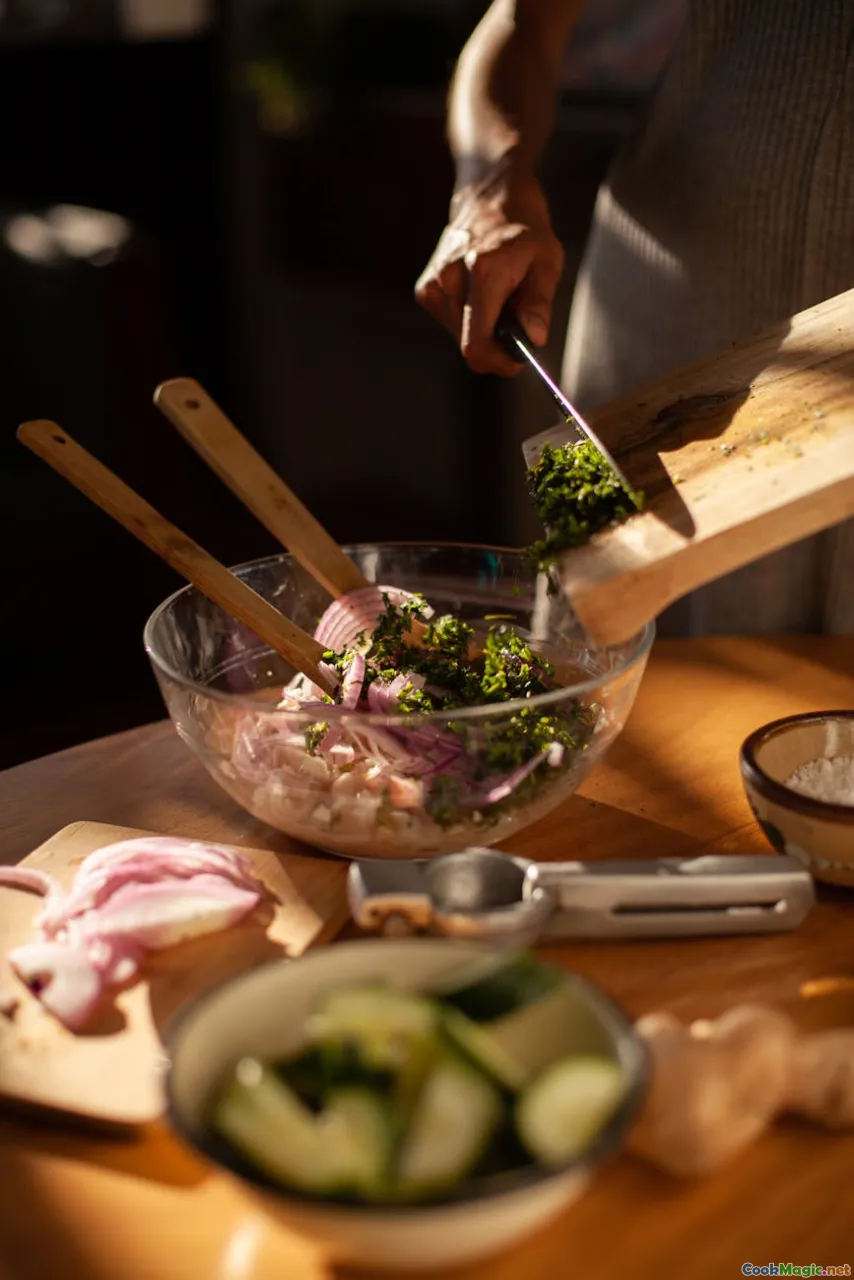
- Simple Sauté With Aromatics (Eastern Cape style)
- Pick and sort: Choose tender tops; discard woody stems. Rinse well, twice, until the water runs clear. Finely chop.
- Escolha e selecione: escolha folhas tenras; descarte caules duros. Lave bem, duas vezes, até a água ficar límpida. Pique finamente.
- Blanch (optional): Dip in boiling water for 30–60 seconds to collapse tougher greens; refresh in cold water; squeeze dry.
- Branqueie (opcional): mergulhe em água fervente por 30–60 segundos para reduzir verduras mais duras; resfrie em água fria; esprema para secar.
- Sweat aromatics: In a heavy pan, warm oil. Add chopped onion and cook until sweet and translucent; add garlic and a pinch of chili.
- Suar aromáticos: Em uma panela pesada, aqueça o óleo. Adicione a cebola picada e cozinhe até ficar doce e translúcida; acrescente o alho e uma pitada de pimenta.
- Cook greens: Add greens and a splash of water. Cover to steam briefly, then stir. Season with salt and a squeeze of lemon if desired.
- Cozinhe as folhas: Adicione as folhas com um pouco de água. Cubra para vaporizar brevemente, mexa em seguida. Tempere com sal e um pouco de limão, se desejar.
- Finish: A pat of butter or spoon of oil to gloss. Serve with stiff pap or umphokoqo.
- Finalize: Uma colher de manteiga ou fio de óleo para brilho. Sirva com pap firme ou umfhoqo.
Texture and taste: Silky, a little squeak to the bite, onion-sweet with a quiet green warmth.
Textura e sabor: Sedosa, com um leve chiado ao morder, doce de cebola com calor verde suave.
- Peanut-Softened Greens (KZN plains)
- Prepare as above, but stir in 1–2 tablespoons of unsweetened peanut butter or ground roasted peanuts after the greens wilt.
- Prepare como acima, mas incorpore 1–2 colheres de sopa de manteiga de amendoim sem açúcar ou amendoim torrado moído após as folhas murcharem.
- Simmer gently to thicken; add a little hot water to loosen if too thick.
- Ferva suavemente para engrossar; adicione um pouco de água quente para soltar se ficar muito grosso.
- Optional: A splash of coconut milk for a coastal variation.
- Opcional: um toque de leite de coco para uma variação costeira.
Texture and taste: Luxurious, nutty, almost saucy. The heat carries a roasted aroma, and the greens taste mellow, well-behaved.
Textura e sabor: Luxuoso, noz, quase cremoso. O calor leva um aroma assado, e as folhas têm sabor suave, comportado.
- Umfino: Greens Cooked Into Maize Meal
- Make a quick relish: Sweat chopped onion in a tablespoon of oil; add finely chopped greens and cook briefly with salt.
- Faça um relish rápido: Refogue a cebola picada em uma colher de óleo; adicione as folhas picadas e cozinhe brevemente com sal.
- Add water: Pour in the measured water for stiff pap. Bring to a boil.
- Adicione água: Despeje a água medida para pap firme. Leve a ferver.
- Rain in maize meal: Add maize meal gradually, stirring with a wooden spoon to avoid lumps. Lower heat, cover, and cook until the maize is tender.
- Acrescente farinha de milho aos poucos, mexendo com uma colher de pau para evitar grumos. Reduza o fogo, cubra e cozinhe até que o milho fique macio.
- Beat and rest: Beat the pap to break up any clumps of greens; rest five minutes.
- Bata o pap para desfazer eventuais grumos de folhas; descanse cinco minutos.
Texture and taste: A green-stippled mound, moist but firm; every spoonful tastes of the leaf, not just of meal.
Textura e sabor: Um monte verde-espolhado, úmido, mas firme; cada colherada tem o sabor da folha, não apenas do milho.
- Tomato-Braised Pumpkin Leaves (Late autumn favorite)
- Prepare leaves: Remove tough strings from pumpkin leaves by pulling at the base—listen for the whispering peels. Cut into ribbons.
- Prepare as folhas: Remova fios duros das folhas de abóbora puxando pela base — ouça o sussurro das cascas. Corte em tiras.
- Flash blanch with a pinch of bicarbonate if you like (use restraint to avoid soapy flavors). Squeeze dry.
- Branqueie rapidamente com uma pitada de bicarbonato se quiser (ate com moderação para evitar sabores de sabão). Esprema para secar.
- In a pot, cook onion in oil; add diced tomato and simmer to a jammy sauce.
- Em uma panela, cozinhe a cebola no óleo; adicione tomate picado e deixe ferver até formar um molho com consistência de geleia.
- Add leaves; cook until tender. Finish with salt and a dab of butter.
- Adicione as folhas; cozinhe até ficarem macias. Finalize com sal e uma pitada de manteiga.
Texture and taste: Hearty; a soft, comforting sauce with gentle tang. Fibers softened but present, like good linen.
Textura e sabor: Robustas; um molho macio e reconfortante com acidez suave. Fibras amolecidas, porém presentes, como um bom linho.
The Taste Debate: Morogo vs Supermarket “Spinach”
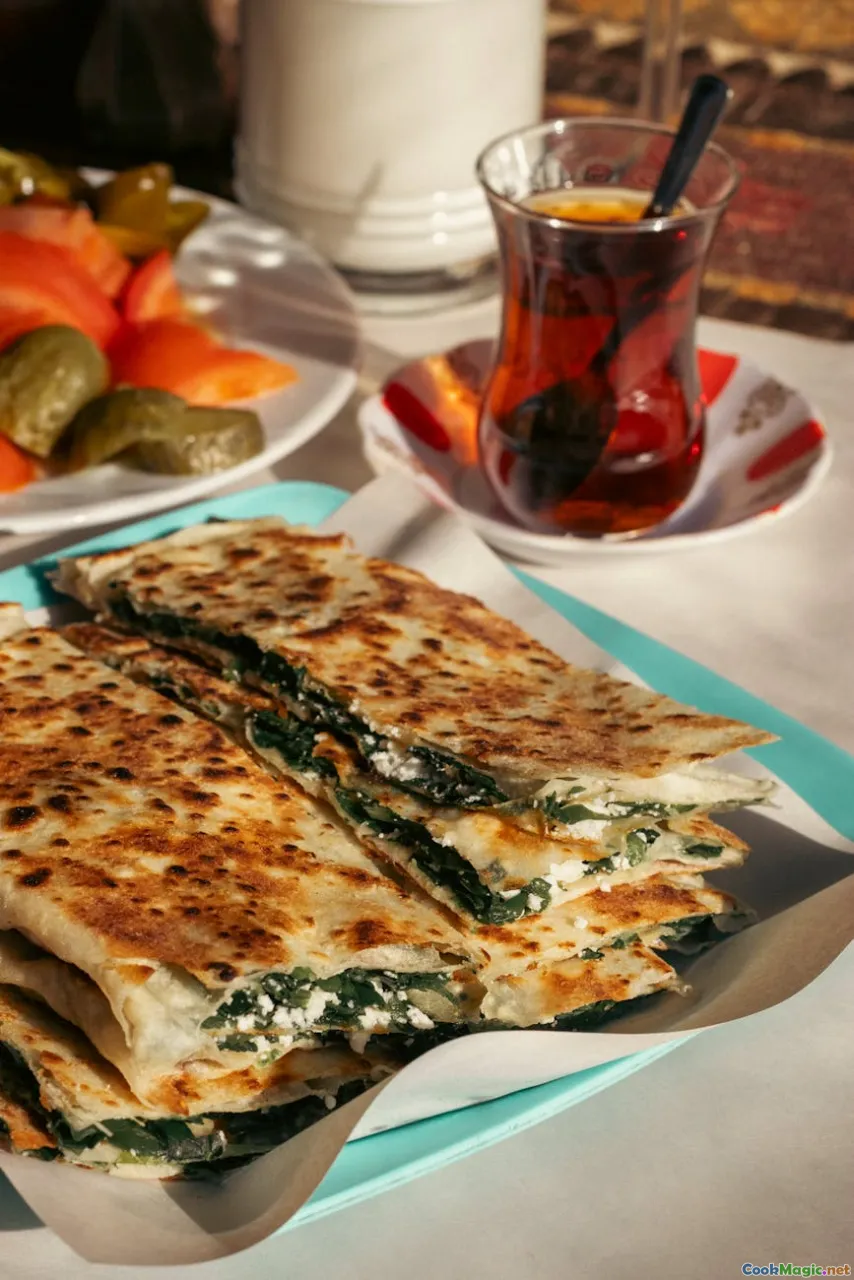
Urban South Africans often call Swiss chard “spinach” and cook it as a stand-in for imifino. It works—up to a point. But the greens behave differently under heat and on the palate.
Os sul-africanos urbanos costumam chamar a acelga suíça de “espinafre” e cozinhá-la como substituto do imifino. Funciona — até certo ponto. Mas as folhas se comportam de maneira diferente ao calor e no paladar.
- Flavor profile: Swiss chard is mild, sweet when fresh, with a creamy leaf; amaranth has a mineral whisper and more complex green notes. Spider plant brings a peppery frankness chard cannot emulate.
- Perfil de sabor: a acelga é suave, doce quando fresca, com folha cremosa; o amarantho tem um sussurro mineral e notas verdes mais complexas. A planta-aranha traz uma franqueza picante que a acelga não consegue imitar.
- Texture: Chard keeps a broad, soft leaf; many imifino shrink to silk and thin ribbons, delivering a particular “green squeak” that marries better to crumbly pap.
- Textura: A acelga mantém uma folha larga e macia; muitos imifino encolhem até virar seda e tiras finas, entregando um particular “eco verde” que casa melhor com pap esfarelado.
- Cost & access: In rural towns, a bundle of imifino at the taxi rank can cost less than half a supermarket bunch of chard—and it’s often picked that day. In cities, chard wins for availability but loses the immediacy of field-to-fire freshness.
- Custo e acesso: Em cidades rurais, um feixe de imifino no posto de táxi pode custar menos da metade de um feixe de acelga no supermercado — e muitas vezes é colhido no dia. Nas cidades, a acelga vence pela disponibilidade, mas perde a imediaticidade da frescura do campo para o fogo.
- Cultural resonance: Cooking with chard satisfies hunger. Cooking with imifino satisfies hunger and memory. The scent of cleome hitting heat pulls people to firesides they haven’t seen since childhood.
- Ressonância cultural: Cozinhar com acelga satisfaz a fome. Cozinhar com imifino satisfaz a fome e a memória. O aroma de Cleome ao pegar fogo atrai as pessoas às lareiras que não veem desde a infância.
If you’re a chef, design for the difference: don’t force chard to be spider plant; play to its custardy sweetness instead. And if you can source imifino, let each species say its name on the plate.
Se você é um chef, projete para a diferença: não force a acelga a ser planta-aranha; aproveite a doçura cremosa dela. E se puder obter imifino, permita que cada espécie diga seu nome no prato.
Dining Across the Provinces: A Green Map
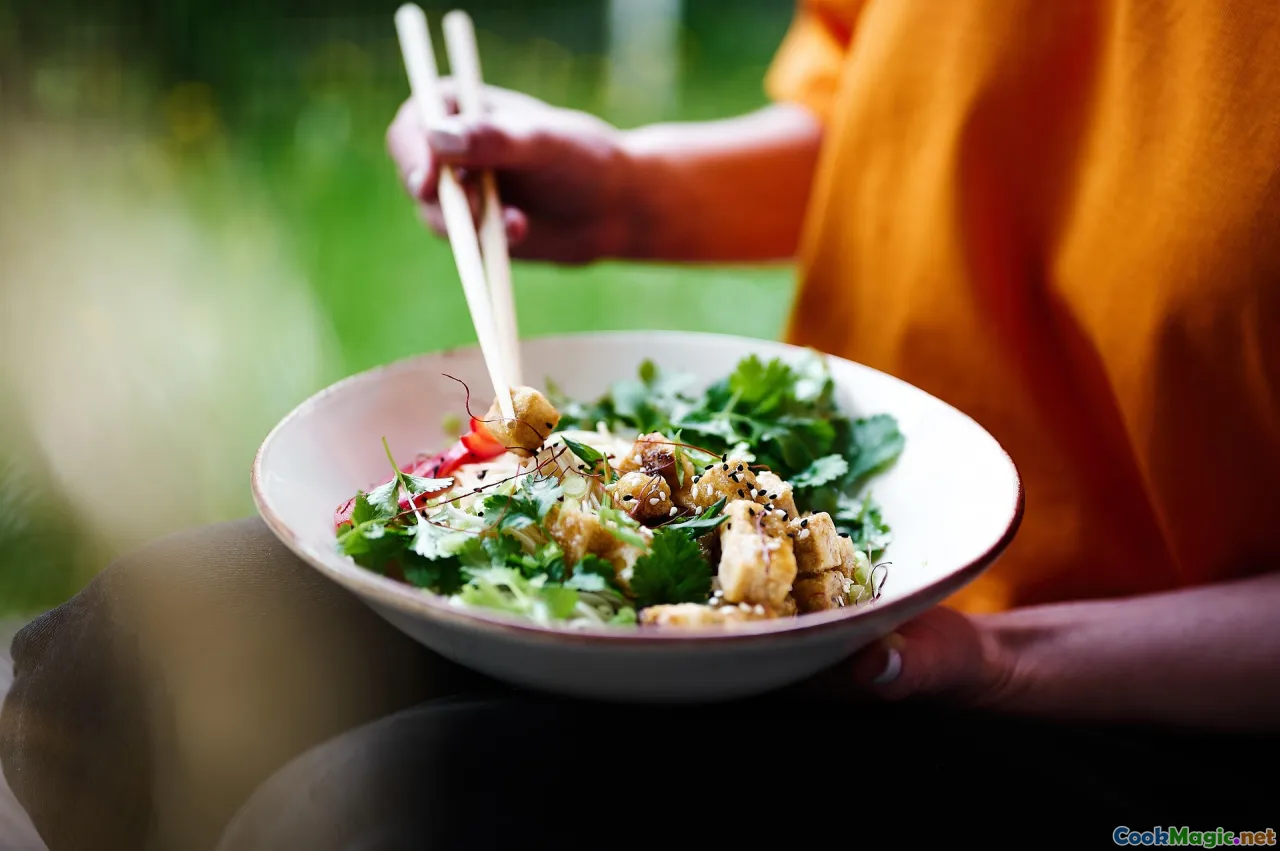
- Eastern Cape: Expect amaranth and nightshade in summer, pumpkin leaves in autumn. Umfino is ubiquitous—pap cooked green—with a splash of amasi. Umngqusho with a side of sautéed imifino is grandmotherly perfection. In rural villages near Dutywa and Willowvale, roadside fires simmer greens at dawn; the scent is almost smoky-sweet.
- Cabo Oriental: espere amaranto e beladona-negra no verão, folhas de abóbora no outono. Umfino é ubíquo — pap cozido com folhas — com um toque de amasi. Umngqusho com um lado de imifino salteado é a perfeição de avó. Em vilarejos rurais perto de Dutywa e Willowvale, fogueiras à beira da estrada cozinham as verdas ao amanhecer; o aroma é quase defumado-dulce.
- KwaZulu-Natal: Peanut-softened greens are classic, sometimes with coconut in coastal areas influenced by Indian Ocean trade winds of flavor. Soft phuthu (crumbly pap) becomes a canvas for glossy, nutty cleome that tastes like a clean mustardy breeze.
- KwaZulu-Natal: verdes amolecidas com amendoim são clássicas, às vezes com coco em áreas costeiras influenciadas pelos ventos do Oceano Índico. Phuthu macio (pap esfarelado) torna-se uma tela para cleome brilhante, noz, que tem gosto de brisa de mostarda fresca.
- Limpopo: Fermented sorghum porridge (ting) meets a bitter-forward morogo. Spider plant is star; the bitterness is prized, not feared. In Giyani markets, bundles of greens sit next to sun-dried mopani worms—another protein that loves that green edge.
- Limpopo: mingau de sorgo fermentado (ting) encontra morogo com amargor proeminente. A planta-aranha é estrela; o amargor é apreciado, não temido. Nos mercados de Giyani, feixes de folhas ficam ao lado de vermes Mopani secos ao sol — outra proteína que gosta dessa tonalidade verde.
- North West and Free State: Cowpea leaves with groundnuts, or “morogo wa dinawa,” is a classic. The texture is denser, the sauce richer, often cooked low and slow to velvet.
- North West e Free State: folhas de caupi com amendoim, ou “morogo wa dinawa,” é um clássico. A textura é mais densa, o molho mais rico, muitas vezes cozido baixo e lento para ficar aveludado.
- Northern Cape: Drier climate, sparser greens, but you’ll find hardy amaranth, sometimes served with samp and the deep, welcome fat of mutton gravy.
- Northern Cape: clima mais seco, verdura mais escassa, mas você encontrará amaranto resistente, às vezes servido com samp e a gordura profunda e bem-vinda do molho de cordeiro.
These plates are made of the same country and the same sun but taste distinct. Imifino carries accents like spoken language.
Estes pratos são feitos com o mesmo país e o mesmo sol, mas têm sabores distintos. O imifino carrega sotaques como as línguas faladas.
Analysis: Climate Resilience On A Plate
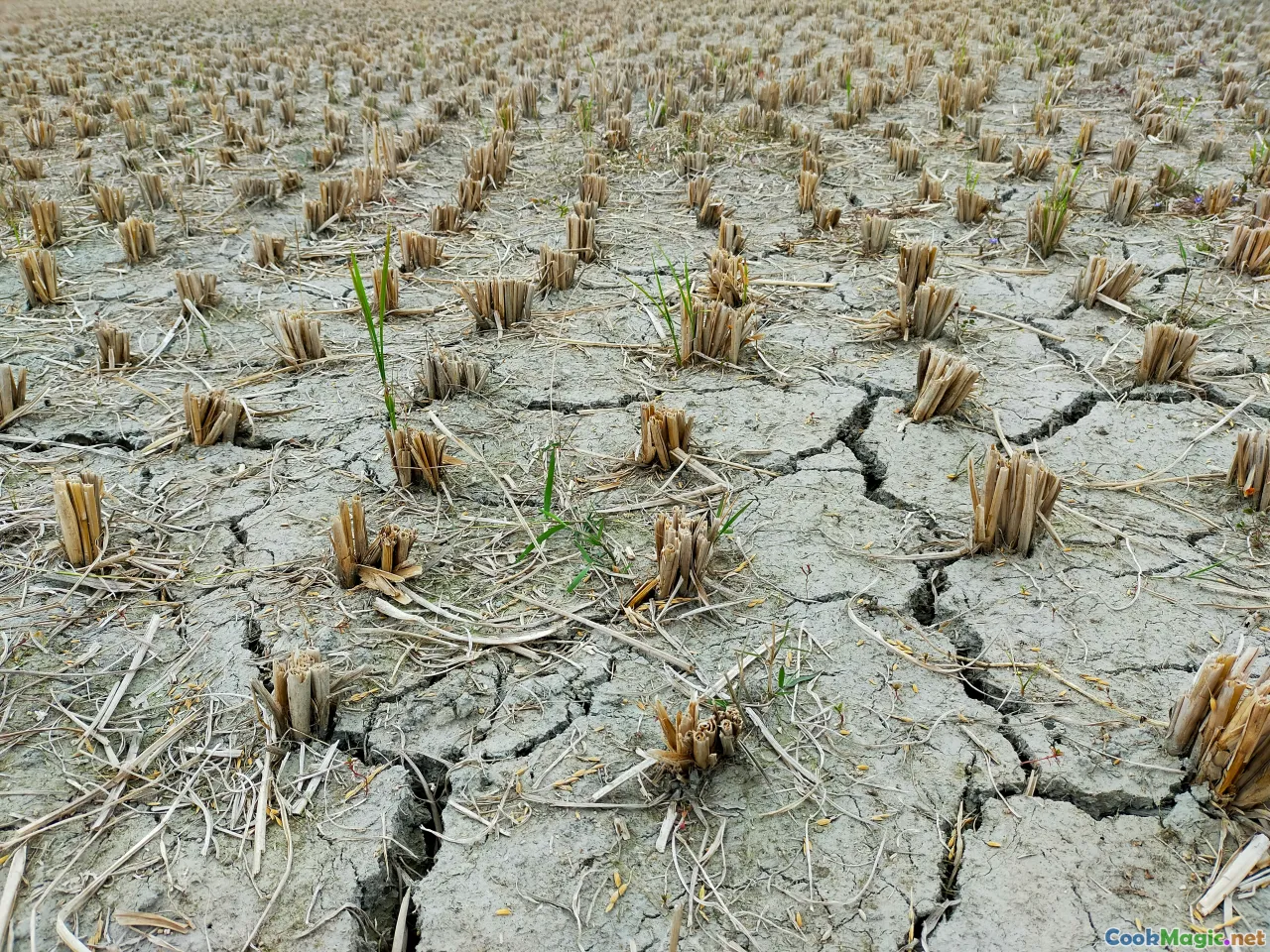
Imifino isn’t just culturally central; it’s agronomically clever. Many of the species that fall under the imifino banner are drought-tolerant, quick to germinate, and forgiving of poor soils. Amaranth volunteers after tilling; spider plant thrives in heat; cowpea doesn’t sulk when the rain delays. For rural households facing water stress, imifino is a hedge against scarcity.
O imifino não é apenas central culturalmente; é inteligente agronomicamente. Muitas das espécies que se enquadram no rótulo imifino são tolerantes à seca, germinam rapidamente e perdoam solos pobres. O amaranto aparece voluntário após o preparo da terra; a planta-aranha prospera no calor; o caupi não resmunga quando a chuva atrasa. Para as famílias rurais enfrentando estresse hídrico, o imifino é uma proteção contra a escassez.
Local agricultural officers and community seed savers have leaned into this. Seed exchanges in villages outside Polokwane and Mthatha keep lines of traditional greens circulating. Aunty Peace in Giyani taught me to “save seed the way you save stories”—harvest from the best plants, dry in shade where the wind talks but doesn’t shout, label with year and field. A plot planted with both maize and a range of imifino spreads risk across microclimates in the same yard.
Oficiais agrícolas locais e semeadores comunitários mergulharam nisso. Trocas de sementes em vilarejos fora de Polokwane e Mthatha mantêm as linhas de verduras tradicionais circulando. A Tia Peace em Giyani ensinou-me a “guardar sementes como quem guarda histórias”—colha das melhores plantas, seque à sombra onde o vento fala mas não grita, rotule com o ano e o campo. Uma parcela plantada com milho e uma variedade de imifino distribui o risco entre microclimas no mesmo quintal.
Nutritionally, climate resilience matters, too. When meat prices spike, imifino’s micronutrients become protection against anemia and vitamin deficiencies. The bitter compounds some modern palates resist are often the same ones that make the greens medicinal—stomach-settling after heavy maize, appetite-calming in a way that gives energy back to the day’s labor.
Nutricionalmente, a resiliência climática também importa. Quando os preços da carne sobem, os micronutrientes do imifino tornam-se proteção contra anemia e deficiências vitamínicas. Os compostos amargos que alguns paladares modernos resistem costumam ser os mesmos que tornam as folhas medicinais — calmantes do estômago após milho pesado, acalmando o apetite de modo que devolvem energia ao trabalho do dia.
Sourcing & Safety: A Cook’s Field Guide For Urban Kitchens

Imifino isn’t only for villagers with access to communal fields. If you’re cooking in Cape Town, Joburg, or Durban, you can bring these greens into your kitchen with intention and respect.
O imifino não é apenas para moradores com acesso a campos comunitários. Se você está cozinhando na Cidade do Cabo, Joanesburgo ou Durban, pode levar essas folhas para a sua cozinha com intenção e respeito.
- Find a trusted vendor: Taxi ranks and informal markets are excellent sources. Ask vendors what species they’re selling and how they cook them; this exchange is part of the food’s value.
- Encontre um fornecedor confiável: pontos de táxi e mercados informais são ótimas fontes. Pergunte aos vendedores quais espécies estão vendendo e como as preparam; essa troca faz parte do valor do alimento.
- Grow a pot: Amaranth and cowpea can thrive in containers. Sprinkle amaranth seeds in spring; thin seedlings for salads, let the rest leaf up.
- Cultive uma panela: amaranto e caupi podem prosperar em recipientes. Espalhe sementes de amaranto na primavera; alimente as primeiras mudas para saladas, deixe o resto crescer.
- Identify with care: Don’t forage nightshades or unknown plants without expert guidance. A cooking pot is the wrong place for guesswork.
- Identifique com cuidado: não colete nightshades ou plantas desconhecidas sem orientação especializada. Uma panela de cozinha não é lugar para adivinhações.
- Wash well: Rural greens often carry field grit. Rinse in two or three changes of water; finish with a quick blanch for extra grit removal.
- Lave bem: Verduras rurais costumam carregar sujeira de campo. Enxágue em duas ou três trocas de água; finalize com um branqueamento rápido para remover o excesso de grão.
- Respect the cook’s time: If you hire a domestic worker who knows these greens, pay for that knowledge. Preparation—stringing pumpkin leaves, pounding peanuts—is skill, not “help.”
- Respeite o tempo do cozinheiro: se você contratar uma ajudante que conhece essas folhas, pague por esse conhecimento. Preparação — desfiar folhas de abóbora, amassar amendoins — é habilidade, não “ajuda.”
The biggest mistake urban cooks make with imifino is treating it like spinach and drowning it in cream. Cream blunts the fine points; groundnuts and onions sharpen them.
O maior erro que cozinheiros urbanos cometem com o imifino é tratá-lo como espinafre e afogá-lo em creme. O creme ofusca os pontos finos; amendoins e cebolas os aguçam.
Chef’s Notebook: Bringing Imifino To The Pass
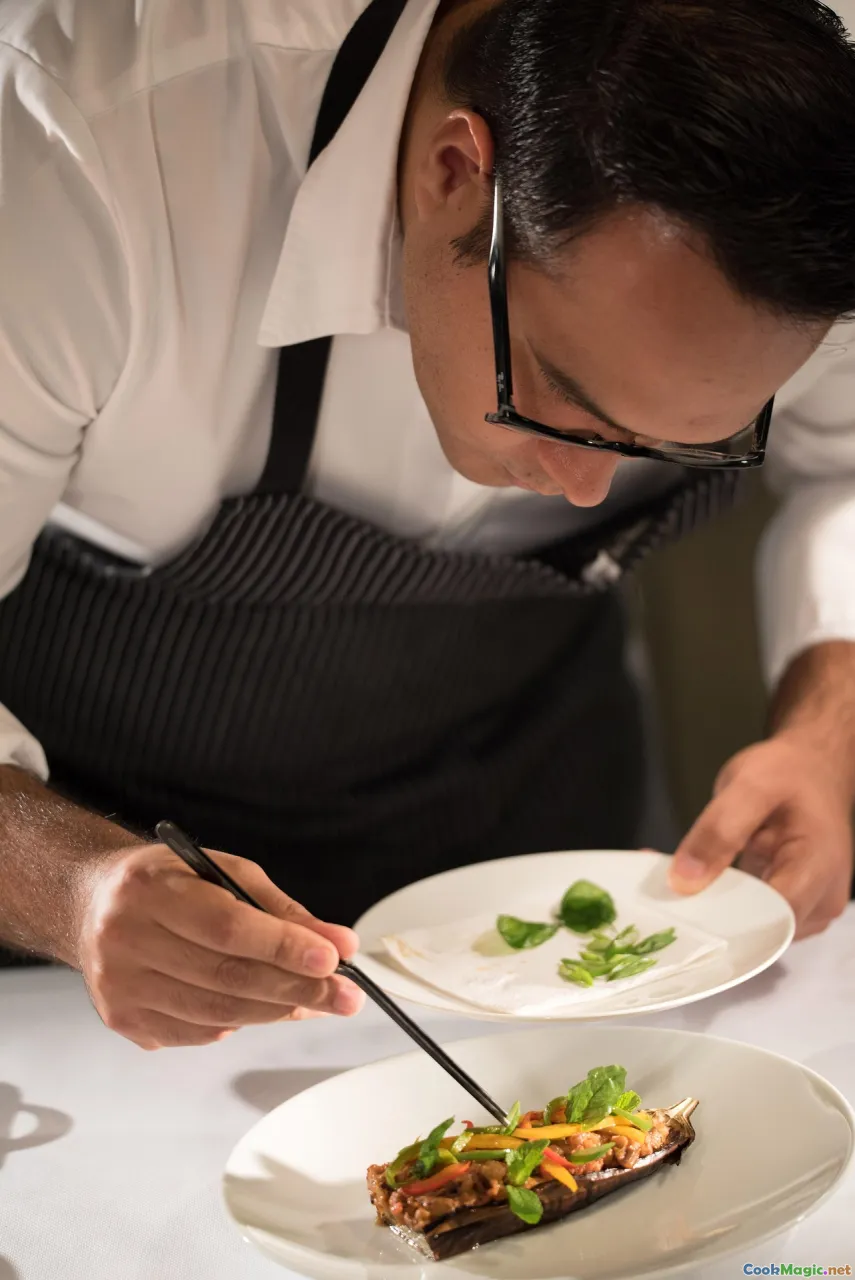
- Blanch-and-char: Blanch amaranth leaves briefly, pat dry, brush with oil, and kiss on a hot plancha. The singe lifts a sugar-cabbage note that plays beautifully with smoked snoek and lemon ash.
- Branqueie e doure: Branqueie rapidamente as folhas de amaranto, seque-as, passe com óleo e toque uma plancha quente. O queimado eleva uma nota doce de repolho que casa lindamente com snoek defumado e cinza de limão.
- Peanut oil infusion: Warm neutral oil with crushed roasted peanuts, coriander seed, and a thread of chili. Strain and dress spider plant just off the heat—green gloss, peanut perfume, a hint of spice.
- Infusão de óleo de amendoim: Aqueça óleo neutro com amendoins torrados esmagados, sementes de coentro e um fio de pimenta. Coe e regue a planta-aranha pouco após o calor — brilho verde, perfume de amendoim, um toque de pimenta.
- Crisp stems, soft leaves: Separate amaranth stems; sauté until barely tender before adding leaves. The textural play reads as thoughtful on the plate.
- Talos crocantes, folhas macias: Separe os talos de amaranto; refogue até ficarem quase macios antes de adicionar as folhas. O jogo de texturas lê-se como uma reflexão no prato.
- Pairings: Greens adore acidity (green mango atchar, fermented chilies), smoke (braaied boerewors, charred mielies), and fermented dairy (a spoon of amasi foam is both witty and sincere).
- Harmonizações: as verduras adoram acidez (achar de manga verde, pimentas fermentadas), fumaça (boerewors grelhado, milho carbonizado) e laticínios fermentados (uma colher de espuma de amasi é ao mesmo tempo espirituosa e sincera).
- Don’t over-reduce: Many imifino become dull if cooked into submission. Aim for a tight glaze that clings, not a swampy stew.
- Não reduza demais: muitos imifino ficam sem brilho se cozidos demais. Busque um glacê firme que adere, não um ensopado pantanoso.
- A composed plate I loved at a pop-up in Braamfontein: stiff white pap cut into neat bricks, seared to form a crust; a tumble of cleome and cowpea leaves dressed in peanut oil, dotted with pickled green guava; anchovy-umngqusho puree; a thimble of tomato gravy. It tasted like a remembered field walking into the city wearing new shoes.
- Um prato composto que amei em um pop-up em Braamfontein: pap branco firme cortado em tijolos, selado para formar uma crosta; uma jogada de Cleome e folhas de caupi temperadas com óleo de amendoim, salpicadas com goiaba verde em conserva; purê de anchova-umngqusho; uma pílula de molho de tomate. Saborou como um campo lembrado ao caminhar pela cidade usando sapatos novos.
Tips From Home Cooks: Avoiding Bitterness, Building Body
- Salt smart: Leafy greens taste more integrated if salted late, after fat has entered the pan. Early salt can toughen the leaf and create a watery purge.
- Salgar com sabedoria: Verduras de folha gostam de serem salgadas no final, depois que a gordura entra na panela. Sal precoce pode endurecer a folha e provocar liberação de água.
- Texture trick: If your greens feel too thin, fold in a spoon of finely ground maize meal during the last minutes; it thickens without masking flavor.
- Truque de textura: se as folhas parecerem muito finas, incorpore uma colher de farinha de milho moída nos últimos minutos; engrossa sem mascarar o sabor.
- Aroma layering: A small amount of garlic is welcome, but don’t let it lead. Onion, green chili, and a warm spice like coriander seed match the greens’ native profile.
- Capas aromáticas: Uma pequena quantidade de alho é bem-vinda, mas não permita que ele guie. Cebola, pimenta verde e uma especiaria quente como sementes de coentro combinam com o perfil nativo das folhas.
- The bicarbonate debate: A pinch helps with fibrous pumpkin leaves, but too much destroys the plant’s speak. If you need more than a pinch, your leaves are too mature—adjust at the picking stage.
- O debate do bicarbonato: uma pitada ajuda com folhas de abóbora fibrosas, mas demais destrói a expressão da planta. Se você precisa de mais que uma pitada, as folhas já estão maduras demais — ajuste na colheita.
- Give it rest: Like curries, imifino dishes often taste deeper after a short rest. Pull off the heat, cover, and give five minutes. The sauce settles, the flavors round.
- Deixe descansar: Como os curries, os pratos de imifino costumam saber mais profundos após um curto descanso. Retire do fogo, cubra e espere cinco minutos. O molho assenta, os sabores ficam arredondados.
Memory, Ceremony, And The Green That Feeds The Crowd
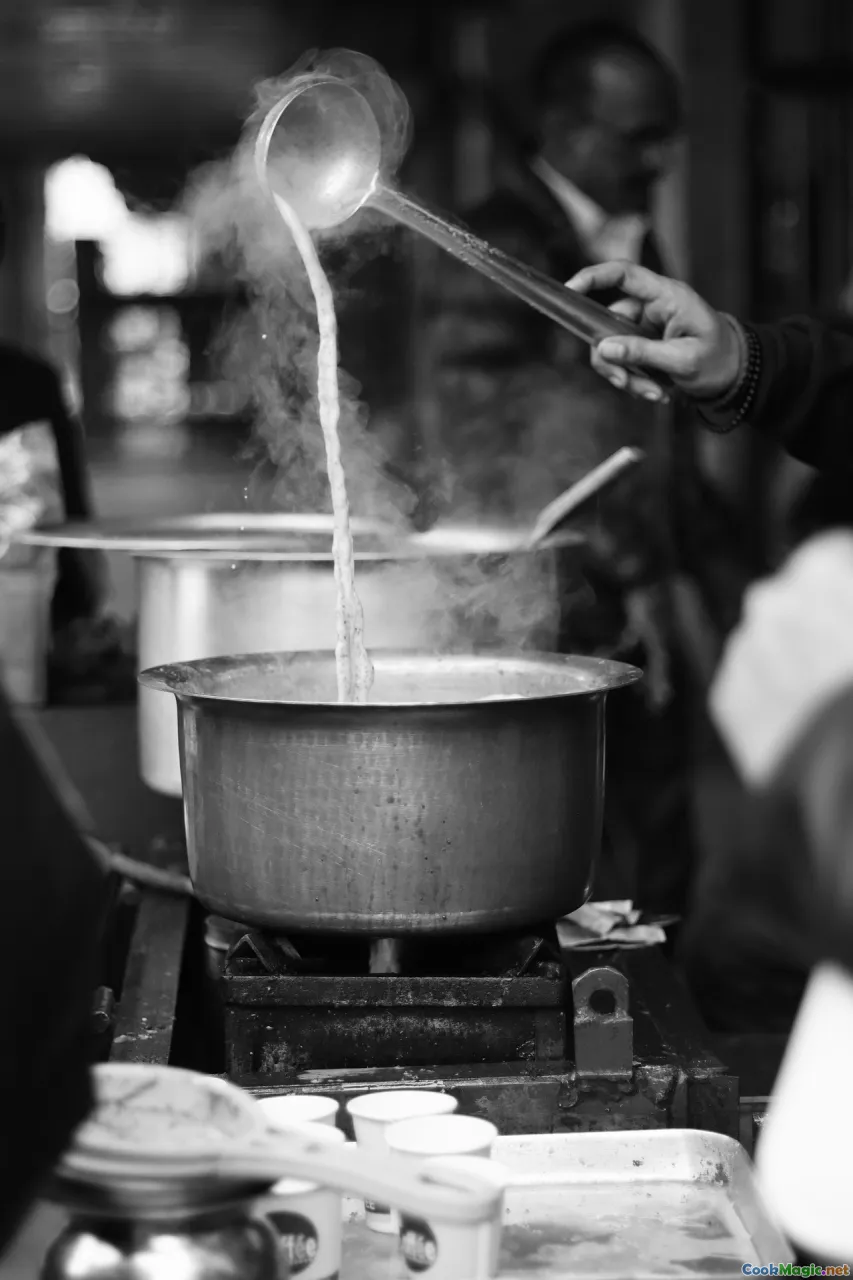
Rural diets are shaped by calendars of need and joy: weddings, funerals, the final kneading of a new rondavel’s floor, the first ploughing. For all these, imifino appears in the big pot. It is the food that makes more food possible—a small ladleful that turns a bowl of pap into a meal people linger over.
As dietas rurais são moldadas por calendários de necessidade e alegria: casamentos, funerais, a última amassagem do piso de um novo rondavel, a primeira lavra. Para tudo isso, o imifino aparece na panela grande. É a comida que torna possível fazer mais comida — uma concha pequena que transforma uma tigela de pap em uma refeição sobre a qual as pessoas se demoram.
At a funeral in Taung last year, I watched a line form beside a pot big enough to bathe a toddler. Inside: cowpea leaves and peanuts cooked until the sauce was the color of khaki clay. The line was social order embodied. Elders first, then mothers, then young men, children last. Each person took a ladle to crown their pap. In the hush that follows the first bite, I felt what cooks tell me across provinces: greens make comfort, not because they pretend to be luxury, but because they insist the table belongs to everyone.
Numa funerária em Taung no ano passado, observei uma fila formarse ao lado de um pote grande o bastante para banhar uma criança. Dentro: folhas de caupi e amendoim cozidos até o molho ter a cor de argila cáqui. A fila era a ordem social encarnada. Anciãos primeiro, depois mães, depois jovens, crianças por último. Cada pessoa pegou uma concha para coroar o pap. No silêncio que se segue à primeira mordida, senti o que os cozinheiros me dizem por essas províncias: folhas trazem conforto, não porque fingem ser luxo, mas porque insistem que a mesa pertença a todos.
Imifino binds the memory of labor to the taste of rest. In homesteads emptied by migration, it keeps the absent present—“Your uncle loved this spider plant, he’d ask for three spoons”—and it keeps the present nourished enough to keep showing up. It is affordable, yes, but that isn’t the whole story. It’s correct.
O imifino liga a memória do trabalho ao sabor do descanso. Em lares esvaziados pela migração, ele mantém o ausente presente — “Seu tio amava esta planta-aranha, pedia três colheres” — e mantém o presente suficientemente nutrido para continuar aparecendo. É acessível, sim, mas isso não é tudo. É correto.
Beyond The Pot: Seeds, Stories, And Self-Reliance
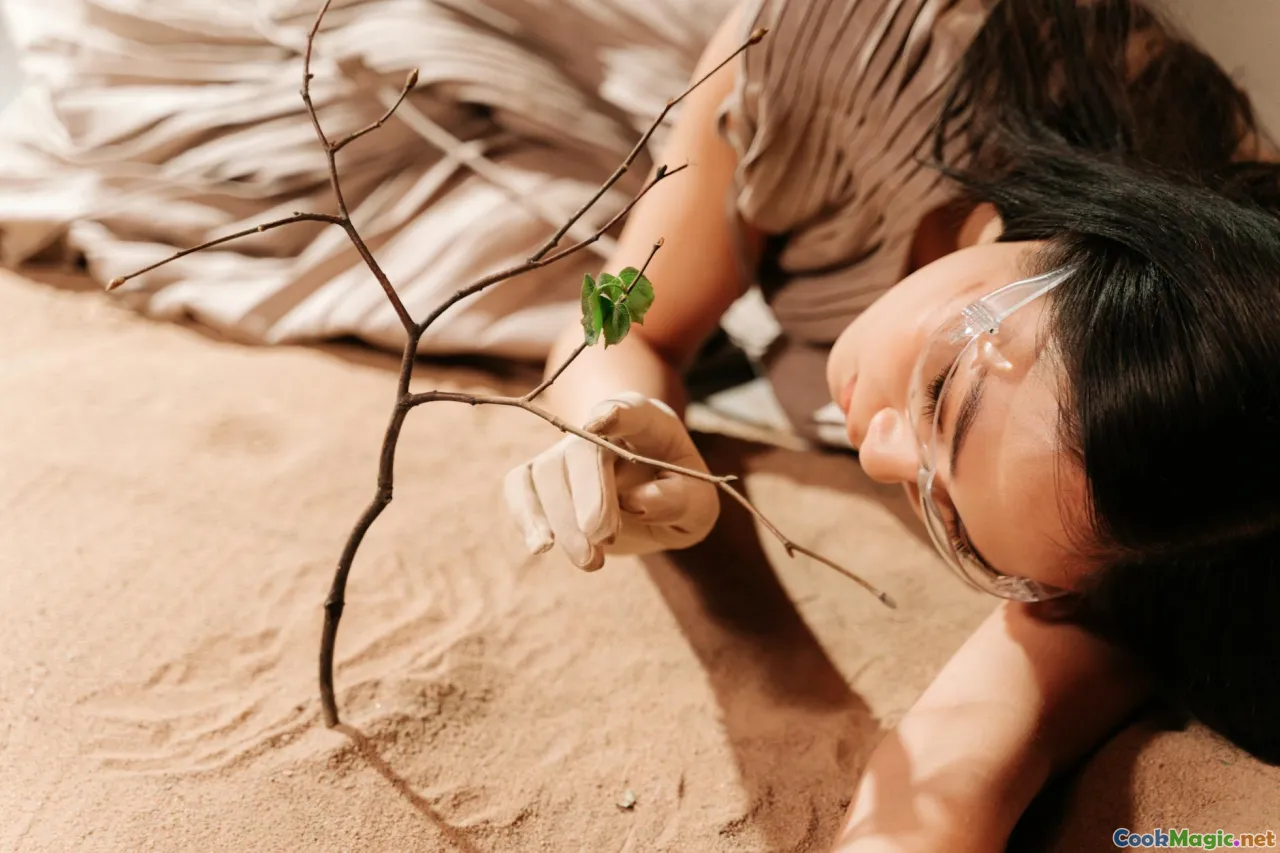
I’ve gathered seed with Aunty Nozuko near Idutywa, who showed me how to rub dried amaranth heads between palms over a wide enamel basin, chaff skittering away in the breeze. “Don’t be greedy,” she said, smiling, tapping her knuckles against mine again like the first lesson. “Leave some for the birds. They teach us when it’s time.” Seed saving is cuisine work. It ensures the next season’s taste. It keeps money in the household, reduces dependency, and respects the delicate economies of rainfall and cash.
Recolhi sementes com a Tia Nozuko perto de Idutywa, que me mostrou como esfregar cabeças secas de amaranto entre as palmas sobre uma grande tigela esmaltada, com o cascalho de espigas voando ao vento. “Não seja ganancioso,” disse, sorrindo, batendo os nós dos dedos contra os meus como na primeira lição. “Deixe algo para os pássaros. Eles nos ensinam quando é hora.” Guardar sementes é trabalho de cozinha. Garante o sabor da próxima estação. Mantém o dinheiro dentro de casa, reduz a dependência e respeita as economias delicadas de chuva e dinheiro.
In Limpopo, a youth gardening club near Thohoyandou sells seedlings of cowpea and cleome outside a Spar on Saturdays, the pants of the boys dusty, faces bright. They’ve learned that taste can be a livelihood. That a tray of greens can translate into school shoes.
Em Limpopo, um clube de jardinagem juvenil perto de Thohoyandou vende mudas de caupi e cleome em frente a um Spar aos sábados, as calças dos garotos empoeiradas, os rostos radiantes. Eles aprenderam que o sabor pode ser uma fonte de renda. Que uma bandeja de verduras pode se traduzir em sapatos para a escola.
Chefs and food writers have a role here: when we tell the story of South African cuisine, we must not relegate imifino to a nostalgic side dish. It is the cuisine. Not only for the poor, not only for January-before-payday, not only for heritage month. It’s a living, evolving practice of turning land into sustenance, quickly, intelligently, deliciously.
Chefs e escritores de gastronomia têm papel aqui: quando contamos a história da culinária sul-africana, não devemos relegar o imifino a um acompanhamento nostálgico. É a culinária. Não apenas para os pobres, não apenas para janeiro antes do dia de pagamento, não apenas para o mês do patrimônio. É uma prática viva e em evolução de transformar a terra em sustento, rapidamente, inteligentemente, deliciosamente.
A Cook’s Comparison: Three Plates, Three Moods
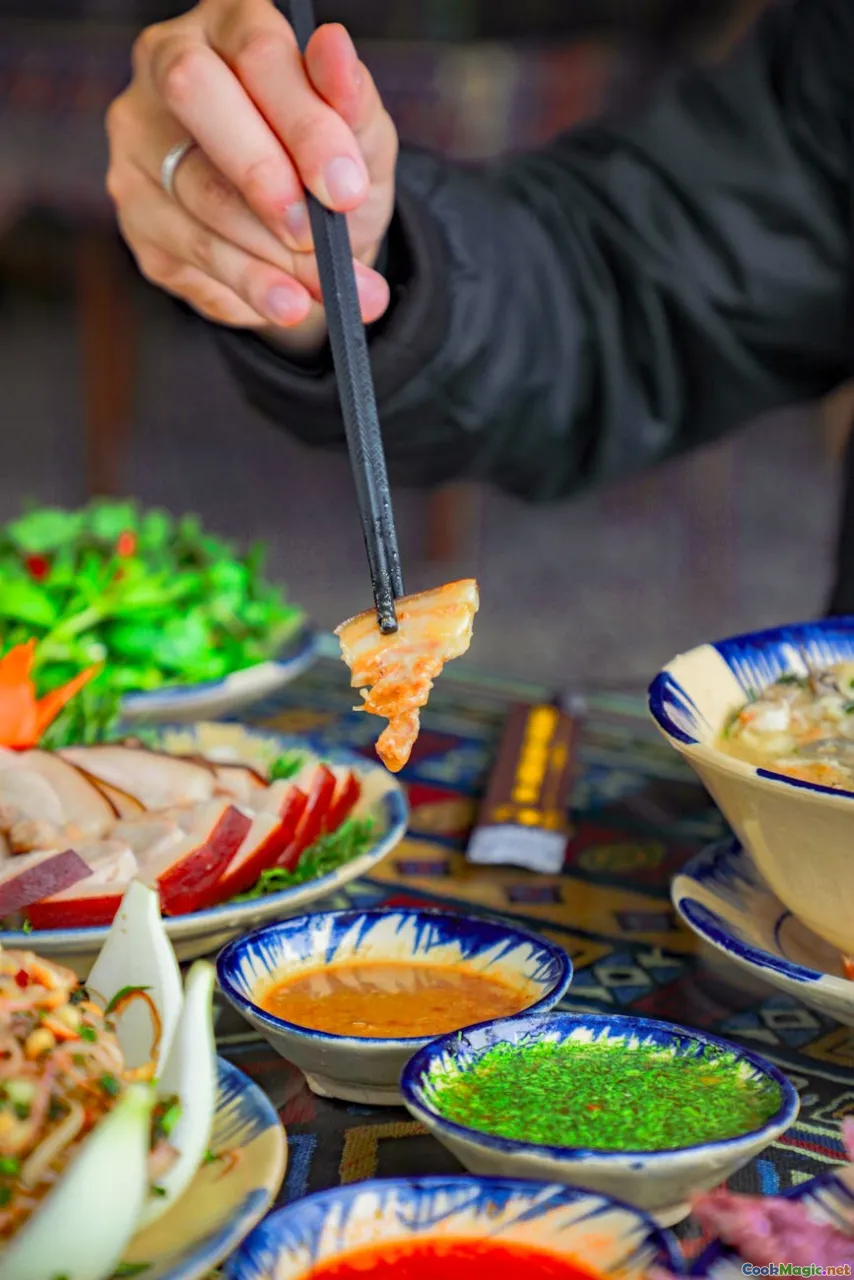
- Breakfast plate in Lusikisiki: Umfino with amasi. Aromas of warm maize and lactic tang. Spoon sinks with a soft sigh. The greens brighten the porridge without fighting it, a foothold for the day’s first tasks.
- Prato de café da manhã em Lusikisiki: Umfino com amasi. Aromas de milho morno e acidez láctica. A colher afunda com um suspiro suave. As folhas iluminam a papa sem lutar com ela, um ponto de apoio para as primeiras tarefas do dia.
- Midday field meal in Giyani: Ting (fermented sorghum) with cleome sautéed in oil, crushed green chilies, and a scatter of roasted peanuts. Sour meets peppery meets roasty; the mouth wakes up. It’s refreshing under a hard sun.
- Refeição de meio-dia no campo de Giyani: Ting (sorgo fermentado) com cleome salteada no óleo, pimentas verdes esmagadas e uma pitada de amendoim torrado. O ácido encontra o picante e o tostado; a boca acorda. É refrescante sob um sol forte.
- Supper in Msinga: Stiff pap with a tomato-and-onion gravy ladled over amaranth, grilled wors on the side. The sausage provides bass notes, but the greens carry the melody—metal-sweet, silk-tongued, deeply local.
- Ceia em Msinga: Pap firme com um molho de tomate e cebola derramado sobre o amarantho, salsichas grelhadas ao lado. A linguiça oferece notas graves, mas as folhas carregam a melodia — metal-dulce, língua de seda, profundamente local.
Each plate is a lesson in balance—acid, fat, heat, and the quiet confidence of green.
Cada prato é uma lição de equilíbrio — acidez, gordura, calor e a voz calma do verde.
For The Cookbook Margin: Small Techniques That Change Everything

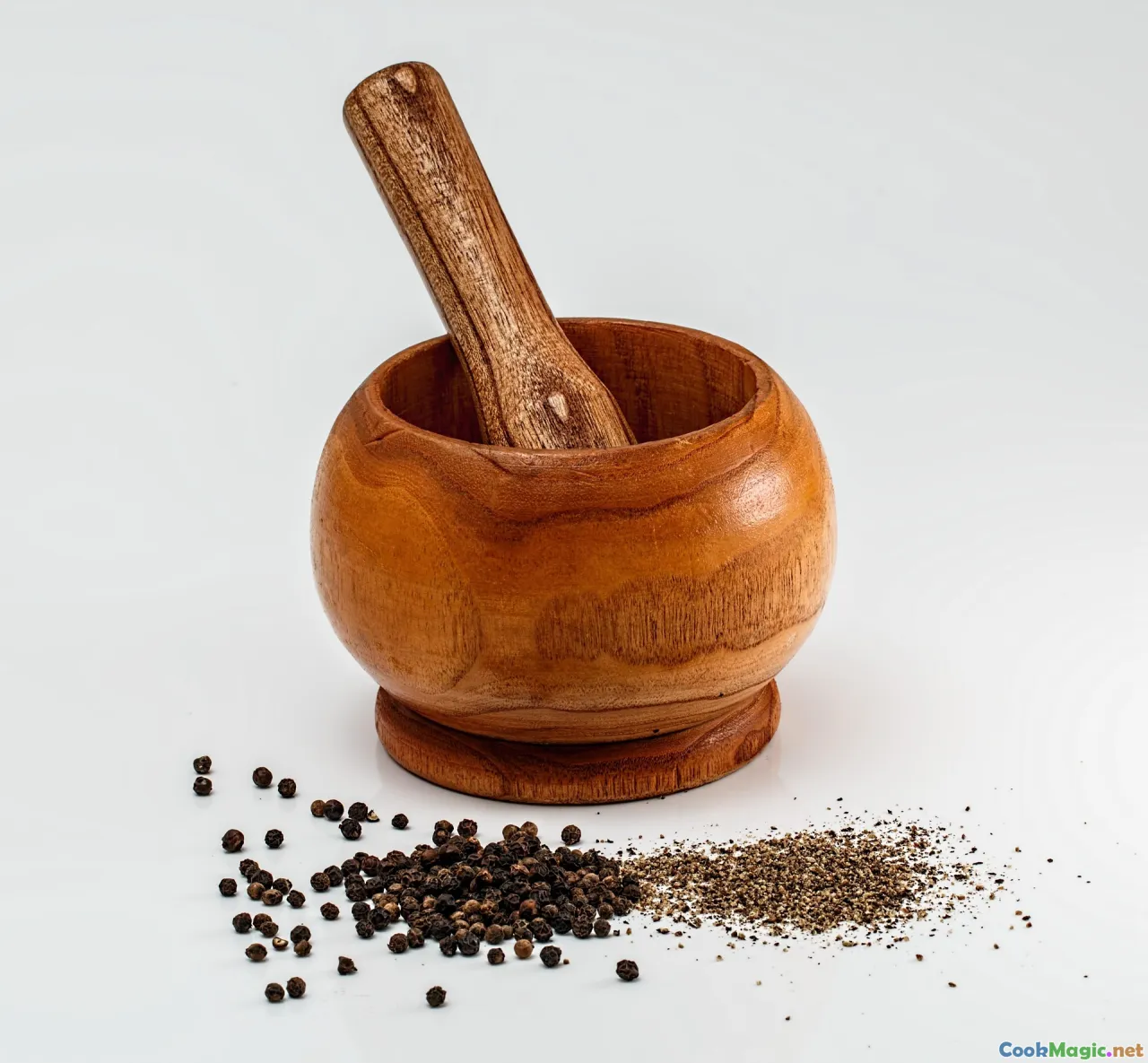
- Chop, then pound: After chopping greens, give them a few firm pounds in a mortar. It bruises fibers and encourages a saucier finish without long cooking.
- Pique, depois amasse: Após picar as folhas, dê algumas pancadas firmes em um almofariz. Isso amassa as fibras e incentiva um resultante mais suculento sem muito cozimento.
- Save stalks for stock: Tough stems lend themselves to a quick vegetable stock for gravies. Waste less, taste more.
- Guarde talos para caldo: Talos duros se transformam rapidamente em um caldo de legumes para molhos. Menos desperdício, mais sabor.
- Warm your salt: A pinch of salt warmed in the pan first (before oil) changes granule behavior; it disperses more evenly, giving you better control later.
- Aqueça o seu sal: Uma pitada de sal aquecida na panela primeiro (antes do óleo) muda o comportamento dos grânulos; ele se dispersa de modo mais uniforme, dando melhor controle depois.
- Onion color control: Cook onions to translucent, not browned, for most imifino. The caramel notes of dark onions overpower the greens’ shy complexities.
- Controle de cor da cebola: Cozinhe as cebolas até ficarem translúcidas, não douradas, para a maioria dos imifino. As notas de caramelo de cebolas escuras ofuscam as complexidades tímidas das folhas.
- Eat with fingers at least once: Greens cupped with pap and pinched between fingers change your perception of texture. Your hand becomes a tasting tool.
- Coma com as mãos pelo menos uma vez: Verduras envoltas com pap e beliscadas entre os dedos mudam a percepção de textura. Sua mão se torna uma ferramenta de degustação.
The Green Thread Through A Nation’s Bowl

Long after that first lesson in Mqanduli, I still hear the snap of tender leaves and smell the sweet woodiness of a three-stone fire when I cook imifino at home. In a stainless-steel pot on an electric hob, I chase the fragrance with the tools I have: a heavy wooden spoon, onion softened until it smiles, a pinch of chili, a spoon of peanut butter, a disciplined hand on the salt. The greens squeak, then hush. The sauce becomes itself.
Muito tempo depois daquela primeira lição em Mqanduli, ainda ouço o estalo das folhas tenras e o cheiro da doçura amadeirada de um fogo de três pedras quando cozinho o imifino em casa. Em uma panela de aço inoxidável sobre o an acr- elétrico, sigo o aroma com as ferramentas que tenho: uma colher de pau pesada, cebola amolecida até sorrir, uma pitada de pimenta, uma colher de manteiga de amendoim, uma mão disciplinada no sal. As folhas estalam, depois ficam quietas. O molho torna-se ele mesmo.
When I plate it beside pap for my family, I think of the women at the taxi ranks, the hands green at the creases. I think of Gogo’s instruction—both an art note and an ethic. Listen. The plant tells you when it wants to be picked. The pot tells you when the sauce is ready. Your guests tell you when the food has done its job, which is not to impress but to welcome.
Quando sirvo ao lado do pap para minha família, penso nas mulheres nos postos de táxi, as mãos verdes nas dobras. Penso na instrução de Gogo — tanto uma nota de arte quanto uma ética. Ouça. A planta diz quando quer ser colhida. A panela diz quando o molho está pronto. Seus convidados dizem quando a comida cumpriu seu papel, que não é impressionar, mas acolher.
Imifino shapes rural South African diets because it shapes daily life: it organizes morning chores, market economies, and the liturgy of the communal table. It makes health from a few coins. It keeps skill alive in the way the knife moves through a stack of leaves, in the way a pestle turns peanuts into oil. Its taste is not elaborate; it is precise. Mineral-sweet, grassy, sometimes bitter in the way that wakes the tongue. Sauced just enough to cling. Fatty where it needs it. Always, always balanced by the humble majesty of pap.
O imifino molda as dietas rurais da África do Sul porque molda a vida diária: organiza as tarefas da manhã, as economias de mercado e a liturgia da mesa comunitária. Transforma poucos reais em saúde. Mantém a habilidade viva na forma como a faca corta um monte de folhas, na forma como o pilão transforma amendoins em óleo. Seu sabor não é elaborado; é preciso. Sabor mineral-amargo, herbáceo, às vezes amargo de modo a despertar a língua. Molhado apenas o suficiente para aderir. Gorduroso onde precisa. Sempre, sempre balanceado pela humilde majestade do pap.
Cook it where you are. Learn the names of the leaves in the language of the hands that harvest them. Buy a bundle from someone whose morning began under the same sun as yours. And when you eat, listen for that soft snap, for the story every green thread is still telling: that sustenance can be simple, communal, and unforgettable, bowl after bowl, season after season.
Cozinhe onde estiver. Aprenda os nomes das folhas na língua das mãos que as colhem. Compre um feixe de alguém cuja manhã começou sob o mesmo sol que o seu. E quando comer, ouça o estalo suave, a história que cada fio verde ainda conta: que o sustento pode ser simples, comunitário e inesquecível, tigela após tigela, estação após estação.