Sukuma Wiki con perca del Nilo a la plancha
(Sukuma Wiki with Seared Nile Perch)
(0 Reseñas)


0
205
noviembre 21, 2025
Informar de un problema
Ingredientes
-
600 grams filés de perca del Nilo, sin piel
(Four fillets, about 150g each; snapper or tilapia works too)
-
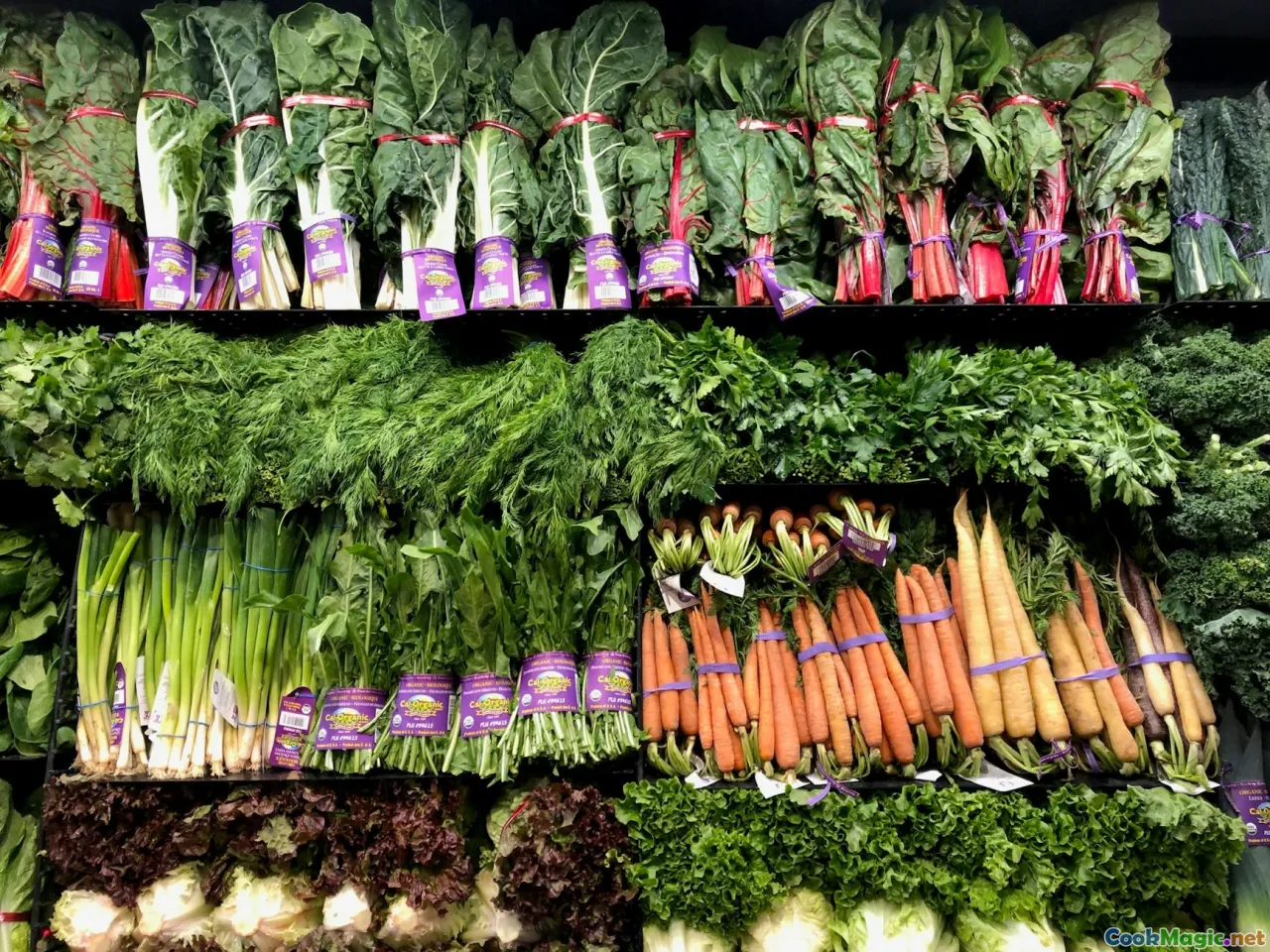
600 grams Col rizada (sukuma wiki), finamente picada
(Spinach or kale can substitute in a pinch)
-
1 medium Cebolla roja, en láminas finas
(Yellow onion works as well)
-
2 medium Tomates picados
(Ripe, juicy tomatoes for a saucy base)
-
3 cloves Ajo (picado)
(Boosts aroma in both fish and greens)
-
1 tbsp Jengibre fresco, rallado
(Adds warmth to the masala base)
-
1 piece Chile verde (serrano), sin semillas y picado
(Adjust heat to taste)
-
1 piece Limón, ralladura y jugo separados
(Zest for marinade; juice for sauce)
-
2 tbsp Cilantro fresco (picado)
(Stems and leaves, divided for greens and garnish)
-
3 tbsp Aceite vegetal, dividido
(Neutral oil such as sunflower or canola)
-
1 tbsp Mantequilla clarificada o sin sal
(For richer fish sear)
-
120 ml Leche de coco light
(Adds silkiness to the sukuma base)
-
1 tsp Cilantro molido
(For citrusy warmth in the marinade)
-
0.5 tsp Pimentón ahumado
(Substitute regular paprika if preferred)
-
1 tsp Polvo de curry suave
(Classic in many Kenyan tomato-onion bases)
-
1.25 tsp Sal
(Divided, adjust to taste)
-
0.5 tsp Pimienta negra, recién molida
(For fish and greens)
-
60 ml Caldo de pescado (o agua)
(Loosens the greens and deglazes pan)
-
2 cups Harina de maíz (para servir con ugali)
(Optional traditional accompaniment; prepare separately)
(Four fillets, about 150g each; snapper or tilapia works too)
(Spinach or kale can substitute in a pinch)
(Yellow onion works as well)
(Ripe, juicy tomatoes for a saucy base)
(Boosts aroma in both fish and greens)
(Adds warmth to the masala base)
(Adjust heat to taste)
(Zest for marinade; juice for sauce)
(Stems and leaves, divided for greens and garnish)
(Neutral oil such as sunflower or canola)
(For richer fish sear)
(Adds silkiness to the sukuma base)
(For citrusy warmth in the marinade)
(Substitute regular paprika if preferred)
(Classic in many Kenyan tomato-onion bases)
(Divided, adjust to taste)
(For fish and greens)
(Loosens the greens and deglazes pan)
(Optional traditional accompaniment; prepare separately)
Nutrición
- Porciones: 4
- Tamaño de porción: 1 plato (350g)
- Calories: 520 kcal
- Carbohydrates: 0 g
- Protein: 40 g
- Fat: 30 g
- Fiber: 6 g
- Sugar: 6 g
- Sodium: 700 mg
- Cholesterol: 95 mg
- Calcium: 180 mg
- Iron: 3.2 mg
Instrucciones
-
1 - Marinate the Fish:
Pat dry Nile perch. In a bowl, combine lemon zest, half the lemon juice, ground coriander, smoked paprika, black pepper, 0.5 tsp salt, and 1 tbsp oil. Coat fillets and rest 10 minutes.
-
2 - Prep the greens:
Wash collards, remove tough stems, and finely shred. Blot dry to minimize splatter during sautéing.
-
3 - Start the sukuma base:
Heat 1.5 tbsp oil in a wide pan over medium. Add sliced onion and a pinch of salt; cook until softened and lightly golden.
-
4 - Build tomato-onion masala:
Stir in garlic, ginger, and green chili; cook 1 minute. Add tomatoes and curry powder; simmer until jammy and reduced, 3–4 minutes.
-
5 - Wilt the Greens:
Add collards in batches, tossing to coat. Season with remaining salt. Splash in half the stock or water, cover, and cook until tender-crisp.
-
6 - Enrich and hold warm:
Stir in coconut milk (if using) and half the chopped cilantro. Adjust seasoning. Reduce heat to low, cover, and keep warm.
-
7 - Sear the Nile perch:
Heat remaining 0.5 tbsp oil and ghee in a skillet over medium-high. Sear fillets 2–3 minutes per side until golden and just opaque (internal 50–55°C).
-
8 - Make quick pan sauce:
Remove fish. Deglaze the pan with remaining lemon juice and a splash of stock. Swirl to emulsify, scraping browned bits.
-
9 - Plate the dish:
Mound sukuma wiki on plates. Top with seared perch. Spoon over pan sauce and scatter remaining cilantro.
-
10 - Serve and accompany:
Serve immediately with ugali or chapati on the side, plus lemon wedges for extra brightness.
Pat dry Nile perch. In a bowl, combine lemon zest, half the lemon juice, ground coriander, smoked paprika, black pepper, 0.5 tsp salt, and 1 tbsp oil. Coat fillets and rest 10 minutes.
Wash collards, remove tough stems, and finely shred. Blot dry to minimize splatter during sautéing.
Heat 1.5 tbsp oil in a wide pan over medium. Add sliced onion and a pinch of salt; cook until softened and lightly golden.
Stir in garlic, ginger, and green chili; cook 1 minute. Add tomatoes and curry powder; simmer until jammy and reduced, 3–4 minutes.
Add collards in batches, tossing to coat. Season with remaining salt. Splash in half the stock or water, cover, and cook until tender-crisp.
Stir in coconut milk (if using) and half the chopped cilantro. Adjust seasoning. Reduce heat to low, cover, and keep warm.
Heat remaining 0.5 tbsp oil and ghee in a skillet over medium-high. Sear fillets 2–3 minutes per side until golden and just opaque (internal 50–55°C).
Remove fish. Deglaze the pan with remaining lemon juice and a splash of stock. Swirl to emulsify, scraping browned bits.
Mound sukuma wiki on plates. Top with seared perch. Spoon over pan sauce and scatter remaining cilantro.
Serve immediately with ugali or chapati on the side, plus lemon wedges for extra brightness.
Más información sobre: Sukuma Wiki con perca del Nilo a la plancha
Overview
Sukuma wiki with Nile perch marries a beloved East African staple of sautéed greens with a delicate, lake-caught fish prized for its buttery flakes. Sukuma wiki—literally “to stretch the week” in Swahili—refers both to collard greens and to the tradition of making a little go a long way. This recipe honors that spirit while elevating it for a modern table: garlicky tomato-onion masala finishes the greens, and the fish is quickly pan-seared, then brightened with a lemony pan sauce. The optional splash of coconut milk adds silkiness without overwhelming the vegetable-forward character.
Ingredient Spotlight
- Sukuma wiki (collard greens): Finely shredding is key. Thin ribbons cook quickly and retain a vibrant green color and pleasant bite. If collards aren’t available, kale or a mix of kale and spinach works well.
- Nile perch: A mild, tender white fish popular around Lake Victoria. Its higher fat content compared to tilapia gives it a luxurious texture. If you can’t source Nile perch, try snapper, cod, or tilapia.
- Tomato-onion masala: A quick, jammy base of onions, tomatoes, garlic, and ginger brings Kenyan home-cooking vibes to the plate. A pinch of mild curry powder ties the flavors together without stealing the show.
- Lemon and coriander: Zest in the marinade perfumes the fish; the juice brightens the pan sauce and balances the slight bitterness of collards.
- Coconut milk (optional): A nod to coastal Kenyan influences. It rounds out the greens and makes the dish feel restaurant-level without extra effort.
Technique Tips
- Shred thinner than you think: Roll collard leaves into tight cigars and slice into 2–3 mm ribbons. Tender greens wilt evenly and absorb masala flavors.
- Season in layers: Salt the onions early to draw moisture, then taste again after adding tomatoes and greens. Collards can handle more seasoning than you expect.
- Sear with confidence: Pat the fish dry before marinating and again before searing to prevent steaming. A mix of oil and a little ghee yields golden edges and nutty aroma.
- Don’t overcook the fish: Aim for just opaque flakes and an internal temperature around 50–55°C (122–131°F). The residual heat will finish the job.
- Use deglazing magic: A splash of stock and lemon juice lifts the browned bits from the pan—free flavor for your sauce.
Serving and Pairings
Traditionally, sukuma wiki cozies up to ugali, a firm maize porridge that’s perfect for scooping. Chapati or steamed rice make excellent alternatives. For a drink, consider chilled passionfruit juice, a crisp lager, or a zesty sauvignon blanc. Garnish with extra cilantro and lemon wedges so everyone can customize brightness.
History and Cultural Significance
Sukuma wiki embodies Kenyan ingenuity and thrift: with reliable greens, a household can “push” the weekly meal plan further. While many versions are strictly vegetarian, fish enters the picture along lakes and coasts. Nile perch, abundant in Lake Victoria, is cherished for its gentle flavor and ability to shine with simple seasonings. Bringing these together reflects the dynamic table of modern Kenya, where regional traditions intermingle—coastal coconut notes, inland maize staples, and market-fresh greens.
Substitutions and Variations
- Fish: Swap with tilapia for a leaner profile or with snapper for firmer flakes. For a vegetarian plate, replace fish with pan-seared halloumi or roasted chickpeas.
- Greens: Kale or Swiss chard behave similarly. Spinach cooks faster; add it at the very end.
- Heat level: Use bird’s-eye chili for fiery results or omit chili for a family-friendly version.
- Dairy-free richness: If skipping ghee, use all oil; the coconut milk keeps the mouthfeel lush.
- Tomato-forward: Add an extra tomato and simmer longer for a saucier base, especially if serving with rice.
Make-Ahead and Storage
- Greens: The sukuma base keeps well for up to 3 days refrigerated. Rewarm gently; add a splash of water to revive.
- Fish: Sear to order for best texture. If you must reheat, do so briefly in a warm oven and refresh with extra lemon.
- Freezing: The greens freeze decently (especially without coconut milk). The fish is best cooked from fresh or properly thawed fillets.
Chef’s Notes
The secret to a compelling plate is contrast: jammy, savory greens against bright, citrus-kissed fish. Keep the collards vibrant by avoiding an aggressive simmer; aim for tender-crisp. Meanwhile, treat the fish like a steak—hot pan, dry surface, minimal flipping. Finally, don’t skip the quick pan sauce; in less than a minute, you concentrate the essence of the sear and tie the elements together. Whether you pair it with ugali to honor tradition or with crusty bread for a global twist, this dish delivers comfort, nutrition, and a vivid snapshot of Kenyan culinary identity.