Curry de ortiga nepalesa para arroz al vapor
(Nepali Nettle Curry for Steamed Rice)
(0 Reseñas)


0
137
diciembre 12, 2025
Informar de un problema
Ingredientes
-
150 grams Hojas de ortiga fresca (sisnu)
(Wear gloves; use tender tops if possible)
-
300 grams Patatas peladas en cubos de 2 cm
(Waxy potatoes hold shape best)
-
1 medium Cebolla, finamente picada
(Red onion traditional, yellow works too)
-
2 medium Tomates, picados
(Ripe and juicy for body)
-
4 cloves Ajo (picado)
(Freshly minced for best aroma)
-
1 tbsp Jengibre (rallado)
(Adds warmth and freshness)
-
1 piece Chile verde, cortado a lo largo
(Ajustar a la preferencia de temperatura)
-
2 tbsp Aceite de mostaza
(Authentic Nepali flavor; heat to smoking then cool slightly)
-
1 tbsp Mantequilla clarificada (Ghee)
(Optional finishing richness)
-
1 tsp Semillas de comino
(For nutty base aroma)
-
0.5 tsp Semillas de fenogreco (methi)
(Temper until just dark; adds bittersweet depth)
-
0.5 tsp Pó de Cúrcuma
(Color and earthiness)
-
1 tsp Polvo de cilantro
(Citrusy backbone)
-
1 tsp Jimbu (hierba del Himalaya), triturado
(Traditional; substitute fried chives or garlic chives)
-
0.5 tsp Timur (pimienta de Sichuan), ligeramente machacada
(Nepali Zanthoxylum; substitute Sichuan peppercorns)
-
1.25 tsp Sal
(Al gusto)
-
500 ml agua o caldo de verduras ligero
(Adjust for desired gravy thickness)
-
1 tbsp Jugo de limón
(Brightens and balances greens)
-
4 portions Arroz al vapor, para servir
(Traditional pairing; not cooked in the curry)
(Wear gloves; use tender tops if possible)
(Waxy potatoes hold shape best)
(Red onion traditional, yellow works too)
(Ripe and juicy for body)
(Freshly minced for best aroma)
(Adds warmth and freshness)
(Ajustar a la preferencia de temperatura)
(Authentic Nepali flavor; heat to smoking then cool slightly)
(Optional finishing richness)
(For nutty base aroma)
(Temper until just dark; adds bittersweet depth)
(Color and earthiness)
(Citrusy backbone)
(Traditional; substitute fried chives or garlic chives)
(Nepali Zanthoxylum; substitute Sichuan peppercorns)
(Al gusto)
(Adjust for desired gravy thickness)
(Brightens and balances greens)
(Traditional pairing; not cooked in the curry)
Nutrición
- Porciones: 4
- Tamaño de porción: 1 tazón (250g)
- Calories: 780 kcal
- Carbohydrates: 110 g
- Protein: 14 g
- Fat: 28 g
- Fiber: 16 g
- Sugar: 12 g
- Sodium: 1600 mg
- Cholesterol: 30 mg
- Calcium: 350 mg
- Iron: 7 mg
Instrucciones
-
1 - Prepare the nettles safely:
Wear gloves. Rinse nettle leaves thoroughly in cold water to remove grit and insects. Discard any thick, woody stems and keep tender tops and leaves.
-
2 - Blanch and chop nettles:
Boil a pot of water. Blanch nettles for 60–90 seconds until just wilted, then transfer to ice water. Squeeze dry, then chop coarsely. Set aside.
-
3 - Heat oil and temper spices:
Heat mustard oil in a heavy pot until it just begins to smoke, then reduce heat. Add fenugreek and cumin; let crackle. If using jimbu, add and fry briefly until aromatic.
-
4 - Build the aromatic base:
Add onion with a pinch of salt. Cook until translucent and lightly golden. Stir in garlic and ginger; cook 30–45 seconds until fragrant. Add green chili if using.
-
5 - Spice and potatoes:
Stir in turmeric and coriander. Add the potato cubes and toss to coat in spices and oil for 1–2 minutes to sear lightly.
-
6 - Tomatoes and simmer:
Add chopped tomatoes; cook until they soften and release juices. Pour in water or stock, scrape the bottom, and bring to a gentle boil.
-
7 - Cook potatoes until tender:
Simmer partially covered until potatoes are just tender. Lightly mash a few cubes against the side of the pot to thicken the gravy.
-
8 - Add nettles and finish:
Stir in chopped blanched nettles and salt. Simmer 3–4 minutes to meld flavors without dulling the green color.
-
9 - Timur-ghee flourish:
If using, warm ghee and bloom the crushed timur in it for 20 seconds. Swirl this over the curry. Add lemon juice to brighten.
-
10 - Rest and Serve:
Turn off heat and rest 2 minutes. Adjust seasoning. Serve hot with steamed rice; garnish with extra fried jimbu or a drizzle of mustard oil if desired.
Wear gloves. Rinse nettle leaves thoroughly in cold water to remove grit and insects. Discard any thick, woody stems and keep tender tops and leaves.
Boil a pot of water. Blanch nettles for 60–90 seconds until just wilted, then transfer to ice water. Squeeze dry, then chop coarsely. Set aside.
Heat mustard oil in a heavy pot until it just begins to smoke, then reduce heat. Add fenugreek and cumin; let crackle. If using jimbu, add and fry briefly until aromatic.
Add onion with a pinch of salt. Cook until translucent and lightly golden. Stir in garlic and ginger; cook 30–45 seconds until fragrant. Add green chili if using.
Stir in turmeric and coriander. Add the potato cubes and toss to coat in spices and oil for 1–2 minutes to sear lightly.
Add chopped tomatoes; cook until they soften and release juices. Pour in water or stock, scrape the bottom, and bring to a gentle boil.
Simmer partially covered until potatoes are just tender. Lightly mash a few cubes against the side of the pot to thicken the gravy.
Stir in chopped blanched nettles and salt. Simmer 3–4 minutes to meld flavors without dulling the green color.
If using, warm ghee and bloom the crushed timur in it for 20 seconds. Swirl this over the curry. Add lemon juice to brighten.
Turn off heat and rest 2 minutes. Adjust seasoning. Serve hot with steamed rice; garnish with extra fried jimbu or a drizzle of mustard oil if desired.
Más información sobre: Curry de ortiga nepalesa para arroz al vapor
Overview
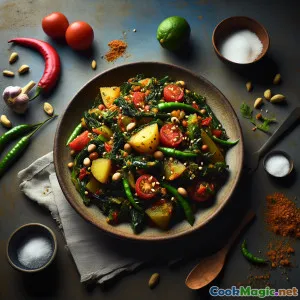
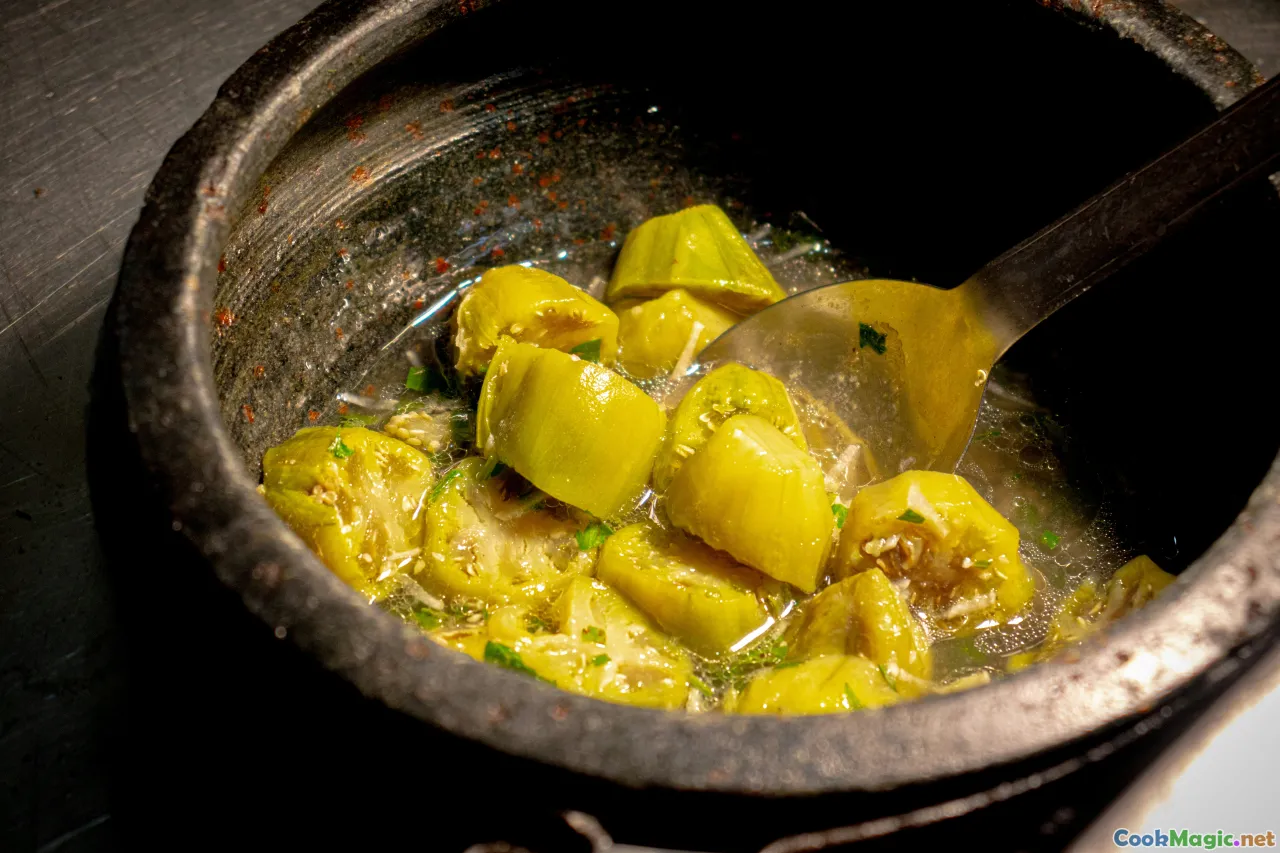
Sisnu Ra Bhatko Tarkari translates to “nettle curry for rice,” a humble yet strikingly aromatic Nepali preparation designed to sit beside bhat (steamed rice) as part of a comforting everyday meal. Sisnu—wild stinging nettles—are gathered in the hills and midlands of Nepal in springtime when their tops are tender, mineral-rich, and deeply nourishing. Blanched to tame their sting and then simmered with potatoes, tomatoes, and a mustard-oil tempering, this curry captures the bright, rustic essence of Himalayan home cooking.
The character of this dish comes from three small yet mighty touches: mustard oil (which contributes a peppery, nutty heat), jimbu (a local allium herb that tastes like a cross between chives and toasted garlic), and timur (Nepal’s native Zanthoxylum, related to Sichuan pepper). Together, they infuse the greens and potatoes with a distinctive fragrance that is at once warming and refreshing. Even without the optional spices, the core profile—nettles, a hint of fenugreek, cumin, and turmeric—delivers a beautifully balanced curry that’s both earthy and lively.
History and Cultural Significance
In many Nepali households, especially in rural communities, sisnu is more than an ingredient—it’s a seasonal marker and a symbol of resourcefulness. Families venture out to gather nettles at the first sign of spring; elders teach younger generations how to identify tender shoots and handle them safely. Nettles may be turned into soups, saag (sautéed greens), or curries like this one. The phrase “bhatko tarkari” simply signals a curry made to accompany rice, the heart of the traditional dal-bhat set. A typical plate might include steamed rice, lentil soup (dal), a vegetable curry, a green or achaar (pickle), and perhaps a yogurt or fermented vegetable such as gundruk.
Mustard oil has long been favored in Nepal for its robust taste and purported health benefits, and a quick temper (tadka) of fenugreek and cumin is a hallmark of many home-style curries. Jimbu—harvested and sun-dried in the high Himalaya—adds a toasted, oniony perfume when briefly fried. Timur contributes a citrusy, tingling top note that lifts hearty ingredients like potatoes and greens.
Technique Notes and Tips
- Handling nettles: Always wear gloves while rinsing and trimming. Blanching neutralizes the sting; shocking in ice water preserves color. Squeeze thoroughly to avoid watering down the curry.
- Texture balance: Lightly mashing a few potato cubes thickens the gravy naturally. Keep most pieces intact for contrast against the silky nettles.
- Mustard oil: Heat it to the cusp of smoking, then lower the heat before adding spices; this mellows its sharpness while retaining character.
- Spice restraint: Fenugreek should darken only slightly—overbrowning turns it bitter. Add turmeric to the oil for better bloom and even color.
- Optional aromatics: If you can’t find jimbu, fry a pinch of dried chives or finely sliced green garlic. For timur, use Sichuan peppercorns, lightly crushed.
- Greens swap: Can’t source nettles? Use spinach, mustard greens, or a mix of kale and spinach. Blanch heartier greens briefly to keep their hue and remove harshness.
- Brightness: A dash of lemon at the end keeps the curry vibrant; add off-heat to protect the delicate green color.
Serving Suggestions
- Serve with steamed rice as intended, plus a ladle of simple moong or masoor dal.
- Add crunchy elements: radish or cucumber achar to contrast the soft textures.
- For a more rustic spread, pair with dhido (buckwheat or millet porridge) and a spoon of ghee.
Make-Ahead, Storage, and Freezing
- Make-ahead: Blanch and chop nettles up to 2 days in advance; refrigerate wrapped in a paper towel in an airtight container.
- Storage: The cooked curry keeps 3 days refrigerated. Reheat gently, adding a splash of water to loosen.
- Freezing: Freeze in portions up to 2 months. The nettles hold well; potatoes soften slightly but remain enjoyable.
Nutrition and Wellness
Nettles are celebrated for iron, calcium, and chlorophyll; the dish is also rich in fiber thanks to potatoes and greens. Mustard oil and ghee add satisfying richness in small amounts. If you’re sensitive to oxalates, blanching nettles thoroughly and discarding the water is beneficial.
Why This Recipe Works
- Blanch-first method eliminates sting and captures color.
- Potato mash technique thickens without flour, keeping the dish naturally gluten-free.
- The jimbu-timur flourish gives an unmistakable Nepali signature while remaining optional for accessibility.
Personal Notes
This curry is a study in balance: gentle heat, grounding potatoes, and the green vitality of nettles, all tethered by the soulful aroma of mustard oil. It is uncomplicated yet deeply expressive—exactly the kind of dish that turns a simple bowl of rice into a meal that feels both nourishing and celebratory.