Pato asado glaseado con ron y especias cítricas
(Rum-Glazed Roast Duck with Citrus Spice)
(0 Reseñas)

0
176
diciembre 04, 2025
Informar de un problema
Ingredientes
-
2.2 kg Pato entero
(Giblets removed; patted very dry; room temp 30 minutes)
-
120 ml Ron Oscuro
(Jamaican or other full-bodied rum)
-
80 grams Azúcar moreno
(Dark muscovado preferred for deeper flavor)
-
120 ml Jugo de naranja
(Exprimido fresco)
-
30 ml Jugo de lima
(Exprimido fresco)
-
2 tbsp Salsa de soja
(bajo contenido de sodio)
-
1 tbsp Vinagre de sidra de manzana
(Equilibra la dulzura)
-
1 tbsp Miel
(Adds shine to the glaze)
-
1 tsp Melaza
(Optional for deeper color and bittersweet edge)
-
15 grams Jengibre fresco
(Rallado finamente)
-
4 cloves Ajo
(Picado)
-
1 tsp Pimienta de Jamaica molida
(Jamaican pimento)
-
0.5 tsp Canela molida
(Warm spice support)
-
2 pods Anís estrellado
(Subtle anise aroma)
-
4 sprigs Tomillo Fresco
(Más extra para decorar)
-
1 tbsp Ralladura de naranja
(Rallado finamente)
-
2 tsp Sal kosher
(Divided; adjust to taste)
-
1 tsp Pimienta negra
(Recién abierto)
-
120 ml Agua
(For pan and glaze adjustment)
-
1 tsp Almidón de maíz
(Mix with 1 tbsp cold water for slurry if needed)
-
0.5 Pepper Chile Scotch bonnet
(Minced; seeds removed for less heat)
-
1 tbsp Mantequilla sin sal
(Finish the glaze with gloss)
-
2 stalks Cebollitas
(En rodajas finas, para decorar)
-
1 Orange Segmentos de naranja
(For serving and freshness)
(Giblets removed; patted very dry; room temp 30 minutes)
(Jamaican or other full-bodied rum)
(Dark muscovado preferred for deeper flavor)
(Exprimido fresco)
(Exprimido fresco)
(bajo contenido de sodio)
(Equilibra la dulzura)
(Adds shine to the glaze)
(Optional for deeper color and bittersweet edge)
(Rallado finamente)
(Picado)
(Jamaican pimento)
(Warm spice support)
(Subtle anise aroma)
(Más extra para decorar)
(Rallado finamente)
(Divided; adjust to taste)
(Recién abierto)
(For pan and glaze adjustment)
(Mix with 1 tbsp cold water for slurry if needed)
(Minced; seeds removed for less heat)
(Finish the glaze with gloss)
(En rodajas finas, para decorar)
(For serving and freshness)
Nutrición
- Porciones: 4
- Tamaño de porción: 1/4 duck with glaze (300g)
- Calories: 820 kcal
- Carbohydrates: 0 g
- Protein: 48 g
- Fat: 53 g
- Fiber: 1 g
- Sugar: 24 g
- Sodium: 980 mg
- Cholesterol: 220 mg
- Calcium: 60 mg
- Iron: 5 mg
Instrucciones
-
1 - Prep and dry the duck:
Remove giblets and pat the duck completely dry with paper towels. Trim excess neck and cavity fat. With a sharp knife, lightly score the skin in a diagonal crosshatch without piercing the meat.
-
2 - Air-dry the skin:
Set the duck on a rack over a tray. Sprinkle 1 tsp salt over the skin. Refrigerate uncovered 15 minutes to begin drying for better crispness.
-
3 - Make rum-citrus glaze base:
In a small saucepan combine rum, brown sugar, orange juice, lime juice, soy sauce, vinegar, honey, molasses (if using), ginger, garlic, allspice, cinnamon, star anise, thyme, orange zest, black pepper, and remaining 1 tsp salt. Simmer 6–8 minutes until syrupy; remove star anise and thyme sprigs.
-
4 - Preheat and set up roasting:
Preheat oven to 220°C/425°F. Place a rack in a roasting pan with 120 ml water in the bottom to catch drips. Position duck breast-side up on the rack.
-
5 - Initial high-heat render:
Roast 15 minutes to start rendering fat and setting the skin. Carefully spoon off accumulated fat from the pan; reserve for cooking later.
-
6 - First baste with glaze:
Reduce oven to 180°C/350°F. Brush the duck with a thin layer of the rum glaze. Return to oven.
-
7 - Roast, turn, and baste:
Continue roasting 50 minutes, turning the pan halfway through and brushing with glaze every 15 minutes. Spoon off excess fat as needed; keep a shallow layer of water in pan to prevent scorching.
-
8 - Final lacquer and crisp:
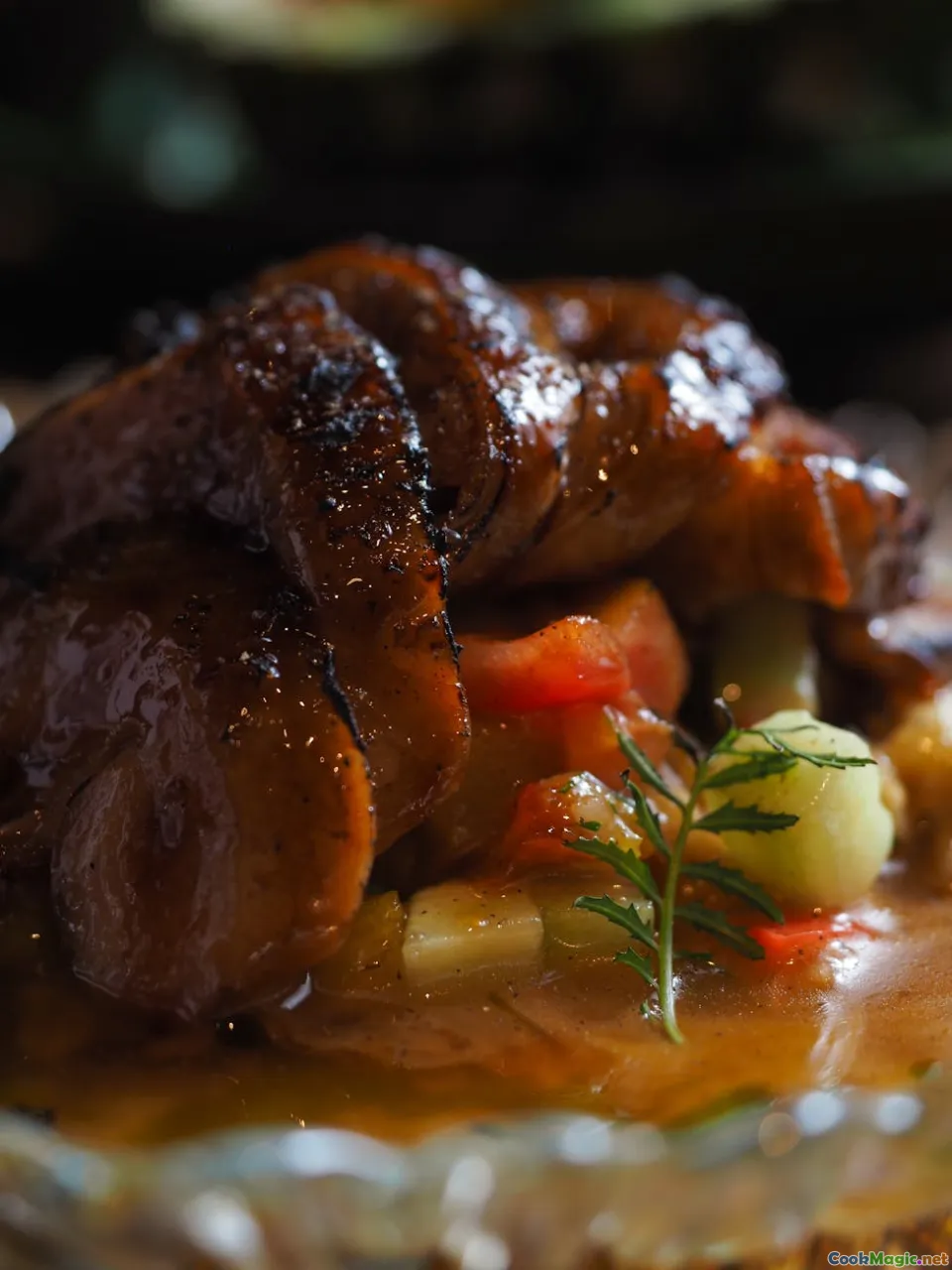
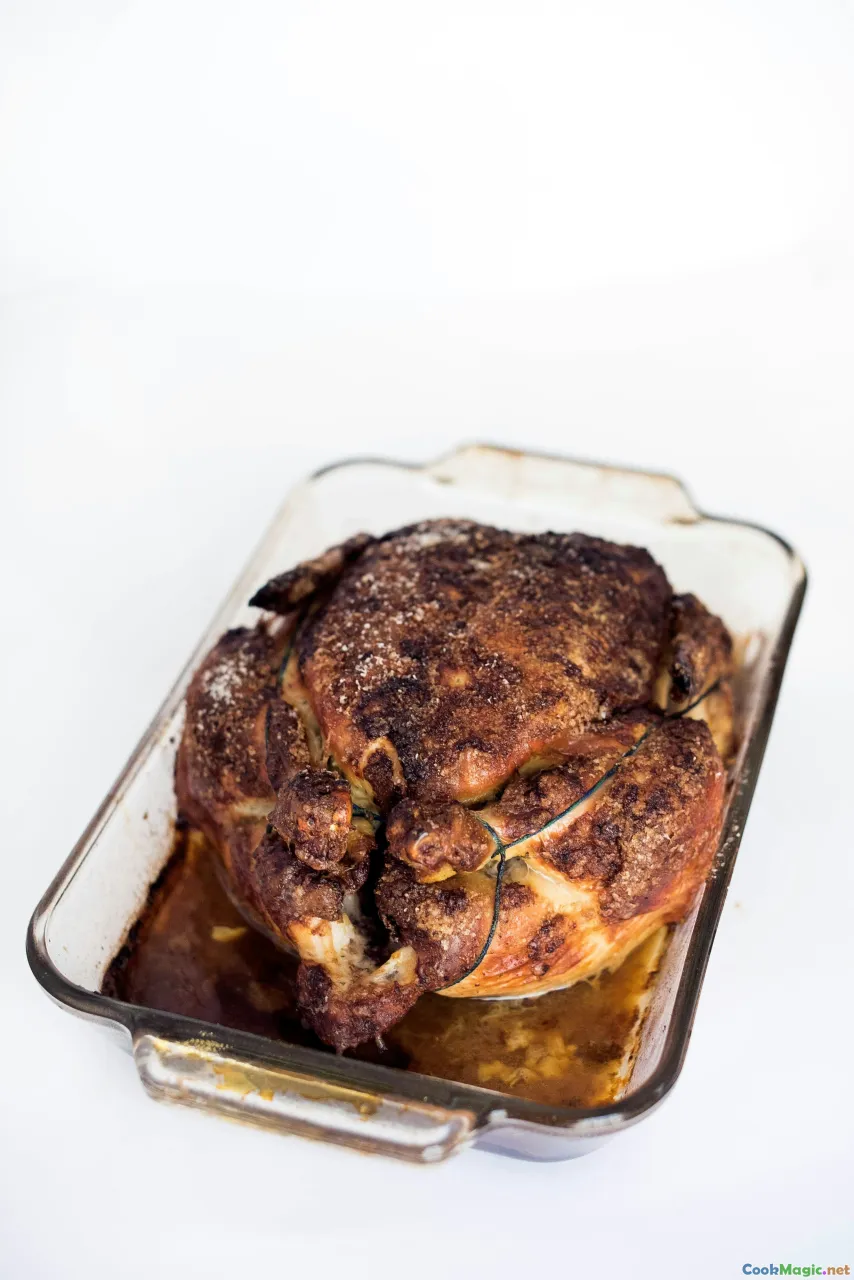
Brush a final generous coat of glaze and roast 6–8 minutes more until deeply mahogany, glossy, and internal temperature reaches 74°C/165°F at the thigh joint.
-
9 - Rest and finish glaze:
Transfer duck to a board and rest 10–12 minutes. Meanwhile, pour pan juices into the glaze saucepan. If thin, simmer to reduce; if needed, whisk in cornstarch slurry and cook until just thick and shiny. Whisk in butter for gloss.
-
10 - Carve and Serve:
Carve breasts and legs. Spoon warm rum glaze over pieces, garnish with scallions, thyme, and orange segments. Serve immediately.
Remove giblets and pat the duck completely dry with paper towels. Trim excess neck and cavity fat. With a sharp knife, lightly score the skin in a diagonal crosshatch without piercing the meat.
Set the duck on a rack over a tray. Sprinkle 1 tsp salt over the skin. Refrigerate uncovered 15 minutes to begin drying for better crispness.
In a small saucepan combine rum, brown sugar, orange juice, lime juice, soy sauce, vinegar, honey, molasses (if using), ginger, garlic, allspice, cinnamon, star anise, thyme, orange zest, black pepper, and remaining 1 tsp salt. Simmer 6–8 minutes until syrupy; remove star anise and thyme sprigs.
Preheat oven to 220°C/425°F. Place a rack in a roasting pan with 120 ml water in the bottom to catch drips. Position duck breast-side up on the rack.
Roast 15 minutes to start rendering fat and setting the skin. Carefully spoon off accumulated fat from the pan; reserve for cooking later.
Reduce oven to 180°C/350°F. Brush the duck with a thin layer of the rum glaze. Return to oven.
Continue roasting 50 minutes, turning the pan halfway through and brushing with glaze every 15 minutes. Spoon off excess fat as needed; keep a shallow layer of water in pan to prevent scorching.
Brush a final generous coat of glaze and roast 6–8 minutes more until deeply mahogany, glossy, and internal temperature reaches 74°C/165°F at the thigh joint.
Transfer duck to a board and rest 10–12 minutes. Meanwhile, pour pan juices into the glaze saucepan. If thin, simmer to reduce; if needed, whisk in cornstarch slurry and cook until just thick and shiny. Whisk in butter for gloss.
Carve breasts and legs. Spoon warm rum glaze over pieces, garnish with scallions, thyme, and orange segments. Serve immediately.
Más información sobre: Pato asado glaseado con ron y especias cítricas
Rum Glazed Roast Duck: Island Lacquer, Classic Technique
This Rum Glazed Roast Duck marries the opulent richness of roast duck with the sunshine brightness of Caribbean flavors. Dark rum, citrus, and warm spices create a gleaming lacquer that contrasts beautifully with crisp skin and succulent meat. It is a showstopper for holidays and special dinners, but also a lesson in balance: sweet and tangy, smoky and bright, aromatic yet restrained.
Why it works
- Fat management: Duck is generously marbled. Scoring the skin and beginning with a short high-heat roast kickstarts rendering, ensuring a shattering-crisp exterior without greasy meat.
- Rum reduction: Simmering the rum with sugar and citrus concentrates flavor and boils off harsh alcohol, leaving molasses-like depth. A touch of soy and vinegar supplies savory backbone and acidity.
- Layered glazing: Multiple light coats build a glassy finish. Basting too thickly too early can cause scorching; thin layers create a clean shine.
Flavor profile and pairings
The glaze is anchored by Jamaican dark rum, known for aromas of caramel, banana peel, and baking spice. Allspice, thyme, and star anise echo classic island notes found in jerk traditions, while orange and lime brighten the richness. Serve with:
- Rice and peas or coconut rice to catch the drippings.
- Charred pineapple or citrus salad to echo the glaze.
- Roasted root vegetables glazed in a spoonful of reserved duck fat.
For drinks, try a high-acid white like Sémillon-Sauvignon blends, dry Riesling, or a rum highball with lime and a saline dash. If you prefer red, reach for Pinot Noir or a light Grenache.
Technique tips
- Dry skin is everything: Air-drying, even for a short time, dehydrates the surface and leads to superior crispness. If you can plan ahead, leave the duck uncovered in the fridge up to 24 hours for even better results.
- Score lightly: Pierce only the skin and fat, not the meat, or juices will escape and the flesh may dry out.
- Manage heat: After the initial sear, moderate heat prevents the sugars in the glaze from burning while the duck cooks through.
- Glaze discipline: Brush thinly and often. Rotate the pan, not the duck, to keep handling minimal and the glaze intact.
- Save the fat: Strain and refrigerate duck fat for roasting potatoes, frying plantains, or searing mushrooms.
Safety notes
Rum is flammable; always simmer it in a saucepan, away from open flames, before glazing. Pouring raw spirits over hot meat risks flare-ups and harsh alcohol flavors. Reduce before basting, and keep a small amount of water in the roasting pan to minimize scorching.
Cultural nods and inspiration
While roast duck evokes European and Chinese traditions, the use of dark rum, allspice, and lime pays homage to Jamaica and the broader Caribbean pantry. Allspice, called pimento on the islands, has a signature aroma reminiscent of cinnamon, clove, and nutmeg combined. Rum, distilled from molasses or sugarcane juice, brings history and terroir to the plate. This recipe leans into those flavors without overpowering the duck, aiming for fusion that feels natural and celebratory.
Make-ahead and leftovers
- Glaze: Can be made 3 days ahead. Reheat gently and adjust thickness with a splash of water.
- Duck: Roast to just shy of done, rest, and reheat at 200°C/400°F for 8–10 minutes with a final brush of glaze to refresh the lacquer.
- Leftovers: Shred the meat for rum-duck tacos with pickled onions and mango, or toss with bitter greens and citrus segments. The bones make a gorgeous stock for soups.
Troubleshooting
- Skin not crisping: Blot the duck, increase oven temp in the final minutes, and ensure you are rendering enough fat. Crisping improves with longer air-drying.
- Glaze too thick: Whisk in warm water a teaspoon at a time. Too thin? Reduce gently or finish with a small cornstarch slurry.
- Too sweet: Add a splash more lime juice or vinegar; a pinch of salt can also sharpen the perception of acidity.
Unique aspects
This preparation emphasizes a clean lacquer built from multiple micro-glazes and a balanced rum reduction. The optional Scotch bonnet adds nuanced tropical heat without dominating. The result is a duck that feels classic in texture yet distinctly Caribbean in aroma and finish, perfect for holiday tables where familiar technique meets island color.
Above all, roast duck invites patience: render slowly, glaze lightly, rest well, and carve with respect for the grain. The reward is a platter that gleams like polished mahogany, perfumed with citrus and spice, and a meal that lingers long after the last glossy bite.