图尔卡勒姆烤茄子蘸酱,配苏木淋汁
(Tulkarem Roasted Eggplant Dip with Sumac Drizzle)
(0 评论)


食材
-
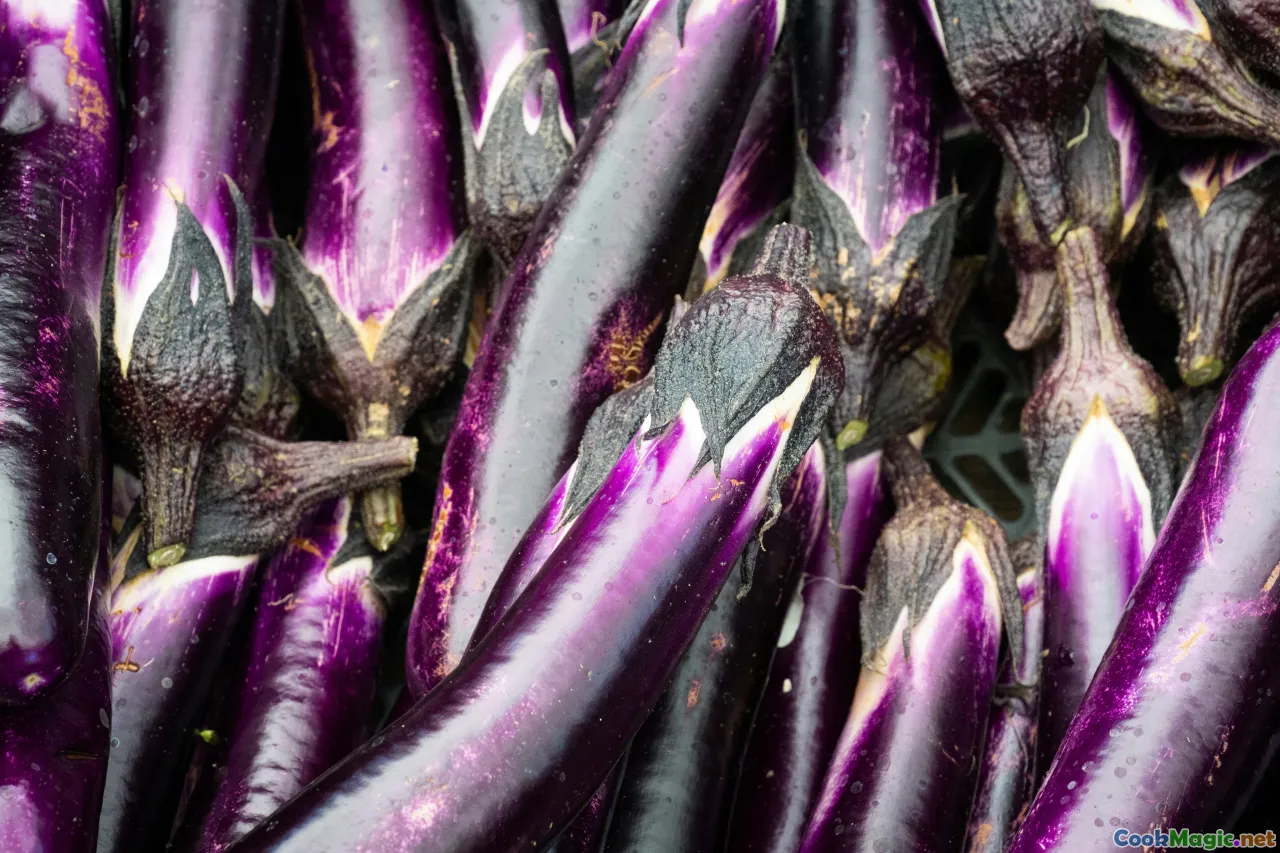
800 grams 球形茄子
(About 2 medium; choose firm with shiny skin)
-
80 grams 芝麻酱(芝麻糊)
(Stir well; use light, pourable tahini)
-
3 tbsp 新鲜柠檬汁
(新鲜榨取以增添亮度)
-
2 cloves 大蒜
(Finely grated or crushed)
-
3 tbsp 特级初榨橄榄油
(Divided: 2 tbsp in dip, 1 tbsp to finish; Palestinian oil if possible)
-
1 tsp 磨碎的孜然
(增加温暖和深度)
-
1 tsp 研磨苏木
(Plus a pinch to finish; citrusy tang)
-
1 tsp 细海盐
(根据口味调整)
-
0.5 tsp 现磨黑胡椒
(根据口味调整)
-
2 tbsp 扁叶欧芹,切碎
(Stems removed; for mixing and garnish)
-
2 tbsp 温水
(To loosen tahini sauce as needed)
-
2 tbsp 石榴籽
(For garnish; sweet-tart pops)
-
1 tbsp 烤芝麻
(For a nutty finish)
-
10 grams 青辣椒,切成细丁
(Mild to medium heat; seeds removed if desired)
-
60 grams 浓稠酸奶(用于非纯素旋涡装饰)
(Optional; marble on top for creaminess)
(About 2 medium; choose firm with shiny skin)
(Stir well; use light, pourable tahini)
(新鲜榨取以增添亮度)
(Finely grated or crushed)
(Divided: 2 tbsp in dip, 1 tbsp to finish; Palestinian oil if possible)
(增加温暖和深度)
(Plus a pinch to finish; citrusy tang)
(根据口味调整)
(根据口味调整)
(Stems removed; for mixing and garnish)
(To loosen tahini sauce as needed)
(For garnish; sweet-tart pops)
(For a nutty finish)
(Mild to medium heat; seeds removed if desired)
(Optional; marble on top for creaminess)
营养
- 份量: 6
- 每份大小: 1/4杯 (60克)
- Calories: 190 kcal
- Carbohydrates: 0 g
- Protein: 4 g
- Fat: 15 g
- Fiber: 5 g
- Sugar: 6 g
- Sodium: 350 mg
- Cholesterol: 0 mg
- Calcium: 120 mg
- Iron: 2.1 mg
制作步骤
-
1 - Char the eggplants:
Prick eggplants with a fork. Char over a gas flame or broil on a foil-lined tray, turning often, until skins are blistered and flesh collapses, 25–35 minutes depending on size.
-
2 - Steam and cool:
Transfer hot eggplants to a bowl and cover for 5 minutes. The trapped steam loosens the skins and keeps moisture inside the flesh.
-
3 - Peel and drain:
Peel off charred skins, discard large seed pockets, and place flesh in a fine sieve. Press gently to release excess liquid for 5–10 minutes to prevent a watery dip.
-
4 - Whisk the tahini sauce:
In a bowl, whisk tahini, lemon juice, garlic, cumin, 2 tbsp olive oil, 1 tbsp warm water, salt, and pepper. The mixture may seize at first; whisk in more warm water until creamy.
-
5 - Combine and Season:
Fold the drained eggplant into the tahini sauce. Stir in half the parsley and most of the sumac. Taste and adjust salt, lemon, or tahini to balance smoke, tang, and richness.
-
6 - Chill briefly:
Refrigerate for 10–15 minutes to let flavors marry and the dip thicken slightly.
-
7 - Garnish:
Spoon into a shallow bowl. Swirl remaining 1 tbsp olive oil. Dust with a pinch of sumac, scatter remaining parsley, sesame seeds, pomegranate, and green chili if using. Optional yogurt swirl for non-vegan.
-
8 - Serve:
Serve with warm pita or shrak, crisp vegetables, or alongside grilled meats and salads in a mezze spread.
Prick eggplants with a fork. Char over a gas flame or broil on a foil-lined tray, turning often, until skins are blistered and flesh collapses, 25–35 minutes depending on size.
Transfer hot eggplants to a bowl and cover for 5 minutes. The trapped steam loosens the skins and keeps moisture inside the flesh.
Peel off charred skins, discard large seed pockets, and place flesh in a fine sieve. Press gently to release excess liquid for 5–10 minutes to prevent a watery dip.
In a bowl, whisk tahini, lemon juice, garlic, cumin, 2 tbsp olive oil, 1 tbsp warm water, salt, and pepper. The mixture may seize at first; whisk in more warm water until creamy.
Fold the drained eggplant into the tahini sauce. Stir in half the parsley and most of the sumac. Taste and adjust salt, lemon, or tahini to balance smoke, tang, and richness.
Refrigerate for 10–15 minutes to let flavors marry and the dip thicken slightly.
Spoon into a shallow bowl. Swirl remaining 1 tbsp olive oil. Dust with a pinch of sumac, scatter remaining parsley, sesame seeds, pomegranate, and green chili if using. Optional yogurt swirl for non-vegan.
Serve with warm pita or shrak, crisp vegetables, or alongside grilled meats and salads in a mezze spread.
关于 图尔卡勒姆烤茄子蘸酱,配苏木淋汁 :的更多信息
The Story and Spirit of Tulkarem Roasted Eggplant Dip
This roasted eggplant dip nods to Tulkarem, a city in the northwestern West Bank known for its fertile plains, citrus groves, and revered olive oil. While eggplant dips are celebrated throughout the Levant, this rendition leans on Palestinian tastes: assertive lemon, great sesame tahini, and a confident finish of extra-virgin olive oil and sumac. The result is silky, smoky, and gently tangy—a mezze that feels at once rustic and refined.
What Makes It Unique
- Smoke-forward character: Char the eggplants until the skins blacken and the interior collapses. That deep char is your secret to complexity.
- Sumac finish: A sprinkle of sumac adds a lemony sparkle without extra acidity, aligning with Levantine flavor profiles.
- Olive oil as a signature: Finishing with peppery Palestinian olive oil lends a grassy, fruity fragrance that lifts the entire bowl.
- Textural balance: Draining the eggplant briefly prevents watery dip; whisking a proper tahini sauce makes it plush and creamy.
Technique Tips for Success
- Choose the right eggplants: Medium globe eggplants with taut, glossy skin and a good heft for their size tend to be less bitter and have fewer seeds.
- Maximize smokiness: If you have a gas burner, char directly over the flame, rotating often with tongs. No flame? Use the broiler set to high and place the rack close to the element. A grill works beautifully too.
- Steam-peel method: After charring, cover the eggplants for a few minutes. The residual steam loosens the skins, making peeling easier while keeping the flesh tender.
- Drain, but don’t squeeze dry: Letting excess liquid escape concentrates flavor without turning the dip pasty. A gentle press is enough.
- Tahini emulsification: Tahini tightens when lemon juice hits; whisk in warm water gradually to create a smooth, spoonable sauce. You control the viscosity—looser for drizzling, thicker for scooping.
- Season in layers: Salt a little earlier than you think, then taste again after resting. The lemon and sumac will evolve as the dip cools.
Serving Suggestions
- Classic mezze: Serve with warm pita, shrak, or taboon bread. Pair alongside olives, pickled turnips, fattoush, and grilled kebabs or halloumi.
- Fresh and crunchy: Offer crisp vegetables—cucumber spears, radishes, fennel, endive leaves, and carrot sticks—for a lively contrast.
- Garnish options: Keep it vegan with extra parsley, sesame, and pomegranate, or marble a spoonful of thick yogurt on top for a luscious, tangy swirl.
Ingredient Notes and Substitutions
- Tahini: Use a light, pourable tahini for smooth texture. If yours is very thick, add a splash more warm water. Sunflower seed tahini works in a pinch but will change the flavor.
- Lemon vs. sumac: If fresh lemons are mild, bump the juice by 1 tsp. If you prefer a gentler citrus note, lean more on sumac and slightly reduce lemon.
- Heat: The optional green chili brings a gentle spark without overwhelming the sesame and smoke. Red Aleppo pepper flakes are a lovely substitute.
- Olive oil: A high-quality extra-virgin oil is essential. Palestinian oils often carry peppery, green notes that complement eggplant’s earthiness.
Make-Ahead, Storage, and Leftovers
- Chill time: A brief rest (10–15 minutes) is enough, but a longer chill (up to 24 hours) deepens the flavors.
- Storage: Refrigerate in an airtight container for up to 3–4 days. Stir before serving and refresh with a squeeze of lemon and a drizzle of olive oil.
- Not recommended for freezing: The texture can weep and separate upon thawing.
- Leftover magic: Spread in sandwiches with cucumbers and mint, dollop on grain bowls, or serve under roasted carrots or cauliflower.
Cultural Notes
Roasted eggplant dips appear across the Levant and beyond, but the Palestinian table gives them a distinctive stamp—herbs like parsley and mint, sunny citrus, and generous olive oil. In regions around Tulkarem, the quality of local oil can be a point of pride, and using it as a finishing touch is more than garnish—it’s an expression of place. Sumac, harvested from tart, crimson berries, is another pantry pillar that keeps this dip bright and alive.
Troubleshooting
- Too watery: You likely skipped or shortened the draining step. Gently fold in a bit more tahini, then chill to firm up.
- Too thick: Whisk in warm water 1 tsp at a time until it loosens to your preferred texture.
- Too bitter: This can come from overcharred seeds or very old tahini. Remove any large seed pockets and use fresh, well-stirred tahini.
- Lacks brightness: Add a pinch more salt first, then a squeeze of lemon, then a dusting of sumac; reassess after one minute.
Final Thoughts
This dip isn’t only about technique; it’s about balance—smoke against citrus, sesame against olive fruitiness, and the quiet green freshness of parsley. Serve it as the anchor to a mezze spread or as a simple snack with warm bread. Either way, it carries the comforting warmth of the Levant and the distinctive spirit of Tulkarem to your table.