安第斯风味玉米炖汤,配有瓜斯卡草
(Rustic Andean Corn Stew with Guasca)
(0 评论)


食材
-
250 grams 白玉米碎粒(mote/hominy)
(Rinsed and soaked overnight; or sub 500 g canned hominy, drained)
-
1500 ml 水或低钠鸡汤
(Add more as needed for desired thickness)
-
120 grams 五花肉或烟熏培根,切成丁
(Adds depth and smokiness; omit for a vegetarian version)
-
2 tbsp 阿奇奥特(胭脂树)油
(Or warm 2 tbsp oil with 1 tsp annatto seeds, then strain)
-
1 small 白洋葱,切成小丁
(About 100 g)
-
2 stalks 葱
(White and green parts, thinly sliced)
-
3 cloves 大蒜(剁碎)
(根据口味调整)
-
1 tsp 磨碎的孜然
(Classic Colombian seasoning)
-
2 tsp 干燥瓜斯卡
(Traditional herb; sub 1.5 tsp oregano + tiny pinch mint)
-
300 grams 黄皮土豆(papa criolla)或蜡质小土豆,切成丁
(Peel only if large)
-
200 grams 白土豆,切丁
(For body and creaminess)
-
200 grams 南瓜(ahuyama)或巴塔尼特南瓜,切丁
(Adds color and natural sweetness)
-
100 grams 胡萝卜,切丁
(Optional sweetness and color)
-
150 grams 新鲜的青豌豆
(Frozen peas work; add straight from frozen)
-
200 grams 安第斯山脉块茎(cubios/chuguas/ibias),切丁
(Sub small turnips or mild radishes if unavailable)
-
15 grams 新鲜香菜(切碎)
(Divide for cooking and garnish)
-
12 grams 细盐
(About 2 tsp; adjust at the end)
-
2 grams 黑胡椒
(About 1/2 tsp, freshly ground)
-
120 ml Hogao(哥伦比亚番茄葱香酱)
(For serving at the table)
-
2 tbsp 辣椒
(To taste, for heat)
-
1 tbsp 刺山柑,已冲洗
(Traditional garnish in some homes)
(Rinsed and soaked overnight; or sub 500 g canned hominy, drained)
(Add more as needed for desired thickness)
(Adds depth and smokiness; omit for a vegetarian version)
(Or warm 2 tbsp oil with 1 tsp annatto seeds, then strain)
(About 100 g)
(White and green parts, thinly sliced)
(根据口味调整)
(Classic Colombian seasoning)
(Traditional herb; sub 1.5 tsp oregano + tiny pinch mint)
(Peel only if large)
(For body and creaminess)
(Adds color and natural sweetness)
(Optional sweetness and color)
(Frozen peas work; add straight from frozen)
(Sub small turnips or mild radishes if unavailable)
(Divide for cooking and garnish)
(About 2 tsp; adjust at the end)
(About 1/2 tsp, freshly ground)
(For serving at the table)
(To taste, for heat)
(Traditional garnish in some homes)
营养
- 份量: 6
- 每份大小: 1 碗 (300克)
- Calories: 420 kcal
- Carbohydrates: 0 g
- Protein: 14 g
- Fat: 14 g
- Fiber: 9 g
- Sugar: 8 g
- Sodium: 780 mg
- Cholesterol: 18 mg
- Calcium: 90 mg
- Iron: 3 mg
制作步骤
-
1 - Rinse and soak the corn:
If using dried cracked hominy, rinse well and soak overnight in ample water (or quick-soak by boiling for 5 minutes, then resting covered for 1 hour). Drain before cooking. Canned hominy needs only a rinse.
-
2 - Render pork (optional):
In a heavy pot over medium heat, cook the diced pork belly or bacon until it renders fat and crisps lightly. Scoop out and reserve the crispy bits, leaving the fat in the pot.
-
3 - Build the achiote sofrito:
Add achiote oil to the pot. Stir in onion, scallions, and garlic with a pinch of salt. Cook until aromatic and translucent. Add cumin and stir 30 seconds.
-
4 - Simmer the corn:
Add soaked and drained corn (or rinsed canned hominy) and the water/broth. Bring to a boil, then reduce to a lively simmer. Cook uncovered until the corn kernels are plump and the broth tastes sweet-corny.
-
5 - Add sturdy vegetables:
Stir in pumpkin, white potatoes, and carrot. Simmer until just tender around the edges.
-
6 - Fold in tender veg and Andean tubers:
Add peas, yellow potatoes (papa criolla), and any Andean tubers. Simmer gently until the potatoes are creamy but not falling apart.
-
7 - Season with guasca:
Sprinkle in guasca, salt, and pepper. Stir and let the herb bloom for a few minutes. Return the crisped pork to the pot, if using.
-
8 - Adjust body:
For a thicker mazamorra chiquita, mash a few potato cubes on the pot’s side or blend a ladleful of stew and return it. Add hot water if it becomes too thick.
-
9 - Finish with Herbs:
Stir in half the cilantro and remove from heat. Let rest 5 minutes to settle flavors.
-
10 - Serve and Garnish:
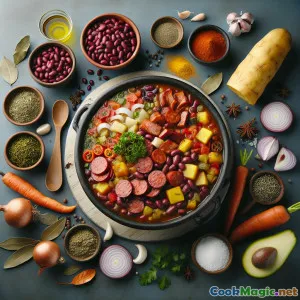
Ladle into warm bowls. Top with hogao, capers, remaining cilantro, and a few drops of ají. The stew should be spoon-thick and vividly colored.
If using dried cracked hominy, rinse well and soak overnight in ample water (or quick-soak by boiling for 5 minutes, then resting covered for 1 hour). Drain before cooking. Canned hominy needs only a rinse.
In a heavy pot over medium heat, cook the diced pork belly or bacon until it renders fat and crisps lightly. Scoop out and reserve the crispy bits, leaving the fat in the pot.
Add achiote oil to the pot. Stir in onion, scallions, and garlic with a pinch of salt. Cook until aromatic and translucent. Add cumin and stir 30 seconds.
Add soaked and drained corn (or rinsed canned hominy) and the water/broth. Bring to a boil, then reduce to a lively simmer. Cook uncovered until the corn kernels are plump and the broth tastes sweet-corny.
Stir in pumpkin, white potatoes, and carrot. Simmer until just tender around the edges.
Add peas, yellow potatoes (papa criolla), and any Andean tubers. Simmer gently until the potatoes are creamy but not falling apart.
Sprinkle in guasca, salt, and pepper. Stir and let the herb bloom for a few minutes. Return the crisped pork to the pot, if using.
For a thicker mazamorra chiquita, mash a few potato cubes on the pot’s side or blend a ladleful of stew and return it. Add hot water if it becomes too thick.
Stir in half the cilantro and remove from heat. Let rest 5 minutes to settle flavors.
Ladle into warm bowls. Top with hogao, capers, remaining cilantro, and a few drops of ají. The stew should be spoon-thick and vividly colored.
关于 安第斯风味玉米炖汤,配有瓜斯卡草 :的更多信息
Cundiboyacense Mazamorra Chiquita: An Altiplano Heirloom in a Bowl
Mazamorra chiquita is the rustic, savory cousin of Colombia’s better-known sweet corn drink. Born on the cool high plateau of the Altiplano Cundiboyacense—stretching across Cundinamarca and Boyacá—it is a stew that captures highland agriculture in a single pot. The dish hinges on cracked white corn (mote or hominy) simmered with Andean tubers and vegetables, scented generously with guasca, the defining herb in many altiplano soups. Achiote lends a sunny color and subtle earthiness, while toppings like hogao, capers, and a dash of ají bring brightness right at the table.
What makes it special
- Corn is the backbone: cracked hominy gradually releases starch, thickening the broth to a spoon-coating consistency, not unlike a soft, savory porridge.
- Guasca is essential: this humble herb (Galinsoga parviflora) offers a distinctly Colombian aroma—grassy, slightly floral, gently bitter—that harmonizes with potatoes and pumpkin.
- Layered tubers add character: papa criolla melts softly; white potatoes give body; pumpkin contributes sweetness. When available, cubios, chuguas, and ibias contribute peppery, nutty, and tangy notes unique to Andean terroir.
- Finishing condiments matter: hogao supplies acidity and umami, capers a briny pop, and ají a welcome spark. These are the exclamation points after the long, slow sentence of a simmer.
History and cultural significance
In the highlands, corn has been sustenance since pre-Columbian times, and mazamorra chiquita reads like a ledger of the local harvest. Families historically made it on market days or during the chillier months, stretching modest ingredients to feed many. The name “chiquita” (little) is affectionate rather than literal—portions are hearty, and the pot is often big. Home cooks tailor the stew to what the fields and plazas offer; some add fava beans or field peas, others enrich the pot with pork belly, ribs, or simply a good bone broth. What unites all versions is a patient simmer and the unmistakable whisper of guasca.
Texture and flavor cues
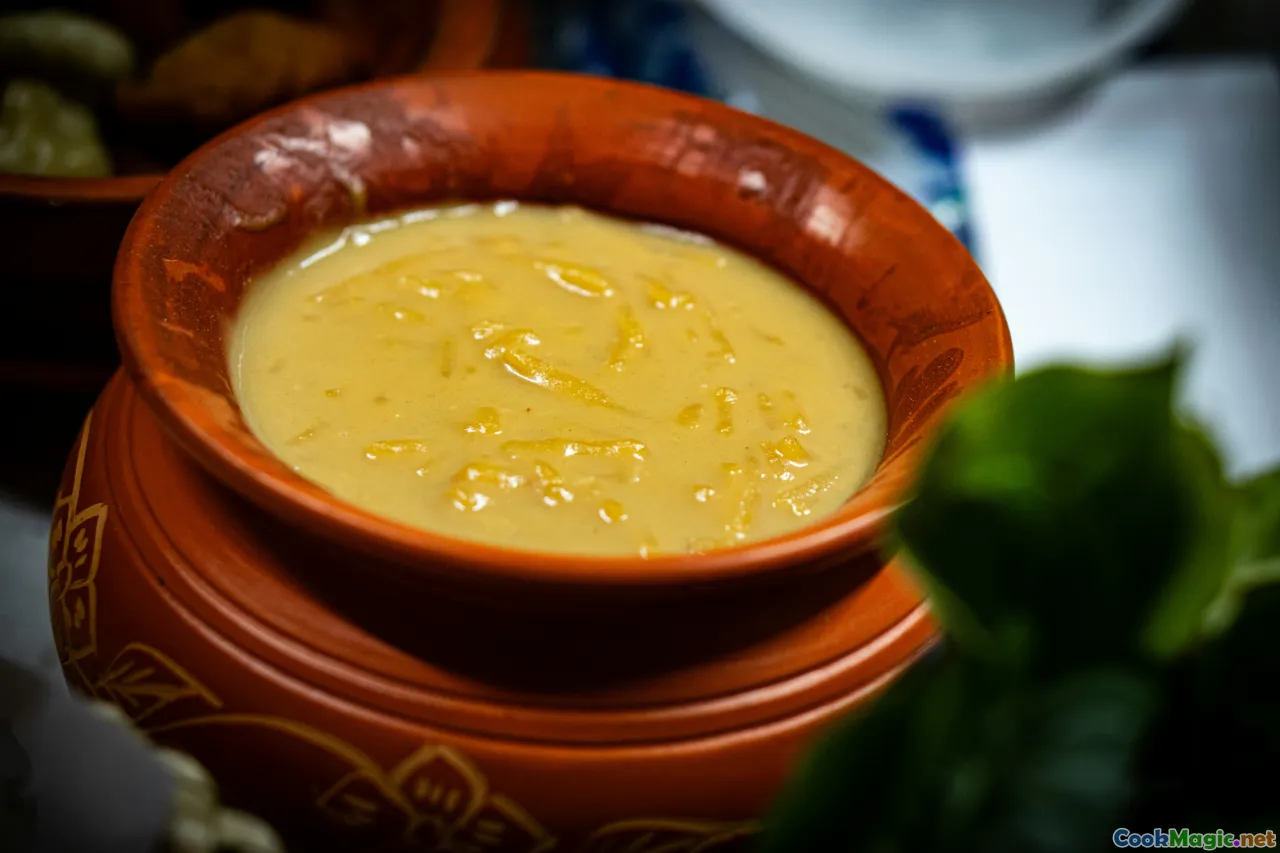
- The broth should be thick but pourable, with a gentle sheen from the starches and achiote.
- Kernels of hominy are tender but still pleasantly toothsome.
- Potatoes hold their shape; a few may be mashed to enrich the body of the stew.
- The aroma leans herbal (guasca), warm (cumin), and slightly sweet (pumpkin and corn), finishing with the bright edge of hogao and cilantro.
Practical tips and substitutions
- Corn choices: Dried cracked hominy offers the best texture. If you can’t soak overnight, quick-soak by boiling 5 minutes and resting for 1 hour. Canned hominy is fast; rinse well and shorten the simmer.
- Guasca sourcing: Look for “guasca” in Latin markets or online. If unavailable, use 1.5 tsp dried oregano plus a tiny pinch of mint—this doesn’t replicate guasca, but mimics the herbal profile well enough.
- Andean tubers: If you can’t find cubios, chuguas, or ibias, small turnips or mild radishes provide peppery brightness; a little parsnip adds sweetness. Use a mix for complexity.
- Vegetarian path: Omit pork and use vegetable broth. A tablespoon of neutral oil in the sofrito and a splash of smoked paprika can echo the savory depth.
- Season late: Salt after the corn has simmered; starchy broths can concentrate, and early salting risks over-seasoning.
- Adjust body: The classic trick is to mash a few potato cubes against the pot; or blend a ladleful and return it for silkiness without dairy.
Make-ahead and storage
Mazamorra chiquita tastes even better on day two as flavors marry. It thickens notably in the fridge; loosen with hot water or broth. It freezes well for up to 2 months—cool completely, portion, and reheat gently to preserve texture.
Serving suggestions
Serve with arepas boyacenses or crusty bread. On the table, set bowls of hogao, capers, chopped cilantro, lime wedges, and ají so diners can tailor brightness and heat. A simple side of sliced avocado offers creamy contrast to the stew’s hearty bite.
A cook’s reflection
I love how this dish tells a landscape’s story: the steady comfort of corn, the generosity of tubers, the quiet insistence of guasca. It is humble yet layered, familiar yet place-specific. Cook it slowly, share it freely, and let the condiments at the end sing the high notes. That’s the spirit of the altiplano—warmth against the mountain air, and plenty for everyone around the table.