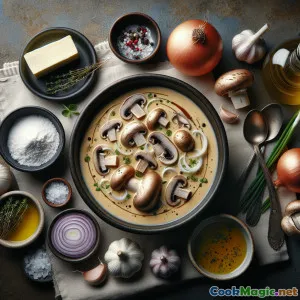
新鲜海螺班加汤,尼日尔三角洲风味
(Banga Soup with Fresh Periwinkle, Niger Delta Style)
(0 评论)

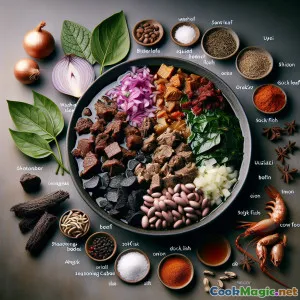
食材
-
800 ml 棕榈仁浓缩物
(Or 2 cans (400 ml each) of palm fruit extract)
-
500 grams 新鲜海螺(带壳或去壳)
(Rinse thoroughly; shell-on adds briny depth)
-
400 grams 牛肉炖煮用肉,切成一口大小的块状
(Goat meat also works well)
-
150 grams 熏鲶鱼,碎片状,去骨
(Smokiness is essential for depth)
-
80 grams 风干鳕鱼块,已浸泡
(Soak overnight to soften and reduce saltiness)
-
200 grams 生虾,去壳去肠
(Adds sweetness and extra protein)
-
1200 ml 鱼汤或牛肉汤(或水)
(Use low-sodium stock if possible)
-
1 medium 切碎的洋葱
(Divide between the meat and the soup base)
-
2 pieces Scotch bonnet 辣椒,切碎
(Adjust to heat preference; remove seeds for milder heat)
-
3 tbsp 干小龙虾粉
(About 20 g; lends quintessential coastal umami)
-
2 tbsp 班加香料混合
(Typically includes ataiko, irugeje, and other aromatic seeds)
-
1 stick Oburunbebe(Banga)香料棒
(Infuses signature woodsy aroma; remove before serving)
-
1 tsp 研磨葫芦肉豆蔻(ehuru)
(Fragrant; boosts the spice blend if desired)
-
1 tsp 研磨的乌兹扎籽
(Peppery lift; optional but traditional in some regions)
-
1 cup 香叶(尼日利亚罗勒)或 beletete
(Roughly chopped; add at the end for freshness)
-
2 cubes 调味方块
(Maggi or Knorr style)
-
1.5 tsp 盐
(根据口味调整)
-
1 tbsp 棕櫚油
(Only if your concentrate is lean; optional enrichment)
(Or 2 cans (400 ml each) of palm fruit extract)
(Rinse thoroughly; shell-on adds briny depth)
(Goat meat also works well)
(Smokiness is essential for depth)
(Soak overnight to soften and reduce saltiness)
(Adds sweetness and extra protein)
(Use low-sodium stock if possible)
(Divide between the meat and the soup base)
(Adjust to heat preference; remove seeds for milder heat)
(About 20 g; lends quintessential coastal umami)
(Typically includes ataiko, irugeje, and other aromatic seeds)
(Infuses signature woodsy aroma; remove before serving)
(Fragrant; boosts the spice blend if desired)
(Peppery lift; optional but traditional in some regions)
(Roughly chopped; add at the end for freshness)
(Maggi or Knorr style)
(根据口味调整)
(Only if your concentrate is lean; optional enrichment)
营养
- 份量: 6
- 每份大小: 1 碗 (350g)
- Calories: 480 kcal
- Carbohydrates: 0 g
- Protein: 28 g
- Fat: 34 g
- Fiber: 3 g
- Sugar: 3 g
- Sodium: 980 mg
- Cholesterol: 110 mg
- Calcium: 150 mg
- Iron: 4.2 mg
制作步骤
-
1 - Clean the periwinkle:
Rinse periwinkle under running water, scrubbing shells to remove grit. If using deshelled meats, rinse and drain well. Set aside in a colander.
-
2 - Prep smoked fish and stockfish:
Rinse smoked catfish briefly and flake into chunks, removing bones. If using stockfish, soak in hot water to soften, then drain and cut into bite-size pieces.
-
3 - Season and parboil the beef:
In a pot, combine beef, half the chopped onion, a pinch of salt, and one seasoning cube. Cook on medium heat in its own juices for 5–7 minutes, then add 300 ml stock and simmer until the meat is just tender.
-
4 - Build the palm base:
In a larger soup pot, mix palm nut concentrate with the remaining stock. Add the oburunbebe stick if using. Bring to a gentle simmer for 8–10 minutes until glossy and slightly thickened.
-
5 - Combine meats and fish:
Tip the cooked beef and its broth into the palm base. Add smoked catfish and stockfish. Simmer gently to mingle flavors and soften any fibrous pieces.
-
6 - Season the Soup:
Stir in crayfish powder, Banga spice blend, calabash nutmeg, and uziza (if using). Add the remaining seasoning cube and salt. Taste and adjust salt as needed.
-
7 - Add aromatics and reduce:
Add the remaining onion and chopped Scotch bonnet. Simmer uncovered, allowing the soup to thicken slightly. If too thick, add a splash of stock; if too light, simmer longer.
-
8 - Cook periwinkle and prawns:
Add periwinkle and prawns to the pot. Simmer 5–7 minutes until prawns are opaque and periwinkle is tender yet pleasantly chewy. Do not overcook.
-
9 - Finish with Greens:
Fold in chopped scent leaf or beletete. Stir briefly to release aroma and turn off the heat. Remove and discard the oburunbebe stick.
-
10 - Rest and Serve:
Let the soup rest for a few minutes to settle. Serve hot with eba, fufu, pounded yam, starch, or plain white rice.
Rinse periwinkle under running water, scrubbing shells to remove grit. If using deshelled meats, rinse and drain well. Set aside in a colander.
Rinse smoked catfish briefly and flake into chunks, removing bones. If using stockfish, soak in hot water to soften, then drain and cut into bite-size pieces.
In a pot, combine beef, half the chopped onion, a pinch of salt, and one seasoning cube. Cook on medium heat in its own juices for 5–7 minutes, then add 300 ml stock and simmer until the meat is just tender.
In a larger soup pot, mix palm nut concentrate with the remaining stock. Add the oburunbebe stick if using. Bring to a gentle simmer for 8–10 minutes until glossy and slightly thickened.
Tip the cooked beef and its broth into the palm base. Add smoked catfish and stockfish. Simmer gently to mingle flavors and soften any fibrous pieces.
Stir in crayfish powder, Banga spice blend, calabash nutmeg, and uziza (if using). Add the remaining seasoning cube and salt. Taste and adjust salt as needed.
Add the remaining onion and chopped Scotch bonnet. Simmer uncovered, allowing the soup to thicken slightly. If too thick, add a splash of stock; if too light, simmer longer.
Add periwinkle and prawns to the pot. Simmer 5–7 minutes until prawns are opaque and periwinkle is tender yet pleasantly chewy. Do not overcook.
Fold in chopped scent leaf or beletete. Stir briefly to release aroma and turn off the heat. Remove and discard the oburunbebe stick.
Let the soup rest for a few minutes to settle. Serve hot with eba, fufu, pounded yam, starch, or plain white rice.
关于 新鲜海螺班加汤,尼日尔三角洲风味 :的更多信息
Overview
Banga Soup with Fresh Periwinkle is a luscious, palm-nut–based seafood stew native to Nigeria’s Niger Delta. The soup’s signature depth comes from palm fruit extract, whose rich, coppery oil cloaks every ingredient with a velvety sheen. Periwinkle—tiny sea snails beloved for their briny sweetness and springy bite—adds a coastal note that makes this version feel like a celebratory pot, perfect for weekends, family gatherings, or festive occasions.
While Banga (also called Ofe Akwu in parts of Eastern Nigeria) is broadly enjoyed across southern Nigeria, the Niger Delta Deltaic communities are especially known for seafood-forward renditions. The combination of palm nut concentrate with smoked fish, stockfish, and periwinkle creates an umami chorus: smoke, salt, sea, and spice in harmonious balance.
Flavor Architecture
- Palm nut concentrate: Forms the body and color of the soup, releasing palm oil and natural emulsifiers that create a glossy, lightly thickened broth.
- Banga spice blend: A traditional mix (often including ataiko and irugeje seeds) plus the oburunbebe stick. These provide woody, camphorous, and citrusy hints that mark authentic Banga soup.
- Crayfish powder: A key West African pantry staple, offering concentrated seafood savoriness that binds the broth to the fish and meats.
- Periwinkle: Brings brackish sweetness and a pleasurable chew. Shell-on periwinkle infuses more marine flavor; deshelled meat is easier to eat.
- Heat and herbs: Scotch bonnet for fruity heat, and scent leaf or beletete for a peppery, basil-like finish.
Tips for Success
- Periwinkle prep: If using shell-on periwinkles, scrub thoroughly under running water to remove sand. A brief parboil helps release grit; drain well before adding to the pot. If you can find deshelled meats, they’re quicker to use and family-friendly.
- Balance the body: Palm concentrate varies by brand. If the soup becomes too thick, loosen with a splash of stock or water. If too light, simmer gently uncovered to reduce.
- Mind the spice stick: The oburunbebe stick is potent. Simmer with it for aroma, then remove before serving to avoid bitter notes.
- Layer the umami: Smoked catfish and crayfish powder deliver the backbone. Stockfish is optional but recommended; it deepens the oceanic profile without overwhelming the palate.
- Heat control: Scotch bonnet is intensely aromatic; seed and chop finely for manageable heat. For milder soup, use half a pepper or swap in milder chilies.
- Leaf choice: Scent leaf yields a bright, peppery lift typical in Nigerian cooking. Beletete, where available, brings a distinctly Delta character with earthy-green tones.
Serving and Pairings
Banga soup is typically served with swallow staples: eba (garri), fufu, or pounded yam. The slight bitterness and elasticity of eba complement the soup’s richness particularly well. For a lighter pairing, serve with steamed white rice or plantains. A crisp cucumber and tomato salad on the side adds contrast and freshness.
Make-Ahead, Storage, and Reheating
- Make-ahead: Cook the soup base through Step 7 and cool. Add periwinkle and prawns fresh when reheating for best texture.
- Storage: Refrigerate in airtight containers for up to 3 days. The flavors meld beautifully overnight.
- Freezing: Freeze without the leafy finish for up to 2 months. Add scent leaf after thawing and reheating.
- Reheating: Warm gently on the stovetop over medium heat, adding a splash of stock if thickened.
Cultural Notes and History
Palm fruit soups are among West Africa’s most emblematic dishes, uniting agricultural heritage with riverine abundance. In the Niger Delta, fishermen traditionally brought home smoked catches that found their way into Banga pots, while palm fruit processing provided the culinary base. The dish signifies hospitality—lavish in flavor and ingredients, yet straightforward and communal. Serving Banga to guests communicates respect and generosity, especially when garnished with premium additions like periwinkle or prawns.
Substitutions and Variations
- Protein swap: Replace beef with goat for gamier depth, or make it fully pescatarian by omitting red meat and adding more seafood (tilapia chunks, mussels, or crab).
- Spice blend: If Banga spice blend is unavailable, mimic with a mild mix of ground coriander, a pinch of cloves, calabash nutmeg, and a touch of allspice. It won’t be identical but remains aromatic.
- Greens: Scent leaf is ideal; substitute Thai basil or a mix of basil and a little arugula to emulate pepperiness.
- Periwinkle alternatives: If unavailable, small clams or cockles offer a similar briny pop. Cook briefly to avoid toughness.
Unique Aspects
What distinguishes this recipe is the interplay of texture—silky palm base, tender beef, flaky smoked fish, and the gentle bounce of periwinkle—punctuated by a perfumed, woody spice profile you won’t find in many global soups. It’s a lesson in layered savoriness and a proud ambassador of Nigeria’s coastal cuisine.
Enjoy this pot as a comforting centerpiece, and let the aroma carry you to the lively kitchens and river markets of the Delta, where the tide’s rhythm meets the simmer of a well-loved soup.