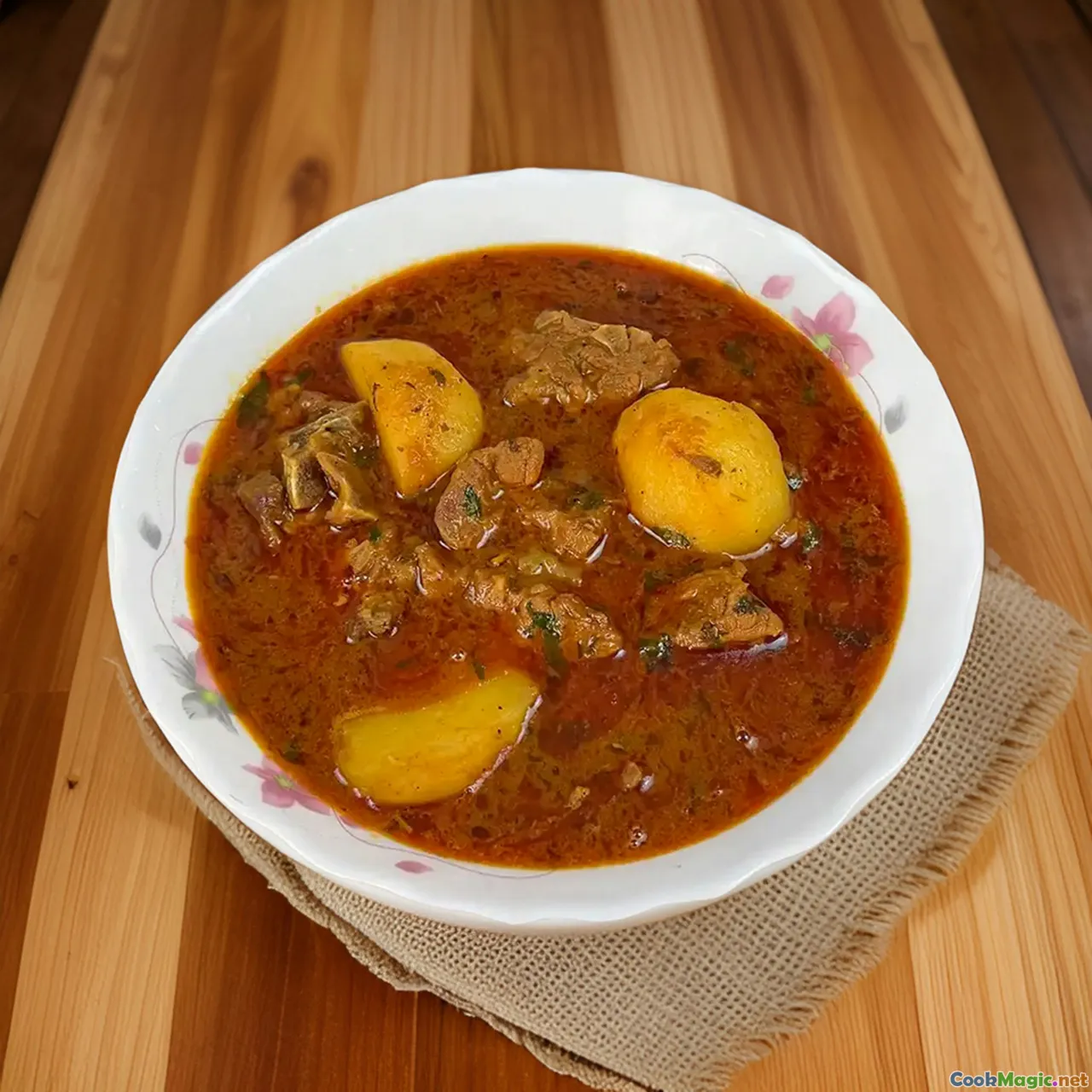
Stufato etiope di ceci al Tej
(Tej-Scented Ethiopian Chickpea Stew)
(0 Recensioni)


0
216
novembre 19, 2025
Segnala un problema
Ingredienti
-
700 grams ceci cotti (scolati e risciacquati se in scatola)
(About two 400g cans; or 2.5 cups cooked)
-
2 tbsp Niter kibbeh (burro chiarificato speziato etiopico)
(Use neutral oil for a dairy-free version)
-
1 tbsp Olio d'oliva
(Blends with niter kibbeh to prevent scorching)
-
1 large Cipolla gialla, finemente tritata
(About 200g)
-
4 cloves Spicchi d'aglio, tritati
(Regolare a piacere)
-
1.5 tbsp Zenzero fresco tritato
(Bright heat to balance sweetness of tej)
-
1.5 tbsp Miscela di spezie Berbere
(Use 1 tbsp for mild heat or 2 tbsp for bold)
-
0.5 tsp Paprika affumicata
(Enhances smokiness; complements berbere)
-
2 tbsp Concentrato di pomodoro
(Adds depth and body)
-
400 grams Pomodori schiacciati
(One standard can)
-
500 ml Brodo vegetale a basso contenuto di sodio
(Adjust for desired thickness)
-
180 ml Tej (vino di miele etiope)
(Sub 150 ml dry white wine + 1 tbsp honey)
-
1 medium Carota, tagliata a cubetti
(Adds gentle sweetness)
-
250 grams Patate a pasta soda, tagliate a cubetti da 1,5 cm
(Optional for a heartier stew)
-
1 leaf Foglia di alloro
(Fragrant backbone)
-
1.5 tbsp Succo di limone (fresco spremuto)
(Balances honeyed notes)
-
1 tsp Miele
(Optional to amplify tej aroma)
-
1 tsp Sale marino
(Plus more to taste)
-
0.5 tsp Pepe nero, appena macinato
(A piacere)
-
2 tbsp Coriandolo fresco o prezzemolo, tritati
(Per guarnire)
-
0.25 tsp Mitmita (miscela di spezie piccanti etiopiche)
(For extra heat at the table)
-
0.5 tsp Scorza di limone, grattugiata finemente
(Lifts aromatics right before serving)
-
4 pieces Injera o riso al vapore, da servire
(Optional accompaniment, not cooked in stew)
(About two 400g cans; or 2.5 cups cooked)
(Use neutral oil for a dairy-free version)
(Blends with niter kibbeh to prevent scorching)
(About 200g)
(Regolare a piacere)
(Bright heat to balance sweetness of tej)
(Use 1 tbsp for mild heat or 2 tbsp for bold)
(Enhances smokiness; complements berbere)
(Adds depth and body)
(One standard can)
(Adjust for desired thickness)
(Sub 150 ml dry white wine + 1 tbsp honey)
(Adds gentle sweetness)
(Optional for a heartier stew)
(Fragrant backbone)
(Balances honeyed notes)
(Optional to amplify tej aroma)
(Plus more to taste)
(A piacere)
(Per guarnire)
(For extra heat at the table)
(Lifts aromatics right before serving)
(Optional accompaniment, not cooked in stew)
Nutrizione
- Porzioni: 4
- Dimensione Porzione: 1 ciotola (350g)
- Calories: 420 kcal
- Carbohydrates: 0 g
- Protein: 14 g
- Fat: 12 g
- Fiber: 13 g
- Sugar: 12 g
- Sodium: 730 mg
- Cholesterol: 20 mg
- Calcium: 120 mg
- Iron: 4.5 mg
Istruzioni
-
1 - Warm the pot:
Set a heavy pot over medium heat. Add niter kibbeh and olive oil. When shimmering and aromatic, proceed to the aromatics.
-
2 - Sweat aromatics:
Add onion with a pinch of salt. Cook, stirring, until translucent and light gold. Add garlic and ginger; cook 1 minute until fragrant.
-
3 - Bloom the Spices:
Stir in berbere and smoked paprika. Cook 60–90 seconds, stirring constantly to bloom spices in fat without burning.
-
4 - Build the Base:
Add tomato paste; cook until brick red and sticking slightly. Stir in crushed tomatoes, scraping the pot to dissolve fond.
-
5 - Deglaze with Tej:
Pour in 120 ml tej to deglaze. Simmer 1–2 minutes to cook off the sharp alcohol note while retaining honeyed aroma.
-
6 - Simmer the Stew:
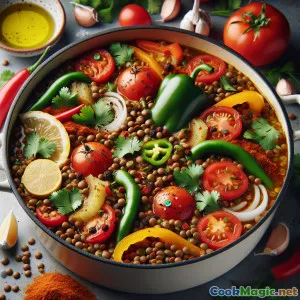
Add chickpeas, broth, carrot, potato, bay leaf, salt, and pepper. Bring to a gentle simmer; cover and cook until vegetables are tender and flavors meld.
-
7 - Finish with brightness:
Stir in remaining 60 ml tej, lemon juice, and honey (if using). Simmer 1 more minute to warm through without boiling vigorously.
-
8 - Adjust and rest:
Taste and adjust salt, pepper, and heat with mitmita if desired. Remove bay leaf. Let stand 2–3 minutes to settle.
-
9 - Garnish and Serve:
Ladle into bowls. Top with chopped herbs and lemon zest. Serve with injera for tearing and scooping, or spoon over steamed rice.
Set a heavy pot over medium heat. Add niter kibbeh and olive oil. When shimmering and aromatic, proceed to the aromatics.
Add onion with a pinch of salt. Cook, stirring, until translucent and light gold. Add garlic and ginger; cook 1 minute until fragrant.
Stir in berbere and smoked paprika. Cook 60–90 seconds, stirring constantly to bloom spices in fat without burning.
Add tomato paste; cook until brick red and sticking slightly. Stir in crushed tomatoes, scraping the pot to dissolve fond.
Pour in 120 ml tej to deglaze. Simmer 1–2 minutes to cook off the sharp alcohol note while retaining honeyed aroma.
Add chickpeas, broth, carrot, potato, bay leaf, salt, and pepper. Bring to a gentle simmer; cover and cook until vegetables are tender and flavors meld.
Stir in remaining 60 ml tej, lemon juice, and honey (if using). Simmer 1 more minute to warm through without boiling vigorously.
Taste and adjust salt, pepper, and heat with mitmita if desired. Remove bay leaf. Let stand 2–3 minutes to settle.
Ladle into bowls. Top with chopped herbs and lemon zest. Serve with injera for tearing and scooping, or spoon over steamed rice.
Ulteriori informazioni su: Stufato etiope di ceci al Tej
Tej-Scented Chickpea Stew: A Honeyed Warmth From the Horn of Africa
Ethiopian cuisine is famous for its vivid spice blends, slow-simmered stews, and the convivial ritual of sharing a communal platter. This Tej-Scented Chickpea Stew pays homage to that tradition by pairing hearty legumes with berbere—the fiery, aromatic backbone of many Ethiopian dishes—and a whisper of tej, the country’s iconic honey wine. The result is a bowl that’s at once comforting and intriguing: gently sweet without being sugary, warmly spiced without overwhelming heat, and layered with citrusy brightness to keep you going back for another spoonful.
What Makes This Stew Unique
- Tej as a flavor note: Instead of using tej purely as a cooking liquid, this recipe splits the addition—first to deglaze, then again at the finish. This preserves its delicate floral, honeyed top notes while still rounding off the alcohol. If tej is hard to find, a dry white wine plus a small spoon of honey gives a similar flavor profile.
- Berbere bloom: Blooming berbere in niter kibbeh (spiced clarified butter) is essential. It unlocks fat-soluble aromatic compounds, transforming the spice blend’s earthy heat into a full bouquet of chili, fenugreek, cardamom, and warm cinnamon.
- Layered brightness: Lemon juice and zest bring vibrancy that lifts the stew’s richness, a classic technique in Ethiopian cooking where acidity from lemon and tangy injera complements deeper flavors.
Ingredient Notes and Substitutions
- Chickpeas: Canned chickpeas make this weeknight-friendly, but cooking your own from dried will reward you with a creamier interior and sturdier shape. Save some cooking liquid to enrich the stew if you go that route.
- Niter kibbeh: This spiced butter imparts a hallmark Ethiopian aroma. If you need a dairy-free option, use neutral oil or olive oil, and add a pinch of ground fenugreek and cardamom to mimic its nuance.
- Berbere: Quality varies widely. Choose a blend with balanced heat, sweetness, and spicing. Start with less, then add more near the end so you don’t over-commit early.
- Tej: Homemade tej is common in Ethiopia, often infused with gesho (Rhamnus prinoides). Store-bought versions vary in sweetness; simmer longer if yours is very sweet, or add a touch more lemon.
- Vegetables: Carrot and waxy potato add body and natural sweetness. For a lighter version, omit the potato and use diced red bell pepper or zucchini.
Technique Tips for Success
- Control the bloom: Spices can scorch quickly. If the pot looks dry during Step 3, add a teaspoon of oil. Keep the heat at medium to preserve delicate aromatics.
- Deglazing matters: Tej loosens caramelized bits, but don’t boil vigorously after the final addition—you’ll drive off the floral notes. A gentle simmer is enough.
- Texture tuning: The broth amount is flexible. For a thick scoopable stew (great with injera), simmer uncovered for the last 5 minutes. For a ladleable soup, add 100–150 ml more broth.
- Season last: Salt perception shifts as the stew reduces and the acidity rises. Final seasoning after the lemon and second tej addition yields the most accurate taste.
Serving and Pairing
Serve the stew hot with injera, whose spongy, teff-based tang is the perfect foil for berbere and tej. If injera isn’t available, basmati rice or pearl couscous works well. Garnish with cilantro or parsley and a kiss of lemon zest for freshness. A simple tomato-cucumber salad on the side cools the palate and echoes the stew’s acidity.
For drinks, lean dry: a crisp lager, a dry Riesling, or—if you have more tej—sip it lightly chilled to complement the stew’s honeyed echo.
Make-Ahead, Storage, and Variations
- Make-ahead: The stew tastes even better the next day. Reheat gently and add a splash of water to loosen. Brighten with a squeeze of lemon and a pinch of berbere at the end.
- Storage: Refrigerate up to 4 days; freeze up to 2 months. Add fresh herbs after reheating, not before freezing.
- Protein boost: Stir in cubed firm tofu or paneer during the last 5 minutes. For a non-vegetarian twist, shredded chicken can be folded in, but keep the tej finish light to avoid overpowering.
- Extra heat: Mitmita at the table lets spice lovers customize without forcing the whole pot into the red zone.
Cultural Context and Inspiration
Ethiopian meals are often shared on a large platter lined with injera, with multiple wot (stews) set around the table so everyone can tear, scoop, and taste together. This recipe nods to that tradition while offering an accessible entry point to Ethiopian flavors. Berbere and niter kibbeh are foundational; tej brings a celebratory note—something special for a dinner that still fits into a weeknight. Even if you don’t have injera, the spirit remains: communal, generous, and fragrant with spices that traveled trade routes for centuries.
Final Thoughts
Tej-Scented Chickpea Stew is a study in balance—heat and honey, depth and brightness, comfort and intrigue. With a few pantry staples and a couple of key Ethiopian ingredients, you can build a bowl that tells a story: of spice markets and shared platters, of careful blooming and gentle finishing. It’s the kind of dish that invites conversation, a second helping, and maybe a glass of tej to clink alongside.