खट्टी-मीठी उमेबोशी प्लम ओनिगिरी बाइट्स
(Tangy Umeboshi Plum Onigiri Bites)
(0 समीक्षाएँ)


सामग्री
-
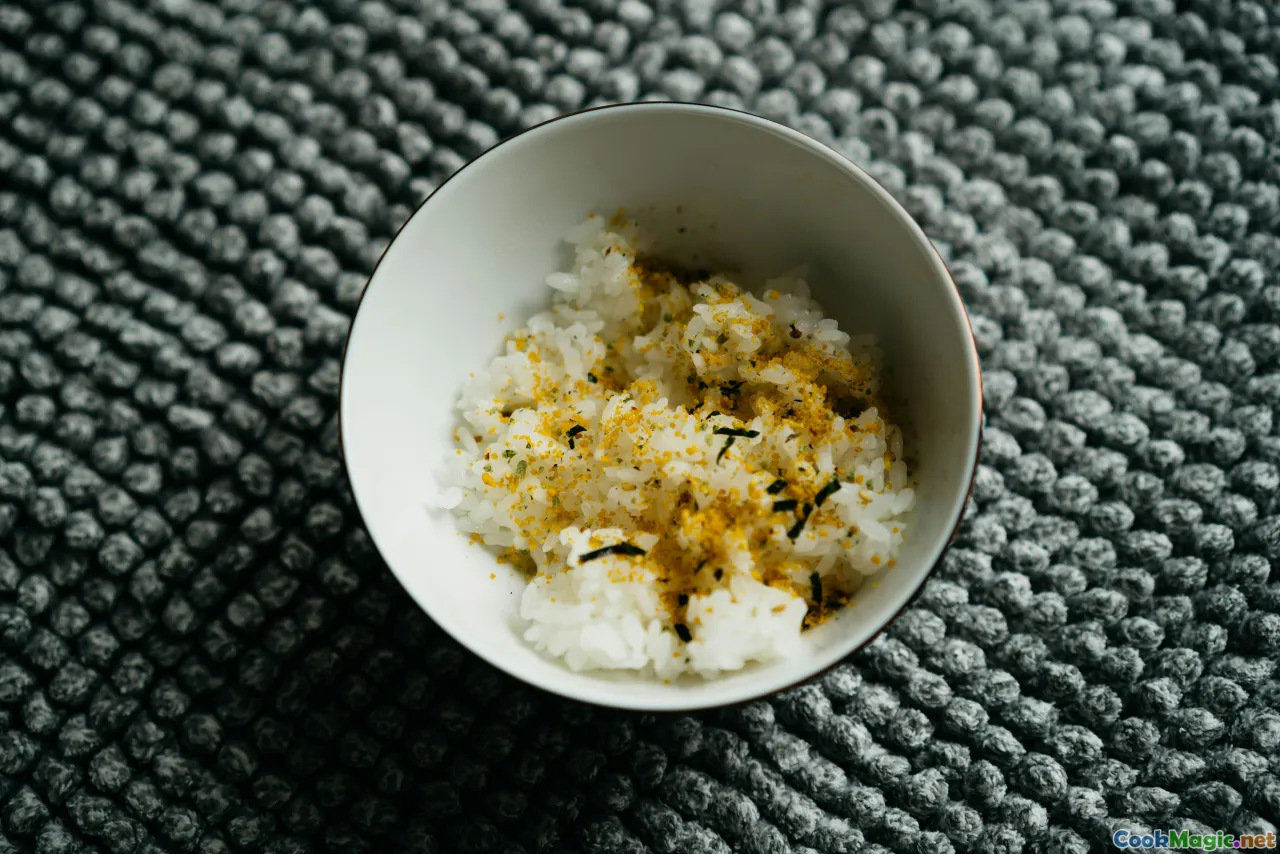
360 grams जापानी छोटा दाने वाला चावल
(Rinse until water runs mostly clear for best texture.)
-
430 ml पानी
(For cooking rice; adjust slightly by brand and pot.)
-
6 pieces Umeboshi (जापानी बेर)
(Remove pits; adjust amount per size and saltiness.)
-
3 sheets नोरी (भुना समुद्री शैवाल) शीट्स
(Cut into 4–6 wide strips per sheet.)
-
1.5 tsp मिश्रित समुद्री नमक
(For seasoning rice and hands; umeboshi is salty, so use lightly.)
-
1 tbsp भुने हुए तिल
(White or black; for coating or garnish.)
-
4 leaves शिसो के पत्ते (परिला)
(Adds herbal brightness; wrap or chop for mixing.)
-
1 piece Kombu (सूखा केल्प)
(5 cm piece to cook with rice for subtle umami.)
-
250 ml आकार देने के लिए ठंडा पानी
(To wet/salt hands and prevent sticking.)
(Rinse until water runs mostly clear for best texture.)
(For cooking rice; adjust slightly by brand and pot.)
(Remove pits; adjust amount per size and saltiness.)
(Cut into 4–6 wide strips per sheet.)
(For seasoning rice and hands; umeboshi is salty, so use lightly.)
(White or black; for coating or garnish.)
(Adds herbal brightness; wrap or chop for mixing.)
(5 cm piece to cook with rice for subtle umami.)
(To wet/salt hands and prevent sticking.)
पोषण
- परोसने की संख्या: 6
- सेवा आकार: 1 onigiri (120g)
- Calories: 210 kcal
- Carbohydrates: 0 g
- Protein: 4.3 g
- Fat: 1.8 g
- Fiber: 2 g
- Sugar: 0.4 g
- Sodium: 620 mg
- Cholesterol: 0 mg
- Calcium: 32 mg
- Iron: 0.8 mg
निर्देश
-
1 - Rinse and soak rice:
Place the short-grain rice in a bowl and rinse under cool water, swishing gently and draining several times until the water runs mostly clear. Cover with fresh water and soak for 15–20 minutes, then drain well.
-
2 - Cook the Rice:
In a heavy pot or rice cooker, combine drained rice with 430 ml water. Tuck in the kombu piece if using. Bring to a gentle boil, cover, reduce heat to low, and cook until water is absorbed and rice is tender (about 12 minutes on stovetop; follow your rice cooker cycle). Turn off heat and let steam, covered, 10 additional minutes. Discard kombu.
-
3 - Fluff and cool to warm:
Gently fluff the rice with a rice paddle to release steam without mashing grains. Spread in a wide bowl and let it cool until just warm—comfortable to handle but still slightly steamy.
-
4 - Prep umeboshi and nori:
Pit the umeboshi: slit each plum and remove the stone, tearing the flesh into small chunks. Cut nori sheets into wide strips (about 4–5 cm). Rinse and pat dry shiso leaves if using; toast sesame seeds if preferred.
-
5 - Set up shaping station:
Mix a small brine by stirring a pinch of salt into the 250 ml cold water. Keep a bowl of this salted water nearby for dipping your hands to prevent sticking and lightly season the exterior.
-
6 - Portion and fill:
Wet hands in salted water. Take about 1/2 cup (roughly 120 g) warm rice. Flatten slightly in your palm to make a shallow well. Place a small mound (about 1–2 teaspoons) of umeboshi in the center. Fold rice over to enclose the filling completely.
-
7 - Shape the triangle:
With lightly salted, damp hands, cradle the rice and press gently with both palms, rotating to form a neat triangle or oval. Use confident but gentle pressure so the onigiri holds together without crushing grains. Repeat to make 6 pieces.
-
8 - Wrap and garnish:
Wrap each onigiri with a strip of nori just before eating for maximum crispness. Add a shiso leaf around the rice or sprinkle sesame seeds over the surface, pressing lightly so they adhere.
-
9 - Taste, pack, and store:
Taste a corner and, if needed, touch the exterior with a pinch of salt. For bento, wrap individually in parchment or plastic, leaving a vent to avoid sogginess. Best the day made; keep cool and consume within 6 hours, or refrigerate tightly wrapped and let come to room temperature before eating.
Place the short-grain rice in a bowl and rinse under cool water, swishing gently and draining several times until the water runs mostly clear. Cover with fresh water and soak for 15–20 minutes, then drain well.
In a heavy pot or rice cooker, combine drained rice with 430 ml water. Tuck in the kombu piece if using. Bring to a gentle boil, cover, reduce heat to low, and cook until water is absorbed and rice is tender (about 12 minutes on stovetop; follow your rice cooker cycle). Turn off heat and let steam, covered, 10 additional minutes. Discard kombu.
Gently fluff the rice with a rice paddle to release steam without mashing grains. Spread in a wide bowl and let it cool until just warm—comfortable to handle but still slightly steamy.
Pit the umeboshi: slit each plum and remove the stone, tearing the flesh into small chunks. Cut nori sheets into wide strips (about 4–5 cm). Rinse and pat dry shiso leaves if using; toast sesame seeds if preferred.
Mix a small brine by stirring a pinch of salt into the 250 ml cold water. Keep a bowl of this salted water nearby for dipping your hands to prevent sticking and lightly season the exterior.
Wet hands in salted water. Take about 1/2 cup (roughly 120 g) warm rice. Flatten slightly in your palm to make a shallow well. Place a small mound (about 1–2 teaspoons) of umeboshi in the center. Fold rice over to enclose the filling completely.
With lightly salted, damp hands, cradle the rice and press gently with both palms, rotating to form a neat triangle or oval. Use confident but gentle pressure so the onigiri holds together without crushing grains. Repeat to make 6 pieces.
Wrap each onigiri with a strip of nori just before eating for maximum crispness. Add a shiso leaf around the rice or sprinkle sesame seeds over the surface, pressing lightly so they adhere.
Taste a corner and, if needed, touch the exterior with a pinch of salt. For bento, wrap individually in parchment or plastic, leaving a vent to avoid sogginess. Best the day made; keep cool and consume within 6 hours, or refrigerate tightly wrapped and let come to room temperature before eating.
खट्टी-मीठी उमेबोशी प्लम ओनिगिरी बाइट्स :के बारे में ज़्यादा जानकारी
Why Umeboshi Plum Onigiri Works
Umeboshi plum onigiri is the elegant intersection of simplicity and smarts. Every element has a job. Japanese short‑grain rice delivers the moist, cohesive texture that forms a tidy triangle. Umeboshi—bracingly tangy, salty, and faintly fruity—anchors the center with flavor and natural preservation. Nori contributes texture contrast and a whisper of umami. Together, they become a portable, nourishing snack that tastes far bigger than the sum of its parts.
Key Techniques and Tips
- Choose the right rice: Japanese short‑grain (often labeled as sushi rice) is non‑negotiable. Its higher amylopectin content gives the stickiness necessary for shaping without turning gummy.
- Rinse and soak: Rinsing removes excess surface starch for distinct, glossy grains. A short soak (15–20 minutes) ensures even hydration and tenderness.
- Let rice steam: After cooking, resting the rice covered lets moisture redistribute so each grain becomes plump and resilient—critical for onigiri that won’t crumble.
- Wet, salted hands: Dampen hands in lightly salted water to prevent sticking and gently season the exterior. It’s the classic technique to keep the surface smooth and flavorful.
- Gentle pressure, defined edges: Press too hard and you’ll compact the rice; too soft and it falls apart. Aim for a firm-but-tender triangle with clearly defined corners.
- Wrap nori last‑minute: Nori turns soft as it absorbs moisture. Wrap just before serving for a satisfying crisp snap.
Flavor Notes and Variations
The hallmark is balance: the rice’s neutral sweetness, the umeboshi’s electric sour‑salty pop, and the sea‑breeze savor of nori. If your umeboshi are very intense, use smaller pieces or mix them with a pinch of sesame seeds to diffuse salinity. For a herbal, citrus‑mint lift, add a shiso leaf—either wrapped around the rice or finely sliced and sprinkled inside. Want a nuttier edge? Roll the shaped onigiri in roasted sesame seeds.
Other variations:
- Yaki onigiri: Brush plain onigiri with soy and grill until crackly, then tuck umeboshi inside before serving.
- Okaka twist: Blend a touch of bonito flakes with umeboshi for smoky depth (not vegan).
- Furikake coat: Instead of nori, coat with furikake for crunch and extra umami.
History and Cultural Significance
Onigiri predates sushi by centuries, appearing in Heian‑period references as simple rice lumps carried for travel. Their enduring popularity owes to practicality: compact, hand‑held fuel for farmers, soldiers, and schoolchildren alike. Umeboshi has long been a favorite filling because it’s both delicious and functional. Its acidity and salt act as natural preservatives, helping rice stay safe and tasty without refrigeration. In the cultural imagination, umeboshi onigiri is nostalgic comfort—often tucked into homemade bento boxes, wrapped by a parent or grandparent, and eaten on a train, a hiking trail, or under spring blossoms.
Ingredient Sourcing
- Umeboshi: Look for whole plums in brine (umezu) with minimal additives. The color ranges from dusky apricot to vivid red depending on shiso leaves used during pickling; both are authentic.
- Rice: Brands from Japan or California’s short‑grain varieties work well. Fresh crop rice (shinmai) cooks with a touch less water.
- Nori: Choose toasted sheets labeled “yaki nori.” Crisp, dark‑green sheets with a glossy sheen and no holes are best for wrapping.
Make‑Ahead and Storage
Umeboshi’s preservative qualities allow room‑temperature storage for several hours, ideal for bento. For longer storage, refrigerate tightly wrapped, but note that cold hardens rice. Let onigiri return to room temperature or briefly warm (still wrapped) to re‑soften grains. Always wrap nori at the last moment.
Troubleshooting
- Rice too loose: Soak longer or use slightly less water next time; shape while still warm.
- Falls apart: Press more confidently and ensure the filling is fully enclosed.
- Too salty: Use smaller umeboshi pieces or rinse them briefly; go lighter on exterior salt.
- Soggy nori: Keep rice and nori separate until serving.
Personal Notes
There’s a quiet meditative rhythm to forming onigiri—the warm rice in your palms, the fragrant umeboshi, the final crisp wrap of nori. It’s food that travels well, but it also travels through time, carrying the comfort of countless homemade lunches. With a handful of pantry staples and a few mindful touches, you can craft onigiri that taste like care itself—simple, sustaining, and utterly satisfying.