烟熏塔多里玉米烤串,旁遮普风格
(Smoky Tandoori Corn Kebabs, Punjabi Style)
(0 评论)


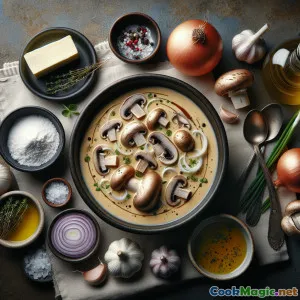
食材
-
300 grams 甜玉米粒
(Use thawed frozen or freshly steamed; drain well)
-
250 grams 煮熟的土豆,捣碎
(Floury potatoes work best for binding)
-
100 grams 帕尼尔碎末
(Adds richness; substitute firm tofu for vegan)
-
100 grams 滤过酸奶
(For tandoori coating; use thick plant yogurt for vegan)
-
3 tbsp 鹰嘴豆粉(besan),干炒
(Roast until nutty; key binder)
-
1.5 tbsp 米粉或玉米粉
(Crisp edges and extra binding)
-
2 tsp 姜蒜酱
(新鲜制作,香气最佳)
-
2 pieces 青辣椒,切碎
(根据喜好调整火力)
-
3 tbsp 新鲜香菜叶,切碎
(Bright herbal lift)
-
1.5 tsp 克什米尔红辣椒粉
(Colorful and mildly hot)
-
1 tsp 烤孜然粉
(Smoky undertone)
-
1 tsp 加拉姆马萨拉
(Warming spice backbone)
-
1 tsp Kasuri methi (干燥胡芫香叶)
(Crushed; signature Punjabi aroma)
-
1 tsp 喀特香料
(Tart finish for serving and seasoning)
-
1 tbsp 柠檬汁
(新鲜压榨)
-
1.5 tbsp 芥末油
(Traditional tandoori sharpness; sub neutral oil)
-
1.25 tsp 盐
(按个人口味)
-
2 tbsp 融化的黄油或酥油(用于涂刷)
(Brush during grilling)
-
1 pieces 红洋葱,切成圆环
(用于上菜)
-
4 pieces 柠檬角
(用于上菜)
-
6 pieces 金属签或浸泡过的竹签
(Shape or thread kebabs; soak bamboo 30 min)
-
1 piece 用于熏制的木炭(dhungar)
(Food-safe smoke; do not ingest)
(Use thawed frozen or freshly steamed; drain well)
(Floury potatoes work best for binding)
(Adds richness; substitute firm tofu for vegan)
(For tandoori coating; use thick plant yogurt for vegan)
(Roast until nutty; key binder)
(Crisp edges and extra binding)
(新鲜制作,香气最佳)
(根据喜好调整火力)
(Bright herbal lift)
(Colorful and mildly hot)
(Smoky undertone)
(Warming spice backbone)
(Crushed; signature Punjabi aroma)
(Tart finish for serving and seasoning)
(新鲜压榨)
(Traditional tandoori sharpness; sub neutral oil)
(按个人口味)
(Brush during grilling)
(用于上菜)
(用于上菜)
(Shape or thread kebabs; soak bamboo 30 min)
(Food-safe smoke; do not ingest)
营养
- 份量: 4
- 每份大小: 2 kebabs (180g)
- Calories: 325 kcal
- Carbohydrates: 0 g
- Protein: 12 g
- Fat: 16 g
- Fiber: 6 g
- Sugar: 6 g
- Sodium: 600 mg
- Cholesterol: 35 mg
- Calcium: 220 mg
- Iron: 2.2 mg
制作步骤
-
1 - Roast the besan:
Heat a dry pan over medium heat. Add gram flour and roast, stirring, until it turns golden and nutty, 3–4 minutes. Transfer to a plate to cool.
-
2 - Prep and dry the corn:
If using frozen corn, thaw and pat very dry. Pulse corn in a processor to a coarse crumble, avoiding a paste. Sauté in a dry pan 2–3 minutes to evaporate moisture.
-
3 - Make the kebab mixture:
In a bowl, combine crumbled corn, mashed potatoes, grated paneer, roasted besan, rice flour, ginger-garlic paste, green chilies, coriander, 1 tsp Kashmiri chili, 1/2 tsp cumin, 1/2 tsp garam masala, 1/2 tsp salt, and 1/2 tsp chaat masala. Add lemon juice and 1 tsp mustard oil. Mix to a firm, moldable dough.
-
4 - Chill and shape:
Refrigerate the mixture 10–15 minutes to firm. With oiled palms, shape 8–12 small kebabs or mold along skewers. If sticky, dust lightly with rice flour.
-
5 - Whisk the tandoori coating:
In a bowl, whisk hung curd, remaining Kashmiri chili, remaining cumin and garam masala, crushed kasuri methi, 1/4 tsp chaat masala, remaining salt, and 1 tbsp mustard oil. Brush kebabs lightly to coat.
-
6 - Preheat grill or oven:
Preheat a grill or grill-pan to medium-high, or oven to 220°C (428°F) with a lined tray and rack. Lightly oil grates or rack.
-
7 - Grill to Char:
Place kebabs on hot grill or rack. Cook 10–12 minutes, turning once, until lightly charred with dry edges. Baste with melted butter or ghee midway and at the end.
-
8 - Optional charcoal smoke:
Place a hot charcoal piece in a small steel bowl inside the platter of kebabs. Drizzle 1/2 tsp ghee, cover 2–3 minutes to smoke. Remove charcoal carefully.
-
9 - Serve Punjabi-style:
Dust with remaining chaat masala, add onion rings and lemon wedges. Serve hot with mint chutney and laccha onions.
Heat a dry pan over medium heat. Add gram flour and roast, stirring, until it turns golden and nutty, 3–4 minutes. Transfer to a plate to cool.
If using frozen corn, thaw and pat very dry. Pulse corn in a processor to a coarse crumble, avoiding a paste. Sauté in a dry pan 2–3 minutes to evaporate moisture.
In a bowl, combine crumbled corn, mashed potatoes, grated paneer, roasted besan, rice flour, ginger-garlic paste, green chilies, coriander, 1 tsp Kashmiri chili, 1/2 tsp cumin, 1/2 tsp garam masala, 1/2 tsp salt, and 1/2 tsp chaat masala. Add lemon juice and 1 tsp mustard oil. Mix to a firm, moldable dough.
Refrigerate the mixture 10–15 minutes to firm. With oiled palms, shape 8–12 small kebabs or mold along skewers. If sticky, dust lightly with rice flour.
In a bowl, whisk hung curd, remaining Kashmiri chili, remaining cumin and garam masala, crushed kasuri methi, 1/4 tsp chaat masala, remaining salt, and 1 tbsp mustard oil. Brush kebabs lightly to coat.
Preheat a grill or grill-pan to medium-high, or oven to 220°C (428°F) with a lined tray and rack. Lightly oil grates or rack.
Place kebabs on hot grill or rack. Cook 10–12 minutes, turning once, until lightly charred with dry edges. Baste with melted butter or ghee midway and at the end.
Place a hot charcoal piece in a small steel bowl inside the platter of kebabs. Drizzle 1/2 tsp ghee, cover 2–3 minutes to smoke. Remove charcoal carefully.
Dust with remaining chaat masala, add onion rings and lemon wedges. Serve hot with mint chutney and laccha onions.
关于 烟熏塔多里玉米烤串,旁遮普风格 :的更多信息
Tandoori Bhutteyan Da Kebab
Tandoori Bhutteyan Da Kebab blends two delicious ideas: the tender sweetness of corn (bhutta/bhut teyān in Punjabi) and the smoky, brick-oven spirit of tandoori cookery. This recipe takes the classic North Indian kebab approach and reimagines it for a vegetarian, crowd-pleasing starter that’s as comfortable on a backyard grill as it is under the broiler or in an air fryer. The result is a kebab with crisp, char-kissed edges and a soft, juicy interior that tastes unmistakably Punjabi—bold spices, mustard oil’s peppery edge, and a creamy tandoori sheen.
Why this recipe works
- Corn’s natural sweetness balances tandoori spices, so the kebabs never feel harsh. Kashmiri chili offers vivid color with gentle heat, while roasted cumin and garam masala provide warmth and depth.
- A smart blend of binders—roasted besan and rice flour—keeps the kebabs crisp on the outside, tender within. Roasting besan is key; it brings a nutty aroma and absorbs excess moisture from corn and potato.
- A light brush of hung curd “tandoori coating” delivers that restaurant-style glaze without weighing down the kebab. Because it’s brushed on after shaping, you keep a clean texture while still getting tang and color.
- Optional dhungar (charcoal smoke) adds the signature tandoor fragrance when a clay oven isn’t available.
Tips and notes
- Moisture control is everything. Pulse the corn coarsely and sauté briefly to remove surface moisture. If your mixture is loose, add 1–2 teaspoons more roasted besan or a little rice flour until it holds.
- Chill before shaping. Even 10 minutes in the fridge tightens the mixture and helps the kebabs release cleanly from grill grates.
- Oil management. Brush or spray oil lightly on both the kebabs and grates. Too much oil invites flare-ups and soft surfaces; too little risks sticking.
- Heat zoning. For a grill, set a medium-high direct zone for searing and a cooler zone to finish cooking. Move kebabs to the cooler side to prevent scorching while the centers finish.
- Air fryer directions. Preheat to 200°C (390°F). Arrange kebabs on a greased basket, cook 10–12 minutes, flipping and basting with butter/ghee at the 7-minute mark.
- Oven method. Use a preheated 220°C (428°F) oven with a rack-over-tray setup. This promotes airflow for drier, crisper edges. Finish with 1–2 minutes of broil for char.
- Vegan swap. Replace paneer and yogurt with firm tofu (grated) and thick plant-based yogurt. Use oil instead of ghee or butter.
- Make-ahead. Shape and refrigerate uncooked kebabs up to 24 hours. They freeze well: place shaped kebabs on a tray to freeze, then bag for up to 1 month. Cook from frozen, adding a few minutes.
Serving suggestions
Serve with vibrant mint-coriander chutney and laccha (onion) salad dressed simply with lemon juice, salt, and a pinch of chaat masala. For a fuller spread, pair with roomali roti or small naans and a cooling raita. A tangy pickled mirch (green chili) on the side is quintessentially Punjabi and fantastic with the sweet corn.
Cultural context and history
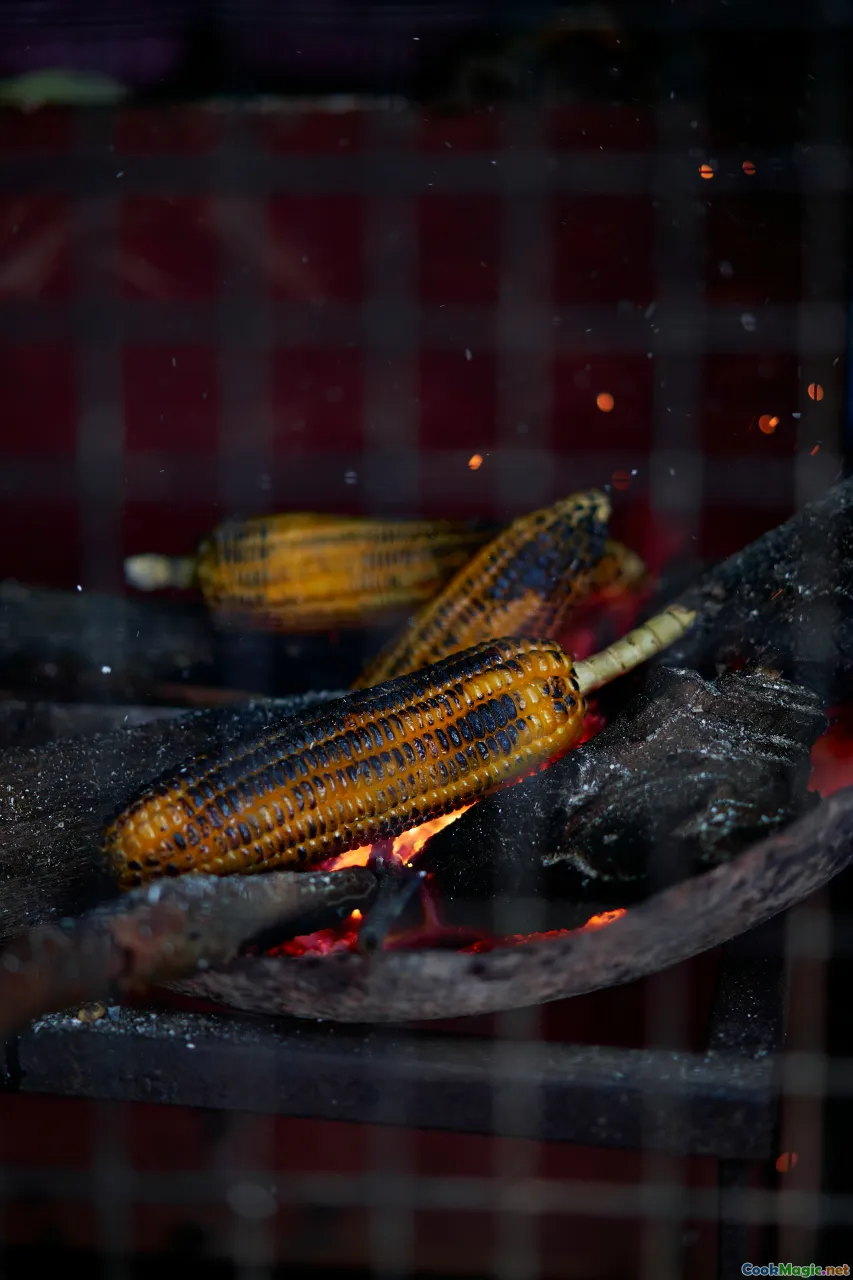
Kebabs are part of a long subcontinental tapestry woven from Persian, Central Asian, and regional Indian techniques. In Punjab, the tandoor—once a community hearth—became a symbol of warmth, hospitality, and celebration. While kebabs often conjure images of minced meats, North Indian vegetarian kebabs have their own proud lineage, from dahi ke kebab to hara bhara and bhutte ke kebab. This dish pays homage to the post-harvest joy of monsoon-season corn roasting on street-side braziers. “Bhutteyan Da” in Punjabi simply means “of corn,” and here it anchors a kebab that is festive, affordable, and friendly to varied diets.
The tandoori profile—yogurt, red chili, kasuri methi, garam masala, mustard oil—is unmistakable. Traditionally, yogurt marinades tenderize meat in a blazing clay oven. For this vegetarian kebab, we adapt that idea by brushing a yogurt-spice coat over a shaped mixture. It caramelizes superficially, giving you the same color and tang without diluting the mixture or making it gluey.
Unique aspects
- Dual-technique flavor: kebab mixture + tandoori glaze yields both interior softness and exterior sheen. You get the best of both worlds without a deep marinade.
- Texture-first engineering: roasted besan and a touch of rice flour create crispness without breadcrumbs, keeping flavors clean and reducing sogginess.
- Flexible heat sources: grill, oven, air fryer, or tawa (griddle). Add dhungar to mimic a tandoor’s smoke.
- Crowd appeal: gentle heat from Kashmiri chili lets you serve a spectrum of diners. Spice lovers can add green chutney or a sprinkle of extra chili.
Troubleshooting
- Kebabs breaking on the grill: mixture likely too wet or grill not hot. Add 1 tbsp more roasted besan, preheat well, and avoid flipping too early.
- Pale color: use Kashmiri chili for color and finish with a brief broil/sear. Don’t drown in yogurt; a thin brush is enough.
- Lacking punch: finish with lemon and chaat masala. A final brush of ghee lends aromatic richness.
Final thoughts
Tandoori Bhutteyan Da Kebab bridges home comfort and street-food excitement. It’s weeknight-manageable yet festive enough for gatherings. With a handful of pantry spices and a little technique—coarse corn, roasted besan, a careful tandoori brush—you can deliver a kebab that looks restaurant-ready and tastes like Punjab on a plate.