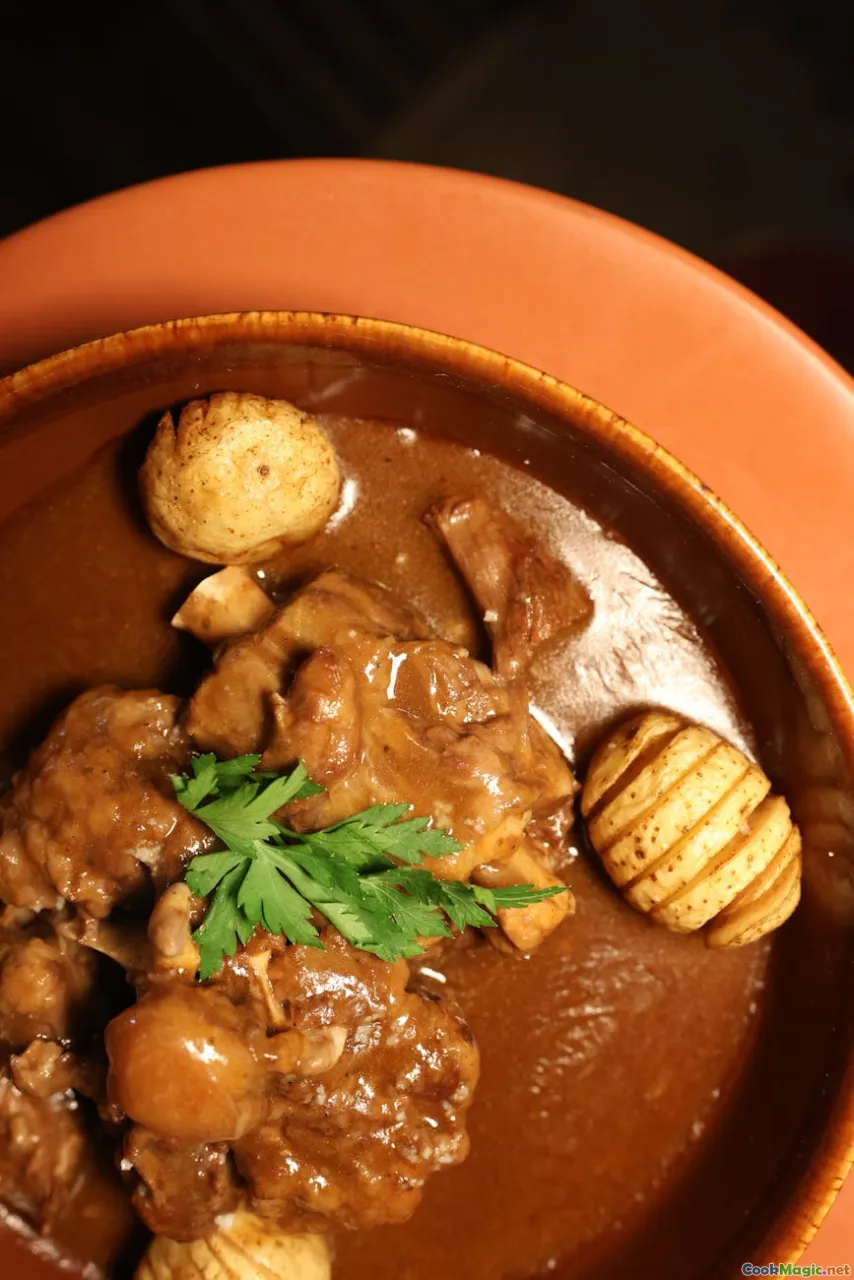
斯莫兰特的克罗普卡克炖菜 - 瑞典饺子炖肉
(Smalandets Kroppkaksgryta - Swedish Dumpling Stew)
(0 评论)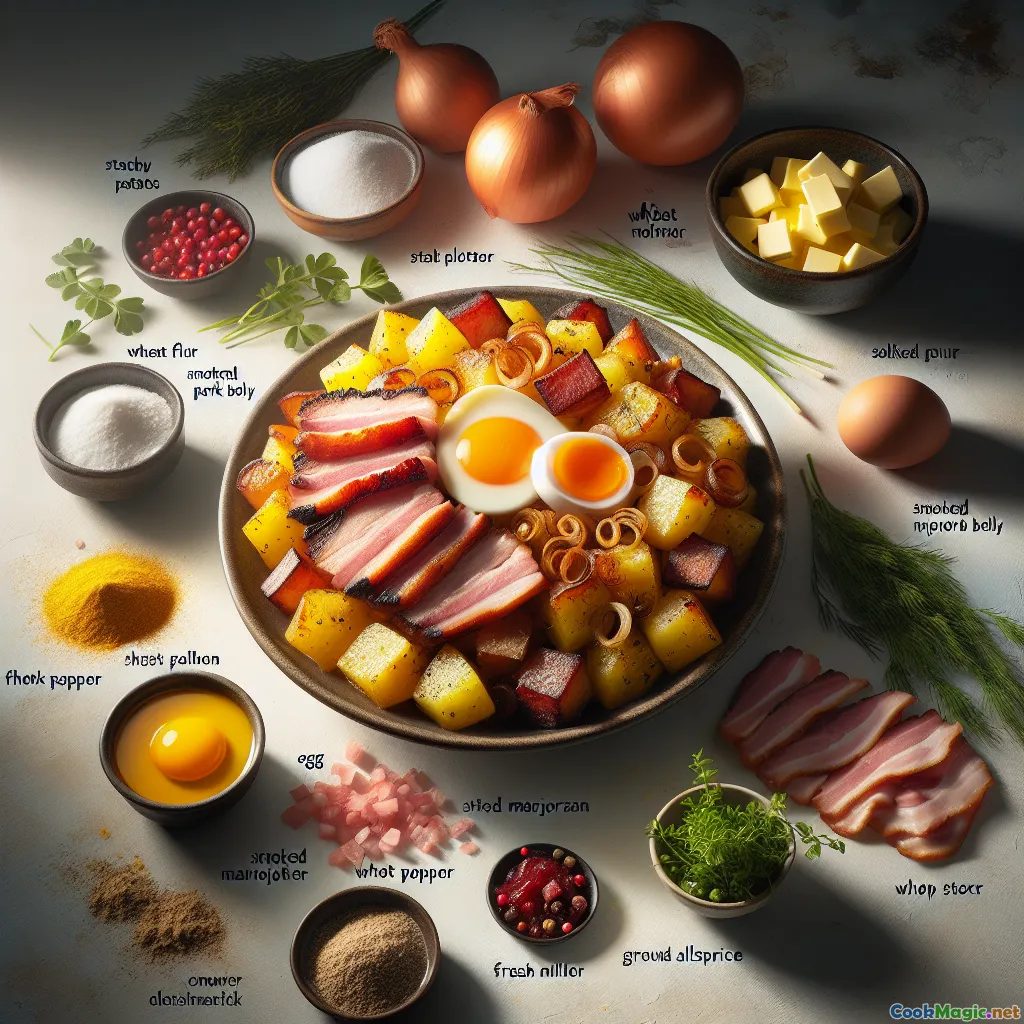
食材
营养
- 份量: 4
- 每份大小: 1 碗(约 300 g)
- Calories: 550 kcal
- Carbohydrates: 72 g
- Protein: 20 g
- Fat: 21 g
- Fiber: 6 g
- Sugar: 7 g
- Sodium: 1240 mg
- Cholesterol: 52 mg
- Calcium: 142 mg
- Iron: 3 mg
制作步骤
-
1 - 准备土豆饺子面团:
将土豆擦成细丝,用毛巾挤出多余的水分。与面粉、打散的鸡蛋和1茶匙盐混合,形成柔软、不粘手的面团。放在一边。
-
2 - 准备馅料:
用1汤匙黄油将切碎的五花肉和洋葱炒至金黄。加入半量的白胡椒、马郁兰和半量的新鲜莳萝。冷却5分钟。
-
3 - 肉丸模具:
用湿润的手,将一块约高尔夫球大小的面团压扁,加入一茶匙猪肉洋葱馅料,包裹并封口,做成圆形的饺子。直到用完面团为止。
-
4 - 煮饺子:
把一大锅加盐的水烧至微沸(不要沸腾)。分批轻轻放入饺子,煮至浮起后再小火煮4–5分钟。盛盘。
-
5 - 炖汤底料:
擦干锅。加入1汤匙黄油,温和加热,搅拌入剩余的白胡椒粉、肉豆蔻(如使用)、牛奶和鸡汤。温热但不要煮沸,用0.5茶匙盐调味。
-
6 - 将配料混合并完成炖汤:
将饺子小心加入炖汤底。再撒上额外的新鲜莳萝,轻轻加热至少8分钟,直到风味融合。避免剧烈搅拌。
-
7 - 上菜:
舀取炖汤(包括汤底和饺子)盛入碗中。如愿,可以在上面再放上一勺 lingonberry 果酱,并撒上更多莳萝。
将土豆擦成细丝,用毛巾挤出多余的水分。与面粉、打散的鸡蛋和1茶匙盐混合,形成柔软、不粘手的面团。放在一边。
用1汤匙黄油将切碎的五花肉和洋葱炒至金黄。加入半量的白胡椒、马郁兰和半量的新鲜莳萝。冷却5分钟。
用湿润的手,将一块约高尔夫球大小的面团压扁,加入一茶匙猪肉洋葱馅料,包裹并封口,做成圆形的饺子。直到用完面团为止。
把一大锅加盐的水烧至微沸(不要沸腾)。分批轻轻放入饺子,煮至浮起后再小火煮4–5分钟。盛盘。
擦干锅。加入1汤匙黄油,温和加热,搅拌入剩余的白胡椒粉、肉豆蔻(如使用)、牛奶和鸡汤。温热但不要煮沸,用0.5茶匙盐调味。
将饺子小心加入炖汤底。再撒上额外的新鲜莳萝,轻轻加热至少8分钟,直到风味融合。避免剧烈搅拌。
舀取炖汤(包括汤底和饺子)盛入碗中。如愿,可以在上面再放上一勺 lingonberry 果酱,并撒上更多莳萝。
关于 斯莫兰特的克罗普卡克炖菜 - 瑞典饺子炖肉 :的更多信息
Smalandets Kroppkaksgryta: A Homage to Swedish Comfort Dining
Few dishes are as satisfyingly hearty, historically rich, and imbued with cultural nuance as the humble Swedish kroppkaka—an incredibly unique potato dumpling traditionally filled with pork and onions. This recipe, Smalandets Kroppkaksgryta, adapts classic Småland kroppkakor into a soul-warming stew format, capturing the spirit of south-central Sweden’s homespun winter kitchen, where origins stem from agricultural ingenuity and a penchant for rich, earthly flavors.
The Story Behind Kroppkaka
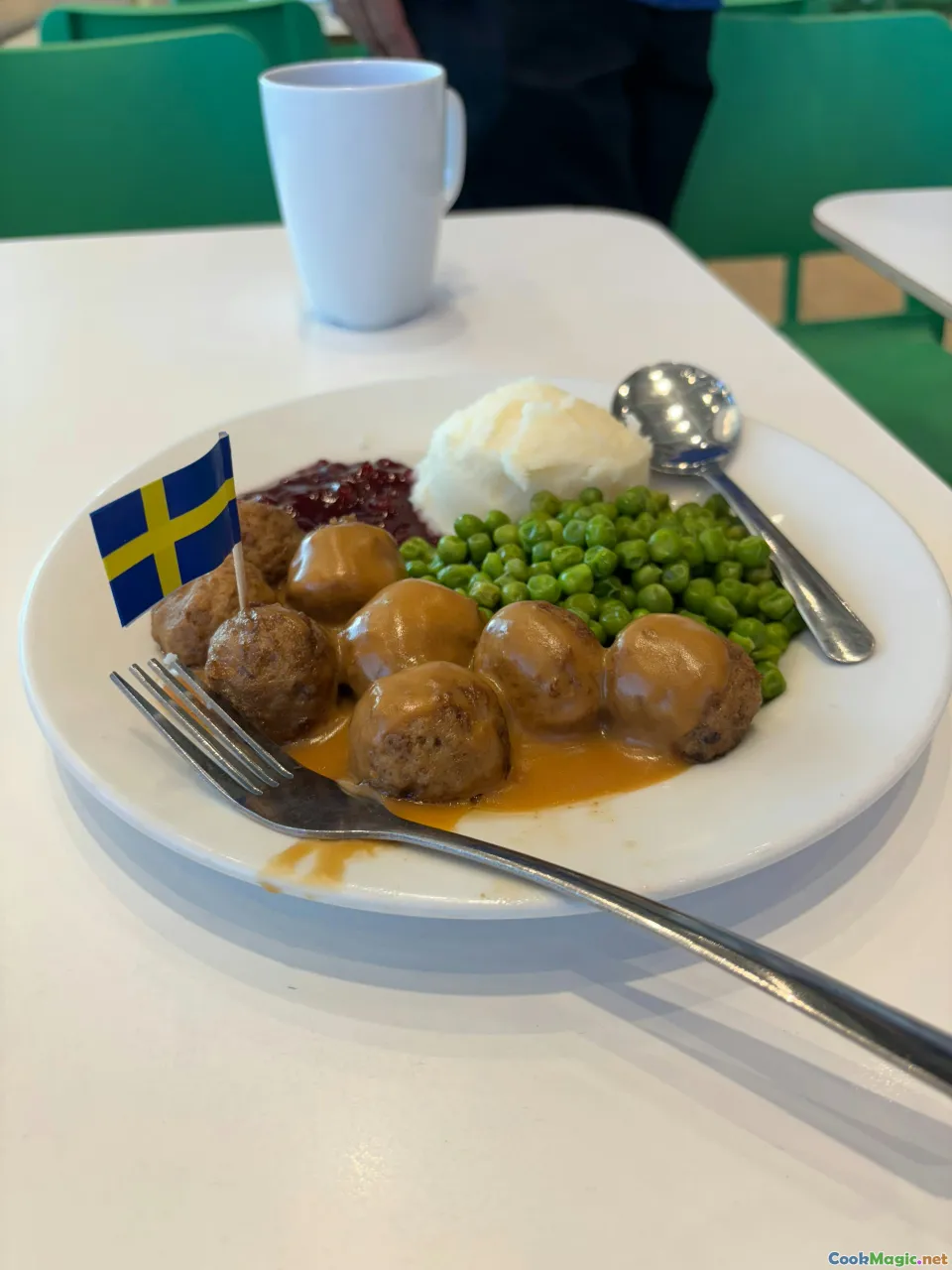
Kroppkaka ("body cake") is itself an evocative name, hinting at sustenance during long, cold months when potatoes assumed center stage in every meal. In Småland, these pillowy dumplings, often specked with dill and allspice, take on a slightly sweet-and-savory manner. Traditionally, they are boiled and served simply with melted butter or, delightfully, with tart lingonberry preserves flashing their crimson on a white plate. It is common for communal kitchens to make ample quantities ahead for feasts or family gatherings.
A Unique Modern Twist: Turning Dumplings Into Stew
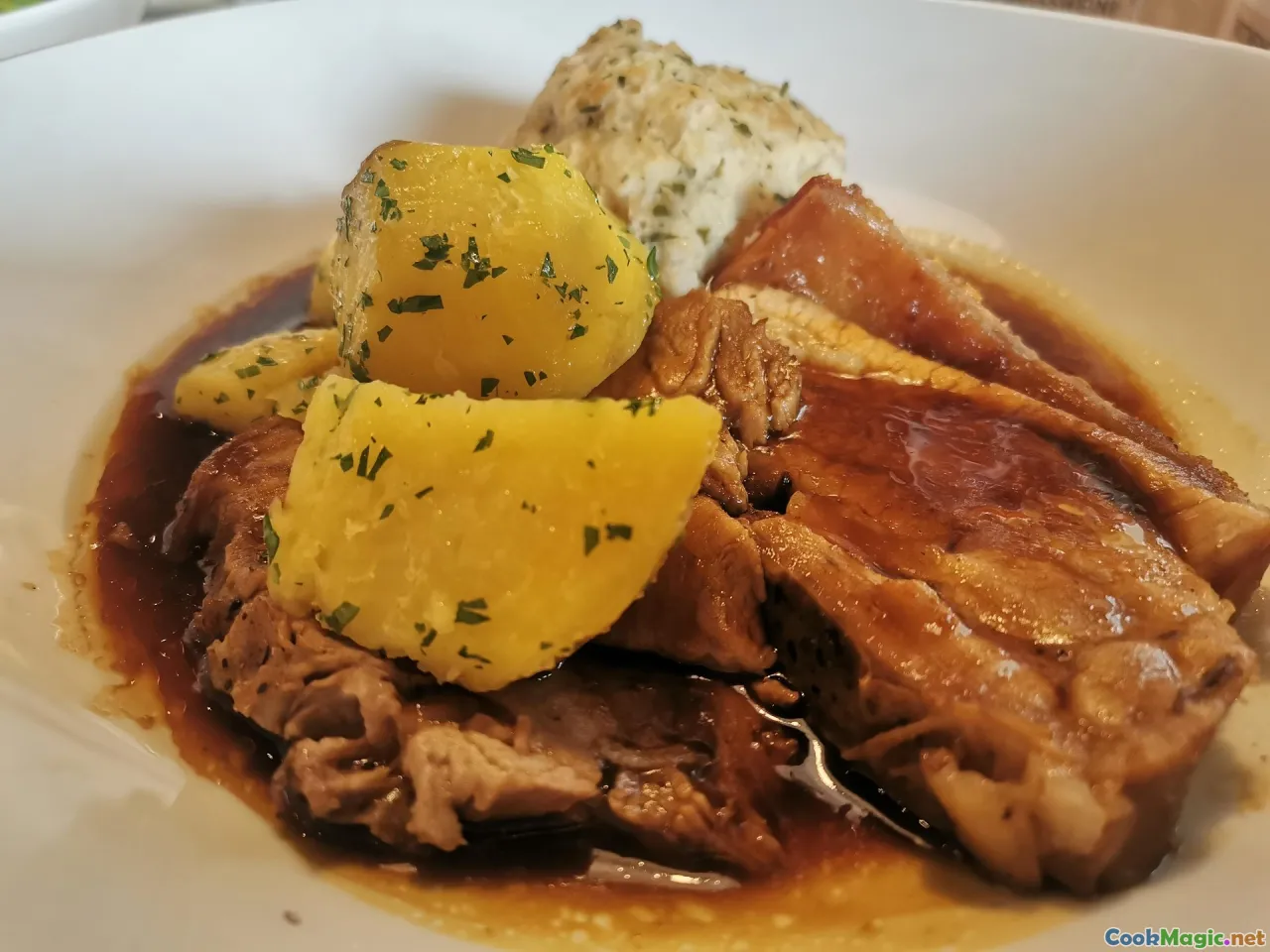
While conventional kroppkakor appear as individual dumplings, this recipe reimagines them nestled in a comforting, milky broth infused with herbs. Tender cubes of smoked pork create a meaty backbone; finishing with a hint of marjoram and sweet onion infuse deep flavors into every bite. The stew base is enriched subtly with stock and milk, reflecting Sweden's love of dairy, then brightened with fresh dill—a recurring theme in Swedish homes.
Cooking & Serving Tips
- Potatoes: Use starchy, floury potatoes for best texture; waxing potatoes lead to gluey dumplings.
- Squeezing: It's crucial to wring out as much liquid as possible from grated potatoes—this stops the dough becoming heavy or sodden.
- Shaping & Sealing: Keeping your hands lightly damp prevents sticking when forming dumplings. Be sure to seal tightly so none burst during simmering.
- Don’t Overboil: Simmer, not boil! Vigorous bubbling can break the dumplings apart.
- Lingonberry Jam: Always serve a spoonful for authentic flair—the tang offsets the richness beautifully.
- Layer in Your Own Touches: For a more lavish feast, some add chopped mushrooms or use game meats. For vegetarian twists, swap the pork filling with golden-fried oyster mushrooms and leeks.
Historical and Cultural Roots
The reliance on preserved meats and winter root vegetables is typical of old Swedish farmhouse kitchens trying to utilize ingredients beyond their fresh season. Before refrigeration, curing or lightly smoking pork belly was a wintertime necessity, and root vegetables like potatoes dominated the table. Småland and Gotland both have claims to variations of kroppkakor, with debate over usage of raw versus pre-boiled potatoes. This version stakes its claim as authentically Smålandish: raw potato dough, sweet pork, and a touch of dill.
Dairy and boiled meat were traditionally signs of hospitality in Sweden; offering kroppkakor was a mark of respect and generosity. Today, though store-bought versions abound, families frequently gather to produce kroppkakor for special occasions, holidays, or simply as a gesture of collective remembrance.
Personal Reflections & Unique Qualities
This stew warms not just the stomach but the heart—tender dumplings yield to a lilting bite of pork, while the herb-laden broth soothes with creamy mouthfeel and homey aromas reminiscent of rural kitchens. A shining testament to frugality turned into culinary brilliance, Smalandets Kroppkaksgryta reveals how everyday ingredients—potatoes, flour, onion, bits of cured pork—can become something simultaneously humble and extraordinary.
To prepare this dish is to participate in history: the repetitive motions of grating, seasoning, forming, and simmering reflect the way food has always been about showing care, keeping warm, and making the most of the pantry. Through this recipe, anyone can conjure—not just a hearty meal—but a little corner of Swedish winter, where the kitchen radiates fellowship and the landscape outside is painted in whites and golds.
“Mat är kultur, minnen och traditioner” (“Food is culture, memories, and traditions.”)
Try this broth-laden, dumpling-studded stew, and you’ll surely taste more than just potatoes and pork—you’ll savor Swedish hospitality at its core.