经典英式风味的博洛尼亚肉酱,带点创新
(Classic English-style Bolognese with a Twist)
(0 评论)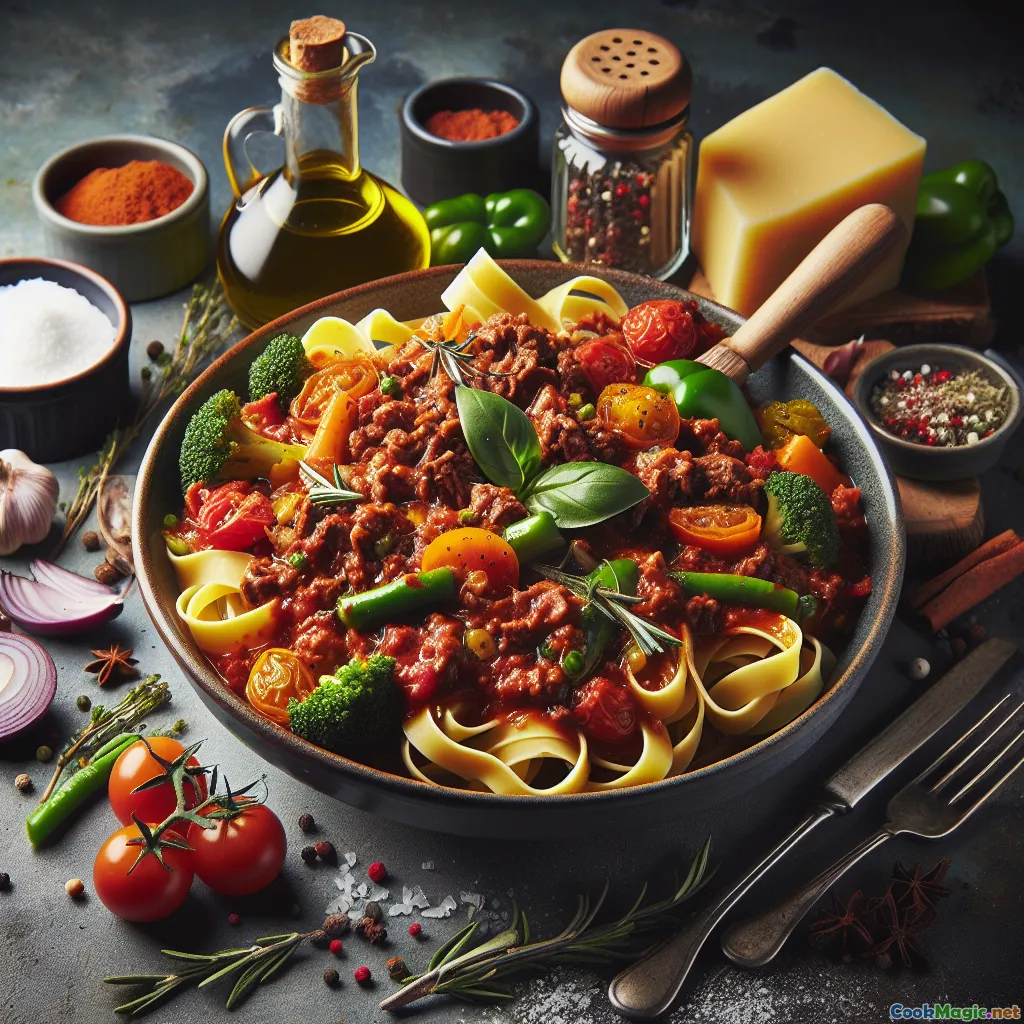
食材
-
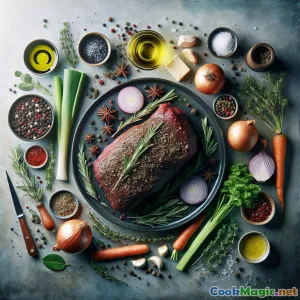
2 tbsp 橄榄油
(为获得更丰富的风味,建议使用特级初榨橄榄油。)
-
1 tbsp 无盐黄油
(用于蔬菜焦糖化)
-
60 grams 英国风干腌制培根
(切成细末,增添烟熏香气。)
-
1 medium 洋葱
(切丁)
-
1 medium 胡萝卜
(切得很细)
-
1 large 芹菜杆
(切得很细)
-
2 large 大蒜瓣
(压碎的)
-
400 grams 英国牛肉末
(20% 脂肪,带来最佳口感与质地)
-
100 grams 猪肉末
(赋予风味深度)
-
2 tbsp 番茄泥
(增加甜味和颜色)
-
2 tsp 伍斯特酱
(提升鲜味的英式变奏)
-
150 ml 全脂牛奶
(缓和酸度)
-
125 ml 红酒
(口感丰满以获得最佳风味;也可用牛肉高汤替代。)
-
1 400g can 切碎的罐装番茄
(为了让酱汁更浓郁,请排出少量液体。)
-
200 ml 牛肉高汤
(适用于焖煮)
肉豆蔻, a pinch
-
1 whole 月桂叶
(干燥或新鲜)
-
1 tsp 混合干香草
(英式混合最佳)
-
1 tsp 海盐
(根据个人口味)
-
0.5 tsp 黑胡椒
(新鲜打裂)
-
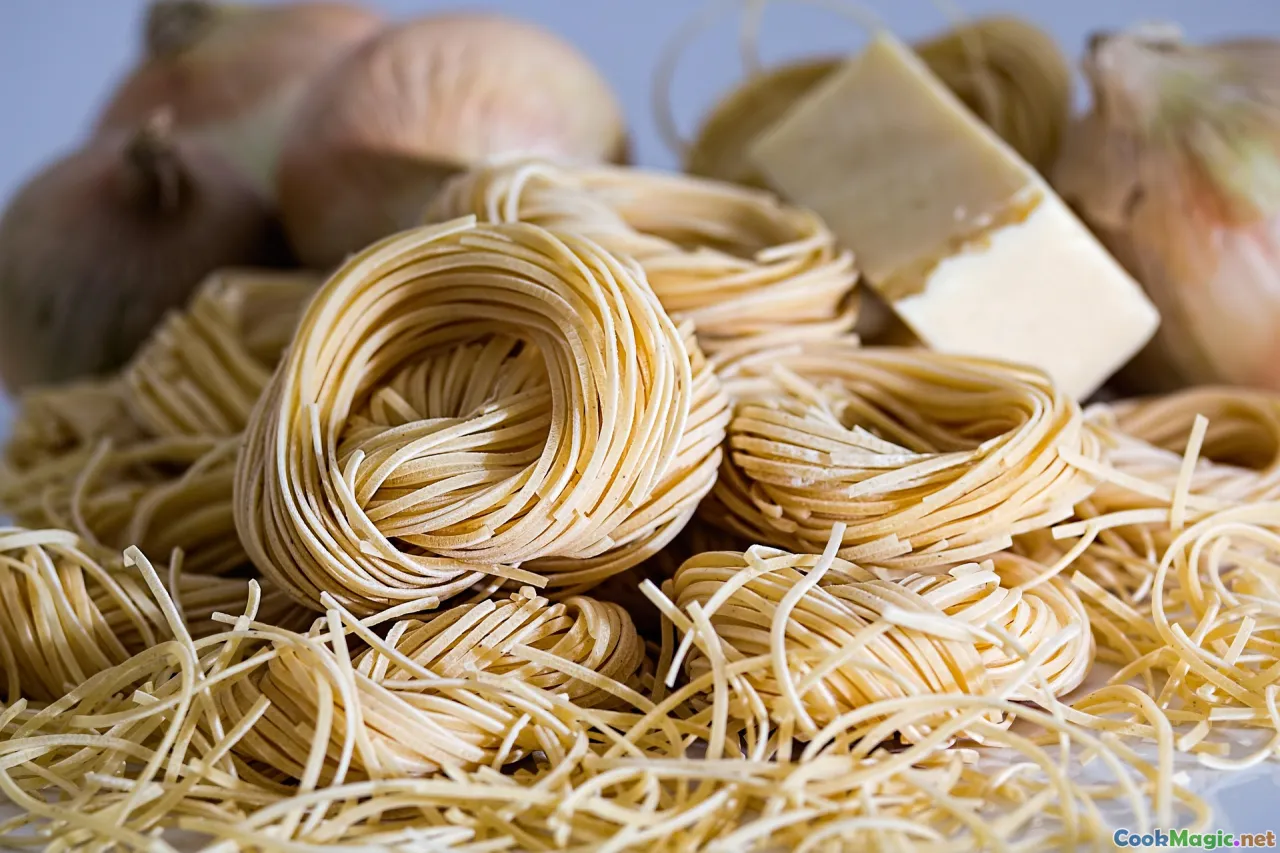
350 grams 熟制的扁意粉或宽面条
(新鲜或干燥的,优先选择意大利蛋面。)
-
40 grams 帕尔马干酪
(现刨成薄片或细碎,供上桌使用)
(为获得更丰富的风味,建议使用特级初榨橄榄油。)
(用于蔬菜焦糖化)
(切成细末,增添烟熏香气。)
(切丁)
(切得很细)
(切得很细)
(压碎的)
(20% 脂肪,带来最佳口感与质地)
(赋予风味深度)
(增加甜味和颜色)
(提升鲜味的英式变奏)
(缓和酸度)
(口感丰满以获得最佳风味;也可用牛肉高汤替代。)
(为了让酱汁更浓郁,请排出少量液体。)
(适用于焖煮)
(干燥或新鲜)
(英式混合最佳)
(根据个人口味)
(新鲜打裂)
(新鲜或干燥的,优先选择意大利蛋面。)
(现刨成薄片或细碎,供上桌使用)
营养
- 份量: 4
- 每份大小: 1 碗 (250克)
- Calories: 635 kcal
- Carbohydrates: 55 g
- Protein: 33 g
- Fat: 32 g
- Fiber: 7 g
- Sugar: 9 g
- Sodium: 650 mg
- Cholesterol: 75 mg
- Calcium: 225 mg
- Iron: 4.2 mg
制作步骤
-
1 - 准备食材:
在开始烹饪过程之前,将所有蔬菜切成细末,将培根切成丁,捣碎大蒜,并把帕玛森奶酪刨碎,以确保工作流程顺畅。
-
2 - 调制 sofrito 底料:
在中火下,在一个大而厚底的炖锅中加热橄榄油和黄油。把培根煸至金黄,然后加入洋葱、胡萝卜和芹菜。煮至软化,大约8分钟。
-
3 - 炒肉:
加入捣碎的蒜末,然后加入牛肉末(如使用也加入猪肉末)。彻底打散并深度煎至棕色——这有助于风味的发展。
-
4 - 添加湿性成分:
将番茄泥和伍斯特酱拌匀;煮约1分钟。用盐、黑胡椒、肉豆蔻和混合干香草充分调味。
-
5 - 去锅底并用小火慢煮:
倒入红酒,刮下锅底那些美味的棕色焦香碎屑。让它减至原来的一半,然后加入罐头番茄、月桂叶和牛肉高汤。
-
6 - 小火慢炖:
将火调至最低。倒入牛奶,轻轻搅拌,然后盖上锅盖,小火炖煮2小时,时不时搅拌,直到酱汁变稠且光亮。尝味并调整调味。
-
7 - 煮熟并拌匀意大利面:
按照包装上的指示煮熟意大利面。沥干后,在一个大碗中与一半的酱汁轻轻拌匀;再浇上多余的酱汁。
-
8 - 上菜和装饰:
盛上丰盛的份量,表面覆以大量新鲜刨成薄片的帕玛森芝士,再点缀一点黑胡椒。请立即享用!
在开始烹饪过程之前,将所有蔬菜切成细末,将培根切成丁,捣碎大蒜,并把帕玛森奶酪刨碎,以确保工作流程顺畅。
在中火下,在一个大而厚底的炖锅中加热橄榄油和黄油。把培根煸至金黄,然后加入洋葱、胡萝卜和芹菜。煮至软化,大约8分钟。
加入捣碎的蒜末,然后加入牛肉末(如使用也加入猪肉末)。彻底打散并深度煎至棕色——这有助于风味的发展。
将番茄泥和伍斯特酱拌匀;煮约1分钟。用盐、黑胡椒、肉豆蔻和混合干香草充分调味。
倒入红酒,刮下锅底那些美味的棕色焦香碎屑。让它减至原来的一半,然后加入罐头番茄、月桂叶和牛肉高汤。
将火调至最低。倒入牛奶,轻轻搅拌,然后盖上锅盖,小火炖煮2小时,时不时搅拌,直到酱汁变稠且光亮。尝味并调整调味。
按照包装上的指示煮熟意大利面。沥干后,在一个大碗中与一半的酱汁轻轻拌匀;再浇上多余的酱汁。
盛上丰盛的份量,表面覆以大量新鲜刨成薄片的帕玛森芝士,再点缀一点黑胡椒。请立即享用!
关于 经典英式风味的博洛尼亚肉酱,带点创新 :的更多信息
Ragu alla Bolognese ~ The English Way
There are few things as comforting and beloved as a steaming bowl of slow-cooked Bolognese sauce, draping luscious ribbons of pasta. While Ragu alla Bolognese originates from the rich culinary traditions of Northern Italy—specifically, the cuisine of Bologna—this unique recipe version infuses classic technique with subtle hints of English heritage. Rather than replacing what is already good, it seeks kinship across the Channel, using select British ingredients to offer a new experience.
Origins & History
Bolognese, known as "ragu alla Bolognese," is a sauce born in Bologna, Italy’s food capital, tracing tradition as far back as the 18th century. The original ragù was distinctly different from the quick tomato-laden sauces often seen today, being primarily a slow-cooked combination of meat, vegetables, wine, and milk, simmered to perfect richness. Official Italian registry (the Accademia Italiana della Cucina) suggests tagliatelle over spaghetti, with the finished ragu being mellow, creamy, and not overwhelmingly tomato-heavy.
English cuisine, meanwhile, cherishes slow cooking, hearty stews, and the subtle undercurrents of umami—Worcestershire sauce, dry-cured bacon, and robust blended herbs. This Bolognese nods affectionately to that history, incorporating a spoonful of Worcestershire for complexity and pancetta found in classic Italian recipes, but using distinct British bacon instead for a smoky dimension.
Technique & Key Ingredients
The soul of this sauce lies in the building of flavor. Bacon and finely diced vegetables create a fundamental "sofrito" (Italian) or "mirepoix" (French/British), laying down lakes of savory-sweetness in shimmering olive oil and butter. High-quality British beef (with a touch of pork for intrigue) infuses depth. The crucial step is gentle caramelization—taking the time to draw out maximum flavor.
Worcestershire sauce, a distinctly British ingredient, enhances meatiness via anchovy-based umami, while English mixed dried herbs (often including thyme, rosemary, parsley) give rustic warmth. The slow swirl of whole milk softens acidity and rounds all flavors, while a hint of nutmeg provides a mysterious background softness. Most iconic is the long and patient simmer—plan ahead for the two-hour stove session; it’s worth every minute.
Traditionalists might opt for hand-rolled tagliatelle (and why not flank steak instead of mince, chopped by hand?). Purists insist pasta shapes with furrows or width hold the sauce better, while those seeking modern decay may substitute gluten-free options… but for an Anglo-Italian table, egg pappardelle is a winning bet.
Cooking, Serving, and Personal Touches
One of the delightful aspects of Bolognese—especially in English kitchens—is its accommodating nature. It can be made ahead (in fact, overnight rest yields deeper flavor!), frozen in portions, or doubled for future joy. Leftovers taste phenomenal in a lasagna, on toasted bread, or even with a runny-fried egg for a hearty British breakfast.
Finishing touches are crucial: a mountain of good-quality parmesan cheese (try Pecorino or even English cheddar as a twist), and fresh black pepper enliven each mouthful. For a final flourish, green peas or a spoonful of classic English mustard stirred through offer surprise depth and flavor; serve with a fresh salad and crusty bread on the side.
Cultural Significance
Ragu alla Bolognese—regardless of regional variation—represents international camaraderie, much like how pasta transcends borders and British tastes seamlessly marry older Italian techniques. On brisk winter evenings, these dishes become occasions: gatherings around noisy communal tables, laughter, and warming satisfaction.
Tips and Unique Aspects
- Use a mix of beef and pork for a richer, authentic taste, but entirely beef works if preferred.
- Worcestershire sauce may seem unconventional but blends beautifully; feel free to adjust to your taste.
- Always add dairy after acidic tomatoes and wine.
- Slow simmer is vital: do not rush! Let the sauce thicken and gloss over time.
- Fresh pasta enhances absorption; toss it directly in sauce before serving for best results.
Bonus Tip: For a gluten-free or lighter meal, serve the ragu over roasted courgettes or creamy mashed potatoes instead of pasta.
Few meals are as universally beloved as a good Bolognese—give this English-inspired variant a try for an evening that bridges history, nations, and savory, heartwarming satisfaction.