咸鲜索洛椰香米饭佳肴
(Savory Solo Coconut Rice Delight)
(0 评论)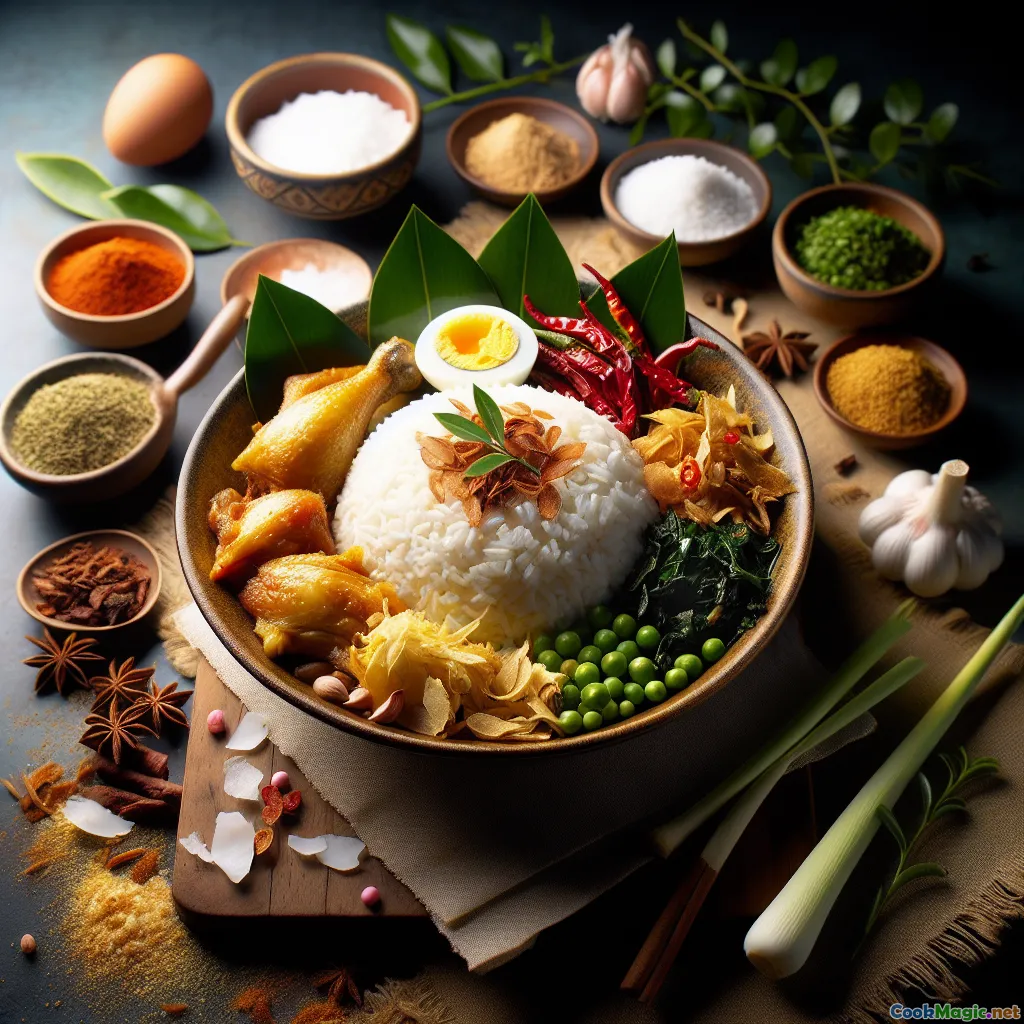

食材
-
300 grams 香米
(尽量使用正宗的印尼品种。)
-
400 ml 椰奶
(使用浓厚的初榨油来提升风味。)
-
200 ml 水
-
300 grams 鸡腿
(无骨,切成块状)
-
2 leaves 香兰叶
(打成一个结以散发香气)
-
2 stalks 香茅
(瘀伤且系紧)
-
2 leaves 月桂叶
(最好使用印尼产的月桂叶)
-
2 cm piece 高良姜
(淤青)
-
4 cloves 青葱
(薄切)
-
2 cloves 大蒜
(剁碎的)
-
1 tsp 盐
(根据口味调整)
-
1 tsp 糖
(上色并平衡风味)
-
2 whole 水煮蛋
(用于装饰)
-
100 grams 炸天贝
(用于装饰)
-
4 tbsp Serundeng(炸椰子片)
(用于装饰)
-
2 tbsp 炸葱头
(用于装饰)
-
2 whole 青椒
(为了增加辣味)
(尽量使用正宗的印尼品种。)
(使用浓厚的初榨油来提升风味。)
(无骨,切成块状)
(打成一个结以散发香气)
(瘀伤且系紧)
(最好使用印尼产的月桂叶)
(淤青)
(薄切)
(剁碎的)
(根据口味调整)
(上色并平衡风味)
(用于装饰)
(用于装饰)
(用于装饰)
(用于装饰)
(为了增加辣味)
营养
- 份量: 4
- 每份大小: 1盘(250克)
- Calories: 550 kcal
- Carbohydrates: 65 g
- Protein: 16 g
- Fat: 22 g
- Fiber: 4 g
- Sugar: 5 g
- Sodium: 580 mg
- Cholesterol: 70 mg
- Calcium: 80 mg
- Iron: 3 mg
制作步骤
-
1 - 准备香料:
把香兰叶、柠檬草和高良姜捣碎。把红葱头切成薄片,蒜头切成末。
-
2 - 炒红葱头和大蒜:
在厚底锅中,加入少量油,将红葱头和大蒜炒至香味四溢且呈金黄色。
-
3 - 添加香料:
把班兰叶、香茅、月桂叶和拍碎的高良姜放入锅中。稍微炒一下以释放香气。
-
4 - 将米饭与椰奶混合:
把茉莉香米、椰奶和水放入锅中。加入盐并搅拌均匀(如使用糖也一并放入)。充分搅拌。
-
5 - 将米饭用小火煮熟:
将混合物煮至小火慢炖。盖上锅盖,调低火力,煮至米吸收液体并变软——大约20–25分钟。偶尔搅拌以防粘锅。
-
6 - 添加鸡肉(可选):
如果使用鸡肉,在烹饪过程的一半时将鸡块嵌入米饭中。盖上盖子,让它们蒸至熟透。
-
7 - 准备配料:
把鸡蛋煮硬,把 Tempeh 炒至金黄,并把椰子片烤香用于 serundeng(若不使用现成的)。将装饰品放在一旁。
-
8 - 拼盘与上菜:
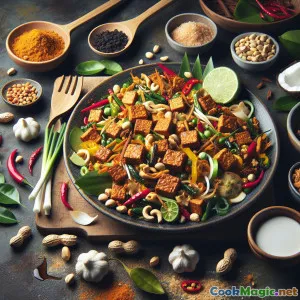
把米饭松散地拌开,去除香味材料。盛盘后,在每份上放上鸡蛋、tempeh、serundeng、炸洋葱和一颗青辣椒。
把香兰叶、柠檬草和高良姜捣碎。把红葱头切成薄片,蒜头切成末。
在厚底锅中,加入少量油,将红葱头和大蒜炒至香味四溢且呈金黄色。
把班兰叶、香茅、月桂叶和拍碎的高良姜放入锅中。稍微炒一下以释放香气。
把茉莉香米、椰奶和水放入锅中。加入盐并搅拌均匀(如使用糖也一并放入)。充分搅拌。
将混合物煮至小火慢炖。盖上锅盖,调低火力,煮至米吸收液体并变软——大约20–25分钟。偶尔搅拌以防粘锅。
如果使用鸡肉,在烹饪过程的一半时将鸡块嵌入米饭中。盖上盖子,让它们蒸至熟透。
把鸡蛋煮硬,把 Tempeh 炒至金黄,并把椰子片烤香用于 serundeng(若不使用现成的)。将装饰品放在一旁。
把米饭松散地拌开,去除香味材料。盛盘后,在每份上放上鸡蛋、tempeh、serundeng、炸洋葱和一颗青辣椒。
关于 咸鲜索洛椰香米饭佳肴 :的更多信息
Nasi Liwet Solo Gurih: A Journey Into Java’s Rice Traditions
Summary
Nasi Liwet Solo Gurih is the epitome of Solo’s comfort food—rich, fragrant, and deeply artisanal. This savory rice dish, whose origins hail from the city of Solo (Surakarta) on the island of Java, takes humble white rice and transforms it into a festive centerpiece through the masterful layering of coconut milk and aromatic herbs. Every bite tells a story—creamy from the coconut, fresh from lemongrass and pandan, and earthy from the optional protein toppings.
History & Cultural Significance
Nasi liwet itself dates back centuries as both royal cuisine and humble home fare. Particularly in Solo, the dish gained traction as a favorite for communal meals and village celebrations. The secret lies in the sacred trinity of pandan, lemongrass, and coconut milk—a legacy from the Javanese philosophy of rukun (harmony) reflected through food. Traditionally, nasi liwet is enjoyed on banana leaves, eaten by hand, and shared amidst conversation. In Javanese culture, food is not just sustenance—it’s an invitation to togetherness.
For specific communities—like the Sesaji Dalem ceremonies—binding the kitchen smells of coconut and pandan into rice is tribute to ancestors and an act of celebration. Served most authentically with toppings like hard-boiled eggs, opor ayam (coconut chicken), tofu, tempeh, and serundeng, the dish is wonderfully adaptable across generations.
Unique Aspects
One of the most distinguishing features of Solo nasi liwet is the sticky, almost risotto-like texture. Unlike plain steamed rice, the grains slowly absorb the rich, spiced coconut milk, the flavor steeped through the aromatics for a truly soothing eating experience. Layers of fried toppings—tempeh, serundeng (toasted and spiced coconut), and crispy shallots—offer big contrasts in both flavor and texture.
Another Quintessential detail? The use of pandan and lemongrass. Pandan imparts a unique, sweet-floral scent that lifts the whole pot, while lemongrass’s citrus notes cut through the coconut’s intensity. If original daun salam (Indonesian bay leaves) can be found, they add a subtle earthy note otherwise missing from "regular" bay leaves.
Tips & Substitutions
- If jasmine or medium-grain rice isn’t available, sushi rice (rinsed) offers a similarly sticky result.
- Substitute chicken with mushrooms or tofu for a vegetarian adaptation.
- Store-bought fried onions save time, though making them fresh enhances authenticity.
- Do not skip pandan leaf if possible—it’s central for fragrance!
- Make in a rice cooker by combining all ingredients (apart from proteins), switching to 'cook' mode, and stirring after 10-15 minutes.
Serving
Nasi Liwet is best enjoyed hot, ladled onto banana leaves if available, and topped with whatever proteins or sambals fit your tastes. It pairs excellently with labu siam (chayote stew) and simple cucumber pickles for additional freshness.
Personal Thoughts
Every pot conjures a time-travel to Solo at dawn: the sizzle of spices, temple bells, and neighbors offering a shared meal. Try presenting the dish this way next communal gathering; its subtle warmth will garner surprise and delight. It’s food at its most unifying—proof that even the simplest grain, when honored and elevated, can tell a whole city’s story.