土豆番茄辛香融合:酸味と土の調和
(Aloo Tama Sinki Fusion: Tang & Earthiness United)
(0 评论)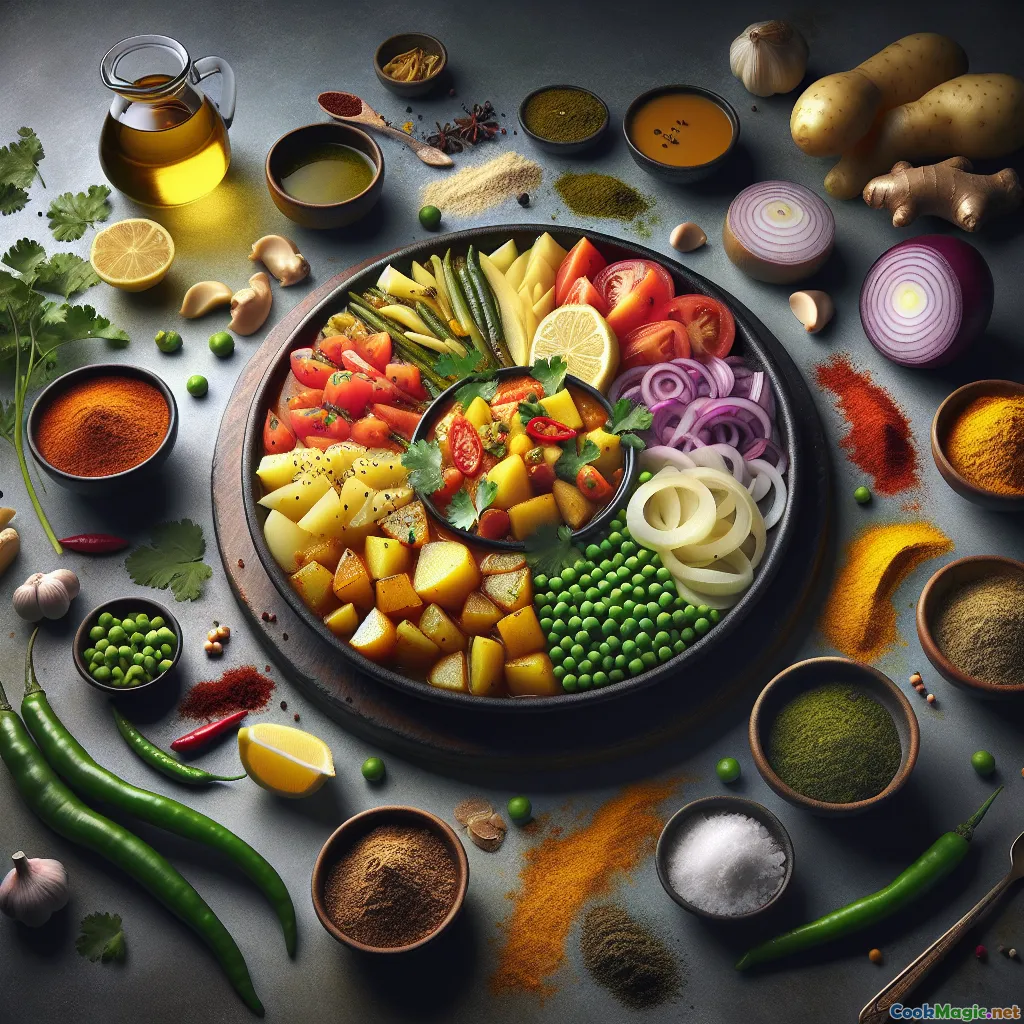
食材
-
400 grams 土豆(aloo),去皮并切成丁
(偏好 Charlotte 或 Yukon Gold 这样的蜡质土豆品种。)
-
100 grams 塔马(发酵竹笋),切丝
(新鲜的或罐头的;若以盐水腌制,请冲洗。)
-
50 grams Sinki(发酵萝卜根)
(传统做法,或以泡菜替代以增添新意。)
-
100 grams 青豌豆
(冷冻或新鲜)
-
1 large 切碎的番茄
(通过平衡酸度来提升明亮感。)
-
1 medium 洋葱,切丁
-
1 tbsp 新鲜姜末
-
2 large 大蒜瓣,切碎
-
1/2 tsp 姜黄粉
-
1 tsp 香菜粉
-
1/2 tsp 孜然种子
-
2 small 青辣椒,切碎
(根据口味调整)
-
2 tbsp 植物油
-
2 tbsp 香菜叶,切碎
(用于装饰)
-
1 tbsp 柠檬汁
(提升口感的酸度。)
盐, to taste
-
400 ml 水或低钠蔬菜高汤
(根据偏好调整咖喱的稠度。)
(偏好 Charlotte 或 Yukon Gold 这样的蜡质土豆品种。)
(新鲜的或罐头的;若以盐水腌制,请冲洗。)
(传统做法,或以泡菜替代以增添新意。)
(冷冻或新鲜)
(通过平衡酸度来提升明亮感。)
(根据口味调整)
(用于装饰)
(提升口感的酸度。)
(根据偏好调整咖喱的稠度。)
营养
- 份量: 4
- 每份大小: 1 碗 (250克)
- Calories: 275 kcal
- Carbohydrates: 0 g
- Protein: 6 g
- Fat: 7 g
- Fiber: 7 g
- Sugar: 5 g
- Sodium: 640 mg
- Cholesterol: 0 mg
- Calcium: 70 mg
- Iron: 1.9 mg
制作步骤
-
1 - 准备香料:
把洋葱切丁,蒜和姜切末,青辣椒和番茄切碎。去皮并把土豆切丁。在继续之前,请把所有材料准备好。
-
2 - 翻炒香料:
在深平底锅中加热油。加入孜然籽,让它们发出嘶嘶声。加入洋葱,炒至金黄,大约3-4分钟。加入切碎的大蒜、姜和青辣椒,继续翻炒至香味四溢。
-
3 - 打底:
加入姜黄粉和香菜粉拌匀。加入切碎的番茄;煮至软烂成泥。撒入盐,令番茄汁释出。
-
4 - 煮土豆:
加入切成小方块的土豆,搅拌使其均匀裹上香料混合物。再翻炒几分钟,让味道渗透到土豆中。
-
5 - 将 Tama 和 Sinki 加入混合物中。:
把 tama 和 sinki 倒入锅中并搅拌均匀。充分搅拌,让发酵的香气与香料融合。
-
6 - 小火炖煮:
倒入水或高汤。煮沸后转小火,盖上盖子炖煮,直到土豆刚刚变软,大约10分钟。最后两分钟加入青豆。
-
7 - 把咖喱煮好:
品尝并调整盐味。若使用,请挤入柠檬汁。揭盖煮至达到所需的咖喱稠度。关火。
-
8 - 装饰与上菜:
用新鲜香菜叶点缀。趁热搭配烤面包或白米饭享用。温热时请享用这道融合咖喱。
把洋葱切丁,蒜和姜切末,青辣椒和番茄切碎。去皮并把土豆切丁。在继续之前,请把所有材料准备好。
在深平底锅中加热油。加入孜然籽,让它们发出嘶嘶声。加入洋葱,炒至金黄,大约3-4分钟。加入切碎的大蒜、姜和青辣椒,继续翻炒至香味四溢。
加入姜黄粉和香菜粉拌匀。加入切碎的番茄;煮至软烂成泥。撒入盐,令番茄汁释出。
加入切成小方块的土豆,搅拌使其均匀裹上香料混合物。再翻炒几分钟,让味道渗透到土豆中。
把 tama 和 sinki 倒入锅中并搅拌均匀。充分搅拌,让发酵的香气与香料融合。
倒入水或高汤。煮沸后转小火,盖上盖子炖煮,直到土豆刚刚变软,大约10分钟。最后两分钟加入青豆。
品尝并调整盐味。若使用,请挤入柠檬汁。揭盖煮至达到所需的咖喱稠度。关火。
用新鲜香菜叶点缀。趁热搭配烤面包或白米饭享用。温热时请享用这道融合咖喱。
关于 土豆番茄辛香融合:酸味と土の調和 :的更多信息
Aloo Tama Sinki Fusion: A Story of Cultures United in a Bowl
Ever wonder what might result when you take the comfort food sensibilities of English country cuisine and the tangy vegetarian pulses of Nepalese villages and combine them? 'Aloo Tama Sinki Fusion' is that imaginative result, a dish as surprising as it is supremely satisfying.
History & Tradition: Aloo means potato, a staple throughout the UK, forming the bedrock of pies, soups, and curries. "Tama" references the tendon-snapping tang of fermented bamboo shoots hailing from Nepal, used often in soups like the beloved 'Aloo Tama.' Sinki, the unsung hero, is fermented radish root, earthy and pungent, resulting from a Himalayan tradition reminiscent of sauerkraut or kimchi but uniquely its own. Both tama and sinki are ancient Nepali ferments, prized for their depth and probiotic punch.
Unique Aspects: What's special is the deliberate merging: The British potato brings creaminess and heartiness, tame in personality but reliable in texture. Added to that, tang-spiked tama and funky-piquant sinki deepen the taste while enlivening the broth with probiotics. Uniting these makes for oddly British comfort with spectacular Himalayan tang, a rare play in flavor that tickles the adventurous palate. If sinki is nowhere to be found locally, kimchi can slide into its role quite respectably, delivering that sour, lactic-charged intrigue to the bowl.
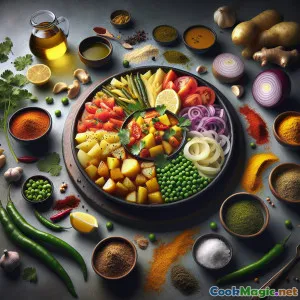
Flavor Profile: Expect layer upon layer: cumin's earthiness and coriander's citrus lift shore up the sweet-tart tomato and energetic green peas. Sharp pricks of chili work with lemon and cilantro for freshness, and well-cooked potatoes tie it all together, soaking up the fermented umami while mellowing the sharper aromas. The finished curry features a sunny golden gravy dotted with bamboo and root herbal tang—energetically bright, yet deeply nourishing.
Tips & Notes:
- Substitutions: Not everyone stocks stick-fermented sinki or Nepali tama! Kimchi, as mentioned, makes an adventurous swap for sinki, while canned bamboo in Asian groceries serves as a fine tama replacement.
- Potato Choice: Use waxy potatoes if possible, as they hold their shape and soak flavor beautifully.
- Protein Additions: Though classic is vegan, cooked chickpeas or black-eyed peas can be added for extra sustenance.
- Accompaniments: In the UK, this sits nicely next to toasty sourdough or classic crusty bread; in traditional Nepali fashion, pair with steamed rice.
- Make-Ahead: The tang from fermented veggies matures over time—the dish tastes even brighter the next day.
- Nutrition: Lending 7g plant-based fiber in every serve, it’s gut-loving and satiating. Calories sit at 275 per bowl—a nourishing yet light meal.
Cultural Significance: Nepalese and British cuisines rarely interact, but this dish celebrates shared values: making the best of pantry staples (think underrepresented vegetables, heritage preservation, creativity) and respecting flavor tangents. Both cultures know resourcefulness; both love warmth and depth. Serving this in a British kitchen on a brisk day—or during a Nepalese get-together—honors two different, thrifty, creative cuisines harmonizing effortlessly.
Personal Reflection: Cooking up this bowl stirs up the ultimate joy of fusion: The kind of gentle cultural exchange that happens not in embassy halls, but at home—over bubbling pots and expectant, curious tastebuds. This bowl, which meanders effortlessly between comfort and adventure, would be at home both on a farmhouse English table and a hillside Nepali picnic rug. The whiff of tang in the kitchen always signals something memorable and meaningful—to both the gourmand and the home cook.
==
Try making 'Aloo Tama Sinki Fusion' the very next time you crave new sensations with a backbone of tried-and-true spuds. It might just become your global staple, breaching boundaries and brightening bellies one spoonful at a time.