Yassa Tôm Senegal Cay với Hành
(Peppery Senegalese Yassa Prawns with Onions)
(0 Đánh giá)


0
188
tháng 11 25, 2025
Báo cáo sự cố
Nguyên liệu
-
800 grams Tôm sú lớn (vỏ còn, đã bỏ chỉ đen)
(Head-on if possible for flavor; thaw thoroughly if frozen)
-
600 grams Hành tây thái lát mỏng
(Yellow or white; slice pole-to-pole for sweetness)
-
120 ml Nước cốt chanh tươi
(About 3–4 lemons; strain to remove seeds)
-
2 tbsp Mù tạt Dijon
(Traditional Yassa tang and body)
-
2 tsp Casamance tiêu đen, mới bẻ hạt
(Use high-quality whole peppercorns for best aroma)
-
4 cloves Tỏi tây, băm nhỏ
(Crush into a paste for deeper flavor)
-
1 piece Scotch bonnet hoặc ớt bird's-eye, được băm nhuyễn
(Adjust to heat tolerance)
-
2 pieces Lá nguyệt quế
(Tươi hoặc khô)
-
4 sprigs Nhánh cỏ xạ hương tươi
(hoặc 1 muỗng cà phê hương thảo khô)
-
4 tbsp Dầu đậu phộng (hoặc dầu hạt hướng dương)
(Divided for marinating and cooking)
-
1.5 tsp muối biển mịn
(Điều chỉnh theo khẩu vị)
-
1 tsp Đường nâu
(Balances acidity; optional but recommended)
-
1 tbsp Giấm rượu vang trắng
(Boosts tang if lemons are mild)
-
60 grams Ô-liu xanh, bỏ hạt và cắt đôi
(Casamance-style savory pop)
-
20 grams Bơ không muối
(For a glossy finish on prawns)
-
4 cups Cơm trắng hấp
(For serving; jasmine or broken rice traditional)
-
2 tbsp Ngò tươi thái nhỏ
(Bright herbal garnish)
-
4 pieces Cắt lát chanh tươi
(Table-side acidity)
(Head-on if possible for flavor; thaw thoroughly if frozen)
(Yellow or white; slice pole-to-pole for sweetness)
(About 3–4 lemons; strain to remove seeds)
(Traditional Yassa tang and body)
(Use high-quality whole peppercorns for best aroma)
(Crush into a paste for deeper flavor)
(Adjust to heat tolerance)
(Tươi hoặc khô)
(hoặc 1 muỗng cà phê hương thảo khô)
(Divided for marinating and cooking)
(Điều chỉnh theo khẩu vị)
(Balances acidity; optional but recommended)
(Boosts tang if lemons are mild)
(Casamance-style savory pop)
(For a glossy finish on prawns)
(For serving; jasmine or broken rice traditional)
(Bright herbal garnish)
(Table-side acidity)
Dinh dưỡng
- Khẩu phần: 4
- Kích thước khẩu phần: 1 plate (320g)
- Calories: 644 kcal
- Carbohydrates: 0 g
- Protein: 50 g
- Fat: 23 g
- Fiber: 6 g
- Sugar: 9 g
- Sodium: 1200 mg
- Cholesterol: 350 mg
- Calcium: 180 mg
- Iron: 3.2 mg
Hướng dẫn
-
1 - Butterfly and season prawns:
Rinse prawns, snip legs, and butterfly along the back while keeping shells on. Pat dry and season lightly with a pinch of salt and a few cracks of pepper.
-
2 - Whisk Yassa marinade:
In a bowl, whisk lemon juice, Dijon, 1.5 tsp salt, brown sugar, vinegar (if using), minced garlic, half the cracked Casamance pepper, and 2 tbsp oil until emulsified.
-
3 - Marinate prawns and onions:
Toss sliced onions with half the marinade, bay leaves, thyme, olives (if using), and chilies. Coat prawns with the remaining marinade. Marinate 45 minutes (refrigerate if warm).
-
4 - Caramelize onions and build sauce:
Heat 2 tbsp oil in a wide pan over medium-high. Add marinated onions (reserve prawn marinade) and cook, stirring, until soft, golden, and jammy. Splash in reserved marinade; simmer 2–3 minutes.
-
5 - Sear prawns hard and fast:
In a hot grill pan or skillet, sear prawns 1–2 minutes per side until just opaque and lightly charred. Add butter to glaze. Avoid overcooking.
-
6 - Glaze prawns in Yassa sauce:
Fold seared prawns into the onion Yassa sauce over low heat. Add remaining cracked pepper. Simmer 1–2 minutes to meld flavors.
-
7 - Plate with rice and garnish:
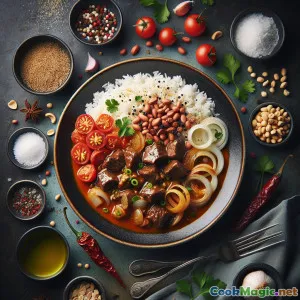
Spoon rice into warm bowls. Top generously with onion Yassa and prawns. Scatter chopped parsley.
-
8 - Finish with pepper and serve:
Add a final grind of Casamance black pepper and a squeeze of lime. Serve immediately.
Rinse prawns, snip legs, and butterfly along the back while keeping shells on. Pat dry and season lightly with a pinch of salt and a few cracks of pepper.
In a bowl, whisk lemon juice, Dijon, 1.5 tsp salt, brown sugar, vinegar (if using), minced garlic, half the cracked Casamance pepper, and 2 tbsp oil until emulsified.
Toss sliced onions with half the marinade, bay leaves, thyme, olives (if using), and chilies. Coat prawns with the remaining marinade. Marinate 45 minutes (refrigerate if warm).
Heat 2 tbsp oil in a wide pan over medium-high. Add marinated onions (reserve prawn marinade) and cook, stirring, until soft, golden, and jammy. Splash in reserved marinade; simmer 2–3 minutes.
In a hot grill pan or skillet, sear prawns 1–2 minutes per side until just opaque and lightly charred. Add butter to glaze. Avoid overcooking.
Fold seared prawns into the onion Yassa sauce over low heat. Add remaining cracked pepper. Simmer 1–2 minutes to meld flavors.
Spoon rice into warm bowls. Top generously with onion Yassa and prawns. Scatter chopped parsley.
Add a final grind of Casamance black pepper and a squeeze of lime. Serve immediately.
Thông tin thêm về: Yassa Tôm Senegal Cay với Hành
Overview
Yassa Gambas au Poivre Noir de Casamance is a seafood spin on one of Senegal’s most beloved dishes: Yassa. Traditionally prepared with chicken or fish, Yassa is defined by a luxuriant tangle of lemony, mustard-kissed onions slowly cooked until jammy, then enlivened with a peppery backbone. This version stars sweet, char-prone prawns and a distinctive seasoning—Casamance black pepper—whose aroma is woody, floral, and slightly smoky, reflecting the lush, river-threaded forests in Senegal’s southern region.
What Makes It Unique
- Casamance black pepper: Unlike generic ground pepper, Casamance pepper offers a rounded heat and perfumed depth. Cracking it fresh releases volatile oils that lift the citrus and mustard notes.
- Onion-forward sauce: Yassa’s signature “onion jam” forms both sauce and condiment, intensifying sweetness and texture while mellowing the lemon’s acidity.
- Bright, smoky balance: A quick, high-heat sear on prawns delivers char and savoriness that counters the sauce’s zing, yielding a multidimensional plate.
Flavor Architecture
- Acid: Fresh lemon juice (and a touch of vinegar if needed) brings clean brightness.
- Piquant: Dijon binds the marinade and adds gentle spice.
- Sweetness: Slowly caramelized onions and a whisper of brown sugar balance tartness.
- Heat: Casamance pepper provides fragrant warmth; Scotch bonnet is optional for fire.
- Savory: Thyme, bay, and olives add herbaceous, briny depth.
Techniques for Success
- Slice onions pole-to-pole. This minimizes stringiness and encourages even softening.
- Emulsify the marinade. Whisk lemon juice with Dijon and oil until glossy; it clings better to onions and prawns.
- Respect marination time. Forty-five minutes allows the onions to relax and the prawns to absorb gentle seasoning without turning ceviche-like.
- Build the onion base patiently. Aim for soft, golden, and jammy—not browned to bitterness. A brief simmer with reserved marinade rounds off raw acidity.
- Sear prawns fast. High heat, short time. Overcooking toughens texture and mutes sweetness.
- Finish with fresh pepper. Add a final grind at the end so its top notes don’t dull in heat.
Serving and Pairing
Serve over steamed white rice, as is traditional across Senegal, especially with broken rice or jasmine. The dish’s tang welcomes crisp beverages: a cold lager, hibiscus bissap, or a dry white with citrus and saline tones (Albariño, Vermentino). A side of simply dressed tomatoes or cucumber cuts the richness.
Ingredient Notes and Substitutions
- Prawns: Large shell-on varieties hold heat well and protect tender meat. If unavailable, use firm white fish or octopus; adjust cooking time accordingly.
- Mustard: Dijon is classic; whole-grain adds texture if desired.
- Pepper: If Casamance pepper is unavailable, use the freshest Tellicherry you can source. Always crack whole peppercorns just before use.
- Oil: Peanut oil is both traditional and heat-stable. Sunflower or grapeseed also work.
- Olives: Optional but lovely. Capers can substitute for briny bursts.
- Rice alternatives: Fonio, millet couscous, or attiéké (cassava couscous) are excellent West African pairings.
Cultural Snapshot
Yassa comes from the Casamance region, a fertile, culturally rich area tucked below The Gambia. Its cuisine leans on citrus, onions, and peppers, often balancing brightness with soulful comfort. This prawn rendition nods to Senegal’s Atlantic coastline and vibrant seafood markets. The black pepper—poivre de Casamance—speaks to local spice routes and smallholder traditions, anchoring the dish firmly in place and memory.
Tips and Chef Notes
- Salt in layers: A small amount in the marinade, then taste and adjust after simmering the onions.
- Keep shells on: They insulate delicate prawn meat and contribute toasted shell flavor; diners can peel at the table.
- Control acidity: Lemons vary. If the sauce feels sharp, simmer a minute longer or swirl a knob of butter to round edges.
- Heat management: Add Scotch bonnet whole during the onion cook for perfume without searing heat, or minced for extra kick.
- Food safety: Reserve a portion of marinade for onions before adding raw prawns. Any marinade that touches raw prawns must be fully cooked.
Make-Ahead & Storage
- Onions improve overnight; rewarm gently with a splash of water. Sear prawns à la minute for best texture.
- Leftovers keep 2 days refrigerated. Reheat over low heat until just warm; avoid boiling the prawns.
Sustainability
Choose responsibly sourced prawns—look for certifications or trusted local fisheries. Smaller producers in West Africa and beyond often employ low-impact methods. If uncertain, swap in domestic shrimp or sustainable fish.
Variations
- Yassa Poisson: Swap prawns for firm fish steaks; grill and nape with the onion sauce.
- Vegetarian Yassa: Use meaty oyster mushrooms or grilled eggplant; a splash of soy or miso adds savory depth.
- Citrus twist: Blend lemon with a little lime or bitter orange for complexity.
This plate is all about harmony—lively citrus, perfumed pepper, and silk-sweet onions embracing charred, succulent prawns. It’s an elegant introduction to Senegalese flavors and a dish you’ll crave long after the last grain of rice.