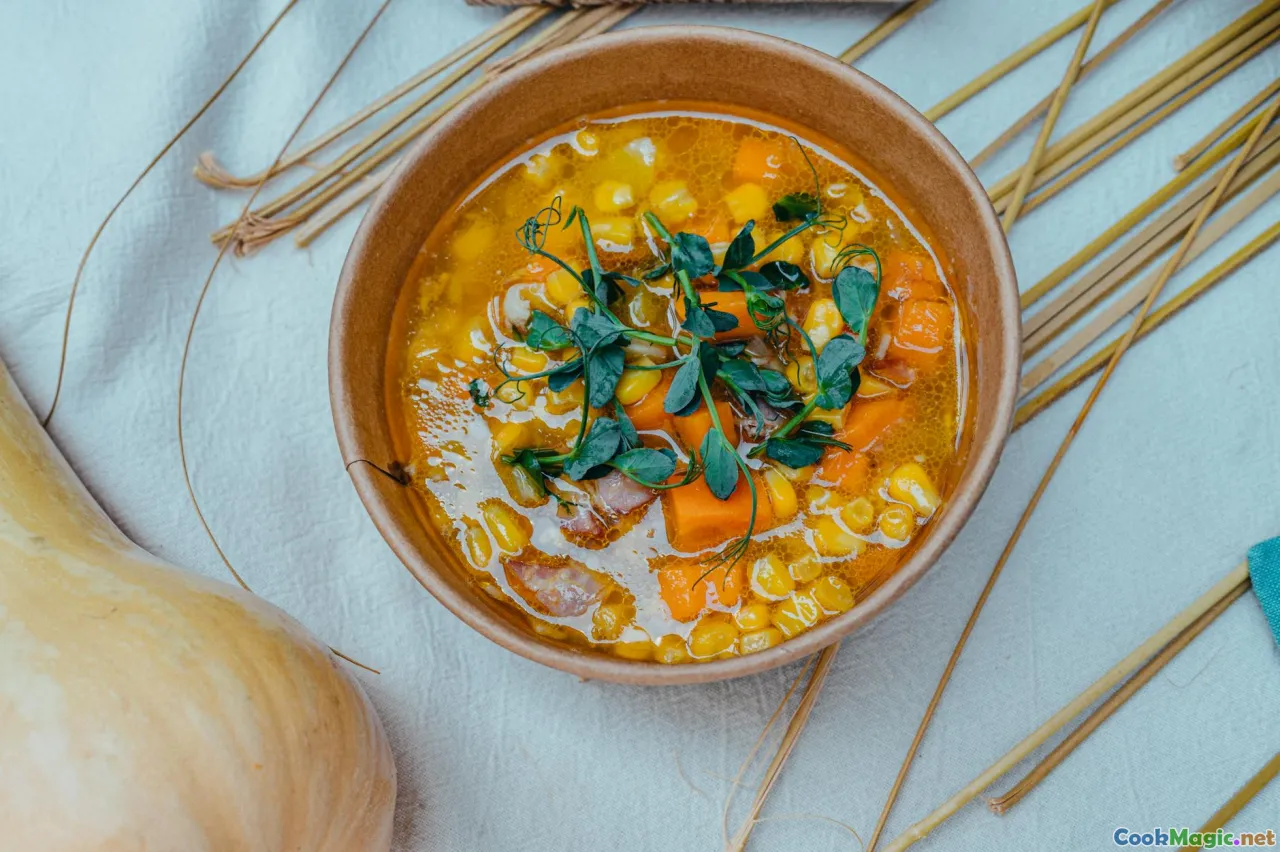
Harmonia Rwandyjskiego Gulaszu z Dyni i Orzeszków Ziemnych
(Rwandan Pumpkin & Peanut Stew Harmony)
(0 Recenzje)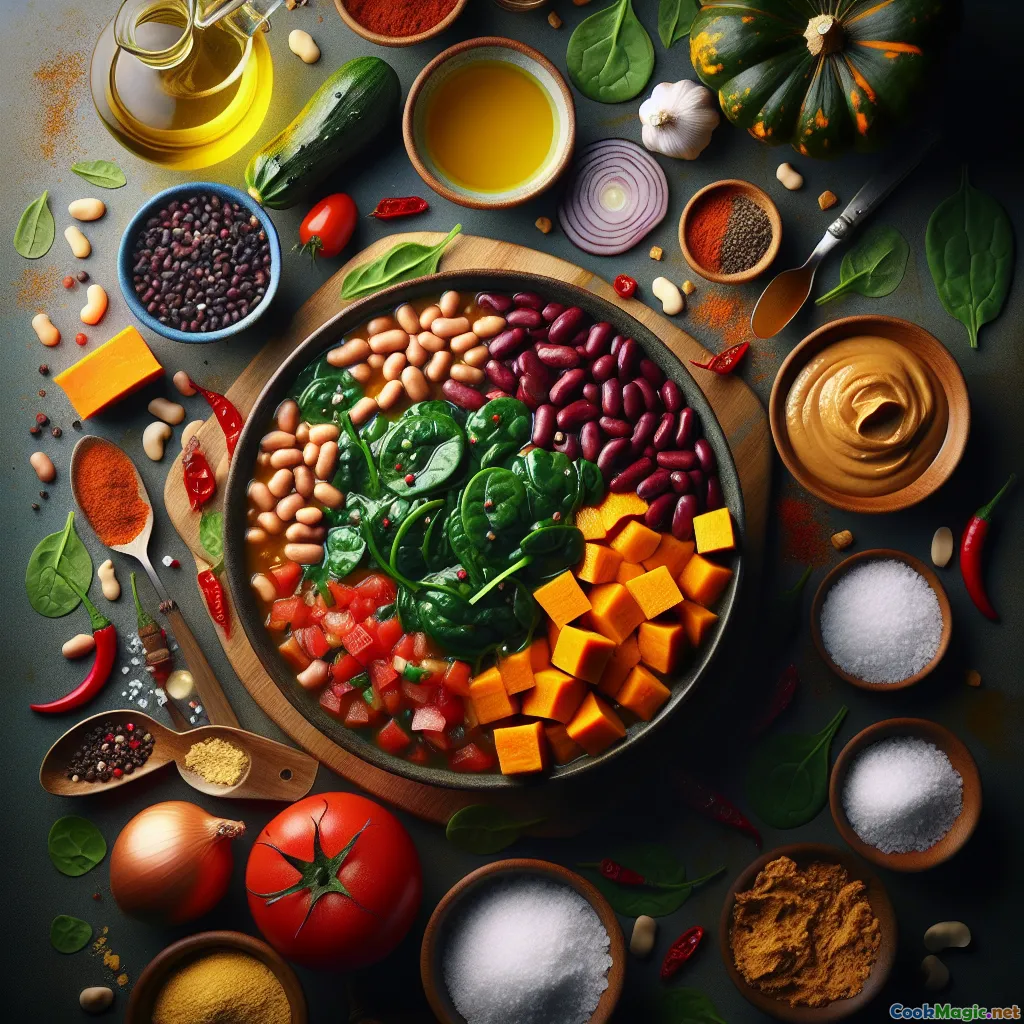

0
866
lipiec 19, 2025
Zgłoś problem
Składniki
-
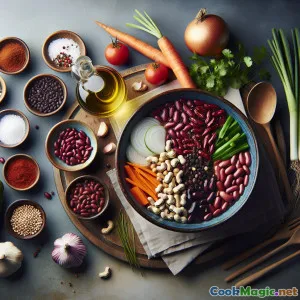
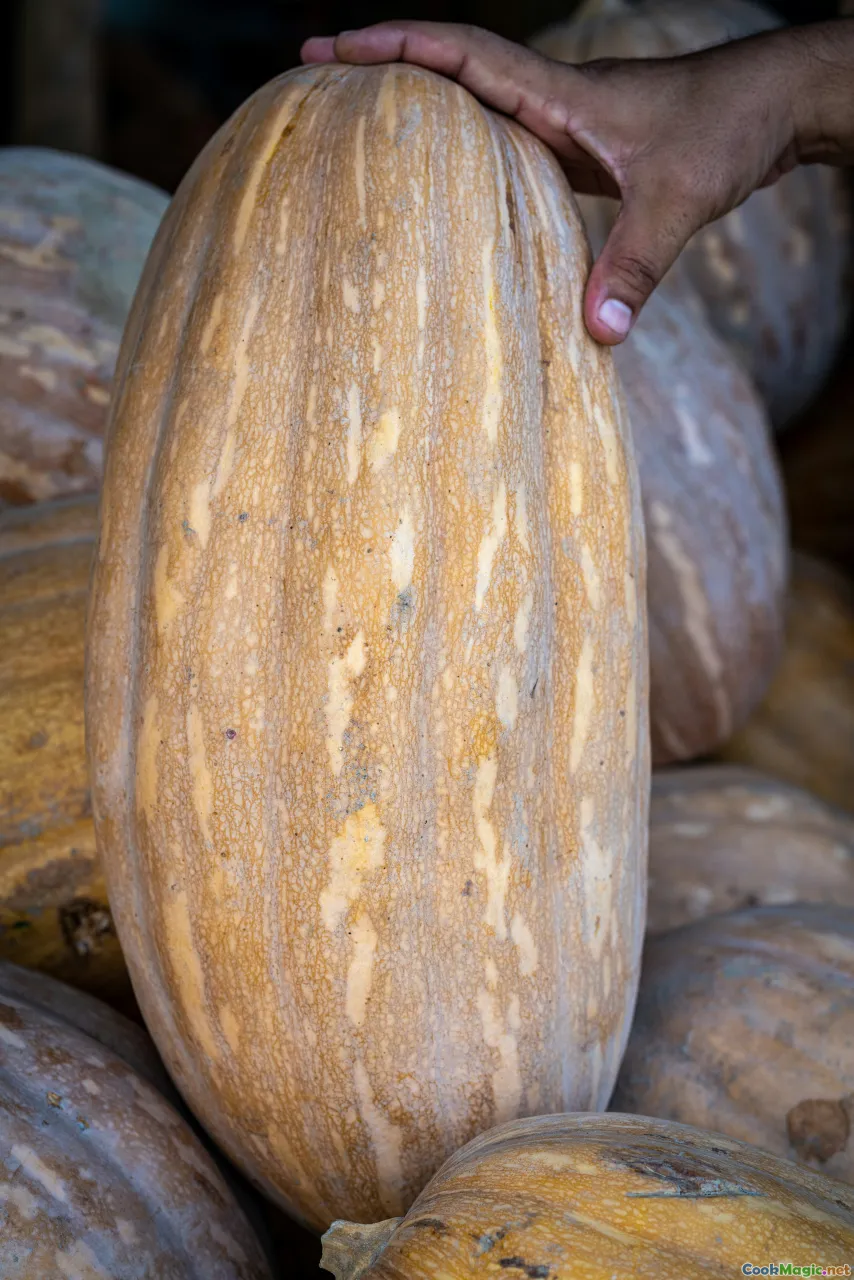
500 grams Dynia (w kostkę)
(Świeże, preferowane, obierane, bez pestek)
-
250 grams Czerwone fasole (gotowane)
(Można zastąpić fasolą czerwonej fasoli.)
-
100 grams Masło orzechowe
(Gładkie, bez cukru)
-
1 medium Cebula, drobno posiekana
-
100 grams Świe Spinach (grubo posiekany)
(Liście kolarda jako alternatywa)
-
2 medium Pomidor (posiekany w kostkę)
-
2 pieces Ząbki czosnku, posiekane
-
2 tbsp Olej roślinny
-
1 tsp Sól
(Do smaku)
-
0.5 tsp Czarny pieprz
(Do smaku)
-
500 ml Bulion Warzywny
(Lub woda)
-
0.25 tsp Płatki chili
(Opcjonalne, do regulacji ciepła)
(Świeże, preferowane, obierane, bez pestek)
(Można zastąpić fasolą czerwonej fasoli.)
(Gładkie, bez cukru)
(Liście kolarda jako alternatywa)
(Do smaku)
(Do smaku)
(Lub woda)
(Opcjonalne, do regulacji ciepła)
Wartości odżywcze
- Porcje: 4
- Wielkość porcji: 1 miska (300g)
- Calories: 420 kcal
- Carbohydrates: 54 g
- Protein: 17 g
- Fat: 16 g
- Fiber: 12 g
- Sugar: 11 g
- Sodium: 690 mg
- Cholesterol: 0 mg
- Calcium: 110 mg
- Iron: 3.1 mg
Instrukcje
-
1 - Przygotować Warzywa:
Obierz dynię i pokrój ją w kostkę. Posiekaj cebulę, pomidory i świeży szpinak. Posiekaj drobno ząbki czosnku. Odstaw wszystkie przygotowane składniki na bok.
-
2 - Smażyć Aromaty:
W dużym garnku rozgrzej olej roślinny na średnim ogniu. Dodaj cebulę i smaż, aż stanie się przezroczysta, następnie dodaj czosnek i smaż jeszcze przez 1 minutę, aż będzie pachnieć.
-
3 - Dodaj warzywa:
Dodaj dynię i pomidory do garnka. Mieszaj przez 3 minuty, aż warzywa będą miękkie.
-
4 - Baza do duszenia na małym ogniu:
Wlej bulion warzywny, dopraw solą oraz (opcjonalnie) czarną pieprz i płatki chili. Przykryj i duś przez 15 minut, aż dynia będzie miękka przy nakłuwaniu widelcem.
-
5 - Wmieszaj masło orzechowe i fasolę.:
Zredukuj ogień do minimum. Wymieszaj masło orzechowe z chochlą gorącego bulionu, aby je rozluźnić, a następnie wmieszaj mieszankę do gulaszu. Dodaj ugotowaną czerwoną fasolę. Dokładnie wymieszaj.
-
6 - Zakończenie i zwiędnięcie zielonych liści:
Dodaj posiekany szpinak lub liście zielone. Gotuj bez pokrywki przez 4–5 minut, aż zwiędną i wszystko ładnie się połączy.
-
7 - Skosztuj i podaj:
Dopraw przyprawy w razie potrzeby. Podawaj gorące w miseczkach, opcjonalnie ozdobione dodatkowymi orzechami ziemnymi albo skropione olejem z orzeszków ziemnych.
Obierz dynię i pokrój ją w kostkę. Posiekaj cebulę, pomidory i świeży szpinak. Posiekaj drobno ząbki czosnku. Odstaw wszystkie przygotowane składniki na bok.
W dużym garnku rozgrzej olej roślinny na średnim ogniu. Dodaj cebulę i smaż, aż stanie się przezroczysta, następnie dodaj czosnek i smaż jeszcze przez 1 minutę, aż będzie pachnieć.
Dodaj dynię i pomidory do garnka. Mieszaj przez 3 minuty, aż warzywa będą miękkie.
Wlej bulion warzywny, dopraw solą oraz (opcjonalnie) czarną pieprz i płatki chili. Przykryj i duś przez 15 minut, aż dynia będzie miękka przy nakłuwaniu widelcem.
Zredukuj ogień do minimum. Wymieszaj masło orzechowe z chochlą gorącego bulionu, aby je rozluźnić, a następnie wmieszaj mieszankę do gulaszu. Dodaj ugotowaną czerwoną fasolę. Dokładnie wymieszaj.
Dodaj posiekany szpinak lub liście zielone. Gotuj bez pokrywki przez 4–5 minut, aż zwiędną i wszystko ładnie się połączy.
Dopraw przyprawy w razie potrzeby. Podawaj gorące w miseczkach, opcjonalnie ozdobione dodatkowymi orzechami ziemnymi albo skropione olejem z orzeszków ziemnych.
Więcej o: Harmonia Rwandyjskiego Gulaszu z Dyni i Orzeszków Ziemnych
Imvange ya Ibihaza n'Ubunyobwa: Rwandan Pumpkin & Peanut Stew
Introduction
Imvange ya Ibihaza n'Ubunyobwa is an iconic Rwandan comfort dish, made with soft, sweet pumpkin (ibihaza), creamy peanut butter (ubunyobwa), hearty beans, and leafy greens—sometimes likened to an East African harmony of homely ingredients. Its gentle, nutty sweetness and rustic warmth make it both deeply satisfying and highly nutritious. Typically enjoyed across Rwanda, this stew is the stuff of childhood memories, village feasts, and modern kitchens seeking extraordinary vegan fare.
History & Cultural Significance
Pumpkin (ibihaza) holds a special place in Rwandan agriculture—cultivated for generations and commonly found in home gardens. Locally, it symbolizes prosperity and resilience. Peanuts, introduced over a century ago and grown widely, are integral to many Rwandan sauces and stews for their deliciously satiny texture, flavor, and plant-based protein.
Historically, Rwandan families reserved this meal for after harvest, using every part of the pumpkin: flesh, seeds, and sometimes even young leaves. The essential triad—pumpkin, beans, and peanut butter—promotes sustenance with minimal ingredients but maximal nourishment. Over time, urban households refined the method, creating an endlessly adaptable recipe often made in one pot for convenience.
Unique Aspects
- Vegan Yet Wholesome: Combining beans and peanut butter produces a “complete protein,” perfect for plant-based diets. The stew is high in vitamins and minerals, and the creaminess means you won’t miss dairy.
- Balanced Flavors: Sweet pumpkin cozying up to richly creamy peanuts, the earthy beans adding substantial spine, and fresh greens or collards imparting a contrast in both color and nutrition.
- Economical & Flexible: Any pumpkin or squash variant works. Red beans can be swapped for kidney or black beans. Greens—sometimes not at all traditional—offer a nutrient upgrade but can be omitted.
Tips & Notes
- Pumpkin Star: Rwandan pumpkins can be quite starchy, but any orange-fleshed variety works. Dice evenly for consistent cooking.
- Peanut Butter Magic: Always use unsweetened natural peanut butter to let the savory notes shine.
- Beans: Cooking dried red beans from scratch with a bay leaf or a pinch of local spices will dial up the stew’s depth, though canned beans speed things up.
- Greens Are Optional: While spinach or collard adds bonus color and nutrition, feel free to leave it out if you want to keep things ultratraditional.
- Serve Smart: In Rwanda, this dish is sometimes eaten alone, with boiled sweet potatoes (ibijumba), or umuceri (rice). It keeps well for days, flavor improving overnight.
Serving Suggestions
Ladle the stew into cozy bowls, sprinkle with roasted pumpkin seeds for a nutty crunch, or drizzle a hint of mild chili or raw peanut oil for a pretty gloss. It makes a filling meal on a chilly evening or a memorable entrée for a global vegan feast.
Personal Thoughts
Cooking Imvange ya Ibihaza n'Ubunyobwa in a modern kitchen feels like participating in an ancestral ritual. Every spoonful channels the Rwandan philosophy of not letting nourishment go to waste. It’s especially rewarding for families with children—its sweetness and simplicity win them over, and parents know they’re offering serious nutrition. Sharing this heritage recipe is telling the world how something humble, local, and sustainable can truly become gourmet. Try it—you’ll feel the warmth of Rwanda right at your table.