카이세키 가든 하모니: 가든 카이세키 별미
(Kaiseki Garden Harmony: Garden Kaiseki Delicacies)
(0 리뷰)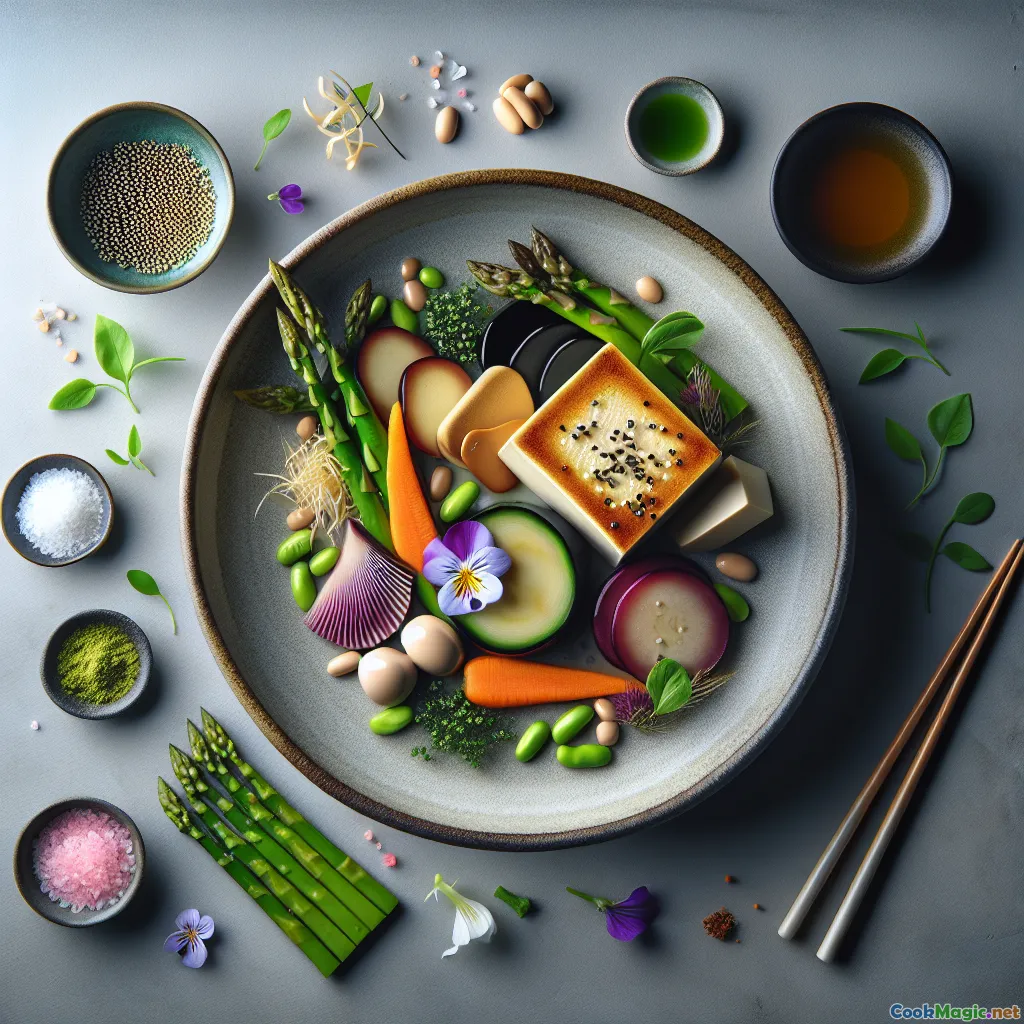

재료
-
200 grams 실크 두부
(단단한 두부도 괜찮습니다; 최상의 결과를 얻으려면 현지 장인 두부를 사용하세요.)
-
2 tablespoons 된장
(섬세한 풍미를 위한 흰색 또는 노란색.)
-
1 small 가지 (Eggplant)
(유기농 선호)
-
4 whole 베이비 당근
(다양한 색상이 접시에 예술성을 더한다)
-
4 spears 신선한 아스파라거스
(손질된)
-
30 grams 에담마메 콩
(껍질 벗긴)
-
200 ml 야채 육수
(가능하면 수제)
-
1 tablespoon 쌀 식초
(두부에 생기를 더한다)
-
1 teaspoon 참기름
(순수한, 구운)
-
0.5 teaspoon 바다 소금
(되도록 얇고 바삭한 층의 질감 | 취향에 따라)
-
10 grams 마이크로그린
(루꼴라, 완두싹, 또는 무순)
-
8 pieces 식용 꽃
(색상을 위한 팬지 또는 나스타추움)
(단단한 두부도 괜찮습니다; 최상의 결과를 얻으려면 현지 장인 두부를 사용하세요.)
(섬세한 풍미를 위한 흰색 또는 노란색.)
(유기농 선호)
(다양한 색상이 접시에 예술성을 더한다)
(손질된)
(껍질 벗긴)
(가능하면 수제)
(두부에 생기를 더한다)
(순수한, 구운)
(되도록 얇고 바삭한 층의 질감 | 취향에 따라)
(루꼴라, 완두싹, 또는 무순)
(색상을 위한 팬지 또는 나스타추움)
영양 정보
- 인분: 2
- 1인분 크기: 1 모듬 접시(220 g)
- Calories: 315 kcal
- Carbohydrates: 32 g
- Protein: 19 g
- Fat: 13 g
- Fiber: 9 g
- Sugar: 7 g
- Sodium: 720 mg
- Cholesterol: 0 mg
- Calcium: 210 mg
- Iron: 4.2 mg
조리법
-
1 - 채소를 얇게 썰다:
가지를 조심스럽게 얇은 링 모양으로 썰고, 당근과 아스파라거스를 준비하세요.
-
2 - 찐 두부:
두부 블록을 반으로 자르세요. 10분간 찌르고 속까지 따뜻해질 때까지.
-
3 - 양념된 미소 소스를 준비하세요.:
작은 그릇에 미소 페이스트, 따뜻한 채소 육수, 쌀 식초, 참기름을 넣고 섞으세요. 매끈해질 때까지 저어 주세요.
-
4 - 그릴 채소:
가지, 당근, 아스파라거스를 참기름으로 살짝 코팅합니다. 양면을 구워 부드럽고 카라멜라이즈될 때까지 굽습니다.
-
5 - 에다마메를 데치다:
소금물에 2분간 데친 뒤 물기를 빼고 닦아 말리세요.
-
6 - 접시를 우아하게 담아내세요.:
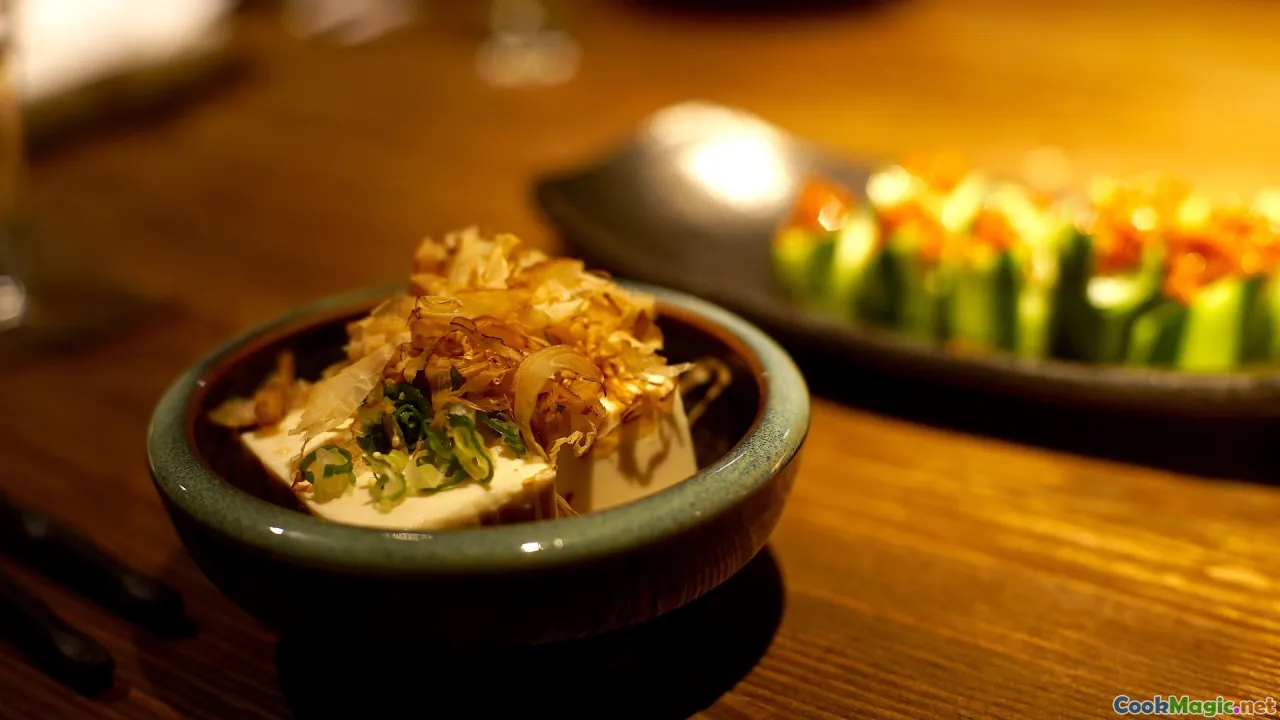
센터에 찐 두부를 가운데에 배치합니다. 구운 채소와 에다마메를 예술적으로 배치합니다. 두부 위에 미소 소스를 얹고, 접시 위에 마이크로그린과 식용 꽃을 흩뿌립니다.
가지를 조심스럽게 얇은 링 모양으로 썰고, 당근과 아스파라거스를 준비하세요.
두부 블록을 반으로 자르세요. 10분간 찌르고 속까지 따뜻해질 때까지.
작은 그릇에 미소 페이스트, 따뜻한 채소 육수, 쌀 식초, 참기름을 넣고 섞으세요. 매끈해질 때까지 저어 주세요.
가지, 당근, 아스파라거스를 참기름으로 살짝 코팅합니다. 양면을 구워 부드럽고 카라멜라이즈될 때까지 굽습니다.
소금물에 2분간 데친 뒤 물기를 빼고 닦아 말리세요.
센터에 찐 두부를 가운데에 배치합니다. 구운 채소와 에다마메를 예술적으로 배치합니다. 두부 위에 미소 소스를 얹고, 접시 위에 마이크로그린과 식용 꽃을 흩뿌립니다.
카이세키 가든 하모니: 가든 카이세키 별미 :에 대한 자세한 정보
Kaiseki Garden Harmony: A Celebration of Japanese Culinary Elegance
Kaiseki Garden Harmony is my tribute to the ancient Japanese kaiseki tradition, artfully expressed through a vibrant medley of tofu, seasonal vegetables, tangy miso, and nature’s palate of edible flowers. This recipe marries the grace of Japanese haute cuisine with an accessible, plant-based ethos, making it not only deeply satisfying to eat but a joy to prepare and present.
🪴 The Inspiration and Philosophy
Kaiseki dining is as much culinary performance as it is gastronomy—prizing harmony, balance, and a sense for the fleeting beauty of the changing seasons. Classically, a kaiseki meal comprises a series of small, exquisitely-plated dishes that each showcase an ingredient’s essence. The hallmark is respect for the natural beauty and flavor of premium, local, seasonal fare. In this dish, humble tofu is elevated by luxurious miso and accompanied by bursts of color and flavor from market-fresh vegetables. Each element is treated so as to bring forth both contrast (roasted smokiness and fresh herbal notes) and consonance (velvety, pearlescent tofu offset by bright, lively microgreens).
🌷 Unique Aspects & Elegant Plating
What sets Kaiseki Garden Harmony apart is the intentionality in every bite. It’s not simply a plant-based platter; its logic is grounded in centuries-old Japanese customs—never overshadowing the core flavors, yet transforming them through gentle technique. The recipe harnesses gastronomic contrasts—warm versus cool, soft versus firm, umami base versus tangy top notes—not just to please the tongue, but to delight the eye with every plate.
Plating is an act of creation here. Like gardeners, chefs become arrangers—a few soft clusters of microgreens evoke a forest glade, while edible blossoms hint at the riotous beauty of spring. Let the arrangement reflect your mood and the seasons. When possible, seek out multi-colored baby carrots or purple asparagus tips for a riot of jewel tones. The inclusion of flowers, though optional, connects dinner to nature’s festive moments.
🍶 Tips & Tricks for Refinement
- Homemade Tofu Spoils You: Using fresh, artisanal tofu elevates the flavor far above supermarket blocks. Try sourcing locally made tofu if available;
- Test Your Grill: Charring vegetables gently intensifies flavor. Use a hot griddle pan to form attractive grill marks and caramelize sugars without burning;
- Don’t Overdo Miso: White or yellow miso’s graceful delicacy keeps the sauce from overpowering tofu’s clean taste;
- Edamame Pop: Add a sprinkle of good sea salt just before plating for bright, fresh taste—the salt lifts everything subtly.
🌸 Cultural Significance
Eating in the kaiseki style is considered a slow, meditative act in Japan. Diners are encouraged to contemplate not only flavor but artistry, transience (the fleetingness of perfectly fresh peas, the blossom in momentary full bloom), and connection to the land. It is fundamentally about deepening your appreciation for impermanence and beauty in the everyday.
By making Kaiseki Garden Harmony, you weave yourself a ‘miniature festival.’ Even for a quiet lunch at home, this meal can make you feel present and renewed—just as much a celebration of self-care as of formal dining.
📝 Additional Personal Notes
As a chef, I take special joy in recipes like this, where artistry and nourishment become one. Be unafraid to let the seasons guide small changes—swap squash for aubergine in autumn, use fresh snow peas or wild garlic in the spring. Gateways such as this delicious vegan-friendly kaiseki tasting platter encourage us to bring both earth and artistry to our tables, no matter where in the world we find ourselves.
In Summary: Kaiseki Garden Harmony offers an elevated, thoughtful meal experience with deep cultural roots. Precision in preparation, reverence in plating, and an eye for nature’s beauty—not to mention excellent nutrition—combine to create something truly special.