Zuppa di Vongole con Artemisia: Un Tocco Costiero Inglese
(Mugwort Clam Soup: An English Coastal Twist)
(0 Recensioni)
0
1,049
luglio 18, 2025
Segnala un problema
Ingredienti
-
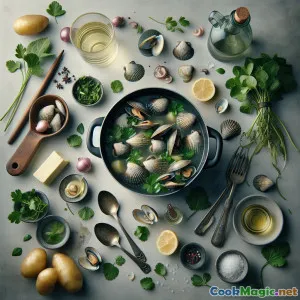
500 grams Vongole fresche
(Pulite accuratamente; vongole littleneck o vongole britanniche native.)
-
20 grams Foglie di artemisia fresche
(Solo foglie giovani e tenere. Sciacqua e taglia a pezzetti.)
-
2 medium Scalogno
(Tagliato finemente)
-
100 ml vino bianco secco
(Preferibilmente vino bianco inglese.)
-
20 grams Burro non salato
(Aggiunge ricchezza. Può essere sostituito con olio.)
-
500 ml Acqua o brodo di pesce
(Si preferisce brodo di pesce di alta qualità.)
-
1 small (approx. 80g) Patata
(Pelate, tagliate a cubetti. Di texture cerosa, come consigliato da Charlotte.)
-
1 small handful Prezzemolo fresco
(Tagliato a pezzi, per finire.)
-
1 tsp Sale
(Assaggia e aggiusta con cura.)
-
0.5 tsp Pepe nero macinato fresco
(A piacere.)
-
0.5 tsp Scorza di limone
(Grattugiato fresco; finitura lucida opzionale.)
(Pulite accuratamente; vongole littleneck o vongole britanniche native.)
(Solo foglie giovani e tenere. Sciacqua e taglia a pezzetti.)
(Tagliato finemente)
(Preferibilmente vino bianco inglese.)
(Aggiunge ricchezza. Può essere sostituito con olio.)
(Si preferisce brodo di pesce di alta qualità.)
(Pelate, tagliate a cubetti. Di texture cerosa, come consigliato da Charlotte.)
(Tagliato a pezzi, per finire.)
(Assaggia e aggiusta con cura.)
(A piacere.)
(Grattugiato fresco; finitura lucida opzionale.)
Nutrizione
- Porzioni: 2
- Dimensione Porzione: 1 ciotola (350ml)
- Calories: 320 kcal
- Carbohydrates: 25 g
- Protein: 21 g
- Fat: 10 g
- Fiber: 3 g
- Sugar: 2 g
- Sodium: 760 mg
- Cholesterol: 32 mg
- Calcium: 135 mg
- Iron: 11.2 mg
Istruzioni
-
1 - Strofina e prepara le vongole:
Lavate bene le vongole fresche sotto l’acqua corrente. Scarta quelle che sono aperte o danneggiate. Mettile a bagno in acqua salata per 20 minuti, scola e risciacqua per rimuovere la sabbia.
-
2 - Iniziare gli aromi:
In una pentola, fate sciogliere il burro a fuoco medio. Aggiungete scalogno tagliato a dadini e un pizzico di sale. Cuocete delicatamente per 3–4 minuti finché diventa morbido e trasparente, senza farlo dorare.
-
3 - Aggiungi patate e sfuma:
Aggiungi patate tagliate a cubetti (se usi) e mescola per 1 minuto. Versa il vino bianco, raschia la pentola e lascia evaporare l'alcol per 2 minuti.
-
4 - Aggiungere brodo e far sobbollire:
Versa acqua o brodo di pesce. Porta a una lieve sobbollitura e cuoci 6–7 minuti, finché la patata non è tenera. Se ometti la patata, fai sobbollire per 4 minuti.
-
5 - vongole e artemisia:
Unisci le vongole pulite e la maggior parte dell'artemisia tritata (riserva un po' per guarnire). Copri con un coperchio e cuoci per 3–5 minuti, scuotendo spesso la pentola, finché tutte le vongole si aprono. Rimuovi e scarta eventuali vongole che non si aprono.
-
6 - Terminare e Condire:
Unisci artemisia riservata, prezzemolo tritato, pepe nero, sale q.b., e scorza di limone grattugiata facoltativa. Assaggia e aggiusta il condimento.
-
7 - Servire:
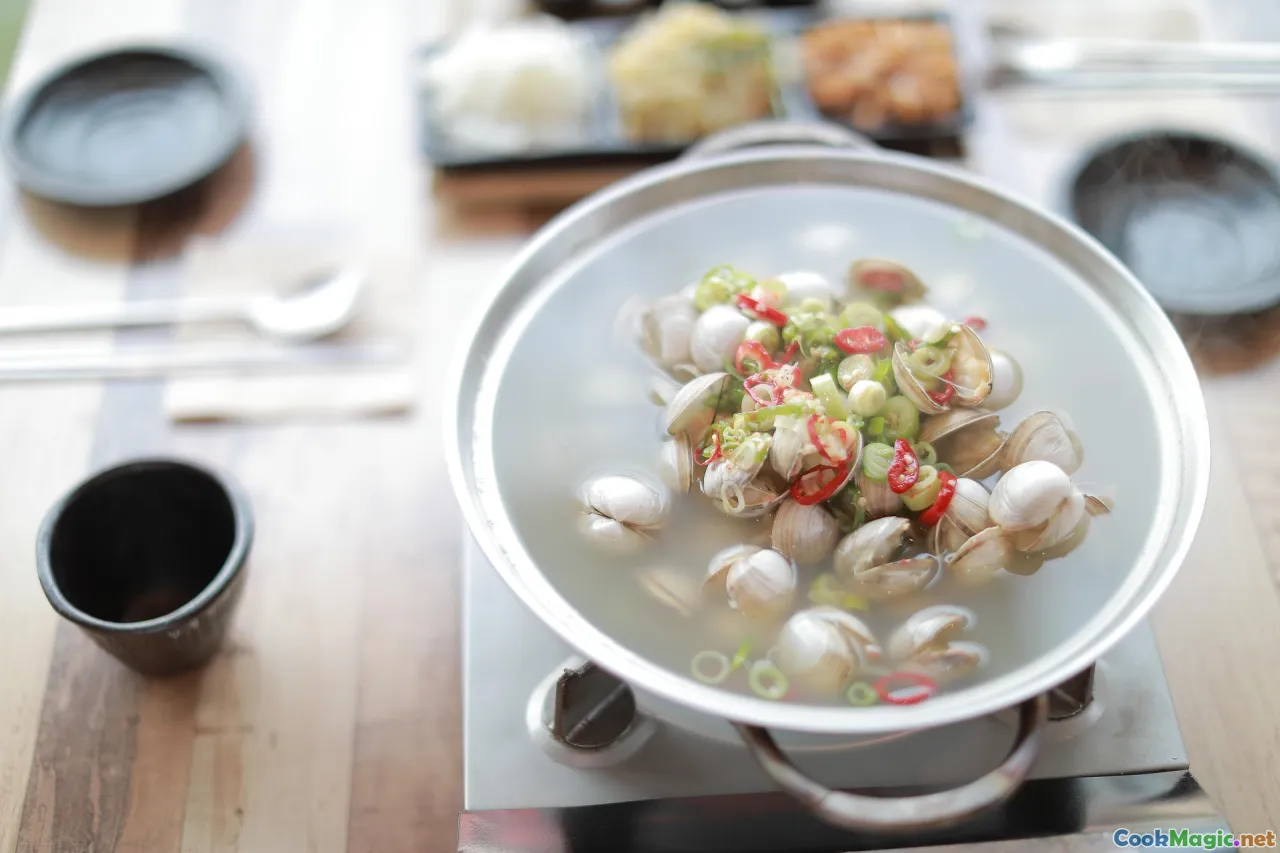
Versa la zuppa e le vongole nelle ciotole. Guarnisci con ulteriore prezzemolo e gustala ben calda, idealmente con buon pane britannico.
Lavate bene le vongole fresche sotto l’acqua corrente. Scarta quelle che sono aperte o danneggiate. Mettile a bagno in acqua salata per 20 minuti, scola e risciacqua per rimuovere la sabbia.
In una pentola, fate sciogliere il burro a fuoco medio. Aggiungete scalogno tagliato a dadini e un pizzico di sale. Cuocete delicatamente per 3–4 minuti finché diventa morbido e trasparente, senza farlo dorare.
Aggiungi patate tagliate a cubetti (se usi) e mescola per 1 minuto. Versa il vino bianco, raschia la pentola e lascia evaporare l'alcol per 2 minuti.
Versa acqua o brodo di pesce. Porta a una lieve sobbollitura e cuoci 6–7 minuti, finché la patata non è tenera. Se ometti la patata, fai sobbollire per 4 minuti.
Unisci le vongole pulite e la maggior parte dell'artemisia tritata (riserva un po' per guarnire). Copri con un coperchio e cuoci per 3–5 minuti, scuotendo spesso la pentola, finché tutte le vongole si aprono. Rimuovi e scarta eventuali vongole che non si aprono.
Unisci artemisia riservata, prezzemolo tritato, pepe nero, sale q.b., e scorza di limone grattugiata facoltativa. Assaggia e aggiusta il condimento.
Versa la zuppa e le vongole nelle ciotole. Guarnisci con ulteriore prezzemolo e gustala ben calda, idealmente con buon pane britannico.
Ulteriori informazioni su: Zuppa di Vongole con Artemisia: Un Tocco Costiero Inglese
Mugwort Clam Soup: Ancient Greens, Coastal Bounty
Mugwort Clam Soup marries earthy woodland herbs with the bounty of the English coast for a wonderful, unusual dish that bridges tradition and modern English cookery.
History & Cultural Significance
Clam dishes have long featured in British coastal kitchens; native species like palourde or common cockle have provided rich nutrition for centuries. Adding mugwort introduces even deeper heritage: mugwort (Artemisia vulgaris), ubiquitous along hedgerows, fields, and riverbanks in the British Isles, served as both seasoning and medicinal herb for millennia. Historically, mugwort was prized for its digestive, tonic, and slightly bitter notes. Old English and Celtic gastronomy made liberal use of wild greens like mugwort, especially in spring for restorative dishes.
Though mugwort was traditionally added to stuffings and game or brewed in teas, its aromatic profile resonates with shellfish, subtly lending earth, bittersweet, and even anise-like undertones to seafood broths. Mugwort complements the salinity and delicacy of British clams surprisingly well, producing a soup at once ancient and modern.
Unique Aspects & Tips
- Selecting Mugwort: Use only the youngest mugwort leaves for the soup; older leaves may be fibrous. Mugwort is assertive so use sparingly until you appreciate its aromatic punch.
- Clams: Little English clams (like the palourdes of Cornwall or Scottish waters) are sweetest in late spring. Ensure they are spotless—traditional advice includes soaking in salty water to draw out sand.
- Broth: English dry white wine lifts the broth, while any coastal fish stock deepens seafood resonance. Chicken or vegetable stock works in a pinch but avoid overpowering the subtle herbs.
- Variations: Try with cockles or mussels if clams are unavailable. Add a dash of double cream for a nod to classic chowder or toss in wild leeks in early spring for even greater fragrance.
- Pairing: Serve with a hearty soda bread or a slice of nutty malted sourdough. To drink, a crisp English white wine or even non-alcoholic elderflower cordial complements herbal notes.
Final Thoughts
This Mugwort Clam Soup is a tribute to old English countryside foraging and the ever-present influence of the sea. The resultant bowl is fragrant, refreshing, briny, herbal, and slightly bitter—the kind of soup that surprises and satisfies palate and soul alike. Whether as a gentle supper to accompany the first sunny British days of spring or the anchor dish of a sophisticated dinner, this recipe connects you to centuries of herbcraft and seashore cookery. Mugwort is increasingly celebrated by modern British chefs; here, it shines as the signature green, with every bite evocative of brisk coastal walks and nostalgic stews.
Be bold in venturing beyond the familiar as English cuisine continues to revive ancient ingredients. The distinctive union of mugwort and clams proves that some remarkable combinations await in overlooked hedgerows and tidal beds—affirming the curiosity and adaptability at the heart of English food. Happy foraging, and enjoy your unique bowlful of Mugwort Clam Soup!