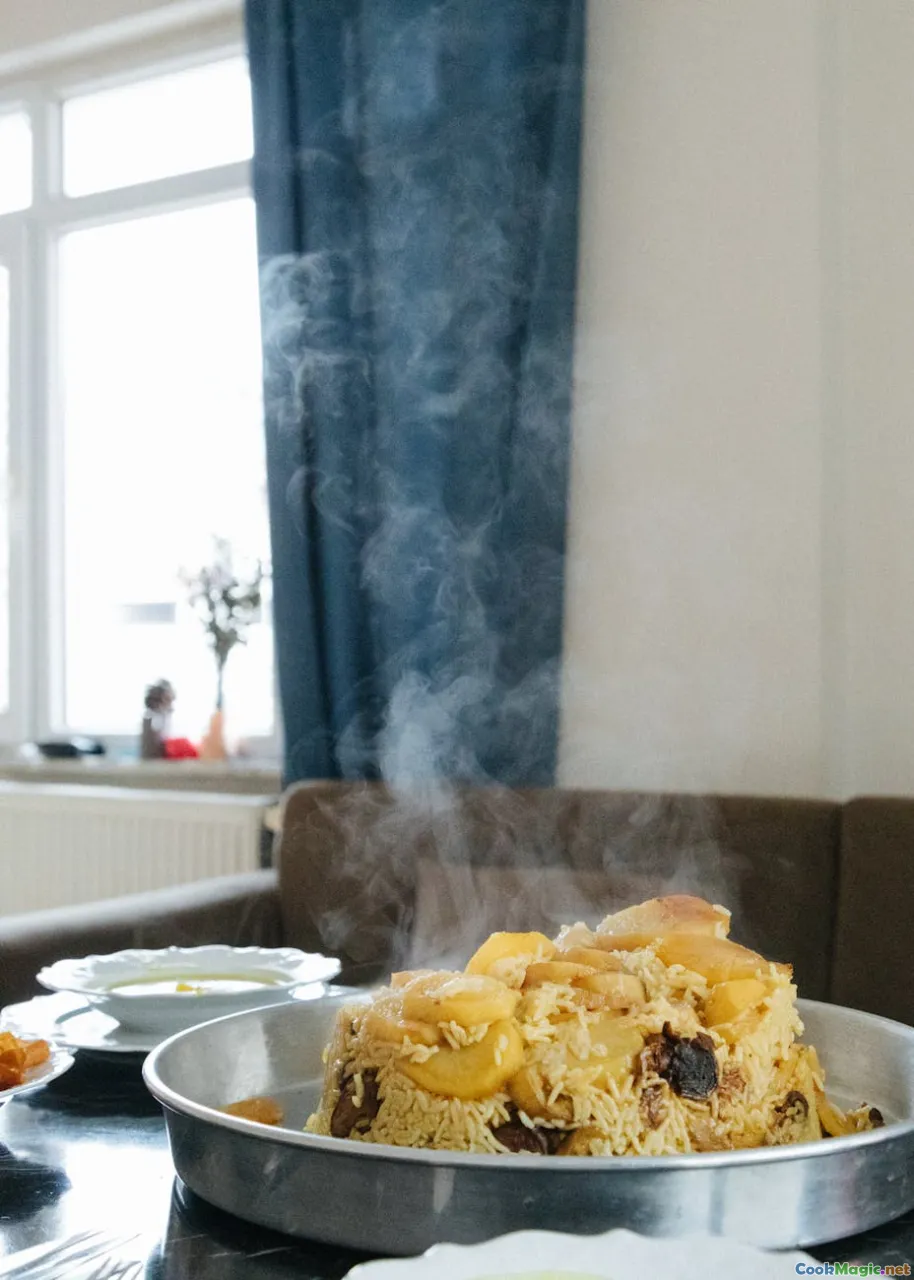
Riso pilaf al freekeh con agnello e noci tostate
(Amman Freekeh Lamb Pilaf with Toasted Nuts)
(0 Recensioni)


0
230
novembre 15, 2025
Segnala un problema
Ingredienti
-
300 grams freekeh spezzato, risciacquato e ammollato per 15 minuti
(Use smoked green wheat for authentic flavor; drain well)
-
500 grams Spalla di agnello, disossata, tagliata a cubi di 2 cm
(Leg or shank also works; trim excess fat)
-
1 large Cipolla gialla, finemente tritata
(About 200 g)
-
4 cloves Spicchi d'aglio, tritati
(Freshly minced for best aroma)
-
1.5 tbsp Ghee (burro chiarificato)
(Divide for browning and finishing)
-
1 tbsp Olio d'oliva
(Helps ghee resist scorching)
-
1 tsp Pimento macinato
(Signature Levantine warmth)
-
0.5 tsp Cannella in polvere
(Balances savory richness)
-
0.5 tsp Cardamomo macinato
(Fragrant and citrusy)
-
0.5 tsp Coriandolo macinato
(Earthy citrus note)
-
0.75 tsp Pepe nero macinato fresco
(Regolare a piacere)
-
2 leaves Foglie di alloro
(Adds depth to the broth)
-
0.25 tsp Curcuma
(For a golden hue)
-
1 tsp Miscela di 7 spezie (baharat)
(Optional boost; can replace individual spices)
-
1 medium Carota, cubetti piccoli
(About 100 g; adds sweetness)
-
100 grams Piselli
(Frozen is fine; no need to thaw)
-
900 ml Brodo di pollo o agnello a basso contenuto di sodio, caldo
(Keep warm for even cooking)
-
1.5 tsp sale marino fine
(Adjust depending on stock salinity)
-
20 grams Prezzemolo fresco tritato
(Stems reserved for simmering if desired)
-
40 grams Pinoli tostate
(Per guarnire e croccante)
-
20 grams Mandorle a lamelle tostate
(Adds textural contrast)
-
1 tsp Scorza di limone, grattugiata finemente
(Bright finishing note)
-
80 grams Semi di melograno
(Seasonal garnish; adds tart pop)
-
200 grams Yogurt naturale
(Da servire come contorno)
(Use smoked green wheat for authentic flavor; drain well)
(Leg or shank also works; trim excess fat)
(About 200 g)
(Freshly minced for best aroma)
(Divide for browning and finishing)
(Helps ghee resist scorching)
(Signature Levantine warmth)
(Balances savory richness)
(Fragrant and citrusy)
(Earthy citrus note)
(Regolare a piacere)
(Adds depth to the broth)
(For a golden hue)
(Optional boost; can replace individual spices)
(About 100 g; adds sweetness)
(Frozen is fine; no need to thaw)
(Keep warm for even cooking)
(Adjust depending on stock salinity)
(Stems reserved for simmering if desired)
(Per guarnire e croccante)
(Adds textural contrast)
(Bright finishing note)
(Seasonal garnish; adds tart pop)
(Da servire come contorno)
Nutrizione
- Porzioni: 4
- Dimensione Porzione: 1 ciotola (300g)
- Calories: 750 kcal
- Carbohydrates: 0 g
- Protein: 40 g
- Fat: 44 g
- Fiber: 11 g
- Sugar: 4 g
- Sodium: 700 mg
- Cholesterol: 110 mg
- Calcium: 110 mg
- Iron: 4.5 mg
Istruzioni
-
1 - Rinse and soak freekeh:
Place freekeh in a bowl, rinse under cold water until it runs mostly clear, then cover with fresh water and soak for 15 minutes. Drain well just before using.
-
2 - Brown the Lamb:
Heat half the ghee with the olive oil in a heavy pot over medium-high. Pat lamb dry, season lightly with salt and pepper, and brown in two batches until well seared. Set aside.
-
3 - Sweat aromatics:
Reduce heat to medium. Add onion to the pot with a pinch of salt and cook until translucent, 3–5 minutes. Stir in garlic and cook 30 seconds until fragrant.
-
4 - Bloom the Spices:
Add allspice, cinnamon, cardamom, coriander, turmeric, baharat (if using), and bay leaves. Stir for 30–60 seconds to toast spices and release aroma.
-
5 - Deglaze and return lamb:
Splash in a little hot stock to loosen browned bits. Return the browned lamb and any juices to the pot, stirring to coat in spices.
-
6 - Simmer Until Tender:
Pour in remaining hot stock, bring to a gentle boil, then reduce to a simmer. Cover and cook 25–30 minutes until the lamb is just tender but not shredding.
-
7 - Add freekeh and vegetables:
Stir in drained freekeh, carrot, and peas. Taste the broth; adjust salt and pepper. Return to a low boil.
-
8 - Steam the pilaf:
Reduce heat to low, cover snugly, and cook 12–15 minutes until the liquid is absorbed and the freekeh is tender with a pleasant chew.
-
9 - Rest and finish:
Turn off heat and rest, covered, 8 minutes. Fluff with a fork, fold in parsley and lemon zest, and dot with the remaining ghee.
-
10 - Toast the nuts:
In a small pan, lightly toast pine nuts (and almonds if using) over medium heat until golden. Season with a tiny pinch of salt.
-
11 - Garnish and Serve:
Transfer pilaf to a platter. Scatter nuts and extra parsley over the top. Add pomegranate arils if in season. Serve with cool spoonfuls of yogurt.
-
12 - Store leftovers:
Cool completely, then refrigerate in an airtight container up to 4 days. Reheat gently with a splash of stock or water to loosen.
Place freekeh in a bowl, rinse under cold water until it runs mostly clear, then cover with fresh water and soak for 15 minutes. Drain well just before using.
Heat half the ghee with the olive oil in a heavy pot over medium-high. Pat lamb dry, season lightly with salt and pepper, and brown in two batches until well seared. Set aside.
Reduce heat to medium. Add onion to the pot with a pinch of salt and cook until translucent, 3–5 minutes. Stir in garlic and cook 30 seconds until fragrant.
Add allspice, cinnamon, cardamom, coriander, turmeric, baharat (if using), and bay leaves. Stir for 30–60 seconds to toast spices and release aroma.
Splash in a little hot stock to loosen browned bits. Return the browned lamb and any juices to the pot, stirring to coat in spices.
Pour in remaining hot stock, bring to a gentle boil, then reduce to a simmer. Cover and cook 25–30 minutes until the lamb is just tender but not shredding.
Stir in drained freekeh, carrot, and peas. Taste the broth; adjust salt and pepper. Return to a low boil.
Reduce heat to low, cover snugly, and cook 12–15 minutes until the liquid is absorbed and the freekeh is tender with a pleasant chew.
Turn off heat and rest, covered, 8 minutes. Fluff with a fork, fold in parsley and lemon zest, and dot with the remaining ghee.
In a small pan, lightly toast pine nuts (and almonds if using) over medium heat until golden. Season with a tiny pinch of salt.
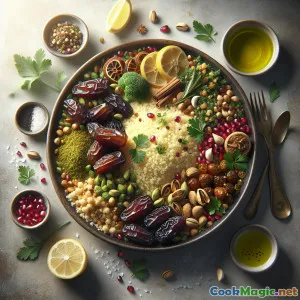
Transfer pilaf to a platter. Scatter nuts and extra parsley over the top. Add pomegranate arils if in season. Serve with cool spoonfuls of yogurt.
Cool completely, then refrigerate in an airtight container up to 4 days. Reheat gently with a splash of stock or water to loosen.
Ulteriori informazioni su: Riso pilaf al freekeh con agnello e noci tostate
Amman Freekeh Lamb Pilaf
This hearty pilaf celebrates the comforting flavors of Amman, where family tables often feature freekeh’s smoky perfume mingled with tender bites of lamb. Freekeh—green wheat harvested young and traditionally fire-roasted—has a storied past in the Levant. Legend says it was discovered accidentally when a village’s wheat crop caught fire; rather than waste it, people rubbed off the charred husks and found a grain with a distinctive smokiness and resilient chew. Today, that smokiness is the soul of the dish: a warm, toasty note that stands up beautifully to lamb and allspice.
Why this recipe works
- Freekeh’s texture: Cracked freekeh cooks into fluffy, separate grains with a pleasant chew, perfect for absorbing spiced broth without turning mushy.
- Layered aromatics: Browning lamb first builds a rich fond. Onions and garlic melt into the pan juices, then spices are bloomed to maximize fragrance.
- Balanced spicing: Allspice, cinnamon, cardamom, and coriander offer depth without overwhelming the smoky grain or the lamb’s natural sweetness. A pinch of turmeric adds gold without dominating.
- Smart finishing: Resting the pilaf off heat relaxes the grains, while parsley, lemon zest, and toasted nuts add lift, freshness, and crunch.
Cultural notes
In Jordan—especially in Amman—freekeh is more than just an ingredient. It appears at everyday lunches and on celebratory spreads alike. Lamb is a favored pairing for festive meals, and the customary shower of toasted nuts signals generosity and welcome. Pomegranate, when in season, brings a jewel-like brightness that contrasts the savory earthiness. Bowls of cool yogurt or a simple cucumber-yogurt salad often sit beside the pilaf, along with quick pickles and fresh herbs.
Technique tips and cook’s notes
- Rinse and soak: Freekeh benefits from a quick rinse and brief soak to remove excess starch and mellow any bitterness. Drain thoroughly to prevent sogginess.
- Broth temperature: Add hot stock to maintain a steady simmer; cold stock can stall cooking and tighten the lamb.
- Grain-to-liquid ratio: For cracked freekeh, about 1 part grain to 3 parts liquid (by volume) yields tender, separate grains. Adjust slightly based on brand and crack size.
- Spice blooming: Toasting spices in fat for even 30 seconds releases fat-soluble aromatics and deepens flavor—just keep the heat controlled to avoid scorching.
- Resting is key: Just like rice, freekeh benefits from a covered rest. Steam redistributes, grains firm up, and the pilaf becomes fluffable.
- Nuts matter: Toast nuts gently and season with a pinch of salt while warm. The contrast of buttery pine nuts and crisp almonds brings restaurant-level polish to the platter.
- Make-ahead: Cook the lamb a day ahead in its spiced broth. Reheat, then add freekeh and finish. This is a great strategy when entertaining.
- Variations: Swap lamb for bone-in chicken thighs; simmer until nearly cooked, add freekeh, and continue. For vegetarian, use mushroom stock and add roasted mushrooms for umami.
Serving suggestions
- Accompaniments: Plain yogurt or labneh; a tomato-cucumber-herb salad with lemon; mixed pickles; or a tahini-drizzled cabbage slaw.
- Garnishes: Extra parsley and mint, pomegranate arils, or a squeeze of lemon at the table.
- Plating: Mound the pilaf on a wide platter and crown with nuts so they stay crisp. A final drizzle of melted ghee adds gloss and aroma.
Troubleshooting
- Too wet: Uncover and cook over very low heat for a few minutes, or spread on a sheet pan and rest 5 minutes to release steam.
- Too dry: Sprinkle with a few tablespoons of hot stock, cover, and steam on low for 3–4 minutes.
- Lamb not tender: Simmer the lamb 10–15 minutes longer before adding freekeh; different cuts vary in collagen content.
A taste of Amman at home
Re-creating this pilaf brings a little of Amman’s hospitality into your kitchen. The moment spices bloom, the room fills with a familiar Levantine warmth; the gentle simmer that follows is calming, a reminder that great family food doesn’t need to be fussy. The dish is forgiving, endlessly adaptable, and generous—qualities that mirror the city’s spirit. Whether you serve it midweek or as the centerpiece of a weekend feast, the combination of smoky grain, succulent lamb, and toasted nuts will feel both ancient and fresh. It’s a bowl that invites second helpings and unhurried conversation—just as it does in homes across Jordan.