Cheb Bier Geschmortes Schweinshaxe: Ein herzhaftes englisches Gericht
(Cheb Beer Braised Pork Knuckle: A Savory English Delight)
(0 Bewertungen)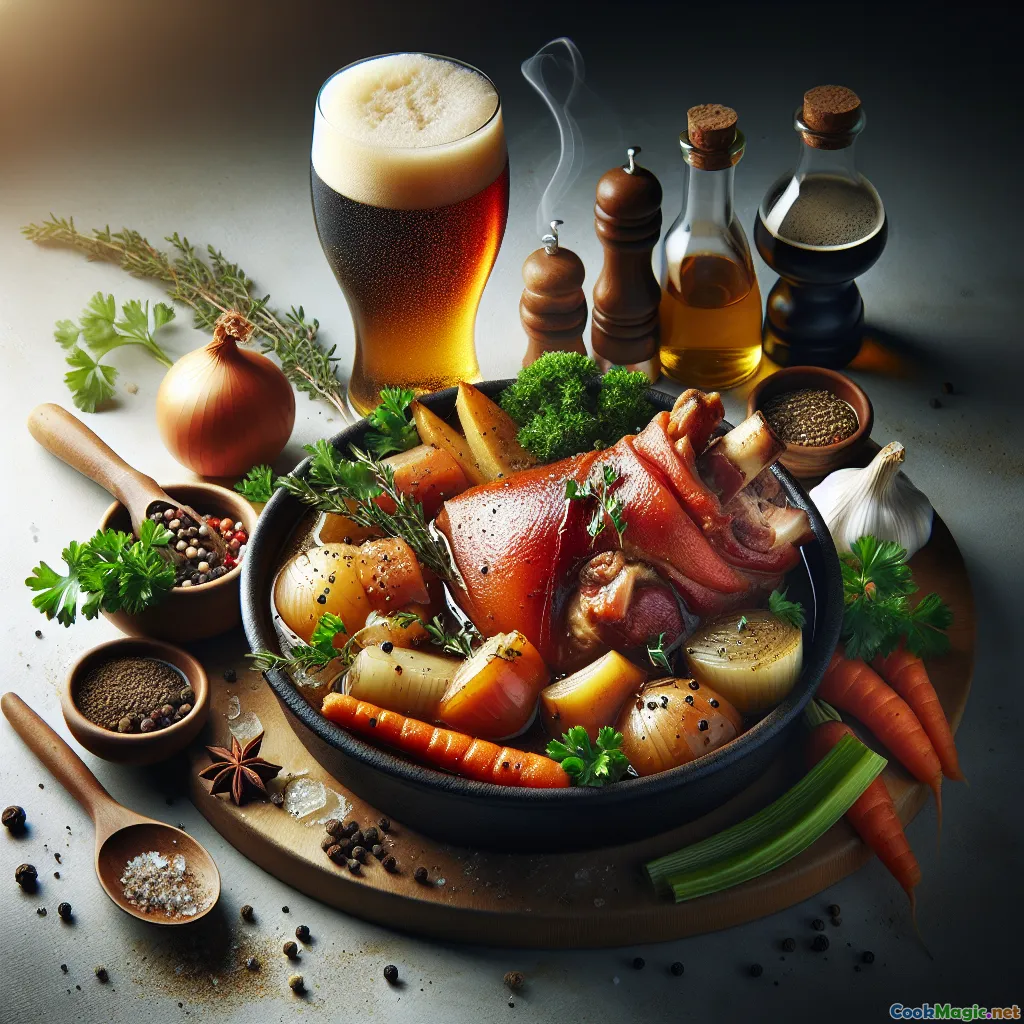
0
1,023
Juli 19, 2025
Problem melden
Zutaten
-
2 large Schweinsknöchel (Schinkenwade)
(Frisch, mit Haut für eine echte gelatineartige Textur.)
-
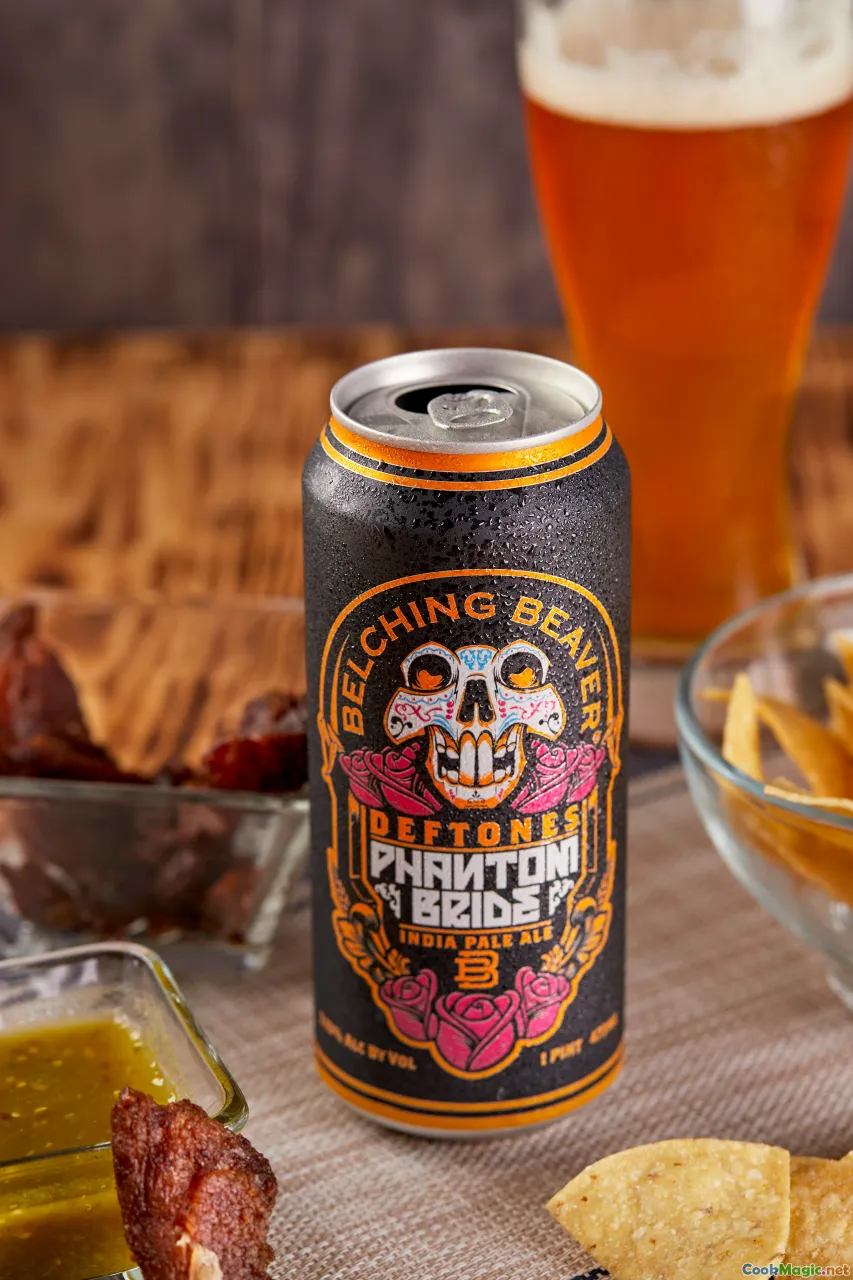
750 ml Englisches Ale (Cheb oder ähnliches dunkles Bier)
(Wählen Sie ein reichhaltiges, malziges englisches Ale, um dem Geschmack Tiefe zu verleihen.)
-
500 ml Hühnerbrühe
(Sie können auch Rinderbrühe verwenden, um einen intensiveren Geschmack zu erzielen.)
-
2 medium Zwiebel
(Grob gehackt)
-
2 large Karotte
(In 1-Zoll-Stücke schneiden.)
-
2 stalks Sellerie
(In Stücke schneiden)
Knoblauchzehen, 6
Lorbeerblätter, 3
-
6 sprigs Frischer Thymian
-
1 tbsp Ganze schwarze Pfefferkörner
-
3 tbsp Malzessig
-
2 tbsp Honig
(Karamellisierte Glasur-Finish)
-
2 tbsp Olivenöl
-
2 tsp Salz
(Nach Geschmack)
-
1 tsp Frisch gemahlener schwarzer Pfeffer
(Nach Geschmack)
-
1 large Pastinake
(In Stückchen geschnitten; optional für mehr Süße)
-
1 tbsp Dijon-Senf
(Für zusätzliche Schärfe in der Glasur)
-
2 tbsp Glattblatt-Petersilie
(Gehackt, zum Garnieren)
(Frisch, mit Haut für eine echte gelatineartige Textur.)
(Wählen Sie ein reichhaltiges, malziges englisches Ale, um dem Geschmack Tiefe zu verleihen.)
(Sie können auch Rinderbrühe verwenden, um einen intensiveren Geschmack zu erzielen.)
(Grob gehackt)
(In 1-Zoll-Stücke schneiden.)
(In Stücke schneiden)
(Karamellisierte Glasur-Finish)
(Nach Geschmack)
(Nach Geschmack)
(In Stückchen geschnitten; optional für mehr Süße)
(Für zusätzliche Schärfe in der Glasur)
(Gehackt, zum Garnieren)
Nährwerte
- Portionen: 4
- Portionsgröße: 1 Haxe mit Gemüse (ca. 400 g)
- Calories: 875 kcal
- Carbohydrates: 33 g
- Protein: 62 g
- Fat: 53 g
- Fiber: 7 g
- Sugar: 13 g
- Sodium: 1450 mg
- Cholesterol: 215 mg
- Calcium: 106 mg
- Iron: 5.8 mg
Anweisungen
-
1 - Gemüse Vorbereiten:
Zwiebeln, Karotten, Sellerie und Pastinake grob hacken (falls verwendet), dann die Knoblauchzehen zerdrücken. Gemüse beiseitelegen.
-
2 - Die Knöchel braun anbraten.:
In einem großen Dutch Oven oder schweren Topf das Olivenöl bei mittlerer bis hoher Hitze erhitzen. Die Schweinshaxen hinzufügen und von allen Seiten 5–7 Minuten bräunen, um Geschmack und Farbe zu entwickeln. Herausnehmen und beiseite stellen.
-
3 - Die aromatischen Basiszutaten anbraten.:
In dem verbleibenden Öl Zwiebeln, Karotten, Sellerie, Pastinake und Knoblauch 5–6 Minuten braten, bis sie goldbraun und duftend sind.
-
4 - Mit Ale ablöschen.:
Gießen Sie englisches Ale dazu und kratzen Sie die braunen Röstaromen vom Topfboden ab. Lassen Sie es köcheln und aufschäumen, dabei etwas reduzieren, für 5 Minuten.
-
5 - Bereiten Sie das Schmoren vor und beginnen Sie damit:
Geben Sie die braun gebratenen Schweinshaxen wieder in den Topf. Fügen Sie Hühnerbrühe, Lorbeerblätter, Thymianzweige, Pfefferkörner, Malzessig, Salz und Pfeffer hinzu. Stellen Sie sicher, dass das Fleisch größtenteils bedeckt ist.
-
6 - Sanft köcheln.:
Decken Sie den Topf ab und schmoren Sie bei niedriger Hitze 2 Stunden, wobei Sie die Schweinehaxen alle 40 Minuten wenden. Schäumen Sie die an der Oberfläche schwimmenden Verunreinigungen ab. Das Fleisch ist fertig, wenn es fast vom Knochen fällt.
-
7 - Die Glasur karamellisieren:
Honig mit Dijon-Senf (falls verwendet) mischen; erhöhen Sie die Hitze der Pfanne, decken Sie den Deckel ab und bestreichen Sie die freiliegende Haut mit der Glasur. Geben Sie etwas Bratflüssigkeit darüber. Lassen Sie es 10 Minuten köcheln, bis es klebrig und karamellisiert ist.
-
8 - Ruhen und Servieren:
Entfernen Sie die Knöchelchen und das Gemüse, damit sie ruhen können. Nehmen Sie mit einem Löffel das überschüssige Fett aus der Sauce ab; falls nötig, reduzieren Sie die Flüssigkeit. Gießen Sie anschließend die Sauce über das Fleisch. Mit glatter Petersilie garnieren und heiß servieren.
Zwiebeln, Karotten, Sellerie und Pastinake grob hacken (falls verwendet), dann die Knoblauchzehen zerdrücken. Gemüse beiseitelegen.
In einem großen Dutch Oven oder schweren Topf das Olivenöl bei mittlerer bis hoher Hitze erhitzen. Die Schweinshaxen hinzufügen und von allen Seiten 5–7 Minuten bräunen, um Geschmack und Farbe zu entwickeln. Herausnehmen und beiseite stellen.
In dem verbleibenden Öl Zwiebeln, Karotten, Sellerie, Pastinake und Knoblauch 5–6 Minuten braten, bis sie goldbraun und duftend sind.
Gießen Sie englisches Ale dazu und kratzen Sie die braunen Röstaromen vom Topfboden ab. Lassen Sie es köcheln und aufschäumen, dabei etwas reduzieren, für 5 Minuten.
Geben Sie die braun gebratenen Schweinshaxen wieder in den Topf. Fügen Sie Hühnerbrühe, Lorbeerblätter, Thymianzweige, Pfefferkörner, Malzessig, Salz und Pfeffer hinzu. Stellen Sie sicher, dass das Fleisch größtenteils bedeckt ist.
Decken Sie den Topf ab und schmoren Sie bei niedriger Hitze 2 Stunden, wobei Sie die Schweinehaxen alle 40 Minuten wenden. Schäumen Sie die an der Oberfläche schwimmenden Verunreinigungen ab. Das Fleisch ist fertig, wenn es fast vom Knochen fällt.
Honig mit Dijon-Senf (falls verwendet) mischen; erhöhen Sie die Hitze der Pfanne, decken Sie den Deckel ab und bestreichen Sie die freiliegende Haut mit der Glasur. Geben Sie etwas Bratflüssigkeit darüber. Lassen Sie es 10 Minuten köcheln, bis es klebrig und karamellisiert ist.
Entfernen Sie die Knöchelchen und das Gemüse, damit sie ruhen können. Nehmen Sie mit einem Löffel das überschüssige Fett aus der Sauce ab; falls nötig, reduzieren Sie die Flüssigkeit. Gießen Sie anschließend die Sauce über das Fleisch. Mit glatter Petersilie garnieren und heiß servieren.
Mehr über: Cheb Bier Geschmortes Schweinshaxe: Ein herzhaftes englisches Gericht
Cheb Beer Braised Pork Knuckle
Overview & Cultural Insights
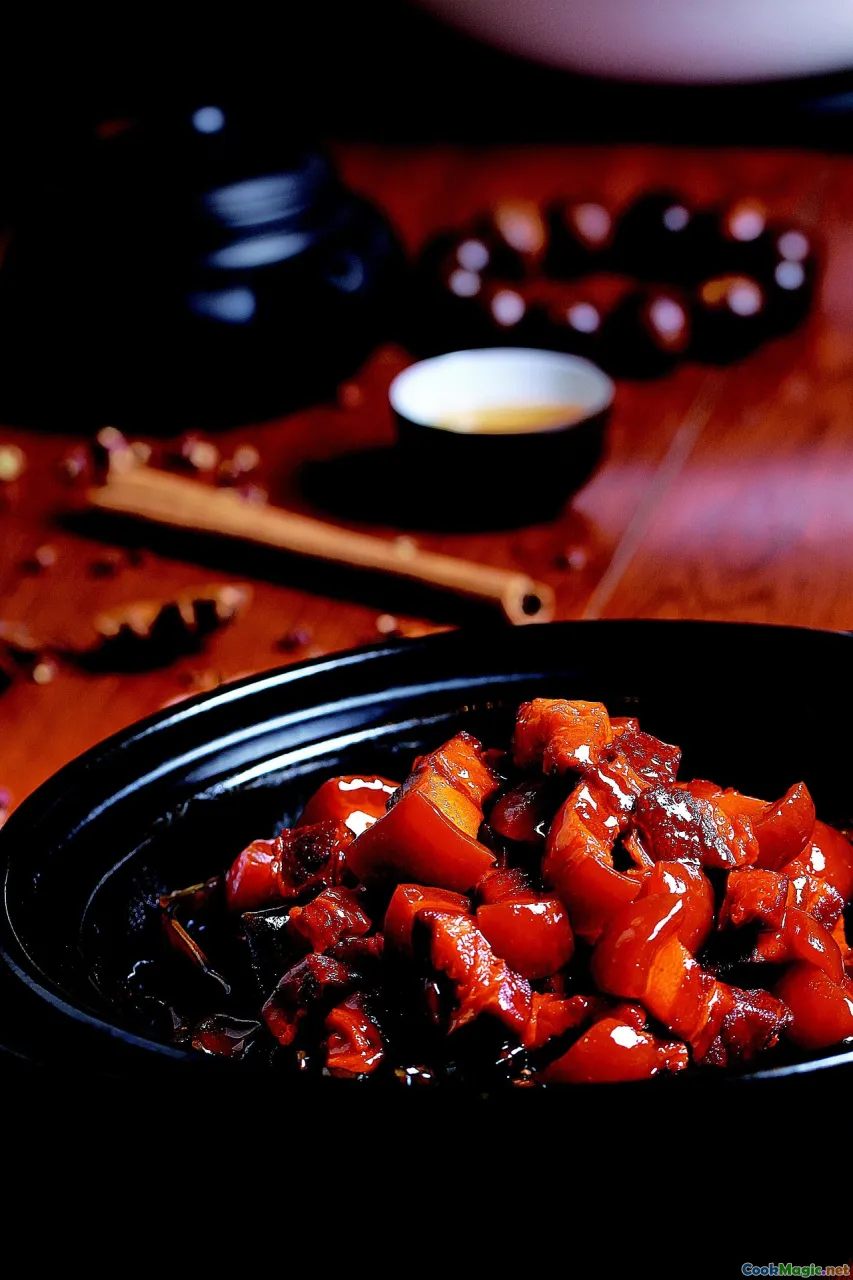
Cheb Beer Braised Pork Knuckle is a rustic English specialty fashioned in the tradition of classic beer-braised meats that have graced pub menus and family tables across the United Kingdom for centuries. Traditionally utilizing robust, malty ales—here focusing on the deep character of a Cheb-style or classic English-brewed dark beer—the recipe transforms humble pork knuckles into a fork-tender, gelatin-rich masterpiece.
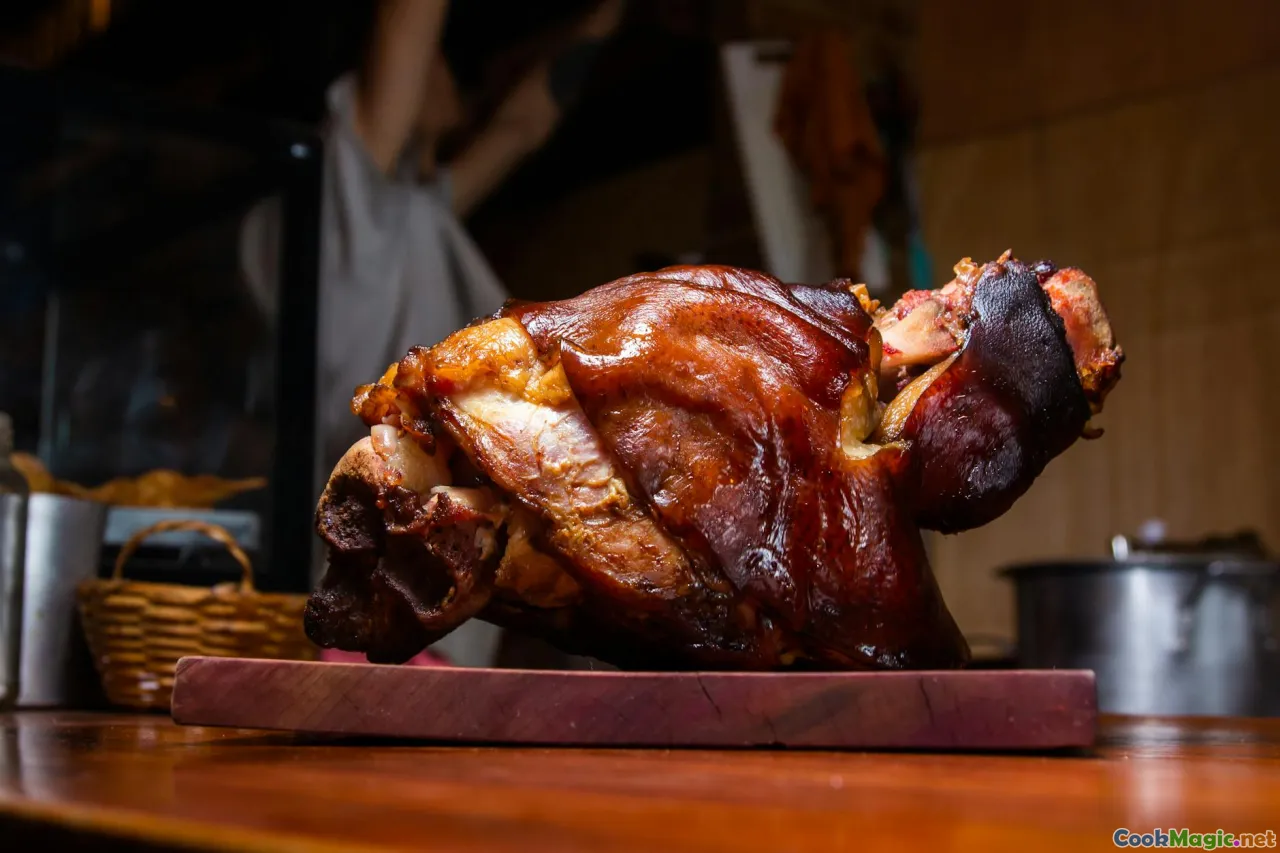
The pork knuckle, known as the ham hock, is revered in British culinary circles for both its affordability and exceptional flavor—a staple for hearty, slow-cooked preparations enjoyed in the cooler months. Part of the dish’s brilliance is owed to its origins combining peasant economy (making the most of moderately priced cuts) with the bountiful local ale tradition. The method melds simple ingredients into a dish of layered complexity, redolent of roasted root vegetables, aromatics, tangy malt, and floral herbs.
Unique Aspects & Flavor Profile
This recipe distinguishes itself through the use of English ale, which brings gentle bitterness, caramel, and biscuit notes to the cooking broth. Over several hours, the beer’s flavor softens and melds with meat juices, aromatics, and a hint of malt vinegar for brightness. Aromatic punches from thyme, bay, and garlic cut through the luscious, sticky pork fat rendered tender and spoonable. Root vegetables both reinforce the sweetness and add nutrition.
The caramelized glaze—a blend of honey and (optionally) Dijon mustard—is lovingly finished atop the skin to create a shattering crust juxtaposed against the melting interior. Using fresh, skin-on pork knuckles is key: this will offer you that mouthcoating, glossy exterior that’s not only deeply satisfying but thematic of British comfort gastronomy.
Serving Suggestions
Best served hot, this pork knuckle pairs well with creamy mashed potatoes, jacket potatoes, or even simple buttered peas and parsley for brightness. Try serving it with something tart or pickled on the side—mustard, tangy sauerkraut, or apple chutney—to balance the succulence.
For a genuine pub experience, accompany with a glass of traditional English ale—it resonates with the flavors imported into the meat during the braise. Leftover knuckles can be shredded for incredible sandwiches, hashes, or repurposed into savory pies.
Cooking Tips & Success Notes
- Sear the pork knuckles well, as this foundation of color amplifies richness throughout the slow cooking stage.
- Patience is rewarded—low, gentle heat preserves tenderness. Check on your beer–stock mix every hour to ensure the liquid level stays high enough for even cooking.
- For a deeper glaze flavor, prepare an additional tablespoon of honey mixed with wholegrain mustard to brush on five minutes before serving.
- Skim fat before reducing the final sauce. If you’ve made too much, save it as liquid gold—excellent for roasting potatoes!
- Parsnip is optional, but recommended for its mellowing, buttery sweetness; omitting it will deliver a sharper, more beer-forward result.
- This recipe scales well. Double quantities for larger gatherings, allowing a longer pot or roasting tin to keep knuckles in a single layer.
Historical and Personal Reflection
Pork knuckles cooked in ale bridge a gap between tradition and innovation. Medieval cooks in English and central European households slow braised cuts with whatever strong beverage was locally produced: robust English and Czech ales infused complexity where water and wine were scarce, as both sustained flavor and provided modest preservation. Cheb, a town in West Bohemia, Czechia, lends its beer's name as inspiration but the universal theme is rooted in everyday fare shared over laughter and warm hearths.
As a chef, crafting this dish pays homage to the old-world craftsmanship of butchery and brewing. Braises like these recall the sociable slow pace of Sunday roasts—long, aromatic hours allowing stories to rise with the steam from kitchen pans. This recipe is a celebration; a marriage of thrift and abundance, and the comfort of something satisfyingly slow in our fast-paced lives.
Try Cheb Beer Braised Pork Knuckle, and bring a taste of English taverns, harvest tables, and history into your home. It’s soul food, rich with culture and exceedingly delicious.