亚马逊水之塔卡卡:亚马逊河虾汤的创新变化
(Tacacá das Águas: Amazonian Shrimp Soup Twist)
(0 评论)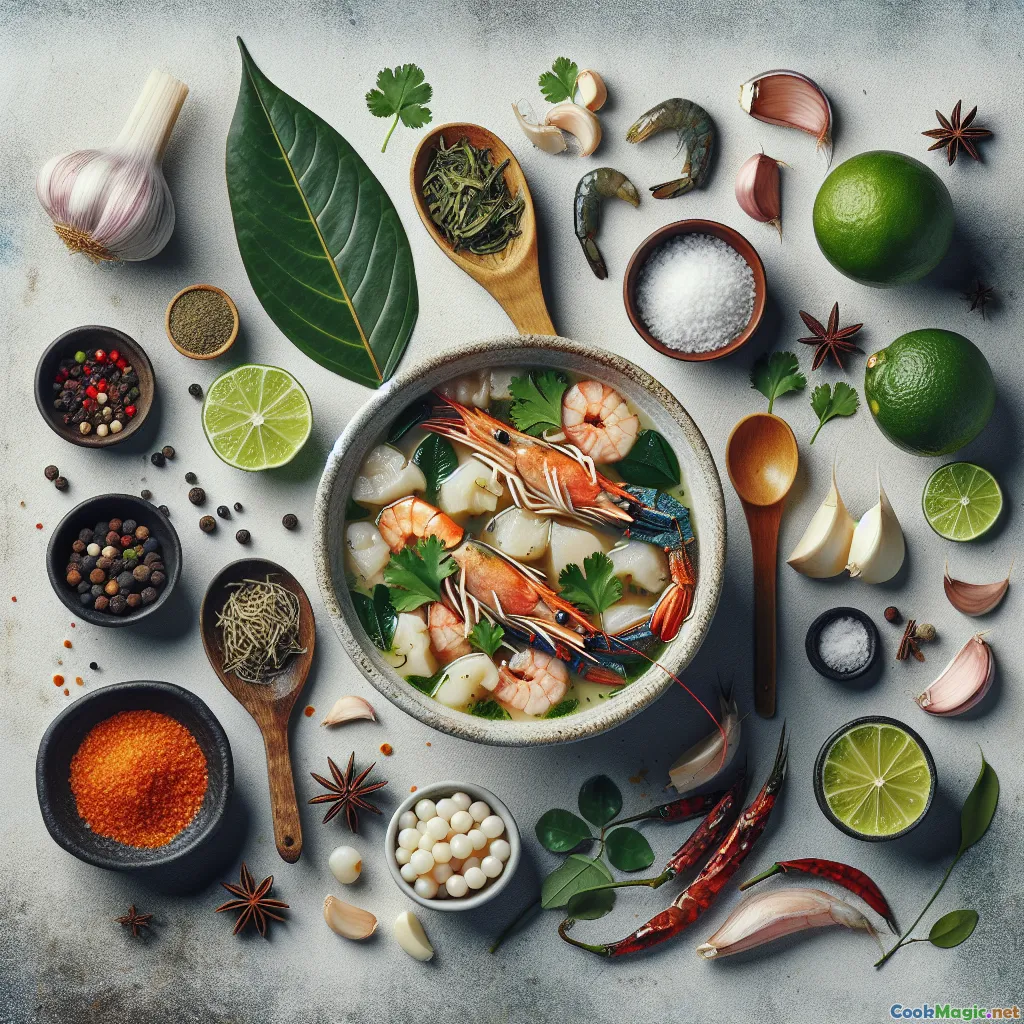
食材
-
500 ml Tucupi
(发酵的黄色木薯汤(亚马逊特色);如果 tucupi 不可用,可以用浓郁的蔬菜汤替代,并加入1汤匙青柠汁和1茶匙胭脂树籽油。)
-
40 grams 番荔枝叶
(亚马逊的叶子具有麻木效应;如果没有 jambu,请用新鲜的西洋菜再加几粒花椒来产生刺痛感。)
-
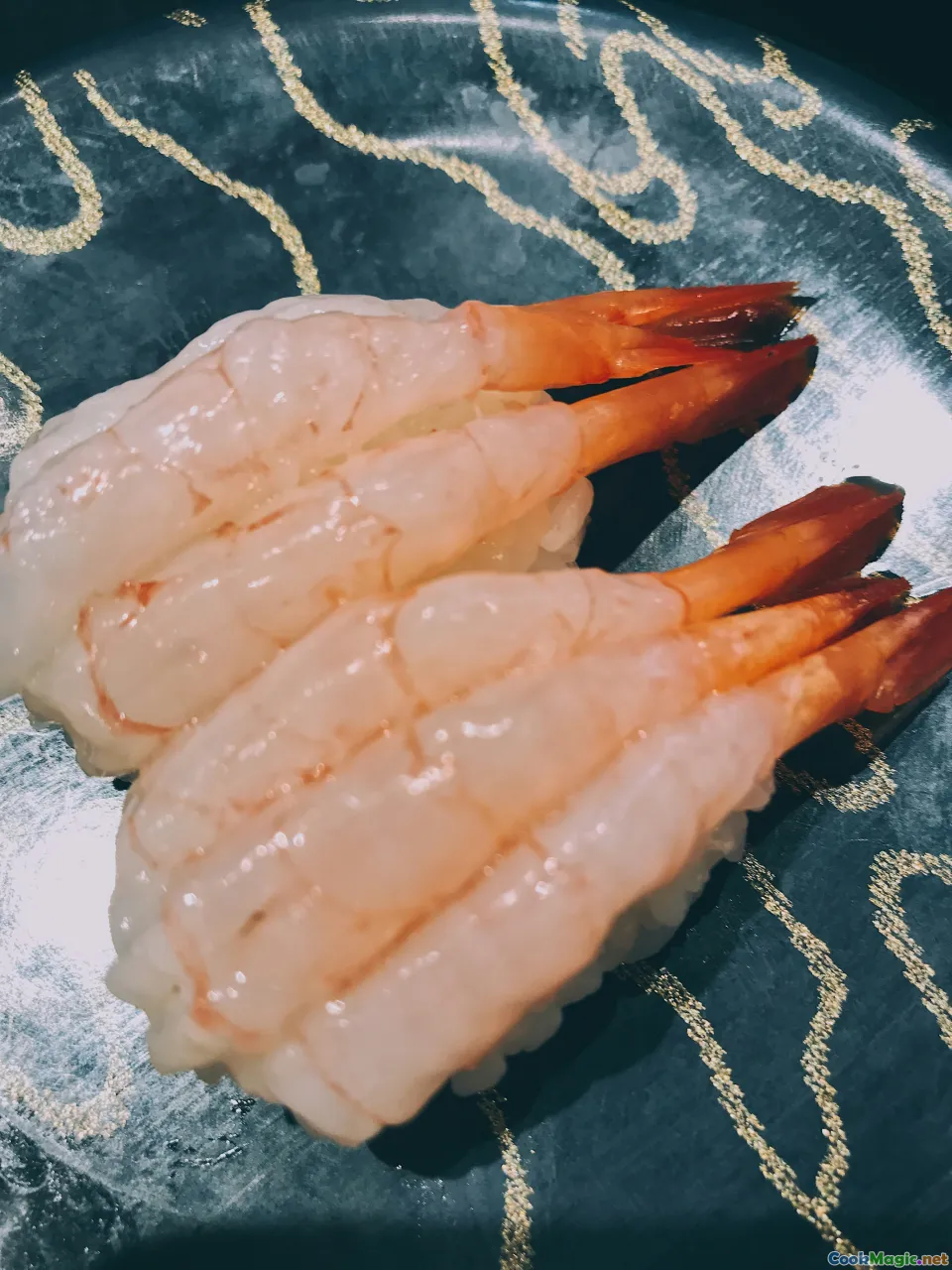
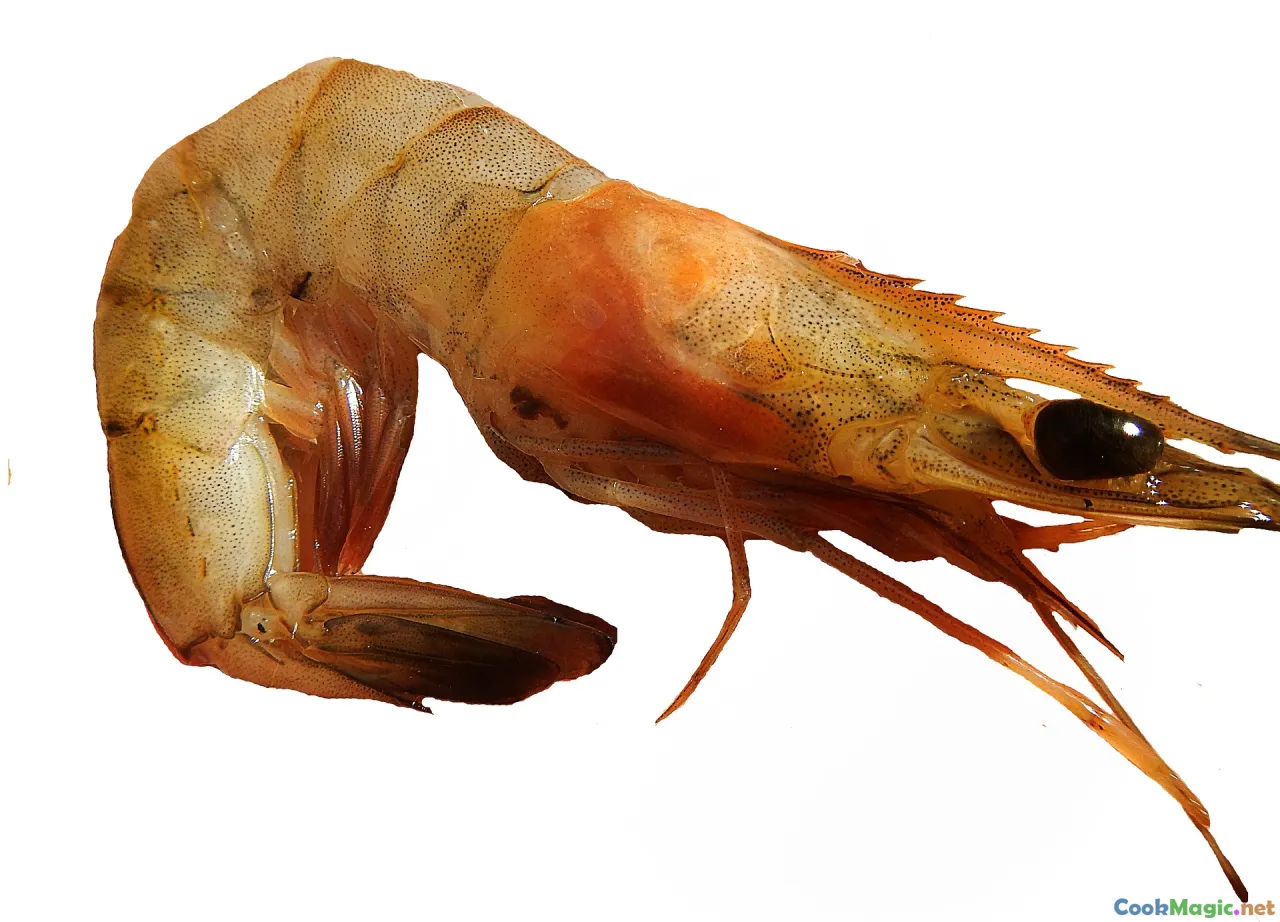
150 grams 大号淡水或河流虾(带壳)
(体型较大的带壳虾很理想。请彻底清洗干净。)
-
2 tbsp 木薯珍珠
(小颗木薯珍珠,传统上在上桌前再加入。)
-
2 medium 大蒜瓣
(切得很细。)
-
1 small 干辣椒
(使用巴西本地辣椒,或用指天椒代替。)
-
3 tbsp 香菜
(切碎,另留一些用于装饰。)
-
1 tsp 盐
(根据口味。)
-
1/2 tsp 黑胡椒
(新鲜磨碎)
-
1 tbsp 棕榈油(巴西棕榈油)
(用于颜色和复杂香气;若不可用,请用淡味橄榄油替代。)
-
1/2 whole 青柠
(收尾与额外酸味用。)
(发酵的黄色木薯汤(亚马逊特色);如果 tucupi 不可用,可以用浓郁的蔬菜汤替代,并加入1汤匙青柠汁和1茶匙胭脂树籽油。)
(亚马逊的叶子具有麻木效应;如果没有 jambu,请用新鲜的西洋菜再加几粒花椒来产生刺痛感。)
(体型较大的带壳虾很理想。请彻底清洗干净。)
(小颗木薯珍珠,传统上在上桌前再加入。)
(切得很细。)
(使用巴西本地辣椒,或用指天椒代替。)
(切碎,另留一些用于装饰。)
(根据口味。)
(新鲜磨碎)
(用于颜色和复杂香气;若不可用,请用淡味橄榄油替代。)
(收尾与额外酸味用。)
营养
- 份量: 2
- 每份大小: 1碗(350毫升)
- Calories: 210 kcal
- Carbohydrates: 28 g
- Protein: 17 g
- Fat: 4 g
- Fiber: 2 g
- Sugar: 2 g
- Sodium: 970 mg
- Cholesterol: 105 mg
- Calcium: 95 mg
- Iron: 1.3 mg
制作步骤
-
1 - 准备和清洁:
用冷水冲洗番石榴叶(如无可替代请使用西洋菜代替),洗净并去虾壳,但尾部保留完整。将所有材料准备好并切碎香料。
-
2 - 把 tucupi 高汤用小火慢炖。:
在中等大小的锅中,将 tucupi 与切碎的大蒜、辣椒(如使用)、一撮盐和棕榈油一起加热。小火慢炖 10–12 分钟,直到散发香气并略微收缩。
-
3 - 尽情品尝虾:
加入虾,在热汤中用小火煨约3–4分钟。虾应变成鲜艳的粉红色,并让汤汁散发出咸香的香气。
-
4 - 以青菜和木薯粉收尾:
加入番石榴(或用其他材料代替),让其焖软2–3分钟。加入木薯珍珠,文火煨至珠子透亮(5–7分钟)。用盐和胡椒调味,加入切碎的一半香菜。
-
5 - 上菜和装饰:
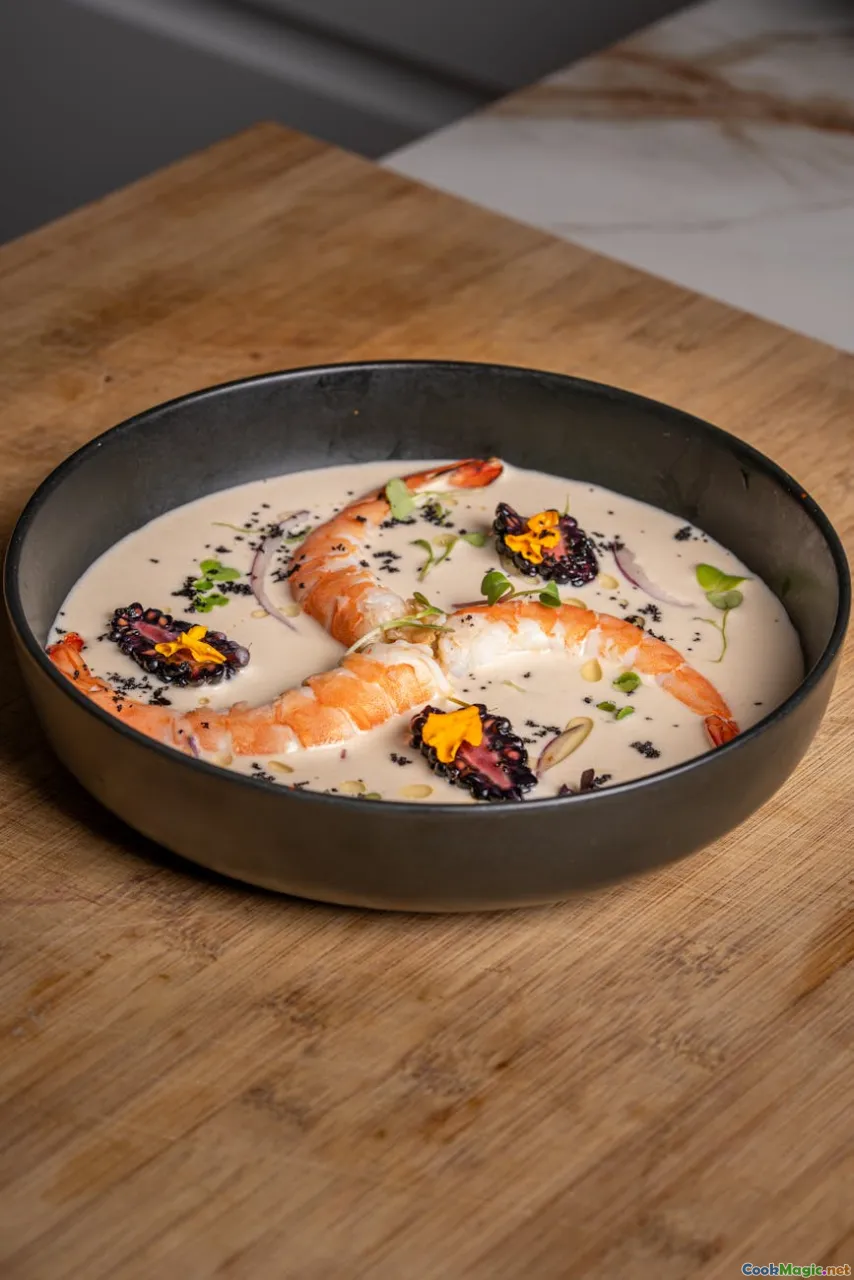
将汤分到碗中,确保虾、绿叶蔬菜和木薯珍珠均匀分布。每碗挤上新鲜青柠汁,如愿可再撒上香菜。
用冷水冲洗番石榴叶(如无可替代请使用西洋菜代替),洗净并去虾壳,但尾部保留完整。将所有材料准备好并切碎香料。
在中等大小的锅中,将 tucupi 与切碎的大蒜、辣椒(如使用)、一撮盐和棕榈油一起加热。小火慢炖 10–12 分钟,直到散发香气并略微收缩。
加入虾,在热汤中用小火煨约3–4分钟。虾应变成鲜艳的粉红色,并让汤汁散发出咸香的香气。
加入番石榴(或用其他材料代替),让其焖软2–3分钟。加入木薯珍珠,文火煨至珠子透亮(5–7分钟)。用盐和胡椒调味,加入切碎的一半香菜。
将汤分到碗中,确保虾、绿叶蔬菜和木薯珍珠均匀分布。每碗挤上新鲜青柠汁,如愿可再撒上香菜。
关于 亚马逊水之塔卡卡:亚马逊河虾汤的创新变化 :的更多信息
Tacacá das Águas do Amazonas: The Enchanting Bowl of the Rainforest
Tacacá das Águas do Amazonas is more than just soup; it's a vibrant embodiment of the wild, mysterious heart of Brazil. Rooted in Amazonian culture, tacacá is a street favorite in cities like Belém or Manaus, rarely seen outside these misty regions. Crafted for the adventurous palate, this recipe pays homage to ancient indigenous traditions while adapting for modern international kitchens. Let’s dive into the river of flavors behind this truly unique bowl.
Historical and Cultural Origin
Tacacá’s history is intimately tied with Amazonia’s indigenous peoples, especially the Pará and Amazonas states. Traditionally prepared in syncretic pots and eaten with a small spoon, tacacá brings together tucupi (the fermented yellow broth of wild manioc), jambu (a native herb with a gentle anesthetic property causing a unique numbing sensation), Amazon shrimp, and the tiny chewy addition of tapioca pearls. On Sts. Nazaré procession days, crowds line up for steaming bowls; for local families, Saturdays aren’t complete without it.
This "tacacá of the Amazon’s waters" nods to the mighty rivers crisscrossing the region: the shrimp represent bounty, tucupi is the current, and leafy jambu the surrounding evergreen forest. Finding true tucupi and jambu outside Brazil can be challenging, but resourceful swaps keep the Amazon spell alive.
Unique Ingredients and Modern Adaptations
The real soul of the dish lies in tucupi—an almost mystical, bright yellow broth extracted from the toxic wild manioc root, rendered edible by confounding biochemical alchemy (boiling, fermenting, and seasoning). Its flavor profile is at once vibrant, slightly sour, and powerfully umami. Meanwhile, jambu delivers a gentle, electric tingle; chefs prize it for its "music of the mouth." Even if these rare ingredients elude you, using a rich veggie broth, a splash of annatto or palm oil, and a little citrus zest captures the essence surprisingly well. For jambu, tingly Sichuan pepper with watercress gives both botanical and sensory magic.
Shrimp, ideally wild or river-caught, define the dish’s personality—succulent and sweet. Tapioca pearls add comforting body and visually charming surprise. Additions like dende oil, cilantro, and native Amazon chilis bring jungle depth you’ll never forget.
Kitchen Tips and Notes
- Handling tucupi: Always simmer for 10–15 minutes to eliminate residual toxins and develop full flavor. Commercially sold tucupi is pre-cooked and safe, but simmering is traditional and recommended.
- Numbing mystique: Don’t worry if jambu is inaccessible—occasionally world grocers carry it frozen. Otherwise, pair fresh watercress (peppery) with 3–4 crushed Sichuan peppercorns. Taste and adjust for balance; you want more tingle than burn.
- Shrimp selection: Use wild-caught when possible. Shell-on imparts best flavor as the exoskeleton influences the rich broth.
- Tapioca pearls: These are optional; soak beforehand if using large pearls, or use pre-cooked pearls to save time.
- Street style tradition: Locals serve tacacá in calabash bowls, sometimes eaten standing on bustling Amazon street corners. Pair with cassava “biju” or crunchy breadsticks for texture.
Personal Thoughts and Experience
The first bite of proper tacacá is invigorating: tangy-salty note balanced with numbing herbal blips and juicy, just-cooked shrimp. It’s surprising—even surreal—but ultimately comforting and deeply restorative, almost like an Amazonian miso. Every detail matters—the waft of dende oil, a hit of spice, a vibrant green in every spoonful.
Embarking on tacacá is more than prepping soup—it's channeling the mighty Amazon, the gentle resilience of its people, and the breathtaking bounty of rainforest rivers. Every cook who replicates this at home, even with smart substitutes, pays IMMEDIATE tribute to a little-known gem of world cuisine. Each time you share this remarkable recipe with friends, you share not just a food but a legacy of sustainable, indigenous, nourishing joy.
Bom apetite!