莫卡香料咖啡山羊:英式融合烘焙
(Mokha Spiced Coffee Goat: An English Fusion Roast)
(0 评论)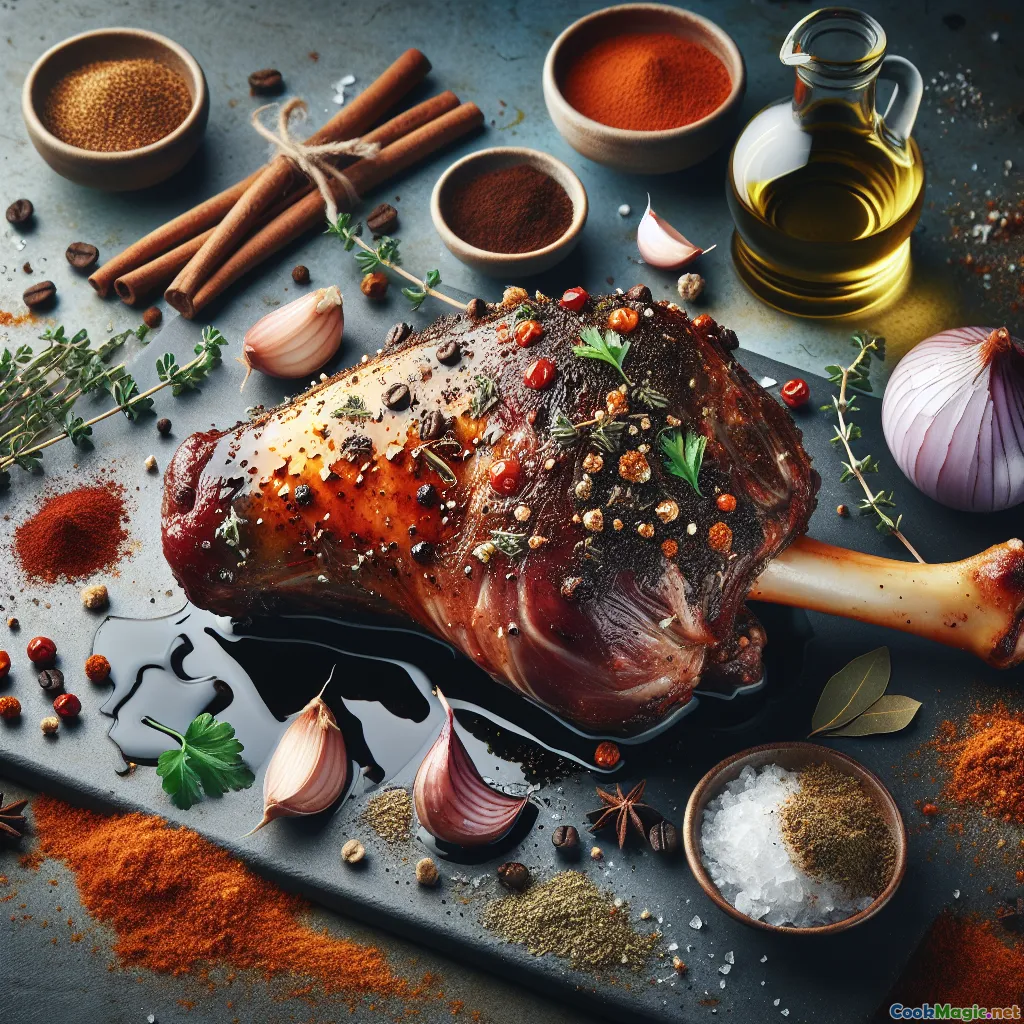
食材
营养
- 份量: 4
- 每份大小: 1 大盘(约300 g)
- Calories: 555 kcal
- Carbohydrates: 19 g
- Protein: 40 g
- Fat: 33 g
- Fiber: 4 g
- Sugar: 6 g
- Sodium: 620 mg
- Cholesterol: 135 mg
- Calcium: 80 mg
- Iron: 4.2 mg
制作步骤
-
1 - 准备咖啡香料干擦混合物:
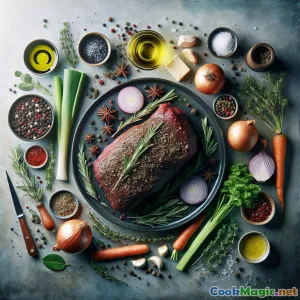
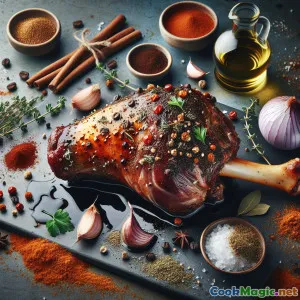
在一个小碗里,将现磨咖啡、红糖、辣椒粉、孜然、芫荽籽、黑胡椒,以及1茶匙海盐混合。将混合物均匀地擦抹在山羊腿上。
-
2 - 腌制山羊肉:
将擦过香料的山羊腿放在一个大盘子里。用保鲜膜覆盖,放入冰箱腌制至少2小时,最好腌整夜,以获得更深的风味。
-
3 - 准备蔬菜底盘:
在你的烤盘中,排放洋葱片、胡萝卜块和大蒜。淋上橄榄油,撒上干百里香和剩余的海盐。
-
4 - 煎羊肉:
在大平底锅中用大火加热橄榄油。将羊腿四面煎至深棕色。
-
5 - 烤山羊腿:
把煎香的羊腿放在蔬菜床上,加入月桂叶,并在边缘周围淋入葡萄酒(或牛肉高汤)。盖上锅盖,在160°C(320°F)烤1.5–2小时,偶尔刷汁。
-
6 - 收尾并静置:
在最后的20分钟揭盖以使表皮脆。 从烤箱取出,静置10分钟。切成厚片。用切碎的欧芹装饰,搭配烤蔬菜和肉汁一起上桌。
在一个小碗里,将现磨咖啡、红糖、辣椒粉、孜然、芫荽籽、黑胡椒,以及1茶匙海盐混合。将混合物均匀地擦抹在山羊腿上。
将擦过香料的山羊腿放在一个大盘子里。用保鲜膜覆盖,放入冰箱腌制至少2小时,最好腌整夜,以获得更深的风味。
在你的烤盘中,排放洋葱片、胡萝卜块和大蒜。淋上橄榄油,撒上干百里香和剩余的海盐。
在大平底锅中用大火加热橄榄油。将羊腿四面煎至深棕色。
把煎香的羊腿放在蔬菜床上,加入月桂叶,并在边缘周围淋入葡萄酒(或牛肉高汤)。盖上锅盖,在160°C(320°F)烤1.5–2小时,偶尔刷汁。
在最后的20分钟揭盖以使表皮脆。 从烤箱取出,静置10分钟。切成厚片。用切碎的欧芹装饰,搭配烤蔬菜和肉汁一起上桌。
关于 莫卡香料咖啡山羊:英式融合烘焙 :的更多信息
Mokha Spiced Coffee Goat: An English Fusion Adventure
The 'Mokha Spiced Coffee Goat' is an audacious marriage of earthy goat roast and the warming embrace of mokha coffee and spices, a combination rarely encountered in English home cooking. This dish is a bold tribute to the history of spice and coffee routes that converged centuries ago in British harbors and country houses.
The Essence of the Dish
Here, we lavish goat meat—a sustainably farmed delicacy more common in Caribbean or South Asian kitchens—with a flavorful rub featuring freshly ground coffee, smoky paprika, cumin, and onto the stage steps English garden companions: carrot, onion, garlic, and thyme. The rich umami base of goat warms to the assertive coffee notes: bitter, aromatic, almost chocolatey when roasted, bridging the aromatic highways between Middle Eastern tradition and rustic English fare.
To balance, sweet brown sugar and subtly tart wine mellow the more pungent flavors, infusing each bite with a rounded, almost unctuous complexity. The result? A stunning roast, well open to your favorite sides, be it genteel buttered potatoes or robust grains.
Unpacking its Cultural Significance
While goat has gained popularity in the British food renaissance, it is still a rarity at most dining tables. Combining it with coffee is an innovation inspired by culinary curiosity—much as Mokha coffee beans traveled from Yemen through Ottoman trade to London's coffee houses in the 17th and 18th centuries.
This dish pays homage not only to that rich cultural tapestry but also to the classic English roast ('Sunday Roast') experience. Pickling in a bold, dark spice rub brings both worlds to your roasting tin. Coffee, often relegated to mugs and desserts, takes a starring savory role, standing up to longer cooking without losing its alluring fragrance.
Tips and Notes
- Marinate the meat overnight: This amplifies the flavor, giving more chance for the spices all to do their work.
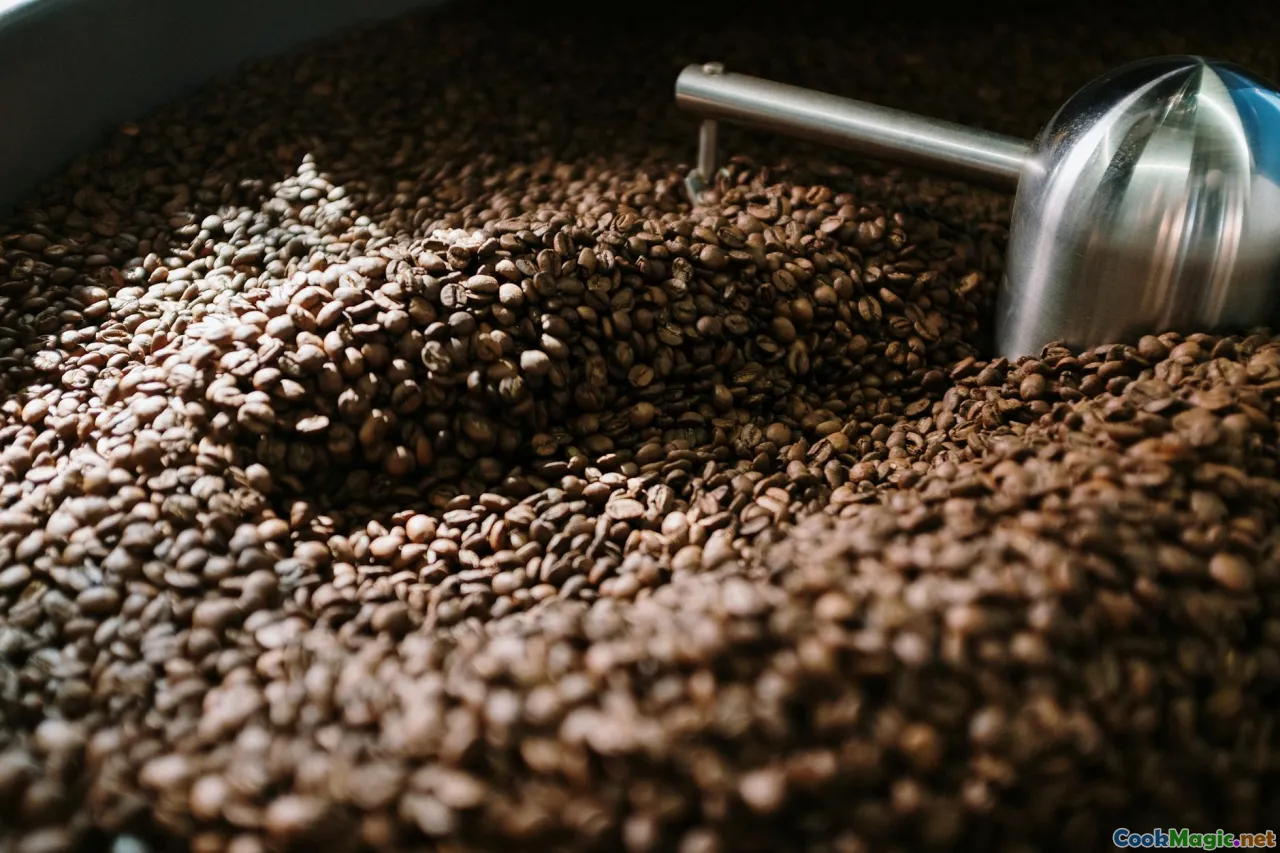
- Freshly ground coffee is key—don't use instant granules, as they can be harsh.
- Searing the goat is essential for depth; don't skip this step for the most luscious result!
- The wine is optional, but using it caramelizes the pan juices, giving a lush gravy ideal for dunking bread.
- Goat can be lean: therefore, low and slow roasting ensures juiciness. Don't overcook.
- This roast reheats well and tastes even bolder the next day.
History & Inspiration
Goat, an animal of the uplands and moorland, prized for its robust flavor, has returned to the British palate after centuries of neglect. Still exceeding in popularity in African, Asian, and Caribbean communities within the UK, it has inspired a new appreciation for alternative red meats. The use of coffee in a main course, meanwhile, recognizes the drink once termed the 'wine of Islam,' which energized Enlightenment thinkers and found its way, quite literally, into England's bustling psyche.
The Mokha Spiced Coffee Goat answers the call for a centerpiece that grabs attention but, uniquely, does so by referencing ancient trade as much as modern culinary curiosity. Serve on grand occasions; pair with roasted buttered potatoes, Yorkshire pudding, or wild mushrooms. Share the story with your guests: each element on the plate, a chapter in a truly global tale.
Personal Reflection
To me, this dish encapsulates what food culture should be—a meeting of tradition and open-minded invention. Deliver it at a Sunday lunch, and it commands conversation. Pour yourself a stout English ale or even a robust red to go with it—and prepare for a meal that is as rich in history as it is in flavor.