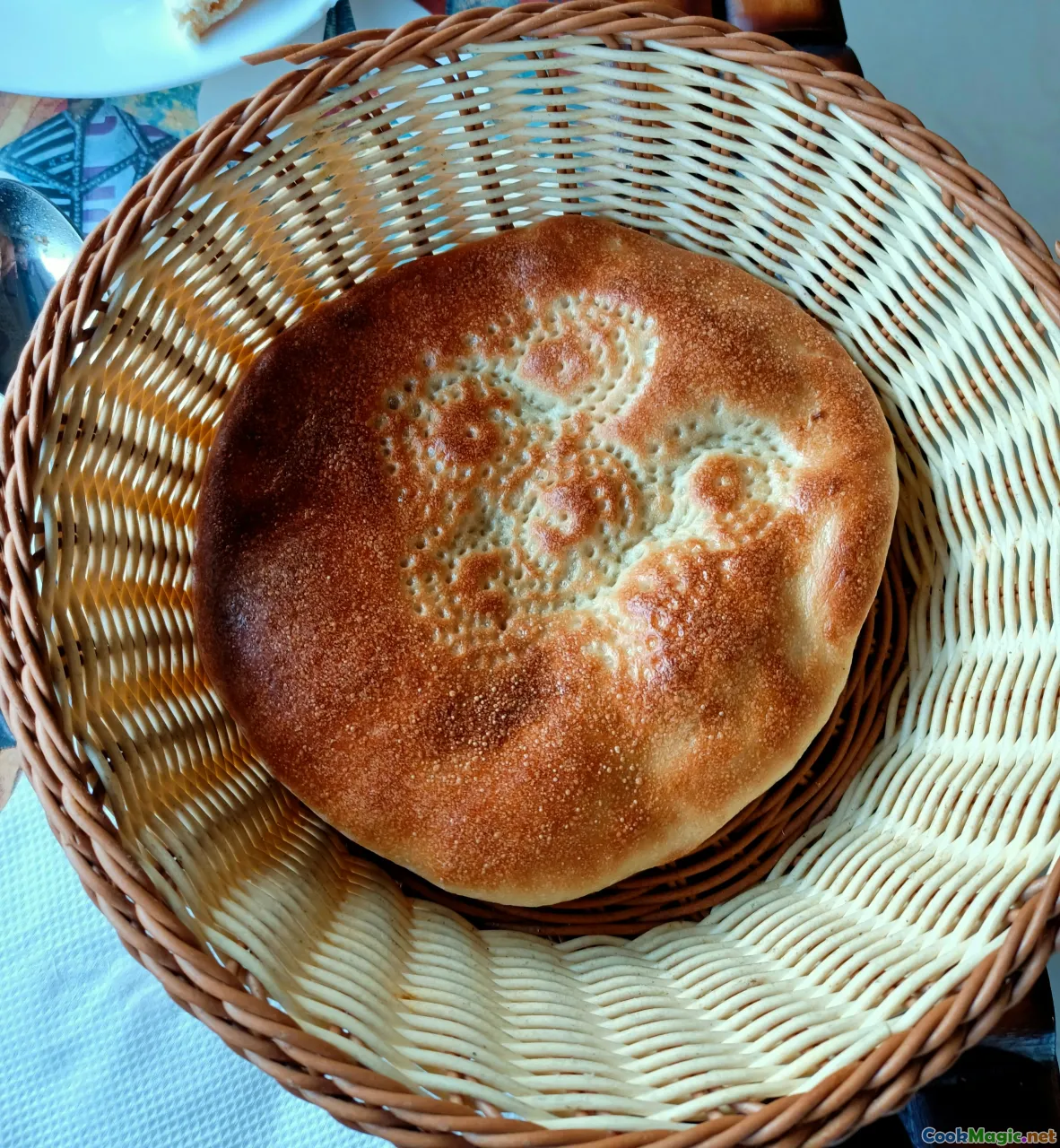
脆米 Chekichs:铸铁锅印花面包
(Crispy Millet Chekichs: Stamped Skillet Breads)
(0 评论)


食材
-
200 grams 小米粉(细磨)
(Fine/stone-ground millet flour gives better crisp edges)
-
150 grams 通用面粉
(Balances millet’s gluten-free nature for structure)
-
220 ml 温水(约40°C/105°F)
(Warm, not hot, to activate yeast quickly)
-
5 grams 速发酵母
(Use 7g for a puffier bread; 5g for crispier finish)
-
40 grams 原味酸奶
(Tenderizes and adds tang; dairy-free yogurt works too)
-
6 grams 细海盐
(根据口味调整)
-
8 grams 糖
(Helps browning and quick activation of yeast)
-
15 ml 中性油(用于和面)
(Sunflower or canola)
-
45 ml 中性油(用于平底锅煎炸)
(Add more as needed for shallow-fry crispness)
-
1 tsp 黑种子
(Traditional flavor and aroma)
-
1 tsp 白芝麻籽
(Toasted nutty finish)
-
15 grams 融化的黄油或酥油
(Brush after cooking for sheen; skip for vegan)
-
1 clove 蒜瓣,剁成末
(Infuse finishing butter/oil with garlic)
-
2 tbsp 用于撒粉的米粉
(Promotes extra crisp edges when shaping)
(Fine/stone-ground millet flour gives better crisp edges)
(Balances millet’s gluten-free nature for structure)
(Warm, not hot, to activate yeast quickly)
(Use 7g for a puffier bread; 5g for crispier finish)
(Tenderizes and adds tang; dairy-free yogurt works too)
(根据口味调整)
(Helps browning and quick activation of yeast)
(Sunflower or canola)
(Add more as needed for shallow-fry crispness)
(Traditional flavor and aroma)
(Toasted nutty finish)
(Brush after cooking for sheen; skip for vegan)
(Infuse finishing butter/oil with garlic)
(Promotes extra crisp edges when shaping)
营养
- 份量: 6
- 每份大小: 1 bread (90g)
- Calories: 420 kcal
- Carbohydrates: 58 g
- Protein: 10 g
- Fat: 14 g
- Fiber: 6 g
- Sugar: 3 g
- Sodium: 520 mg
- Cholesterol: 5 mg
- Calcium: 45 mg
- Iron: 3.2 mg
制作步骤
-
1 - Activate Yeast:
In a bowl, whisk warm water with sugar and instant yeast. Let sit until lightly foamy, 3–5 minutes.
-
2 - Combine Dry Ingredients:
In a large bowl, mix millet flour, all-purpose flour, salt, and nigella/sesame seeds (if using).
-
3 - Make the Dough:
Add yogurt and oil to the foamy yeast mixture. Pour wet into dry and mix until a shaggy dough forms. Knead 5–6 minutes until smooth and slightly tacky.
-
4 - Rest briefly:
Cover and rest 10 minutes to relax gluten. This short pause improves shaping and crispness.
-
5 - Divide and pre-shape:
Lightly flour the surface (use rice flour for extra crisp). Divide dough into 6 equal balls. Cover to prevent drying.
-
6 - Stamp and dock:
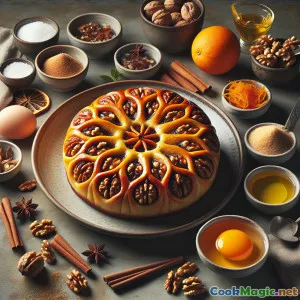
Flatten each ball into a 10–12 cm disc. Use a chekich stamp in the center to dimple and decorate. If you lack a chekich, poke the center with a fork to prevent puffing.
-
7 - Pan-fry first side:
Heat a heavy skillet over medium with a thin film of oil. Add 2–3 discs without crowding. Cook 2–3 minutes until golden and crisp at the edges.
-
8 - Flip and finish:
Flip and cook 2–3 more minutes. Press the stamped center with a spatula to keep it flat. Repeat with remaining discs, adding oil as needed.
-
9 - Brush and rest:
Briefly rest breads on a rack. Brush with melted butter or garlic-infused oil if desired. Sprinkle a pinch of salt or extra seeds.
In a bowl, whisk warm water with sugar and instant yeast. Let sit until lightly foamy, 3–5 minutes.
In a large bowl, mix millet flour, all-purpose flour, salt, and nigella/sesame seeds (if using).
Add yogurt and oil to the foamy yeast mixture. Pour wet into dry and mix until a shaggy dough forms. Knead 5–6 minutes until smooth and slightly tacky.
Cover and rest 10 minutes to relax gluten. This short pause improves shaping and crispness.
Lightly flour the surface (use rice flour for extra crisp). Divide dough into 6 equal balls. Cover to prevent drying.
Flatten each ball into a 10–12 cm disc. Use a chekich stamp in the center to dimple and decorate. If you lack a chekich, poke the center with a fork to prevent puffing.
Heat a heavy skillet over medium with a thin film of oil. Add 2–3 discs without crowding. Cook 2–3 minutes until golden and crisp at the edges.
Flip and cook 2–3 more minutes. Press the stamped center with a spatula to keep it flat. Repeat with remaining discs, adding oil as needed.
Briefly rest breads on a rack. Brush with melted butter or garlic-infused oil if desired. Sprinkle a pinch of salt or extra seeds.
关于 脆米 Chekichs:铸铁锅印花面包 :的更多信息
Overview
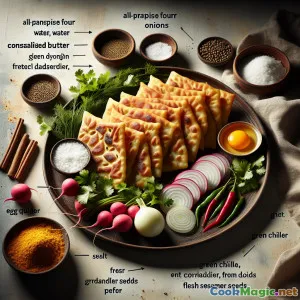
Crispy Millet Chekichs are a playful, skillet-ready homage to Central Asia’s beloved non breads—those round, beautifully stamped loaves that beam from the walls of tandoor ovens. Traditionally, bakers use a metal tool called a chekich to dapple patterns in the center of each bread. The tiny indents aren’t only visual: they control how the dough expands, keeping the center flat while the rim puffs and browns. In this recipe, we scale the concept to snack-sized flatbreads and introduce millet flour for a toasty, crackly finish. Millet’s mild nuttiness pairs naturally with sesame and nigella seeds, and a brief rest plus shallow frying delivers an irresistibly crisp edge with a tender center.
These mini chekichs are perfect warm from the pan, brushed with a gloss of melted butter or garlic-infused oil. Serve them alongside soups, kebabs, chopped salads, tangy yogurt dips, or simply as a crunchy canvas for salty cheese and herbs.
Why Millet?
Millet flour brings several advantages:
- Texture: It fries to a delicate, glassy crispness without becoming tough.
- Flavor: Subtle sweetness and nuttiness complement toasted seed toppings.
- Nutrition: Millet contributes fiber, minerals, and a gluten-light profile. Because millet lacks gluten, combining it with wheat flour preserves structure and elasticity, enabling stamping and shaping without cracking.
Technique Notes
- Chekich or Not: If you own a chekich stamp, press it firmly in the center to create a patterned, dimpled field. The pattern acts like controlled docking. No chekich? A fork works; dock the center in a dense spiral so steam can escape.
- Short Rest, Big Payoff: A 10-minute bench rest relaxes the dough, making shaping easier and helping the edges crisp evenly. Longer ferments are traditional for tandoor breads, but for a skillet method and a crisper finish, a shorter rest works beautifully.
- Heat Management: Medium heat and a thin film of oil are key. Too hot and the crust scorches before the interior sets; too low and the bread absorbs oil and gets greasy. Look for steady sizzling and light browning within 2–3 minutes per side.
- Crisp Factor: Dusting with rice flour when shaping adds micro-texture for a fritter-like edge without heaviness. Resting on a wire rack prevents steam from softening the crust.
Flavor Variations
- Herbed: Mix 1 tsp dried mint or dill into the dough, or scatter chopped cilantro over the breads just after brushing with butter.
- Spiced: Add 1/2 tsp ground coriander or cumin to the dry ingredients for warmth.
- Seed Swap: Swap sesame for sunflower or pumpkin seeds; add them after stamping so they adhere to the dimples.
- Vegan: Use dairy-free yogurt or omit yogurt and add 10–15 ml extra water; finish with oil instead of butter.
Serving Ideas
- With Shashlik: Pair with skewered meats or grilled vegetables as a crunchy foil.
- Meze-Style: Serve with labneh, baba ghanoush, and marinated olives.
- Breakfast: Top with fresh cheese, tomatoes, and a pinch of flaky salt.
- Party Bites: Slice into wedges and serve with a smoky roasted pepper dip.
Cultural Roots and Inspiration
In Uzbekistan and across Central Asia, bread is daily poetry. The chekich, a patterned metal stamp, has deep heritage: it transforms simple dough into an emblem of hospitality and craft. Bakers use the chekich to create exquisite motifs while ensuring the center stays flat in the intense heat of a tandoor. Our skillet version respects that lineage while adapting the process for home kitchens without a clay oven. The smaller format echoes street-side snacks and bakery nibbles, encouraging casual sharing and experimentation.
By weaving millet into the formula, we nod to ancient grains historically cultivated across Asia and Africa. Millet’s role here is contemporary yet rooted: it stretches the flavor profile of classic non, offering a lighter, crisper texture that suits modern palates and quick cooking methods.
Troubleshooting and Tips
- Dough Too Dry: Add a teaspoon of warm water at a time until the dough is supple but not sticky.
- Dough Too Sticky: Dust with a touch of all-purpose or rice flour; avoid overworking.
- Bread Puffing in Center: Increase docking density or press the chekich deeper. During cooking, gently tap the center with a spatula.
- Pale Crust: Raise heat slightly or cook 30–60 seconds longer per side; a hint of sugar helps browning.
- Greasy Texture: Reduce oil in the pan and let breads drain on a rack, not paper towels, to preserve crispness.
Make-Ahead
- Dough: Mix and refrigerate up to 12 hours. Bring to room temperature for 20–30 minutes before shaping.
- Shaped Discs: Stamp and refrigerate on a floured tray, covered, for up to 4 hours; cook straight from the fridge, adding 30–60 seconds to the first side.
- Leftovers: Re-crisp in a dry skillet over medium heat for 2–3 minutes, or in a 200°C/400°F oven for 5 minutes.
Final Thoughts
Crispy Millet Chekichs capture the spirit of Uzbek bakery craft in a weeknight-friendly format. The result is a textural duet—crunch around the edges, tenderness in the middle, and the unmistakable aroma of seeds and toasted grain. Whether you stamp with a traditional chekich or improvise with a fork, each bread will carry a bit of pattern, place, and personality. Enjoy them warm, share generously, and let the sound of that first crisp bite announce that something special is on the table.