在家用提夫小米粉制作因杰拉薄饼
32 分钟 阅读 在家用100%提夫小米粉掌握传统因杰拉薄饼的做法——发酵启动基础、发酵时机、面糊要点,以及做出海绵状、酸香风味的扁面饼的烹饪技巧。 十月 12, 2025 18:10
初次闻到发酵提夫小米时,我在亚的斯亚贝巴的一间阳光灿烂的厨房里,清晨的蓝光还笼罩着这座城。吧台上的碗像一只小动物在呼吸。它呼出淡淡的酸香,混着烘烤的干草和可可香,让我想到温暖的树皮和雨水湿润的石头。一个名叫 Almaz 的女子像举行仪式般把布掀开,用汤勺背触碰面糊;它发出叹息般的声音,安定下来。随后,当她把面糊以螺旋状倒在热的 mitad 上时,表面开放成无数细小的眼睛,仿佛面包本身正在醒来。她盖上盖子,蒸汽在盖边低语,片刻后掀起一张如鼓皮般的圆盘:一轮面包,斑点鲜亮,松软而饱满,带着酸味与谷物的香气。
在家用提夫小米粉制作因杰拉薄饼不仅是烹饪行为;它也是参与一门活着的传统。你学会像读朋友脸上的情绪一样去读面糊——靠气味、微小的气泡、以及面糊撕裂或顺滑的程度。你在它的酸味中品味历史。你还能听到第一批气泡在热金属上露出时的轻微嘶嘶声。因杰拉确实是一种面包,但也是一个盛盘、一件器具、以及一种共同的手势。当你吃它时,用手指撕开,盛起炖菜,递给你所爱的人一口 gursha(赠口),这就是这块面包所懂得承载的情感。
What injera is and why it matters
因杰拉是埃塞俄比亚和厄立特里亚料理核心的发酵酸饼。它柔软有弹性,微微发酸,表面布满被称为眼睛的小洞。好的薄饼折叠起来像天鹅绒,垂落如布料,吸收酱汁如海绵。它既是底座,也是搭档,与炖煮香料香气的 wot 一起——以及 shiro、misir(红扁豆)、gomen(炖绿叶菜)、tibs(煎炒肉)、以及 atakilt(卷心菜和胡萝卜)——共同构成餐桌上的搭配。
在亚的斯亚贝巴的 Merkato 午餐时,我曾看见一盘子像一幅风景:因杰拉薄饼成一轮日冕,周围摆着星群般的炖菜。这是一张能吃的地图。每道菜都放在薄饼上,薄饼吸收着酱汁,随着你品尝而变得更美味。最后一块因杰拉薄饼是奖品:它是最为浸润、记忆最深刻的一口。
因杰拉之所以重要,是因为它连接的不只是食物。它承载对话与时间。东正教的斋戒季节会影响日常餐桌,而因杰拉优雅地陪伴周三、周五及更长的四旬斋斋期的素食酱料。生日和婚礼时,因杰拉被折成扇形并层叠如布料。在从华盛顿特区U街到伦敦 Caledonian Road 的“伦敦的小埃塞俄比亚区”侨居餐馆中,它是把家传遍及海洋的味道。
Teff: Ethiopia’s ancient grain with a modern passport
提夫小米是赋予因杰拉风味与灵魂的谷物。提夫小米(Eragrostis tef),一种在大约三千年前在埃塞俄比亚高地驯化的微小一年生草,本身比罂粟籽还小,却愿意在他谷种无法生长的地方生长。风一吹就松散、农民把它放在编织篮里,微小的一缕香气就能养活一家人。与小麦或黑麦不同,提夫小米没有麸质。它的力量在于其他方面:矿物质的甜香与温和的泥土气息,意外的钙,以及在舌尖留下的铁锈感。
提夫小米有多种颜色——象牙色、棕褐色、棕色以及更深的红棕色。棕色提夫小米带有可可壳、烤榛子和雨后泥土气味(petrichor)。象牙色提夫小米则更轻,带有生蜂蜜、洋甘菊和甜干草的香气。在亚迪斯,他们常用棕色以增加深度,象牙色以提高弹性搭配混合;在美国,我使用 Maskal(The Teff Company)和 Bob’s Red Mill 的提夫小米粉,都取得了很好的效果。埃塞俄比亚的杂货店常常销售新磨的提夫小米,有时也有混合面粉,里面包括高粱或大麦。
有一个现实的事实:在埃塞俄比亚和厄立特里亚的许多地区,100% 提夫小米的因杰拉是金标准,但侨居者烘焙者常会混入少量高粱或小麦以提高可塑性,尤其是在使用较小锅具烹饪时。我们在这里坚持纯正的提夫小米,通过保持发酵和使用一种被称为 absit 的经典技巧来取得成功。结果是无麸质的因杰拉,具有出色的提起力和柔软性。
The living science of fermentation: sour, soft, and full of eyes
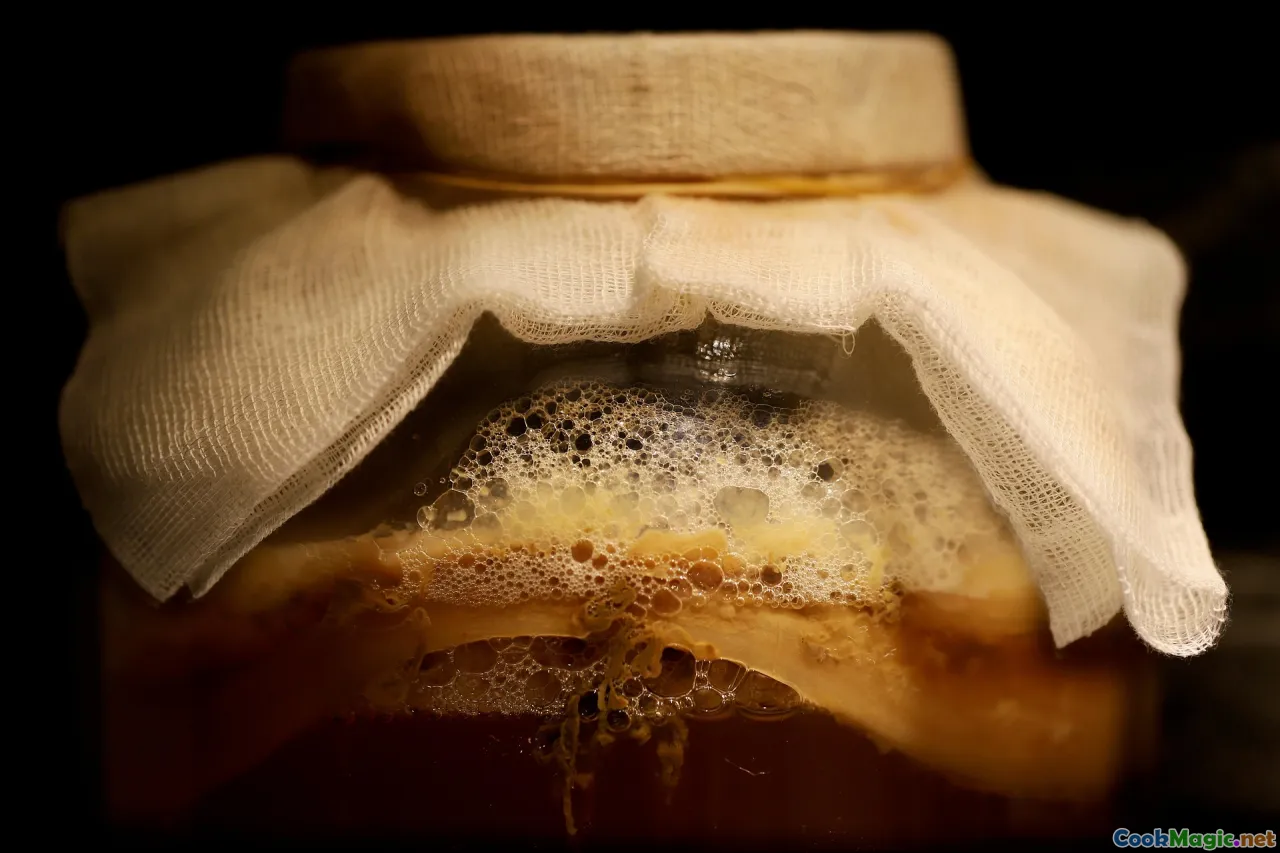
提夫小米糊通过野生酵母菌和乳酸菌在面粉和你的厨房里定居后发酵。给予它们时间和合适的温度,它们会创造出一个充满酸味和气泡的微观世界。细菌降低pH值,通常在3.8到4.2之间,产生乳酸和醋酸,使我们尝到柠檬般的酸劲和淡淡的苹果酒香。酵母产生二氧化碳,使在热面糊落入热锅时出现无数的眼睛。
如果你爱酸面团,你会认出这种节奏:面粉和水邀请隐形的客人参加一场缓慢的聚会。然而因杰拉的面糊更稀薄、更脆弱,这种舞蹈则被一个巧妙的老式技巧 absit 引导——它是由面糊本身制成的胶质糊。将少量发酵面的糊煮成光泽的淀粉性糊,然后回倒回主碗中,你就像在织一个温柔的网,固定了面糊的结构。这就是产生柔软和那些标志性洞眼的原因。
这个过程是宽容的。它更重视用心而非完美。留心气味:清爽的柠檬酸味,伴有略带麦香,但绝不刺鼻或腐臭。留意气泡像星座一样聚集,水状的顶层与下面奶油状面糊之间有微小的分层。每做一批,你就会学会读懂信号:慢泡代表房间温度偏低;过快的酸味可能意味着发酵剂需要喂养。每次发酵都要留意鼻息,若面糊清香但酸味太淡,可以延长发酵时间;若酸味过强则缩短发酵时间。
My first household starter: memory in a jar
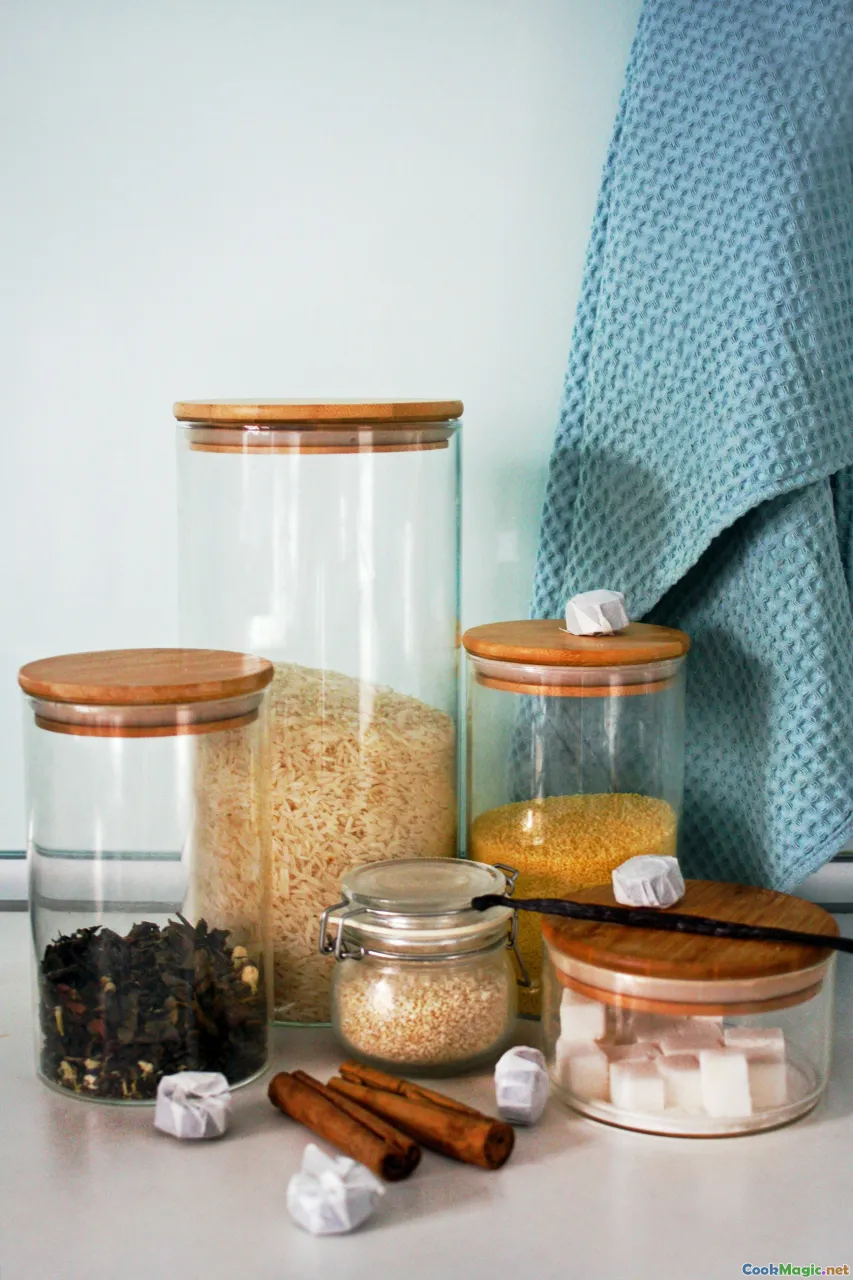
在我自己的厨房,距离亚的斯亚贝巴千里之外,我保留一个带布罩的小玻璃罐。我的 ersho——上一个批次的液体——就放在那里,呈淡琥珀色,闻起来像酸苹果皮和温暖的泥土。第一次培育它时,我把50克棕色提夫小米与60克滤水混合,搅拌至顺滑,放在24–26°C(75–79°F)的环境中。到第二天它有微弱的呼吸;到第三天它已经长出气泡斑点,带着令人愉悦的酸味。我再次按等量的面粉和水喂它,看着它更快地苏醒。
水很关键。含氯的自来水可能减慢发酵,因此我使用过滤水,或让水在室温静置一晚以让氯气散去。温度也很重要。如果你的厨房偏凉,可以把发酵剂放在烤箱里开着灯,或放在靠近热源的家电旁边;如果厨房偏热,发酵就会加速,你可能缩短时间并冷藏以保持风味纯净。
Tools and sourcing: building a tiny injera station at home

在家做因杰拉并不需要传统的泥炉,尽管如果你有一个大型电动 mitad(有时被标称为传承或多功能的16英寸平底锅),你会喜欢那种宽广而均匀的表面。许多侨居厨师出于相似原因也使用 lefse 煎饼锅。一个12英寸的不粘锅或薄饼锅也同样效果极好,配合熟练操作。
A short list of tools and ingredients:
- Teff flour: Maskal 的棕色或象牙色提夫小米粉都比较可靠;Bob’s Red Mill 的提夫小米粉也较为常见。
- 过滤水。
- 细海盐。
- 中等至大号的碗,最好是玻璃或不锈钢。
- 打蛋器/木勺。
- 汤勺或量杯用于倒入。
- 适合你的平底锅盖以锁住蒸汽。
- 可选但有用:红外温度计用于读取锅面温度(目标约200–230°C / 390–450°F),用来好奇的 pH 试纸(pH ~4 为良好目标),以及橡胶刮刀。
如果你住在埃塞俄比亚杂货店附近,可以询问因杰拉面粉混合物和新鲜提夫小米。华盛顿特区的 U 街附近有优质提夫小米;奥克兰的 Temescal 区的小市场也有;西雅图靠近中央区的餐馆周边也能买到。线上 The Teff Company 提供全国配送。
A practical timeline: from dry flour to fragrant batter
下面是一份三天的时间表,适合常规工作日程,产出8到10张慷慨的因杰拉薄饼。
Day 1 (evening)
- Mix starter and batter base.
- Let it ferment overnight at room temperature.
Day 2 (evening)
- Check aroma and bubbles.
- Prepare absit and add to batter.
- Ferment again overnight.
Day 3 (morning or evening)
- Stir, season with salt.
- Adjust to pourable consistency.
- Heat pan and cook.
Temperature is the heartbeat. At 24–26°C (75–79°F), this rhythm produces a gently sour, lively batter. If your kitchen is cooler, extend each fermentation by 12 to 24 hours; if warmer, shorten. Trust your senses over the clock.
How-to, step by step: 100 percent teff injera at home

Ingredients
- 600 g teff flour (brown, ivory, or a mix)
- 900–1000 g filtered water, divided (start with 900; you will adjust)
- 8 g fine sea salt (about 1.5 teaspoons)
- Optional: 60 g active teff starter or 50 ml ersho (from a previous batch); if you have neither, the batter will still ferment, just slower
Day 1: Mix
- In a large bowl, whisk 600 g teff flour with 700 g water until smooth, the texture of loose pancake batter. If using starter or ersho, stir it in now.
- Cover with a breathable cloth and leave at room temperature for 18–24 hours. You should see small bubbles forming at the surface by the end of this period.
Day 2: Prepare absit and build structure
- The batter should smell pleasantly sour, not sharp. Stir to deflate. If a thin liquid has risen to the top, you can pour off some or stir it back in depending on how sour you like your injera.
- Remove 10 percent of the batter to a small saucepan (about 120 g). Add 120 g water. Cook over medium heat, stirring constantly, until it thickens to a glossy porridge—this is absit. You are gelatinizing the starch, making a paste that will lend body.
- Let the absit cool for a few minutes, then whisk it back into the main bowl thoroughly. The batter will become silkier.
- Cover and ferment another 12–18 hours.
Day 3: Season, thin, and cook
- Stir the batter. It should be aerated and pourable, with lively bubbles. Whisk in 8 g salt. Add additional water, a little at a time, until the batter is like heavy cream—fluid, not gloopy. In practice, I usually end around 1000 g total water for 600 g flour.
- Heat your pan or griddle: on a nonstick skillet, medium-high heat works; with an infrared thermometer, target 200–230°C (390–450°F). A droplet of water should skitter and evaporate quickly.
- Lightly wipe the pan with a barely oiled paper towel if your pan is new; a seasoned nonstick often needs no oil.
- Stir the batter before each pour. Ladle about 3/4 cup for a 12-inch pan. Pour in a spiral, starting from the outside and moving inward, tilting the pan to encourage even spread. Aim for a thickness of 2–3 millimeters.
- Watch for eyes to appear—first pinpricks, then larger bubbles that open and hold. This should happen within 20–40 seconds if the pan is hot enough.
- Cover with a lid and steam for 45–60 seconds. The surface should set, go from glossy to matte, and the edges should lift slightly.
- Do not flip. Slide a thin spatula under the edge or lift with your fingers and lay the injera on a clean cloth to cool. Repeat, re-stirring the batter each time.
Cooked injera should feel soft, flexible, and slightly bouncy. Stack them in a single layer to cool, then you can layer with parchment to store. The scent should be warm and tangy, with a faint sweetness under the sour.
Reading the signs: eyes, aroma, and texture
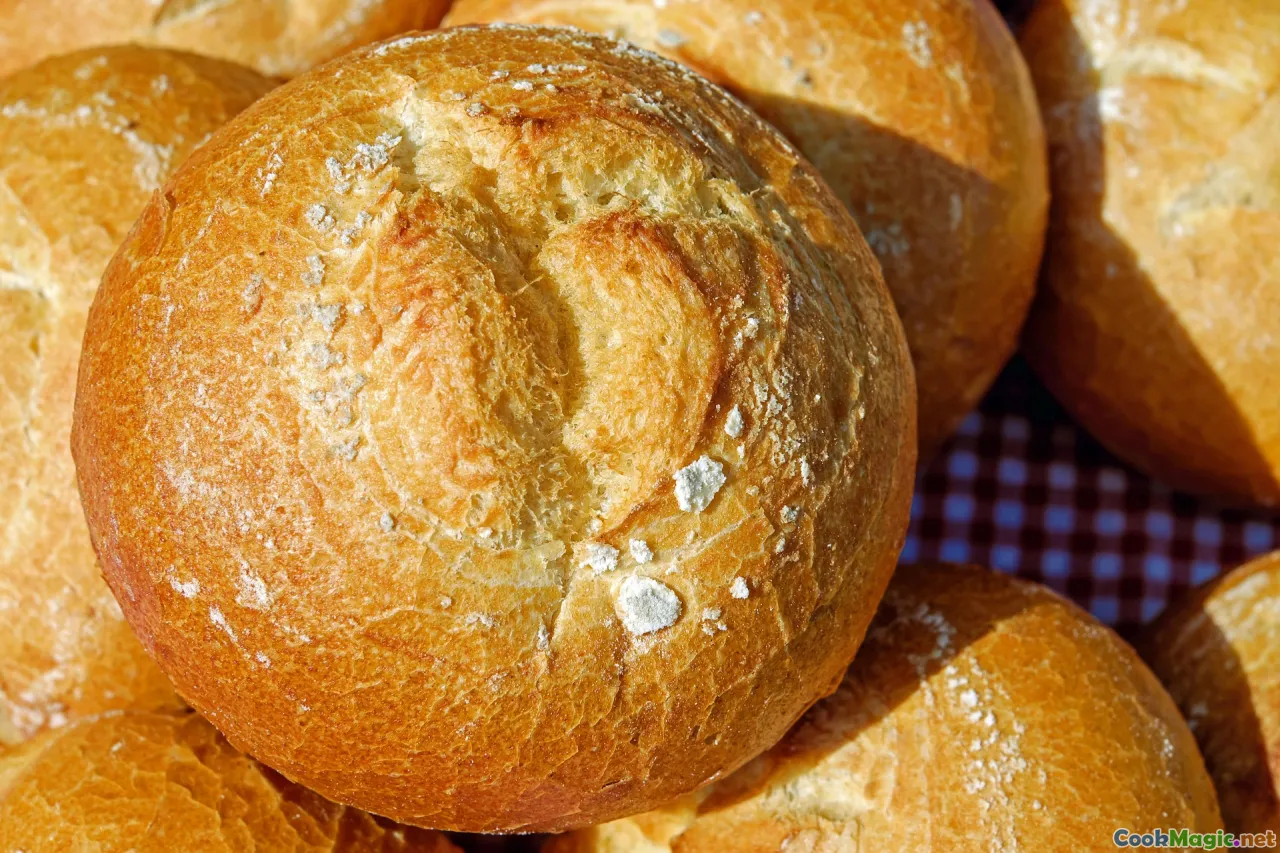
Good injera announces itself by look and feel. The eyes should be abundant and varied—constellations of tiny and mid-sized holes that look like rain hitting a pond. Too few eyes can mean batter that is too thick, insufficient fermentation, or low heat. Excessively large, collapsing holes can point to overly thin batter or a pan that is too hot.
Aroma is your compass: you want a clear, lemony acidity with hints of toasted grain. If the batter begins to smell harshly alcoholic, it has fermented too long or at too high a temperature; re-balance by whisking in fresh teff flour and water and allowing a shorter fermentation. If it smells flat, give it more time.
When you press the cooled injera, it should spring back slowly, leaving a dimple that half fills. When rolled, it should not crack. When eaten, it should cling to stew but not fall apart. If you hear the quiet hiss of steam when you lift the lid, you are in the right place.
Absit versus no-absit: a comparison for curious bakers
Absit is not strictly necessary, but it often marks the difference between good and great in 100 percent teff injera. In side-by-side batches, the absit bowl produces a bread with a satiny surface and deeper, more stable eyes. The gelatinized starch behaves like scaffolding, catching bubbles so they do not slip away. Without absit, especially with lighter ivory teff, you may get a delicate but more fragile crumb; it can still be excellent when perfectly fermented and cooked, but the margin for error is narrower.
If you love experiments: split your Day 2 batter. Leave one half as is and prepare absit for the other. Keep everything else equal. When you pour, notice how the absit batter forms eyes more quickly and sets evenly. Taste them side by side. The absit version often reads creamier on the tongue, with a more even tang.
Brown versus ivory teff: flavor and performance

Brown teff injera wears a deeper color, sometimes a gentle cocoa-chestnut. Its aroma leans toward cacao nib, damp earth, straw after a long day in the sun. Ivory teff bakes into pale gold circles with lighter, almost floral notes. Brown teff tends to ferment with gusto, producing more vigorous eyes; ivory excels in tenderness and a milder acidity.
In Addis, I’ve been served deeply brown injera with kitfo’s warm butter and cardamom, a pairing that lets the bread’s earthiness amplify the spiced beef’s perfume. In Washington, DC, at Etete years ago, the injera leaned lighter and was exquisite with shiro and collards. In my home kitchen, a 60:40 mix of brown to ivory teff is my sweet spot. To taste the spectrum yourself, buy small bags of each and run batchlets: same hydration, same temp, different flavors.
Troubleshooting: when the griddle frowns
-
Batter sticks to the pan:
- Pan not hot enough. Preheat longer. Use the water-drop test.
- New nonstick surfaces can be fussy; wipe with a lightly oiled towel between pours for the first few.
- Batter too thin; whisk in a small spoon of teff to thicken slightly and rest 10 minutes.
-
No eyes or very few eyes:
- Underfermentation. Give it 6–12 more hours, warmer spot if possible.
- Batter too thick; thin with water in 15–30 ml increments.
- Pan too cool; raise heat and test again.
-
Bitter or harshly sour flavor:
- Overfermented. Whisk in fresh teff and water (1:1 by weight) and allow a shorter fermentation.
- Use filtered water next time; chlorine can stress microbes.
-
Cracking when rolled:
- Batter too thick or under-hydrated; thin slightly for the next pour.
- Overcooked; reduce steaming time by 10–15 seconds.
-
Gummy center:
- Batter too thick; thin a bit.
- Lid not venting; crack it slightly to let steam escape in the final 10 seconds.
Keep notes. Like any ferment, injera rewards a small kitchen log: flour brand, room temperature, times, water amounts, the sound the batter made when you stirred. Your next round will be better for it.
Skillet versus mitad: a cook’s-eye comparison

Traditional injera is cooked on a large circular griddle called a mitad or mogogo—clay or metal on a charcoal stove, or a modern electric version. The generous diameter allows enormous breads with even heat distribution. You pour in one generous spiral and never worry about the edge catching.
Most of us do not have room for a 16-inch mitad in a small apartment. A 12-inch nonstick skillet or crepe pan works well. The key differences you will notice:
- Heat envelope: The mitad’s broad plate keeps a wide constant heat zone, so eyes develop evenly. A smaller pan has a hotter center and cooler edges; pour with a gentle tilt finishes the spread.
- Moisture capture: A lid fits neatly over a skillet. The mitad needs a domed cover; some cooks use a large metal bowl. Good steam is vital for a tender surface.
- Scale: You will cook more pieces on a skillet, which is not a drawback. Repetition hones your pour, and you will find your rhythm.
If you are deeply smitten with injera and cook it weekly, an electric griddle marketed for lefse or flatbreads is a solid compromise. I’ve used one happily for years.
Serving injera: the art of the shared table

An injera meal begins the moment you lift it warm from the pan. When friends come over, I spread a large round on a communal platter, then add a second folded along the edge for extra scooping power. Then come the dishes:
- Doro wot: chicken simmered in berbere and onions until inky and fragrant, finished with hard-boiled eggs and niter kibbeh (spiced clarified butter). Tear a piece of injera, scoop the sauce, feel the heat bloom like sunset.
- Misir wot: red lentils cooked down until creamy, deeply red with berbere, tasting of smoke and tomato and clove.
- Shiro: a silky stew made from chickpea or broad bean flour, perfumed with garlic and sometimes rosemary.
- Gomen: collards simmered with aromatics until tender, the iron-sweet greens a counterpoint to the heat.
- Atakilt: cabbage and carrots cooked gently with turmeric, soft and tender, faintly sweet.
- Tibs: sizzling beef or lamb with onions and jalapeños, the pan juices soaking the bread.
A note on etiquette: eat with your right hand, tear small, use the bread as your utensil. Offer a gursha—a wrapped bite—to a friend or elder as a sign of affection. When the last piece, soaked in sauce, remains, pass it with a smile. The table is conversation, and injera is grammar.
Pair with tej (honey wine), which smells of beeswax and spring blossoms, or with beer. And do not skip the coffee ceremony if offered. The scent of freshly roasted beans, the small cups, the smoking incense—this is hospitality woven from time itself.
Regional and diaspora variations

In Addis Ababa, I’ve had injera that tasted deeply of teff and sunshine in simple neighborhood spots, and elegantly tangy versions at Kategna and Habesha 2000. In the northern regions, where sorghum and barley are common, injera may be blended to suit the harvest. In parts of Tigray and Wollo, a slightly different fermentation schedule yields a bread with a deeper tang.
In diaspora kitchens, flour blends often accommodate available grains and equipment. In Oakland’s Cafe Colucci, the injera leans robust, perfect for rich tibs; at Dukem on DC’s U Street, I once ate a platter where the bread was shimmering and fine-pored, delicate yet strong. In London’s Lalibela, the injera arrives pale and perfumed, and the shiro tastes as if someone cooked it inside a clay pot that remembered a forest.
If you make injera weekly, save some of the sour liquid (ersho) from your batter to inoculate the next batch. This creates your house flavor—a personal orchestra of microbes tuned to your kitchen. Over months, you will taste nuance settle into your bread like a season.
The flavor architecture of injera: a cook’s analysis
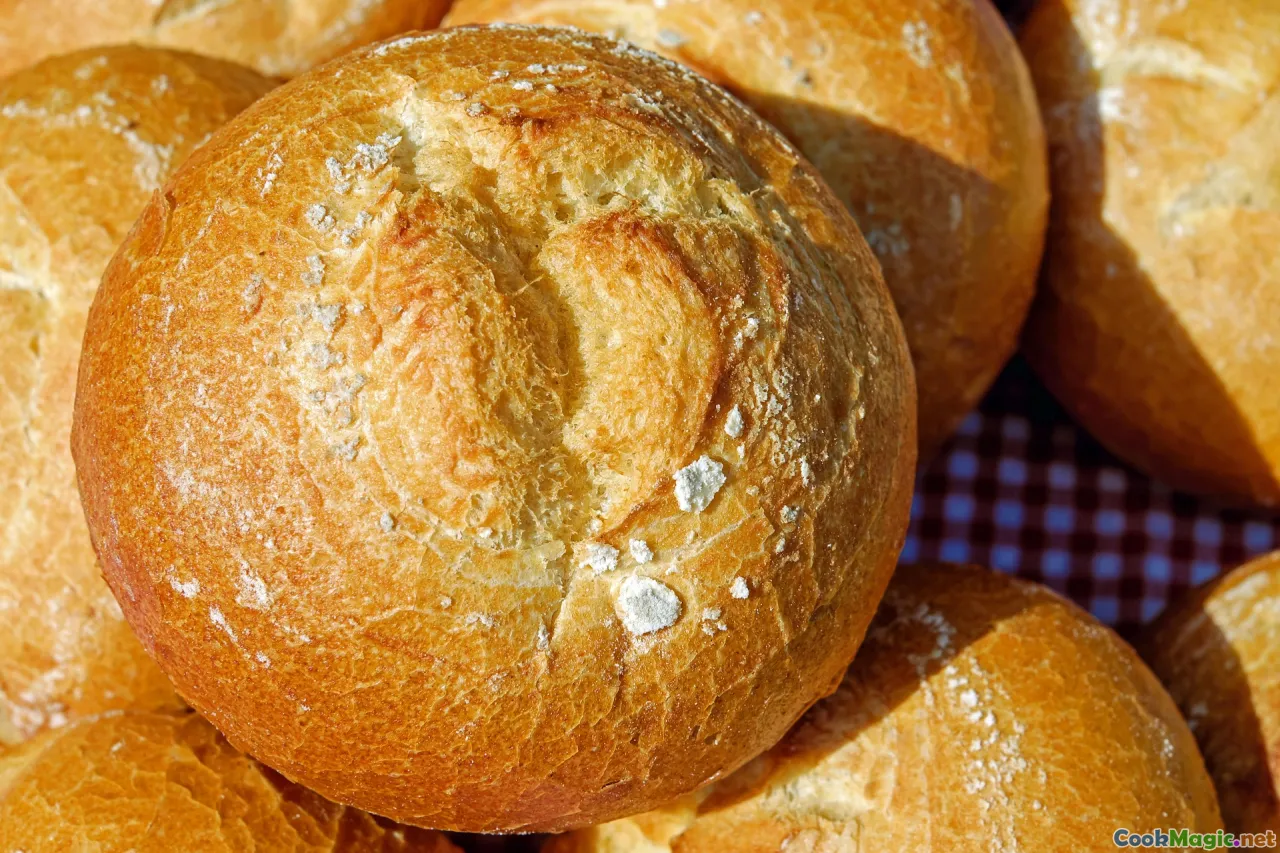
Tasting injera with intention reveals layers:
- Initial aroma: lactic brightness—yogurt and green apple peels—framed by warm grain. Brown teff adds cocoa-nib bitter and petrichor.
- First bite: a gentle tang hits the sides of the tongue; salt heightens the grain’s sweetness. The crumb compresses and springs.
- Mid-palate: a whisper of toasted hay, faint minerality (iron, calcium), soft nut notes. Sauce begins to seep, binding to the network.
- Finish: clean, lemony; lingering warmth if paired with berbere; a faint sweetness that echoes the grain.
This architecture is adjustable. If you prefer more lactic than acetic acidity, keep fermentation cooler and longer. If you want a brighter, sharper tang, allow a slightly warmer ferment and stir less often so acetic producers can bloom near the surface. Salt at the end keeps bacteria honest and flavors clean.
Tips for mastering the pour

- Stir before every ladle. Bubbles rise; you want an even suspension.
- Start at the outer rim and spiral inward. If your pan is round and heavy, a small wrist tilt finishes the spread.
- If the batter hesitates and leaves bare spots, your batter is too thick. Thin in small increments.
- Do not overfill. Thin injera cooks evenly and forms elegant eyes. Thick injera can gum.
- Commit to the lid. Steam sets the top as the bottom cooks. If the top remains glossy after 45 seconds, give it another 10–15 seconds.
- Cool on cloth. A clean cotton towel wicks moisture without sticking. Paper can grab.
Practice cures most ills. In two or three sessions, your body will memorize the timing the way it memorizes how to flip an omelet.
Sanity-saving hacks for busy kitchens
- Refrigerate part of your batter after Day 2. Cold slows fermentation; the flavor will hold while you cook as needed. Bring to room temperature and stir before cooking.
- Freeze cooked injera in stacks separated by parchment. Reheat by steaming for 30–45 seconds or microwaving under a damp towel.
- Keep a small jar of ersho in the fridge. Even a few tablespoons jump-start the next batch’s flavor.
- Plan around fasting days. Vegan stews hold well and make excellent leftovers; injera spans multiple meals without losing charm.
Nutrition, sustainability, and the small seed that could
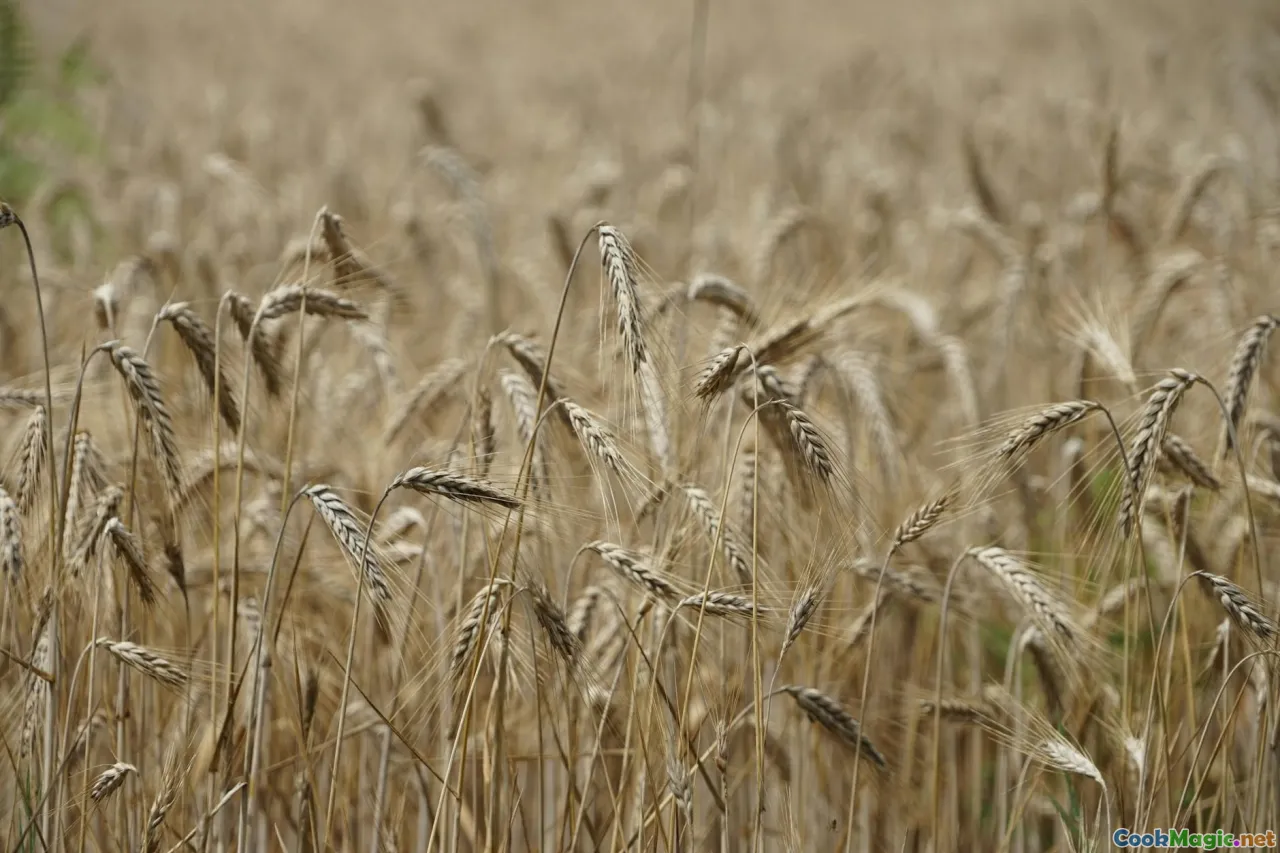
Teff is resilient, thriving in marginal soils and variable rainfall. Its small seed yields densely nutritious flour: rich in fiber, high in calcium and iron for a cereal, a source of resistant starch. For those who avoid gluten, teff is a boon not just as a substitute but as a distinct pleasure. Grown with care—by farmers in Ethiopian highlands and by producers in Idaho or Nevada—teff connects ancient agriculture to contemporary kitchens.
Sustainability is not only about the field; it is about how we eat. An injera-centered meal, abundant in legumes and greens, has a lighter footprint and satisfies deeply. The bread transforms even simple stews into a banquet.
A story from a steam-clouded night in Addis
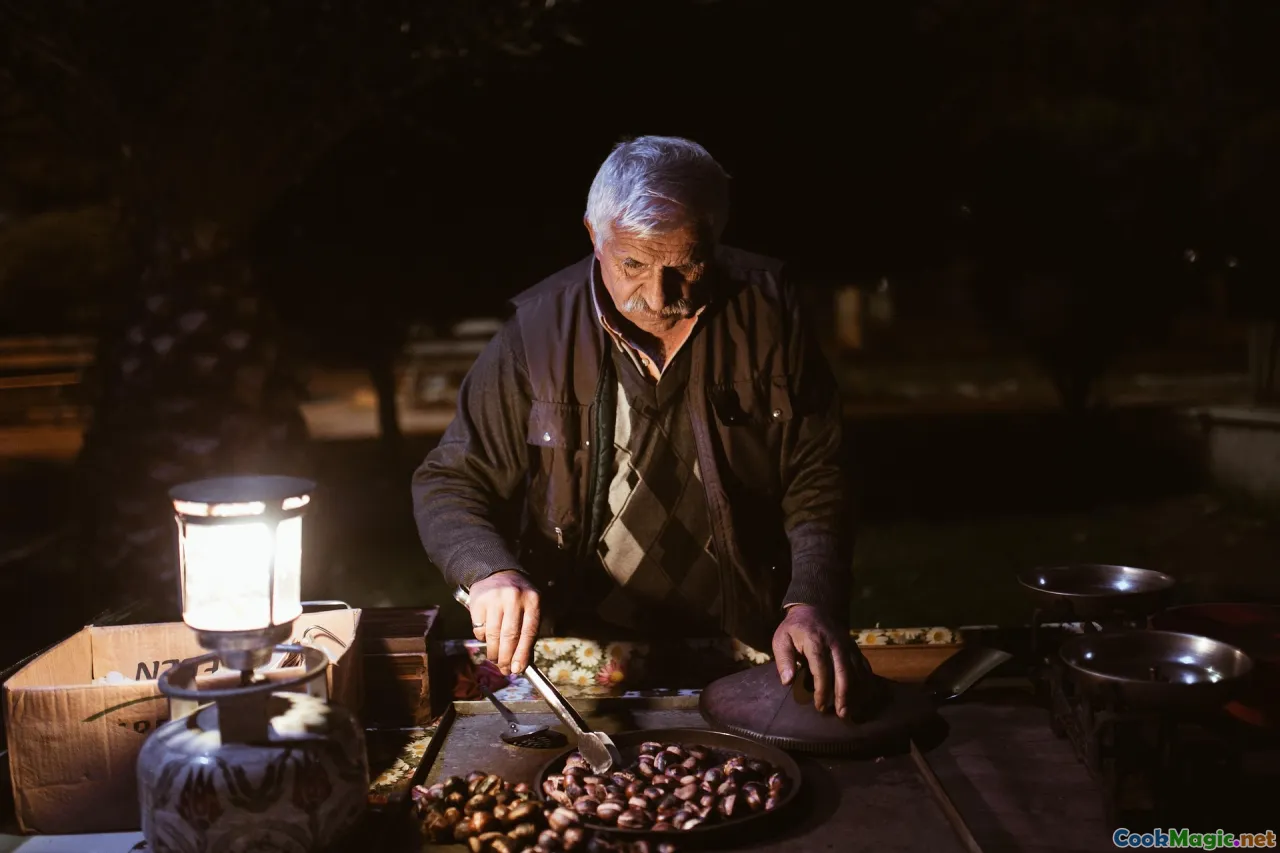
It was raining, the kind that smells of electricity and wet dust, and we ducked into a small place near Bole. The cook’s hands moved in a choreography so practiced it looked like dancing: ladle, spiral, lid, lift, lay. The room was loud with laughter and the clatter of metal bowls. We ordered tibs that arrived gleaming with butter and jalapeño, and misir wot that tasted of slow onions and respect. The injera was pliant and alive, the last piece stained cinnabar from berbere. A little girl at the next table fed her grandmother a careful gursha, eyes intent. The grandmother laughed and blessed her. In that moment, with steam fogging the windows and the city humming beyond, the bread felt like language.
Back home, when I pour batter onto a hot pan in the quiet of evening, that memory returns. The eyes form. The lid whispers. I lift the edge with my fingers, still warm, and I can almost hear the rain on the tin roof in Addis.
Advanced variations: blending grains and building custom flavor
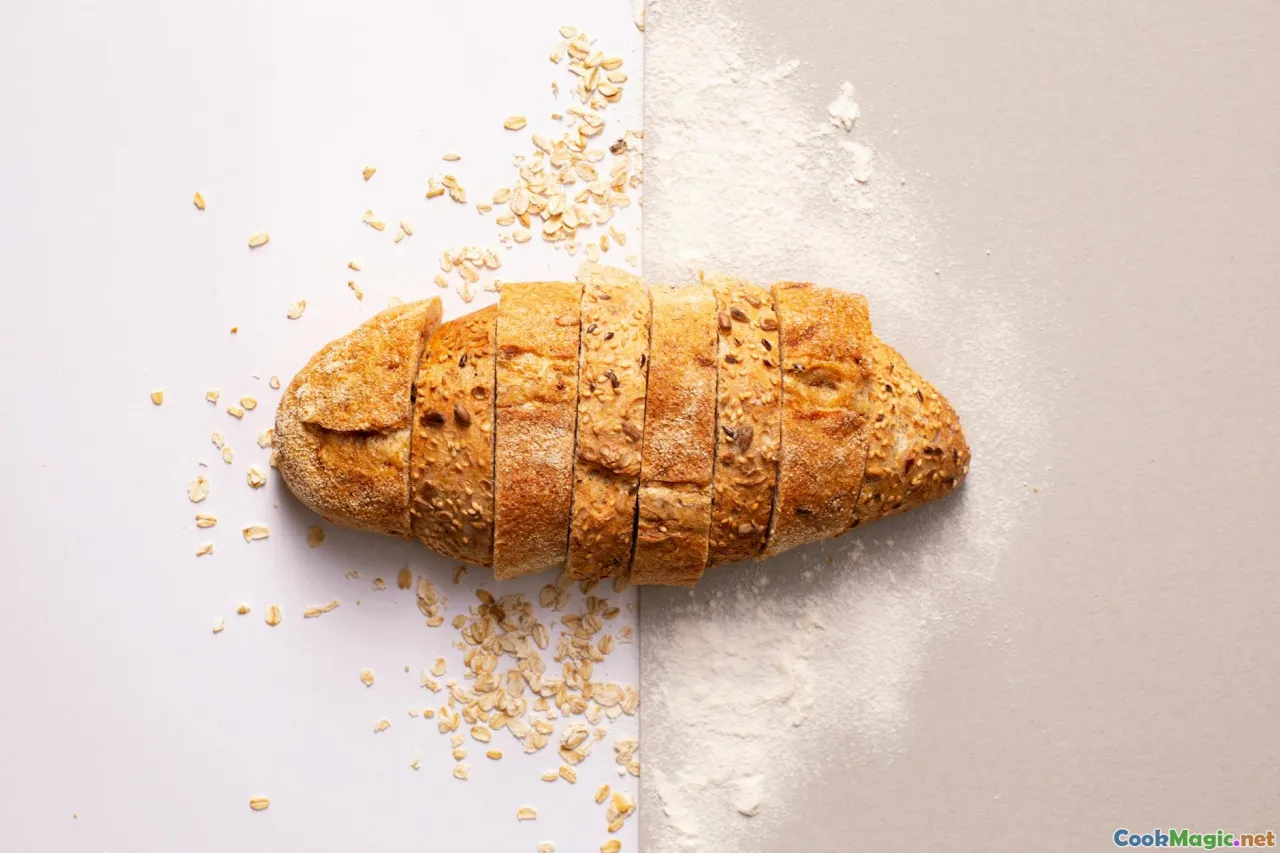
While 100 percent teff is canonical, regional and personal styles often include other grains:
- Sorghum: Adds softness and a mild sweetness; a 20–30 percent addition can make a more elastic crumb on small pans. Ferments eagerly.
- Barley: Contributes malt notes, a subtle biscuit fragrance; watch hydration as barley absorbs less water than teff.
- Wheat: Used in some diaspora kitchens for increased pliability. Even 10–15 percent can significantly change texture.
When blending, keep total hydration in the realm of heavy cream and taste carefully. Different grains shift the acidity profile. For a layered tang, try a cool ferment for 36 hours after absit and cook on day four. For brighter flavor, ferment warm and cook sooner.
The coffee ceremony and injera’s companion rituals
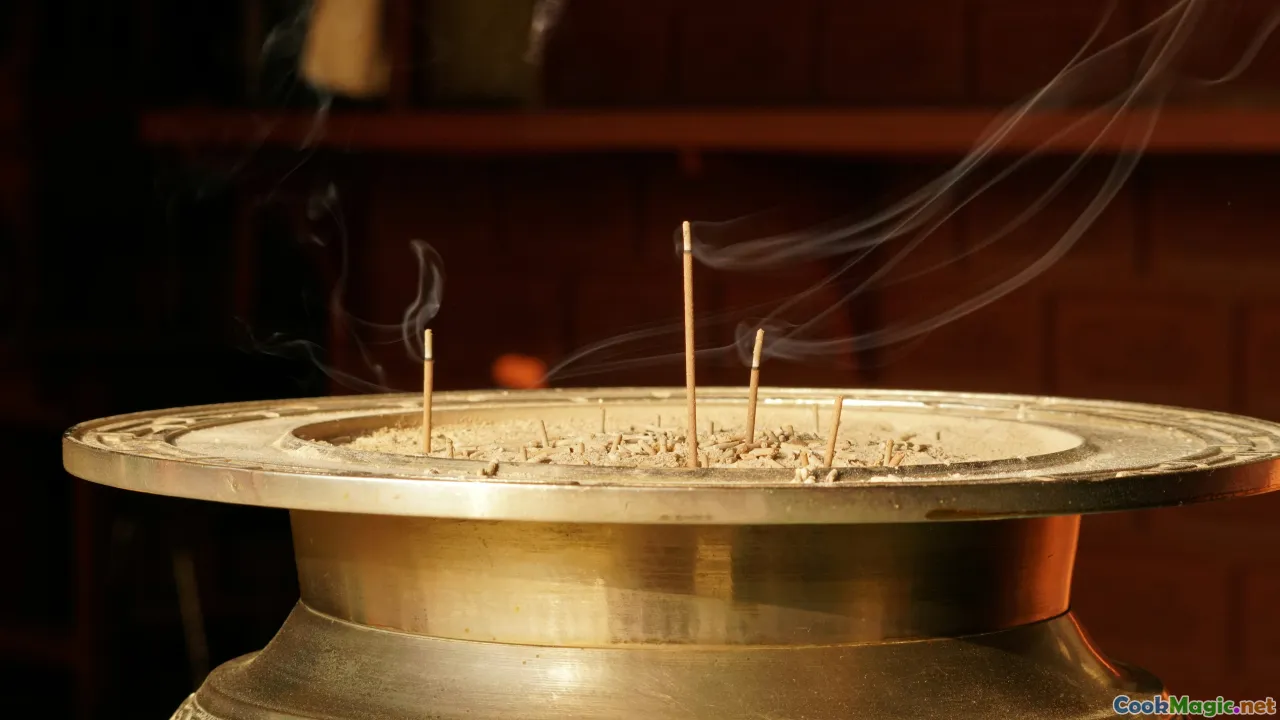
No discussion of injera is complete without coffee. A traditional ceremony begins with green beans roasted in a pan until they pop and go glossy, their smoke scenting the room with caramel and cedar. The beans are ground, then brewed in a jebena—a clay pot with an elegant neck—poured into tiny cups. Incense burns. Popcorn or toasted barley may appear. Injera is often part of the table, a humble, steady presence.
I remember the first time I cradled a cup of buna after a long meal: bright acidity, an echo of red fruit, then chocolate. The injera in my stomach and the coffee in my hand made me feel anchored, like stones arranged in a circle.
Leftovers become tomorrow’s delight
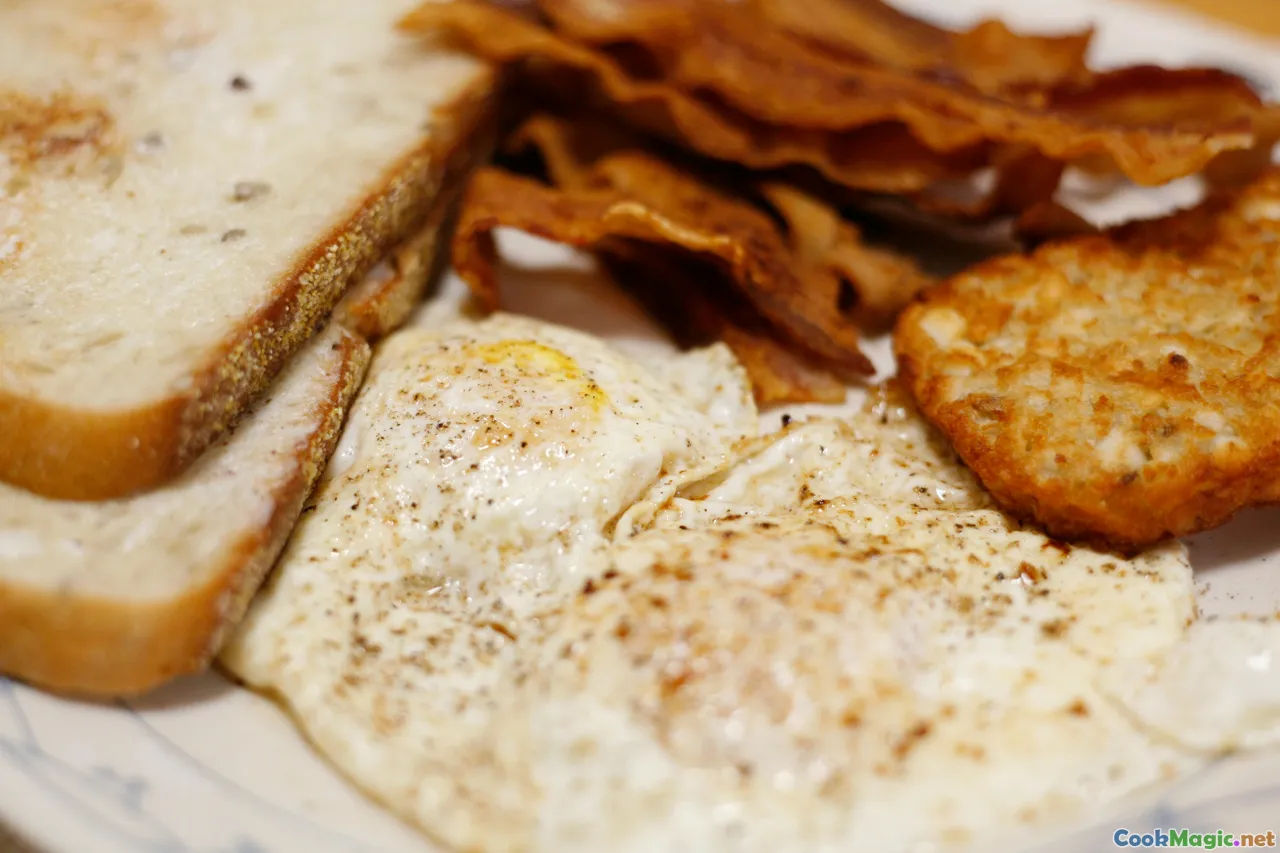
Leftover injera is a gift. It reheats beautifully, coming back to life with a minute of steam. It also makes:
- Breakfast firfir: tear injera into strips, sauté in niter kibbeh with berbere and a splash of leftover stew until it drinks up the sauce. Finish with yogurt or a crumble of fresh cheese.
- Crisp chips: brush with oil, sprinkle with berbere and salt, bake at 175°C (350°F) until crisp. Dip into awaze (a berbere-honey-mustard sauce) or hummus.
- Wraps: roll around soft scrambled eggs with collards and a hit of mitmita.
Store cooked injera wrapped in a cloth inside a sealed bag in the fridge for up to 3 days, or freeze for longer. Re-steam to revive.
A cook’s checklist for repeatability

- Weigh flour and water. Consistency is freedom.
- Use filtered water and mind your room temperature.
- Embrace absit for 100 percent teff.
- Stir the batter before each pour.
- Steam decisively; do not hover with the lid half off.
- Rest cooked injera on cloth; do not stack until warm, not hot.
- Keep ersho for next time; you are building a house culture.
Note your observations in a small notebook. It takes only a minute, and your future self will thank you.
Frequently asked curiosities from culinary friends
- Can I ferment in the fridge? Yes, after an initial room-temperature kickstart, a cold ferment produces clean flavors. Plan for 3–5 days and taste daily.
- Can I speed it up? A warm spot will shorten times, but do not overshoot; above 30°C (86°F) can skew the microbial balance. A small spoon of sugar can push activity, but it is rarely necessary with fresh teff.
- Do I ever flip injera? Traditionally, no. Steam sets the top. If your stove is very weak, you might experiment with a 5–10 second flip, but it often toughens the surface.
- Why is my batter gray? Teff darkens as it ferments; gray-tinged batter is not a problem if the aroma is clean and sour. If it smells off—cheesy or rotten—discard and start fresh.
- Can I use a sourdough starter from wheat? You can inoculate teff batter with a small amount; the microbes will transition. The flavor will differ. For a teff-forward taste, grow a dedicated teff starter.
Why cook injera at home?
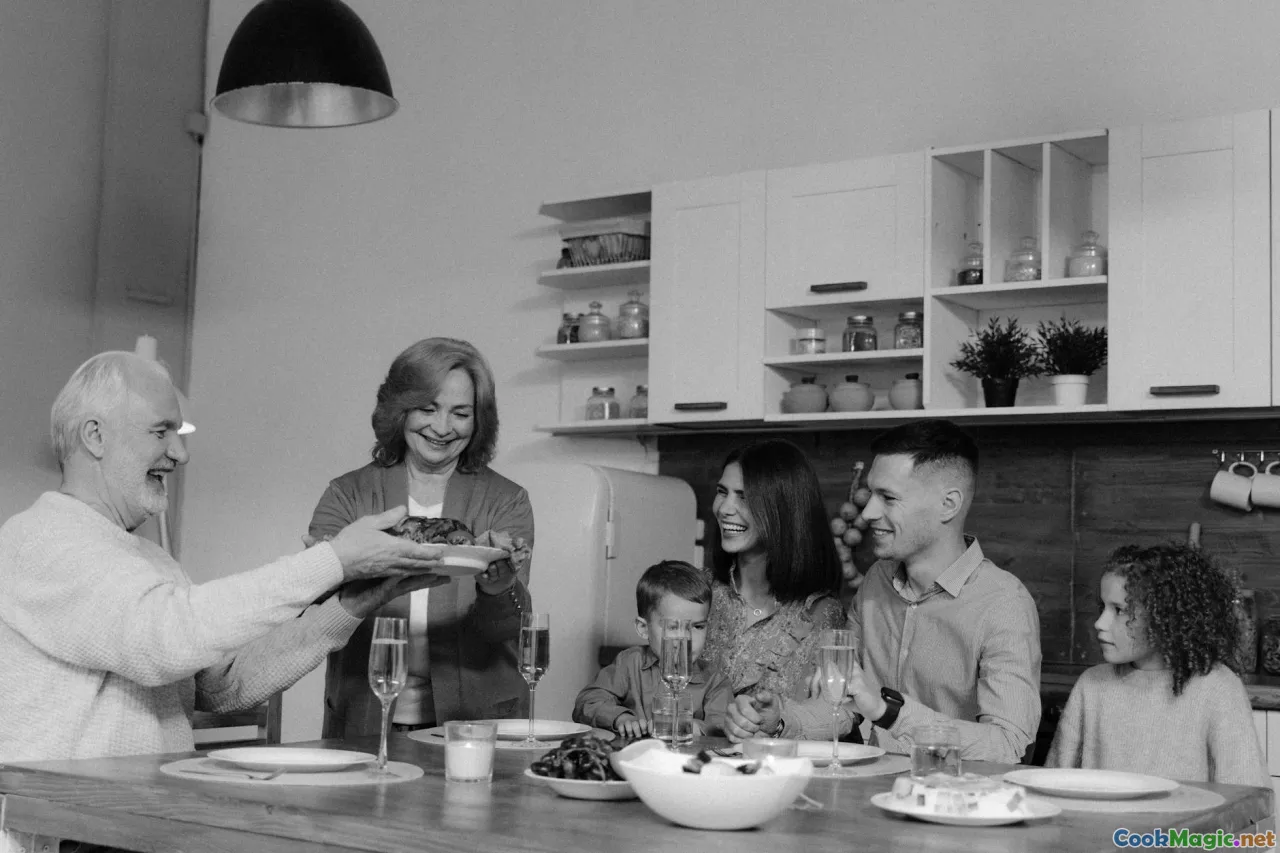
因为它把你的厨房变成了一个与这个数世纪以来一直在制作这种面包的地方的对话。因为它教育一种并非被动的耐心——专注的耐心、倾听。因为当你撕开一条薄片去蘸取 misir wot,感受 berbere 的热度时,你使用的是最古老的器具:你的手和直觉。
有一次,在离埃塞俄比亚很远的一个冬夜,我为朋友们做了因杰拉。窗外下着雪,世界被安静地隔绝。室内,平底锅發出嘶嘶声,盖子起雾,房间弥漫着温暖的气息。我们围绕一大盘享用——扁豆、绿叶、以及一小碟热辣的 awaze——聊到蜡烛渐短。最后一块因杰拉被染成赭红,尝起像所有菜肴、所有故事的味道。当有人把它撕开时,我们都笑着凑近。面包做到了它一直在做的事:把食物变成你可以珍藏的记忆。
如果你今晚开始一批,你离那样的夜晚只有三天。以提夫、小米水、碗和布开始。让面糊呼吸。学习它的呼气。第一圈面糊落下、眼孔张开时,你会感觉到——技术与传统安静地对接的瞬间。随后,蒸汽升起、面包在手心发热,你会把它端到餐桌,看看这一切到底为何而来。