Xào Wok thung lũng Gyathuk: Mì xào Himalaya
(Gyathuk Valley Wok Toss: Himalayan Stir-Fry Noodles)
(0 Đánh giá)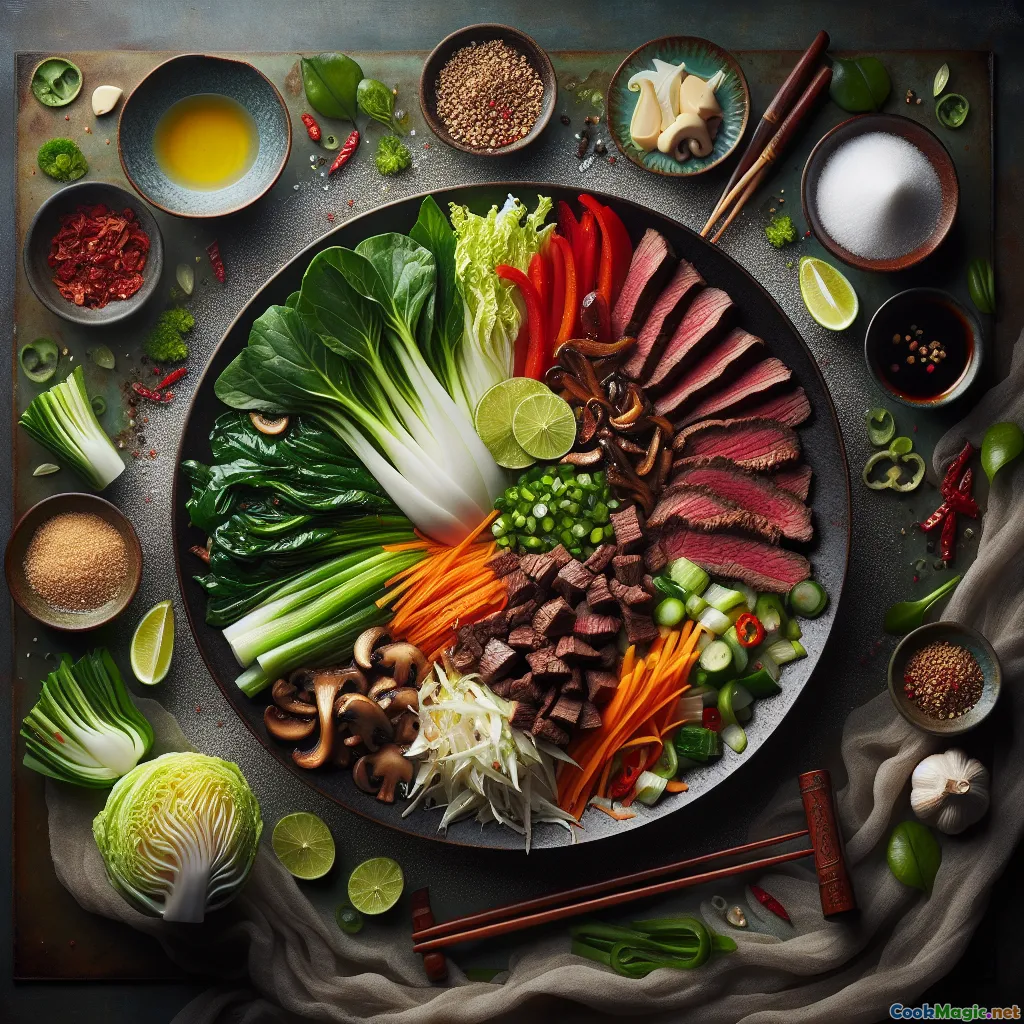
0
42
tháng 1 08, 2026
Báo cáo sự cố
Nguyên liệu
-
400 grams Mì tươi làm từ lúa mì (gyathuk hoặc lo mein)
(Gyathuk preferred; any medium-thick wheat noodles work.)
-
300 grams Thăn bò hoặc bắp bò, thái mỏng
(Sub yak, buffalo, or firm tofu for a veg variant.)
-
200 grams Cải thảo Napa hoặc cải thìa non, đã được xắt lát
(Use stems first, then leaves for crunch and color.)
-
100 grams Cà rốt thái sợi julienne
(≈1 medium carrot.)
-
120 grams ớt chuông đỏ, thái lát mỏng
(Adds sweetness and color contrast.)
-
150 grams Nấm shiitake, lát mỏng
(Cremini also works; adds umami depth.)
-
60 grams Hành lá, phần củ và phần lá tách riêng
(≈4 scallions.)
-
4 cloves Tỏi (băm nhỏ)
(Fresh garlic for potent aroma.)
-
1 tbsp Gừng tươi, bào nhỏ
(Divide: some for marinade, some for the wok.)
-
2 tbsp Dầu trung tính (dầu cải hoặc dầu hướng dương)
(High smoke point is key for wok hei.)
-
1 tbsp Dầu mè rang
(Finish for nutty aroma.)
-
3 tbsp Nước tương
(Reserve 1 tsp for beef marinade.)
-
1 tbsp Nước tương đen
(For color and molasses depth; optional.)
-
1 tbsp Giấm gạo
(Balances richness with brightness.)
-
100 ml nước dùng thịt bò hoặc rau củ
(Helps steam-finish noodles evenly.)
-
2 tsp Bột ngô
(Velvets beef and lightly glosses sauce.)
-
1 tbsp Sepen (tương ớt Tây Tạng) hoặc nước sốt ớt-tỏi
(Sepen adds authentic Himalayan heat.)
-
0.5 tsp Tiêu Timur (tiêu Tứ Xuyên Nepal), xay
(Citrusy numbing kick; use sparingly.)
-
1 tsp Đường
(Rounds acidity; omit if sepen is sweet.)
-
1 pinch Muối
(Adjust at finish after soy reduction.)
-
2 tbsp Ngò rí tươi (băm nhỏ)
(Herbal finish; parsley if preferred.)
-
4 wedges Cắt lát chanh tươi
(Serve on the side for brightness.)
(Gyathuk preferred; any medium-thick wheat noodles work.)
(Sub yak, buffalo, or firm tofu for a veg variant.)
(Use stems first, then leaves for crunch and color.)
(≈1 medium carrot.)
(Adds sweetness and color contrast.)
(Cremini also works; adds umami depth.)
(≈4 scallions.)
(Fresh garlic for potent aroma.)
(Divide: some for marinade, some for the wok.)
(High smoke point is key for wok hei.)
(Finish for nutty aroma.)
(Reserve 1 tsp for beef marinade.)
(For color and molasses depth; optional.)
(Balances richness with brightness.)
(Helps steam-finish noodles evenly.)
(Velvets beef and lightly glosses sauce.)
(Sepen adds authentic Himalayan heat.)
(Citrusy numbing kick; use sparingly.)
(Rounds acidity; omit if sepen is sweet.)
(Adjust at finish after soy reduction.)
(Herbal finish; parsley if preferred.)
(Serve on the side for brightness.)
Dinh dưỡng
- Khẩu phần: 4
- Kích thước khẩu phần: 1 bát (350g)
- Calories: 540 kcal
- Carbohydrates: 0 g
- Protein: 30 g
- Fat: 16 g
- Fiber: 7 g
- Sugar: 8 g
- Sodium: 980 mg
- Cholesterol: 55 mg
- Calcium: 120 mg
- Iron: 4.6 mg
Hướng dẫn
-
1 - Prep the noodles:
Boil noodles in salted water until just shy of al dente (1–2 minutes less than package). Drain, rinse briefly, and toss with a few drops of neutral oil to prevent sticking.
-
2 - Whisk the wok sauce:
In a bowl, mix soy sauce (minus 1 tsp for marinade), dark soy, rice vinegar, broth, sepen, sugar, and timur pepper. Stir until smooth; set aside.
-
3 - Velvet the beef:
Toss sliced beef with 1 tsp soy sauce, 1 tsp grated ginger, and cornstarch. Rest 10 minutes to tenderize and protect the meat from overcooking.
-
4 - Heat the Wok:
Preheat a wok over high heat until lightly smoking. Swirl in 1 tbsp neutral oil to coat the sides.
-
5 - Sear the Beef:
Stir-fry beef in a single layer for 60–90 seconds per side until browned but still juicy. Remove to a plate; keep warm.
-
6 - Aromatics and mushrooms:
Add remaining 1 tbsp oil. Stir-fry garlic, remaining ginger, and scallion whites for 30 seconds until fragrant. Add mushrooms and cook 1 minute until lightly browned.
-
7 - Vegetables for crunch:
Add carrot and bell pepper; toss 1 minute. Add cabbage/bok choy stems, then leaves; stir-fry 1–2 minutes until tender-crisp.
-
8 - Toss noodles with sauce:
Add noodles and pour in the wok sauce. Toss vigorously to coat, letting the broth steam-finish the noodles and reduce to a glossy sheen.
-
9 - Finish and Serve:
Return beef and any juices; add scallion greens and sesame oil. Toss, taste, and adjust salt or sepen. Garnish with cilantro and serve with lime wedges.
Boil noodles in salted water until just shy of al dente (1–2 minutes less than package). Drain, rinse briefly, and toss with a few drops of neutral oil to prevent sticking.
In a bowl, mix soy sauce (minus 1 tsp for marinade), dark soy, rice vinegar, broth, sepen, sugar, and timur pepper. Stir until smooth; set aside.
Toss sliced beef with 1 tsp soy sauce, 1 tsp grated ginger, and cornstarch. Rest 10 minutes to tenderize and protect the meat from overcooking.
Preheat a wok over high heat until lightly smoking. Swirl in 1 tbsp neutral oil to coat the sides.
Stir-fry beef in a single layer for 60–90 seconds per side until browned but still juicy. Remove to a plate; keep warm.
Add remaining 1 tbsp oil. Stir-fry garlic, remaining ginger, and scallion whites for 30 seconds until fragrant. Add mushrooms and cook 1 minute until lightly browned.
Add carrot and bell pepper; toss 1 minute. Add cabbage/bok choy stems, then leaves; stir-fry 1–2 minutes until tender-crisp.
Add noodles and pour in the wok sauce. Toss vigorously to coat, letting the broth steam-finish the noodles and reduce to a glossy sheen.
Return beef and any juices; add scallion greens and sesame oil. Toss, taste, and adjust salt or sepen. Garnish with cilantro and serve with lime wedges.
Thông tin thêm về: Xào Wok thung lũng Gyathuk: Mì xào Himalaya
Story and spirit
Gyathuk Valley Wok Toss is a mountain-soul stir-fry that bridges Himalayan comfort with the speed and smokiness of wok cookery. Gyathuk—Tibetan-style wheat noodles—are the canvas, and a punchy sauce of soy, sepen (Tibetan chili paste), and a whisper of timur pepper paints the dish in bold, citrussy heat. The wok lends that sought-after breath of the wok—wok hei—so every strand is kissed by fire, every vegetable charred at the edges but crisp at heart. It’s the kind of bowl that feels like street food eaten under a bright highland sky yet slides effortlessly into a weeknight routine.
What makes it unique
- Himalayan pantry meets wok technique: sepen and timur pepper join classic soy-vinegar balance, delivering numbing-citrus sparks alongside savory depth.
- Textural choreography: tender beef velveted with cornstarch, bouncy gyathuk noodles, and vegetables that keep their snap.
- Fast, fiery finish: high heat locks in flavor and color in minutes.
Ingredient insights
- Gyathuk noodles: Traditionally hand-pulled or rolled wheat noodles. If unavailable, use medium-thick wheat noodles such as lo mein or fresh ramen. Avoid delicate rice vermicelli for this recipe; they don’t hold up to vigorous tosses.
- Sepen: A Tibetan chili paste whose profiles range from tomato-garlic to purely chili-based. It provides radiant heat and a subtle smokiness. Chili-garlic sauce is your best substitute.
- Timur pepper: A Nepalese cousin of Sichuan peppercorns. It’s more citrus-forward—almost like grapefruit zest with a tingle. Use sparingly to accent, not overwhelm.
- Beef choices: Sirloin and flank slice well and stay tender when flash-fried. Yak or buffalo are regional alternatives; tofu or seitan are excellent for a vegetarian version.
Technique tips for success
- Heat first, oil second: Let the wok smoke lightly before swirling in oil—this prevents sticking and develops wok hei.
- Velvet the protein: A quick cornstarch coat and a kiss of soy and ginger protect the beef from the wok’s ferocity, yielding tender bites even if you overshoot the clock slightly.
- Batch cooking: Overcrowding steams rather than sears. Work in batches for the beef and give vegetables breathing room.
- Sauce reduction: Add sauce after the vegetables soften and noodles are in; you want it to glaze, not pool. A splash of broth encourages even distribution and a glossy finish.
- Order matters: Aromatics first, sturdy veg next, delicate leaves last. This preserves crunch and color.
Variations and substitutions
- Vegetarian: Swap beef for firm tofu (press 15 minutes, pat dry, toss with 1 tsp soy + 1 tsp cornstarch, sear until golden). Vegetable broth keeps the base clean and bright.
- Milder bowl: Reduce sepen by half and skip timur pepper. Add a touch more dark soy for color without extra heat.
- Gluten-free path: Use gluten-free tamari and sturdy rice or buckwheat noodles; reduce stirring to keep strands intact.
- Extra greens: Toss in snow peas or spinach at the end for a springy finish.
Make-ahead and efficiency
- Pre-slice beef and vegetables up to 24 hours ahead; store separately, covered. Keep aromatics in a small sealed container.
- Sauce can be premixed and refrigerated for 3 days—shake before using.
- Par-cook noodles earlier in the day; rinse, drain well, and toss with a teaspoon of oil. Warm them in the wok with sauce.
Serving ideas
- Garnish with cilantro and lime—brightness cuts through the rich, smoky glaze.
- Pair with a crisp cucumber-sesame salad or quick-pickled radishes to echo the dish’s acidity.
- For a cozy table, offer a light broth on the side—a nod to thukpa (Himalayan noodle soup) origins.
Cultural threads
While gyathuk and thukpa are foundational in Tibetan and Nepalese kitchens, the wok technique adds a pan-Asian sensibility shaped by trade routes and bustling highland markets. Sepen tells the story of chilies traveling the globe to the Himalayas, while timur pepper has deep roots in Nepalese spice traditions. This recipe becomes a culinary postcard from the mountain valleys—familiar, nourishing noodles cast in a new light of fire and speed.
Troubleshooting
- Soggy noodles: Your wok wasn’t hot enough or you added too much sauce at once. Preheat thoroughly and reduce sauce to just coat.
- Pale beef: Crowded pan. Sear in batches and don’t stir for the first 30–45 seconds.
- Flat flavor: Add a squeeze of lime, a pinch more sepen, or a few drops of sesame oil at the end to lift the finish.
Chef’s note
I lean on contrast: smoky edges with tender centers, bold heat countered by a cool squeeze of lime, and the soft chew of gyathuk against the crunch of cabbage stems. Cook with confidence—keep the wok roaring, move with intention, and let the valley air into your kitchen with every toss.