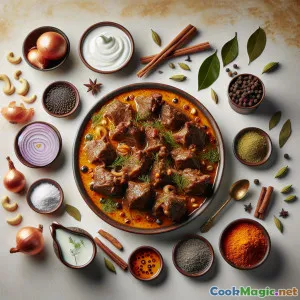
왕실 라자스탄 흰 양고기 커리 공개
(Royal Rajasthani White Mutton Curry Unveiled)
(0 리뷰)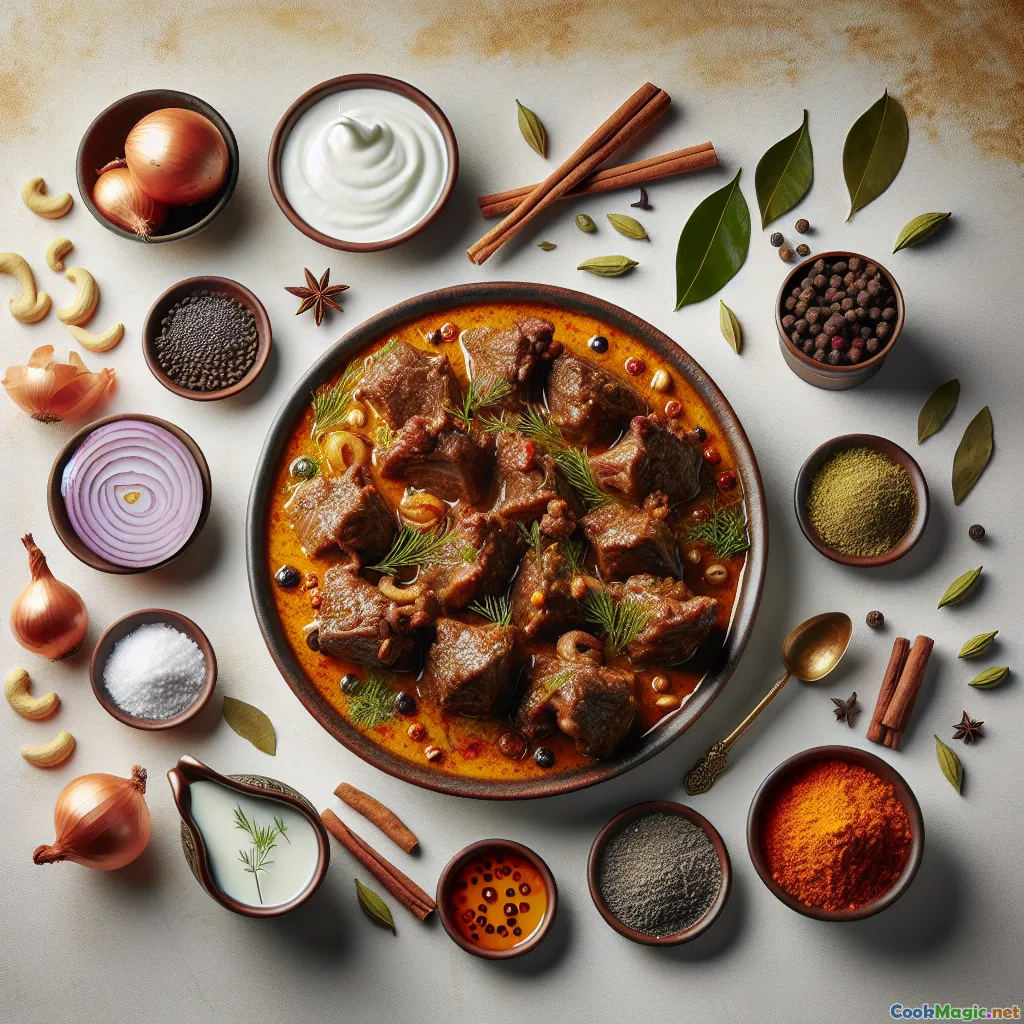
재료
-
600 grams 양고기 (뼈 포함)
(중간 크기의 조각을 요청하세요; 가능하면 유기농 재료를 사용하세요.)
-
2 medium 양파 페이스트
(흰 양파를 선호하며, 곱게 퓨레로 만든다.)
-
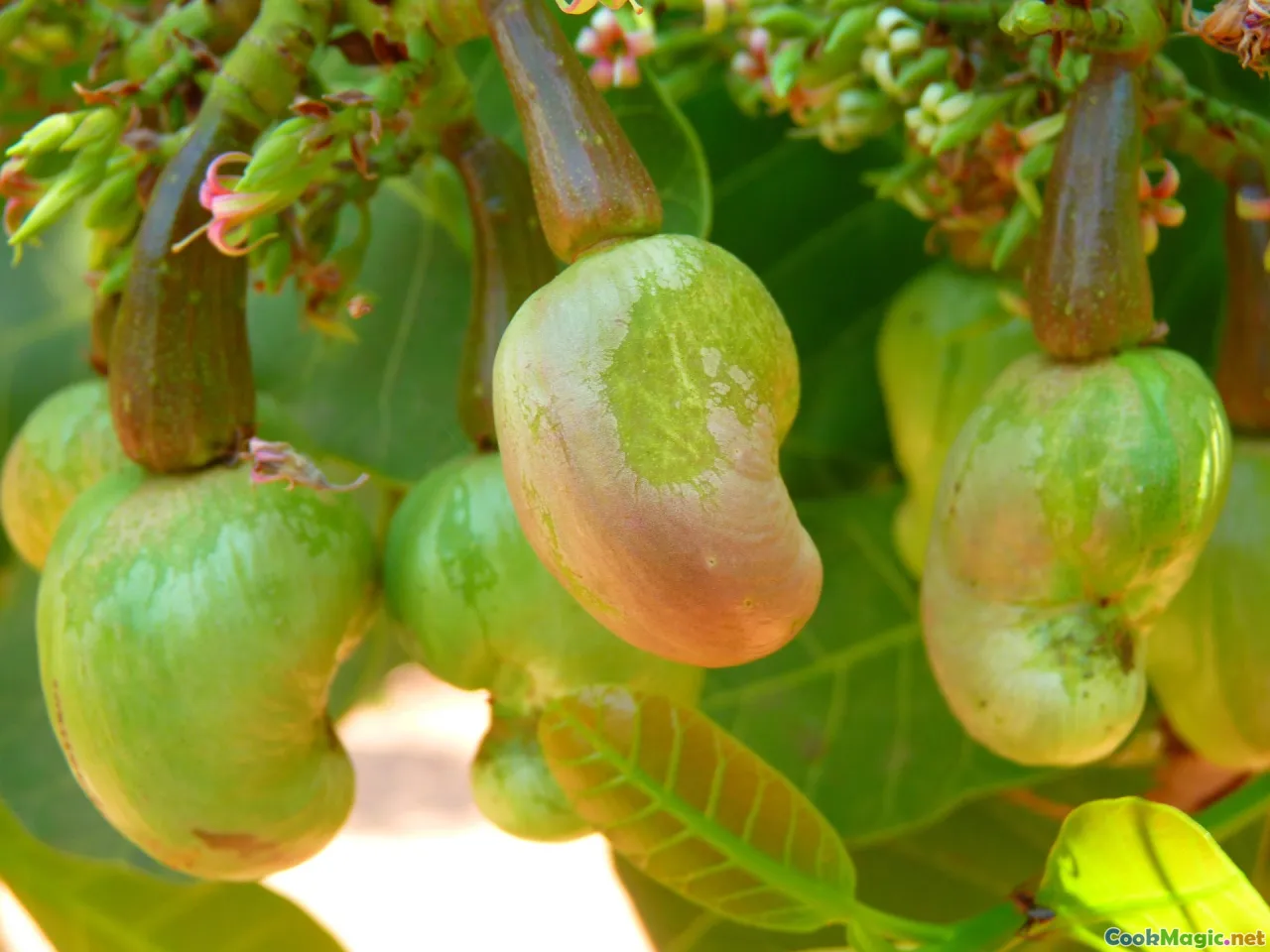
60 grams 캐슈넛
(불려서 곱게 갈아 부드러운 페이스트를 얻으세요.)
-
20 grams 양귀비 씨앗
(담그고 간 상태로, 왕실의 그레이비에 넉넉하게 사용됩니다.)
-
120 grams 신선한 요구르트
(전지방 생크림, 잘 휘핑된 상태.)
-
3 tbsp 기 (정제 버터)
(정통한 풍미; 1큰술은 기름으로 대체할 수 있습니다.)
-
4 pieces 그린 카다멈 통
-
3 pieces 정향
-
1 inch piece 계피 스틱
-
6 pieces 흑후추 알갱이
-
1 piece 월계수 잎
-
2 tbsp 생강 마늘 페이스트
(신선하고 가급적 집에서 만든 것.)
-
100 ml 우유
(크림 같은 식감을 더합니다.)
-
1 tsp 백후추 가루
(색이 변하지 않도록 가열.)
-
1 pinch 육두구
(갓 간 것, 선택사항이지만 권장됩니다.)
-
1 tsp 퀘라 워터
(향긋하고 꽃향이 나는 노트를 위해, 장미수는 대체재로 사용할 수 있습니다.)
소금, to taste
-
2 tbsp 생크림
(마무리 터치를 위해.)
-
2 sheets 은잎 (varq)
(왕실 가니시용. 구할 수 없으면 생략하십시오.)
-
1 tbsp 신선한 고수잎
(잘게 다진 것, 장식을 위해.)
(중간 크기의 조각을 요청하세요; 가능하면 유기농 재료를 사용하세요.)
(흰 양파를 선호하며, 곱게 퓨레로 만든다.)
(불려서 곱게 갈아 부드러운 페이스트를 얻으세요.)
(담그고 간 상태로, 왕실의 그레이비에 넉넉하게 사용됩니다.)
(전지방 생크림, 잘 휘핑된 상태.)
(정통한 풍미; 1큰술은 기름으로 대체할 수 있습니다.)
(신선하고 가급적 집에서 만든 것.)
(크림 같은 식감을 더합니다.)
(색이 변하지 않도록 가열.)
(갓 간 것, 선택사항이지만 권장됩니다.)
(향긋하고 꽃향이 나는 노트를 위해, 장미수는 대체재로 사용할 수 있습니다.)
(마무리 터치를 위해.)
(왕실 가니시용. 구할 수 없으면 생략하십시오.)
(잘게 다진 것, 장식을 위해.)
영양 정보
- 인분: 4
- 1인분 크기: 1 그릇 (250g)
- Calories: 550 kcal
- Carbohydrates: 21 g
- Protein: 32 g
- Fat: 37 g
- Fiber: 2.5 g
- Sugar: 6 g
- Sodium: 740 mg
- Cholesterol: 110 mg
- Calcium: 140 mg
- Iron: 3.2 mg
조리법
-
1 - 양고기 손질 및 준비:
양고기 조각을 씻어 깨끗이 물기를 털어 말려 두세요. 한쪽에 두세요. 미지근한 물에 양귀비씨와 카슈넛을 불려 걸쭉한 반죽이 되도록 하세요.
-
2 - 페이스트를 혼합:
불린 캐슈넛과 양귀비 씨를 물을 약간 넣어 매끈한 페이스트가 되도록 간다. 별도로 흰 양파를 퓌레로 만든다.
-
3 - 통째로 향신료를 볶다:
무거운 팬에 기를 달궈. 카다멈, 정향, 계피, 흑후추, 월계잎을 넣고 향이 올라올 때까지 지글지글 소리를 내며 볶아.
-
4 - 양파 요거트 혼합물:
양파 페이스트를 넣고 향이 부드럽게 줄어들고 혼합물이 반투명해질 때까지 약한 불로 천천히 요리하십시오. 생강-마늘 페이스트를 넣고 약간 황금빛이 날 때까지 볶으십시오. 요거트를 넣고 저온에서 기름이 분리될 때까지 섞으며 요리하십시오.
-
5 - 양고기를 노릇하게 구워 육즙을 봉인하세요:
팬에 양고기 조각을 넣고 센 불에서 몇 분간 모든 면이 고르게 갈색이 될 때까지 시어링합니다.
-
6 - 견과류 페이스트와 향신료를 추가하세요:
캐슈넛과 양귀비씨 페이스트를 넣고 소금, 백후추, 육두구를 약간 넣어 주세요. 모든 재료가 잘 어우러지도록 약한 불에서 5–6분간 조리합니다.
-
7 - 완벽해질 때까지 약한 불에서 끓이십시오.:
우유를 붓고 약 1.5컵의 물을 넣으세요. 뚜껑을 덮고 약한 불에서 50–60분 동안 끓여 양고기가 녹아내릴 정도로 부드럽고 육수가 걸쭉해질 때까지.
-
8 - 마무리 터치:
불을 끄세요. 생크림을 넣고 향을 내기 위해 kewra 물을 천천히 섞으세요. 소금으로 간을 보세요.
-
9 - 장식 및 서빙:
주걱으로 접시에 담고, 반짝이는 은박 시트를 펼친 뒤 다진 고수를 뿌리세요. 뜨겁게 서빙하고, 함께 Sheermal 또는 향기로운 밥과 함께 제공하십시오.
양고기 조각을 씻어 깨끗이 물기를 털어 말려 두세요. 한쪽에 두세요. 미지근한 물에 양귀비씨와 카슈넛을 불려 걸쭉한 반죽이 되도록 하세요.
불린 캐슈넛과 양귀비 씨를 물을 약간 넣어 매끈한 페이스트가 되도록 간다. 별도로 흰 양파를 퓌레로 만든다.
무거운 팬에 기를 달궈. 카다멈, 정향, 계피, 흑후추, 월계잎을 넣고 향이 올라올 때까지 지글지글 소리를 내며 볶아.
양파 페이스트를 넣고 향이 부드럽게 줄어들고 혼합물이 반투명해질 때까지 약한 불로 천천히 요리하십시오. 생강-마늘 페이스트를 넣고 약간 황금빛이 날 때까지 볶으십시오. 요거트를 넣고 저온에서 기름이 분리될 때까지 섞으며 요리하십시오.
팬에 양고기 조각을 넣고 센 불에서 몇 분간 모든 면이 고르게 갈색이 될 때까지 시어링합니다.
캐슈넛과 양귀비씨 페이스트를 넣고 소금, 백후추, 육두구를 약간 넣어 주세요. 모든 재료가 잘 어우러지도록 약한 불에서 5–6분간 조리합니다.
우유를 붓고 약 1.5컵의 물을 넣으세요. 뚜껑을 덮고 약한 불에서 50–60분 동안 끓여 양고기가 녹아내릴 정도로 부드럽고 육수가 걸쭉해질 때까지.
불을 끄세요. 생크림을 넣고 향을 내기 위해 kewra 물을 천천히 섞으세요. 소금으로 간을 보세요.
주걱으로 접시에 담고, 반짝이는 은박 시트를 펼친 뒤 다진 고수를 뿌리세요. 뜨겁게 서빙하고, 함께 Sheermal 또는 향기로운 밥과 함께 제공하십시오.
왕실 라자스탄 흰 양고기 커리 공개 :에 대한 자세한 정보
Safed Maas Sheherwali Style: A Regal Heritage on Every Plate
Introduction & History
Safed Maas Sheherwali Style is not simply a dish; it epitomizes the confluence of Rajasthani royalty and unique Sheherwali Jain cultural influences that thrived in Murshidabad—once Bengal's seat of power and multicultural splendor. Traditionally, 'Safed Maas' in Rajasthan signifies a mutton curry solely bathed in white gravies, eschewing red chilies and vibrant spice blends for slivers of subtlety and aromatics. The Sheherwali community, celebrated for their mercantile nous and discerning finesse, reflected their regal opulence in banquets interwoven with Mughal and Marwari essence.
What Sets Sheherwali Safed Maas Apart?
This rendition’s reverent homage to timeless princely kitchens lies in its orchestral balance: a medley of nuts—cashew and poppy seed paste—enrich the velvety gravy, harmonizing with mellow yogurt, floral spices, and an occasional kiss of rose. Unlike the fiery red gravies, this one seeks a gentle elegance, letting the tender mutton and creamy sauce sing. What truly distinguishes the Sheherwali style is:
- Refusal to use regular red chili, turmeric, or harsh garam masala.
- Joyous embrace of mild white pepper, aromatics, nuts, and flower essences.
- Frequent use of a touch of floral (often kewra or rose) water for fragrant finish.
- Optional application of shimmering silver leaf (‘varq’) for special feasts.
Cooking Secrets, Tips, & Personal Notes
Meat Selection: How the mutton is cut matters. Choose pieces with bone—the slow, hour-long simmer is what yields a gravy bursting with flavor and the supremely tender characteristic of no-nonsense regal curries.
Cashew-Poppy Paste: Ensure both nuts and seeds are soaked for at least half an hour to ensure smoothest grinding. A fine, velvety paste prevents grittiness in that prized white gravy.
The Aromatic Difference: Frying whole spices in ghee initiates the dish’s symphony. Control the flame and sauté aromatics gently to repel bitterness from onions and garlic.
Milk & Yogurt Marriage: To master a shamelessly lush yet subtle sauce, you must balance milk and yogurt, whisking slowly into the base to avoid curdling.
Garnishing with Class: For formal occasions, delicate sheets of edible silver leaf leave a striking impression and hint at the aristocratic table.
Accompaniments: Sheherwali Safed Maas is customarily enjoyed with sheermal (sweet saffron flatbread), soft naans, or plain fragrant basmati. When seeking contrast, jeera rice punctuates the meal’s richness.
If you crave a vegetarian tweak, simply substitute paneer chunks or boiled potatoes and use the core technique.
Cultural Significance
Though Sheherwali cuisine for the most part follows Jain vegetarian laws, at grand social functions or interactions with the Rajasthani nobility, such royal celebratory non-veg dishes were nuanced for a gentle, extravagant palate. Carefully balanced spices and an absence of overbearance honor ancient codes of hospitality, appeasing both privilege and probity. They stand as a testament to the meld of Jain thought, royal opulence, and Mughal artistry.
Final Musings & Aspects
If you seek to wow guests with an unforgettable feast in a velvet white, this dish will become a party centerpiece. It’s a paean to delicate flavors over unrestrained heat. Its silken texture—lavished with nuts and milk—soothes, yet leaves a savory trailing note, gently coaxed upward by keora’s floral finish.
For best results:
- commit to slow-cooking;
- be gentle when adding milk or yogurt;
- don’t skip the little musk of nutmeg or the sweet floral note at the end.
Whether for a winter gathering or a festive thali, Safed Maas Sheherwali Style will transport your table across time, drawing every guest into a world where flavor, refinement, and festivity reign.