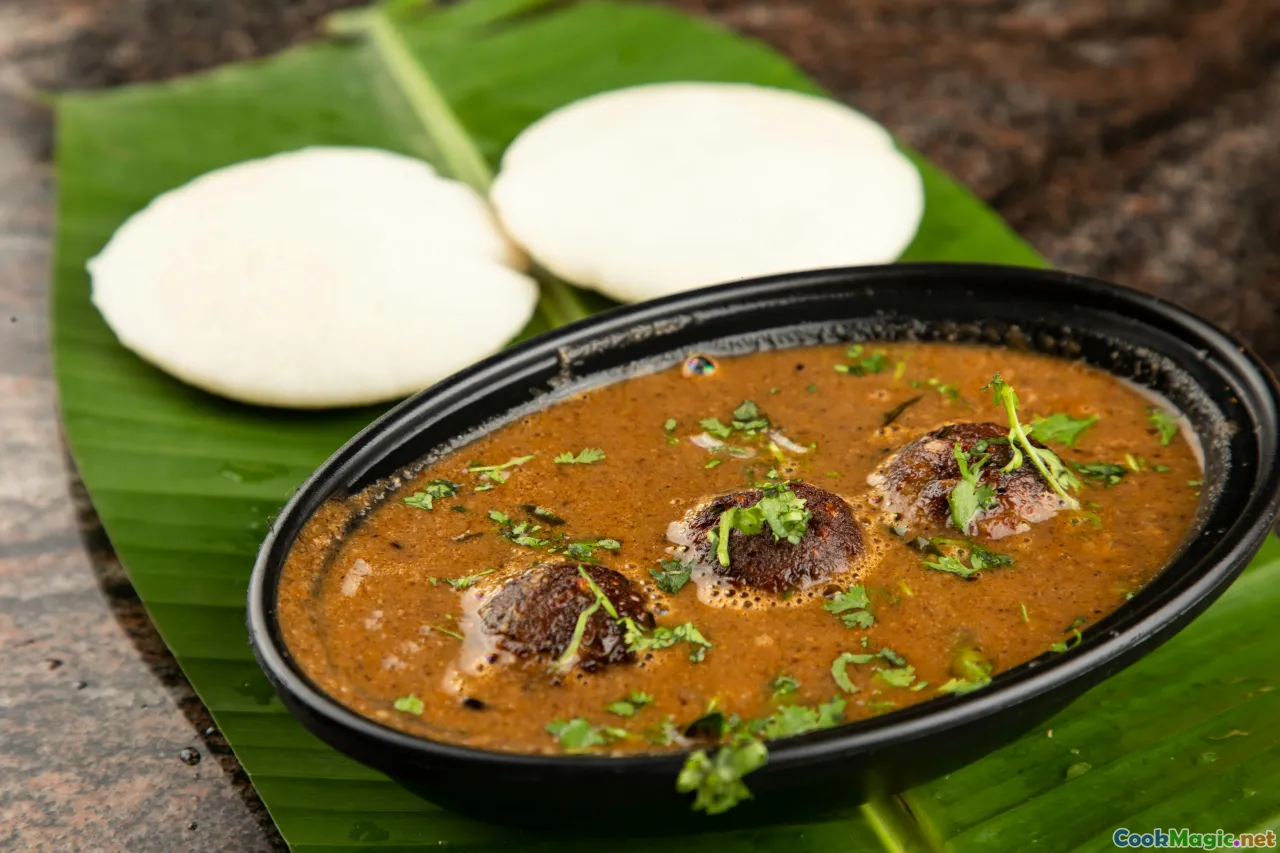
나가파티남 파차이 모차이 쿳투: 타밀 스타일 콩 커리
(Nagapattinam Pachai Mochai Kootu: Tamil Style Bean Curry)
(0 리뷰)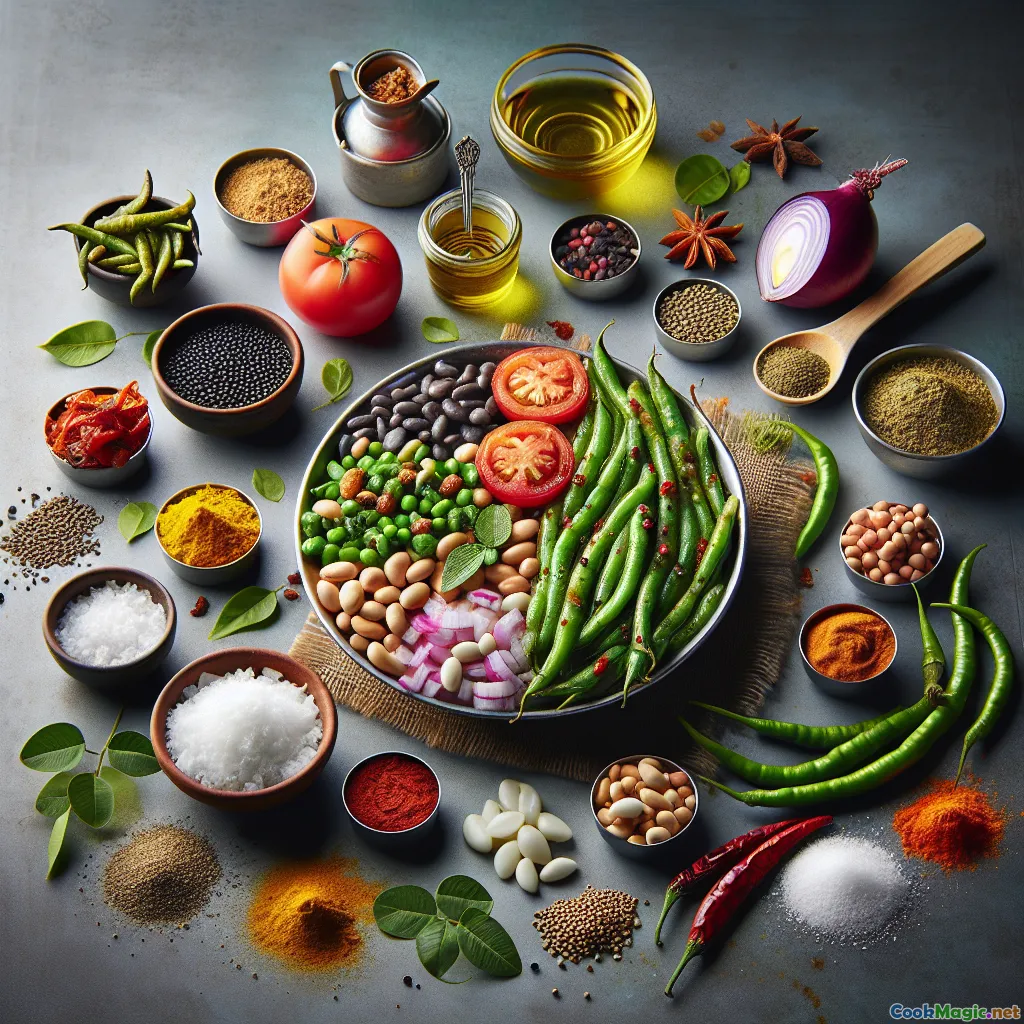
재료
-
250 grams 신선한 들판 콩 (파차이 모차이)
(신선한 또는 냉동된 콩을 사용하십시오; 건조된 콩은 밤새 불려야 합니다.)
-
50 grams 강판에 간 코코넛
(진정한 풍미를 위해 신선한 재료가 선호됩니다.)
-
2 tbsp 차나 달(분할 벵골 그램)
(두께와 식감을 제공합니다.)
-
1 tsp 쿠민 씨앗
-
2 pieces 신선한 청양고추
(매운 정도를 취향에 맞춰 조절하세요.)
-
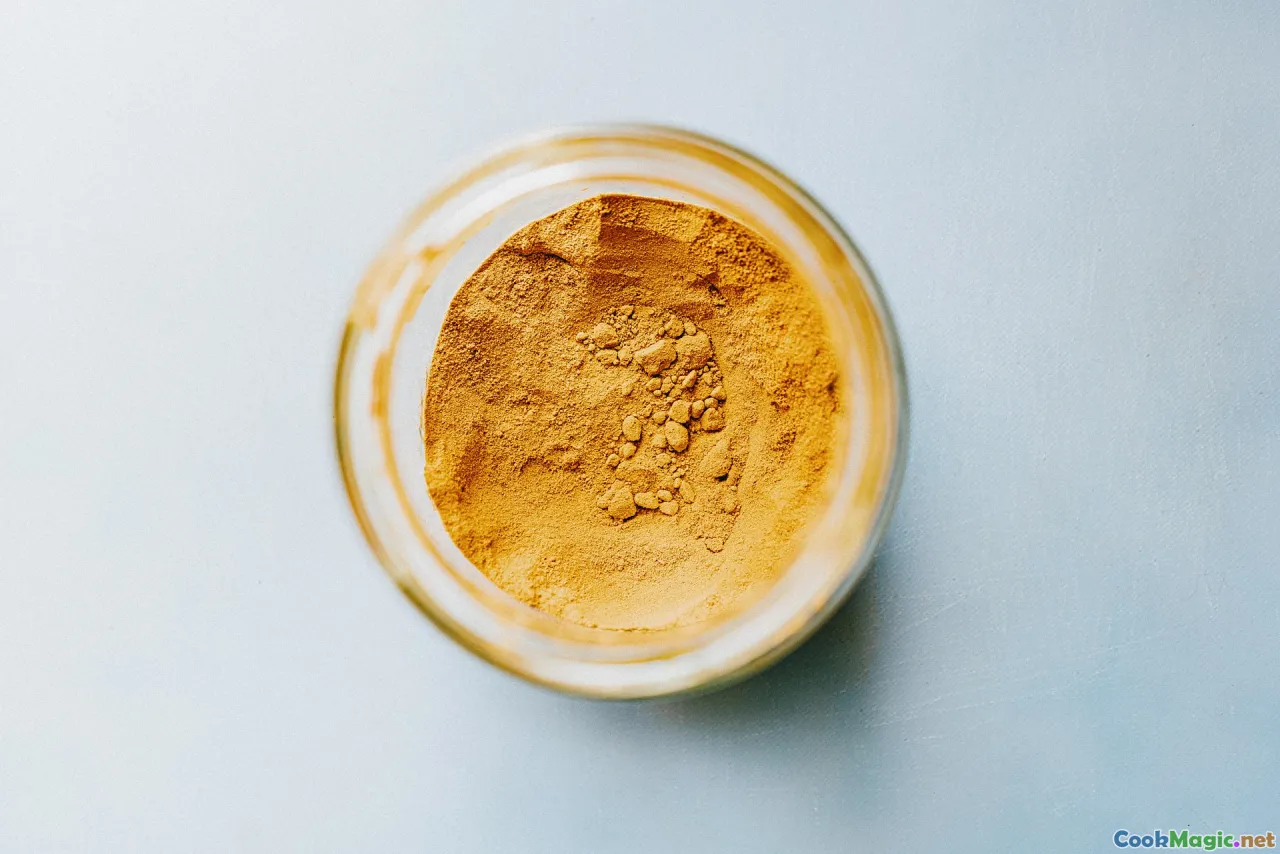
0.5 tsp 강황 가루
-
1 medium 양파
(잘게 다진.)
-
1 medium 토마토
(거칠게 다진 것)
-
1 tsp 소금
(맛에 맞게 조절하세요.)
-
500 ml 물
(콩과 쿠투 요리용.)
-
2 tbsp 기름 (가능하면 코코넛 또는 해바라기유)
-
1 tsp 겨자씨
(템퍼링용)
-
1 tsp 우라드 달(깨진 검은 강낭콩)
(템퍼링용)
-
1 piece 건조 홍고추
(부서진, 템퍼링용.)
-
1 sprig 커리 잎
(신선한, 템퍼링용.)
-
0.25 tsp 아사포에티다 (Hing)
(한 꼬집; 풍미를 더한다.)
-
2 tbsp 신선한 고수잎
(잘게 다진 것; 장식용.)
(신선한 또는 냉동된 콩을 사용하십시오; 건조된 콩은 밤새 불려야 합니다.)
(진정한 풍미를 위해 신선한 재료가 선호됩니다.)
(두께와 식감을 제공합니다.)
(매운 정도를 취향에 맞춰 조절하세요.)
(잘게 다진.)
(거칠게 다진 것)
(맛에 맞게 조절하세요.)
(콩과 쿠투 요리용.)
(템퍼링용)
(템퍼링용)
(부서진, 템퍼링용.)
(신선한, 템퍼링용.)
(한 꼬집; 풍미를 더한다.)
(잘게 다진 것; 장식용.)
영양 정보
- 인분: 4
- 1인분 크기: 1 그릇 (250g)
- Calories: 195 kcal
- Carbohydrates: 27 g
- Protein: 9 g
- Fat: 7 g
- Fiber: 8 g
- Sugar: 6 g
- Sodium: 650 mg
- Cholesterol: 0 mg
- Calcium: 65 mg
- Iron: 3 mg
조리법
-
1 - 콩 손질:
녹두를 씻으세요; 건조한 것을 사용한다면 밤새 불려 부드러워질 때까지 삶으세요. 물기를 빼고 따로 두세요.
-
2 - 코코넛 마살라 페이스트 만들기:
약간의 물을 넣고 간 코코넛, 차나 달, 초록 고추, 커민 씨를 매끄러운 페이스트가 되도록 갈아 주세요.
-
3 - 야채 볶기:
팬에 기름 1큰술을 두르고 달군다. 다진 양파를 넣고 투명해질 때까지 볶는다. 그런 다음 토마토와 강황을 넣고 부드러워질 때까지 익힌다.
-
4 - 쿳투를 약한 불에서 천천히 끓이기:
익힌 콩, 코코넛 마살라 페이스트, 소금, 그리고 약 400ml의 물을 넣습니다. 저어 섞은 뒤 뚜껑을 덮지 않고 10–12분간 은근히 끓여 걸쭉해질 때까지.
-
5 - 향채를 볶아 향을 내다:
작은 타다카 팬에 남은 기름을 데우세요. 겨자씨를 넣고 튀기듯이 튀겨지면 urad dal, 빨간 고추, 커리 잎, 그리고 아사포티다를 넣으세요. 재빨리 볶으세요.
-
6 - 마무리 터치:
끓고 있는 쿠투 위에 템퍼링을 부어 주세요. 잘 저어 2분간 더 끓이고, 사용한다면 신선한 고수 잎으로 장식해 주세요.
-
7 - 서빙:
찐밥이나 로티와 함께 뜨겁게 제공하고 피클이나 튀긴 파파드를 곁들여 주세요.
녹두를 씻으세요; 건조한 것을 사용한다면 밤새 불려 부드러워질 때까지 삶으세요. 물기를 빼고 따로 두세요.
약간의 물을 넣고 간 코코넛, 차나 달, 초록 고추, 커민 씨를 매끄러운 페이스트가 되도록 갈아 주세요.
팬에 기름 1큰술을 두르고 달군다. 다진 양파를 넣고 투명해질 때까지 볶는다. 그런 다음 토마토와 강황을 넣고 부드러워질 때까지 익힌다.
익힌 콩, 코코넛 마살라 페이스트, 소금, 그리고 약 400ml의 물을 넣습니다. 저어 섞은 뒤 뚜껑을 덮지 않고 10–12분간 은근히 끓여 걸쭉해질 때까지.
작은 타다카 팬에 남은 기름을 데우세요. 겨자씨를 넣고 튀기듯이 튀겨지면 urad dal, 빨간 고추, 커리 잎, 그리고 아사포티다를 넣으세요. 재빨리 볶으세요.
끓고 있는 쿠투 위에 템퍼링을 부어 주세요. 잘 저어 2분간 더 끓이고, 사용한다면 신선한 고수 잎으로 장식해 주세요.
찐밥이나 로티와 함께 뜨겁게 제공하고 피클이나 튀긴 파파드를 곁들여 주세요.
나가파티남 파차이 모차이 쿳투: 타밀 스타일 콩 커리 :에 대한 자세한 정보
Nagapattinam Pachai Mochai Kootu: A South Indian Bean Classic
A Taste of Tamil Nadu's Coastal Flavor
Nagapattinam is one of Tamil Nadu's most picturesque coastal districts, famous for its vibrant lagoons, bustling fishing villages, and above all, for its soul-warming cuisine. Among the reds and yellows of its diverse curries, 'kootu'—a thick, subtly spiced legume and vegetable stew—holds a place of honor at every table. The version crafted here, Nagapattinam Pachai Mochai Kootu, features 'pachai mochai', or fresh field beans, slowly simmered in a coconut-chili-grain base for an authentically coastal, plant-forward experience.
Growing Up With Kootu
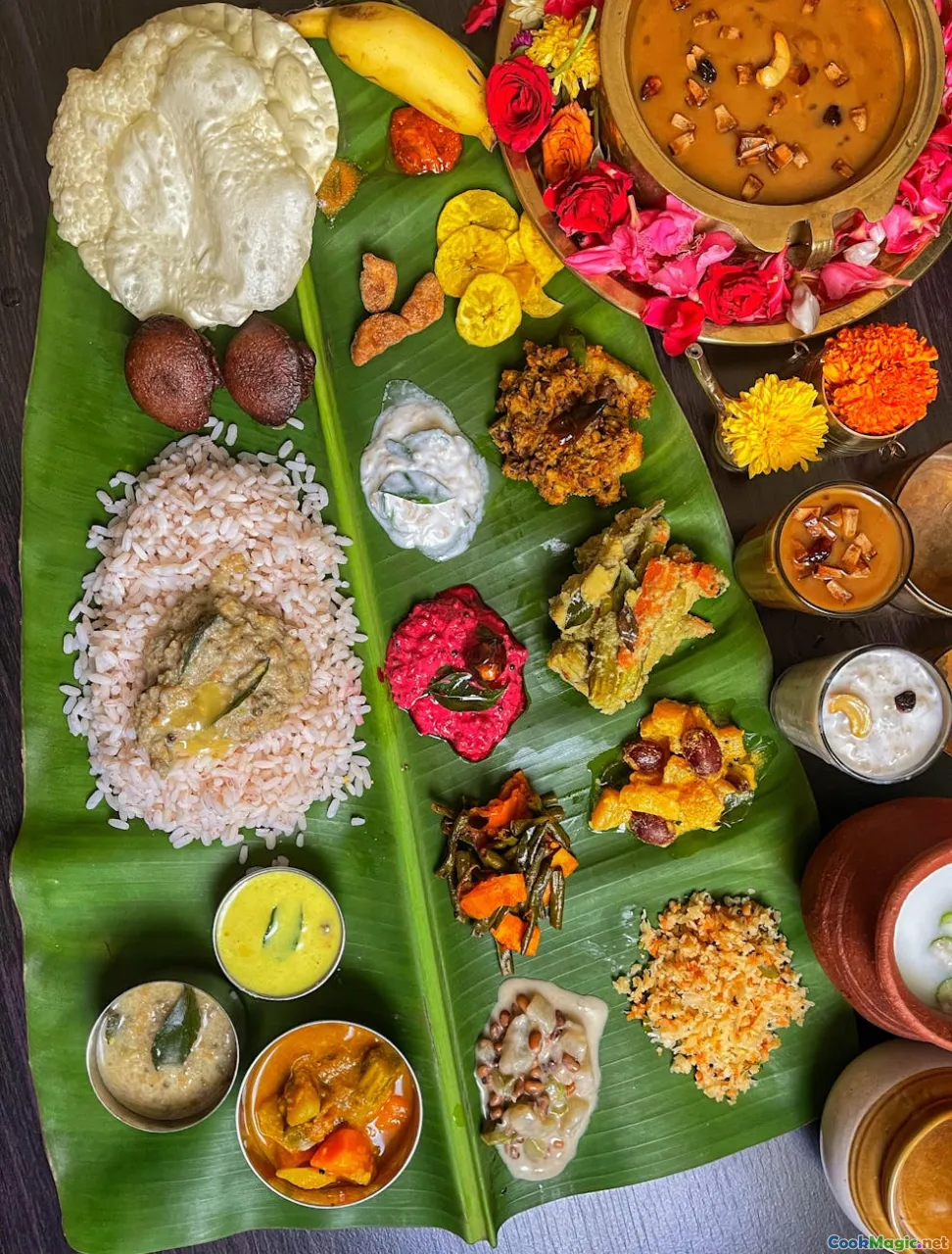
In Tamil homes, kootu is about nostalgia—a dish mothers whip up with whatever legumes and local produce is at hand. Pachai mochai, a winter season bean in the fertile Delta, is celebrated each year, featuring in feasts and weekend lunches throughout Nagapattinam. This kootu is meant for sharing, spread over rice with crunchy papad and sharp mango achaar. Each bowl marks not just nourishment but community.
Regional Touches and Unique Qualities
What sets this recipe apart from other kootus is Nagapattinam's proximity to the Bay of Bengal. Here, coconut finds its rightful place both in masala base and tempering. Field beans (mochai) bestow the dish with substance and a mild earthiness; grinding them with fresh coconut, chana dal, tropical chilies and cumin builds a sweet-spicy, deeply creamy backbone. The finishing temper of mustard seeds, urad dal, curry leaves, and a hint of asafoetida hints at the coast’s love of aromatics and brings the entire house to the table in anticipation.
Unlike many rich lentil curries from northern India, kootu is refreshingly light in oil but full in flavor, and easy to veganize. Vital and everyday, a good kootu lies at the heart of 'thali' lunch, perfectly completing 'sambar, poriyal, rasam, and rice'.
Tips for the Perfect Mochai Kootu
- Bean Selection: If you can access fresh green mochai, use them! When unavailable, frozen podded mochai or even dried ones (presoaked overnight) are acceptable alternatives.
- Coconut Paste: Use freshly grated coconut for that sweet creaminess; desiccated can be substituted in off-seasons but pulses of hot water in the blender are essential for richness.
- Spice Balance: Adjust green and dried red chilies to heat preference. Omit for a children’s version or dial up for festive intensity.
- Texture: Don’t excessively mash the beans—soft but whole beans create the best kootu mouthfeel.
- Serving Suggestion: Classic comfort demands hot steamed rice, crunchy appalam (papadum), or fluffy idli/dosa for dinner leftovers. Kootu also pairs well as part of a multi-course Indian thali meal.
Nutritional Insight
Field beans are highly scoring on plant-based protein and fiber, coconut delivers natural fats (free from cholesterol), and the moderate use of oil keeps overall calories friendly even as flavor excels. In Indian cuisine, such dishes form the foundation of sustainable, daily eating.
Stories and Cultural Context
In Nagapattinam, community ties are woven tight. Festival feasts almost always include kootu, as it's filling and adaptive to whatever crops are in literally every local garden during the bean season. It is just as likely to star in a child’s school lunchbox as at a countryside temple annadhanam (community meal). Grandmothers here use family-guarded spice and coconut blends, sometimes adding tiny cubes of aubergine or pumpkin to spread the bounty.
Personal Reflection
What I love about this dish is nearly everything: from its clear ingredient list to its comfort-any-season warmth on the palate. It exemplifies Tamil cooking values—simplicity, seasonality, and extract-the-maximum-from-the-minimum creativity. It’s tasty nourishment embracing mindful spices, gentle on the gut, and gloriously compatible with India’s monsoon climate. The aroma of tempering drifted across courtyards is happiness in itself.
Enjoy your bowl of Nagapattinam Pachai Mochai Kootu—an edible diary of Tamil Nadu’s rural generosity.