압생트 린스와 함께하는 유산 향신료 세저랙
(Heritage Spice Sazerac with Absinthe Rinse)
(0 리뷰)


재료
-
60 ml 호밀 위스키
(100–110 proof recommended for backbone and spice alignment)
-
5 ml 아브싼스
(For glass rinse or a few spritzes from an atomizer)
-
6 dashes 페이쇼드 비터스
(Defines the Sazerac profile)
-
1 dashes 앙고스투라 비터
(Optional depth and grip)
-
7.5 ml 헤리티지-향신 데메라라 시럽
(1:1 demerara syrup infused briefly with warm spices)
-
1 strip 레몬 껍질
(Wide, pith reduced; express oils over the drink)
-
1 cup 얼음 조각
(For chilling and stirring only; drink is served neat)
-
30 grams 데메라라 설탕
(For quick heritage-spice syrup if not using pre-made)
-
30 ml 뜨거운 물
(Just off the boil, for dissolving sugar and extracting spice aromatics)
-
4 Berries 올스파이스 베리
(Lightly crushed, for quick syrup infusion)
-
3 whole 통 후추
(For quick syrup infusion)
-
2 pods 그린 카다멈 통
(Crack to expose seeds, for quick syrup infusion)
-
0.5 pod 스타 아니스
(Small piece, not overpowering, for quick syrup infusion)
(100–110 proof recommended for backbone and spice alignment)
(For glass rinse or a few spritzes from an atomizer)
(Defines the Sazerac profile)
(Optional depth and grip)
(1:1 demerara syrup infused briefly with warm spices)
(Wide, pith reduced; express oils over the drink)
(For chilling and stirring only; drink is served neat)
(For quick heritage-spice syrup if not using pre-made)
(Just off the boil, for dissolving sugar and extracting spice aromatics)
(Lightly crushed, for quick syrup infusion)
(For quick syrup infusion)
(Crack to expose seeds, for quick syrup infusion)
(Small piece, not overpowering, for quick syrup infusion)
영양 정보
- 인분: 1
- 1인분 크기: 1 rocks glass (90 ml)
- Calories: 170 kcal
- Carbohydrates: 0 g
- Protein: 0 g
- Fat: 0 g
- Fiber: 0 g
- Sugar: 4 g
- Sodium: 2 mg
- Cholesterol: 0 mg
- Calcium: 8 mg
- Iron: 0.1 mg
조리법
-
1 - Make quick heritage-spice syrup:
Lightly crush allspice, cloves, cardamom, and a small piece of star anise. Combine demerara sugar and hot water in a heatproof cup; stir to dissolve. Add spices and steep 5 minutes, then fine strain. This yields more than needed; refrigerate up to 2 weeks.
-
2 - Chill the serving glass:
Fill a rocks glass with ice and a splash of water to pre-chill. Set aside while you build the drink.
-
3 - Prepare the absinthe rinse:
Discard ice and water from the chilled glass. Add absinthe, swirl to coat the interior, then pour off the excess or reserve for the next rinse.
-
4 - Build the Cocktail:
In a chilled mixing glass, add rye whiskey, heritage-spice demerara syrup, Peychaud's bitters, and optional Angostura. Add plenty of fresh ice.
-
5 - Stir to chill and dilute:
Stir briskly for 20 to 30 seconds until well chilled and slightly diluted. Aim for a silky texture without over-dilution.
-
6 - Strain and Finish:
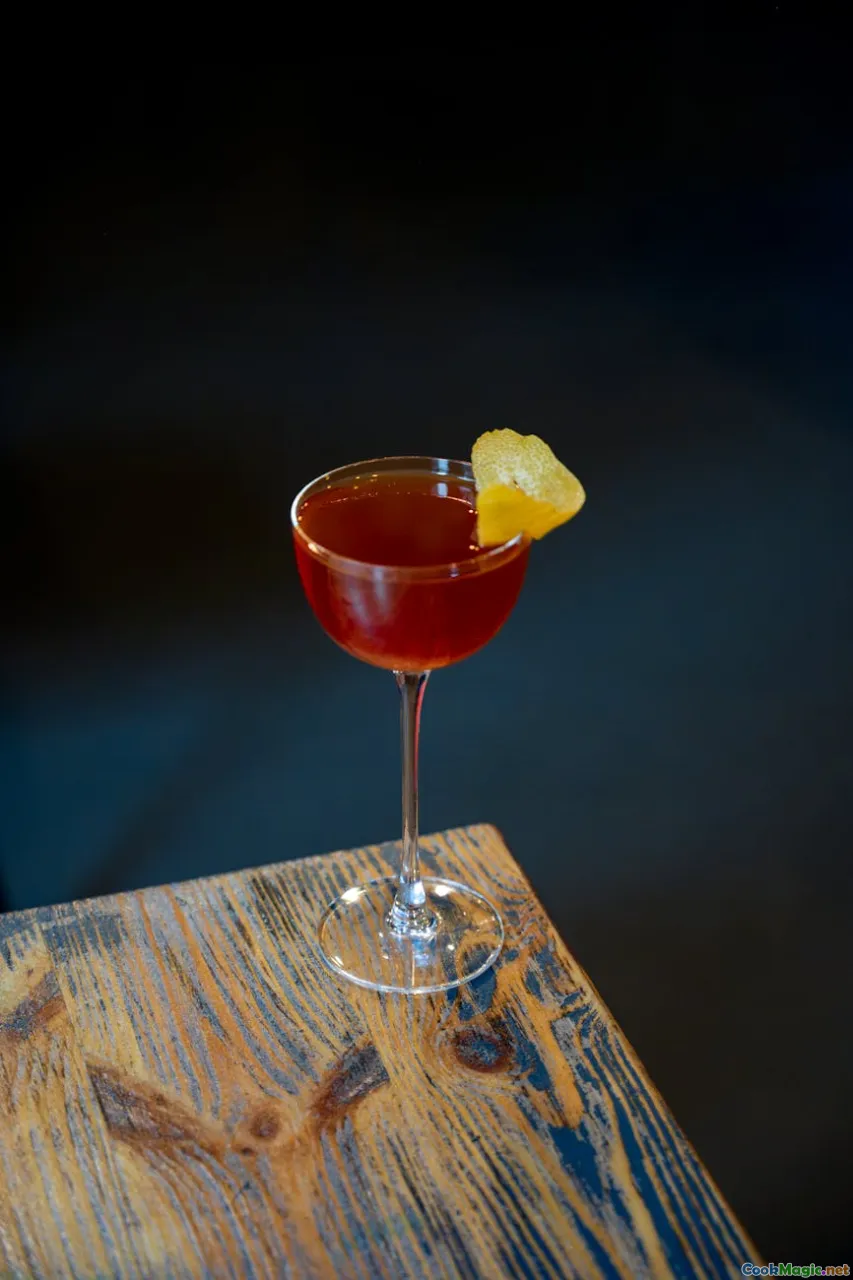
Strain the cocktail into the absinthe-rinsed rocks glass without ice. Express a wide lemon peel over the surface and rim; optionally discard the peel or rest it on the rim.
-
7 - Serve and Enjoy:
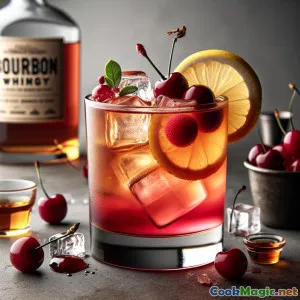
Serve neat, admire the crimson hue from Peychaud's, and sip slowly. Adjust future rounds to taste by tweaking bitters or syrup volume.
Lightly crush allspice, cloves, cardamom, and a small piece of star anise. Combine demerara sugar and hot water in a heatproof cup; stir to dissolve. Add spices and steep 5 minutes, then fine strain. This yields more than needed; refrigerate up to 2 weeks.
Fill a rocks glass with ice and a splash of water to pre-chill. Set aside while you build the drink.
Discard ice and water from the chilled glass. Add absinthe, swirl to coat the interior, then pour off the excess or reserve for the next rinse.
In a chilled mixing glass, add rye whiskey, heritage-spice demerara syrup, Peychaud's bitters, and optional Angostura. Add plenty of fresh ice.
Stir briskly for 20 to 30 seconds until well chilled and slightly diluted. Aim for a silky texture without over-dilution.
Strain the cocktail into the absinthe-rinsed rocks glass without ice. Express a wide lemon peel over the surface and rim; optionally discard the peel or rest it on the rim.
Serve neat, admire the crimson hue from Peychaud's, and sip slowly. Adjust future rounds to taste by tweaking bitters or syrup volume.
압생트 린스와 함께하는 유산 향신료 세저랙 :에 대한 자세한 정보
Overview
The Heritage Spice Sazerac is a respectful, aromatic twist on one of America’s earliest and most storied cocktails. It preserves the essential Sazerac architecture — rye whiskey, Peychaud’s bitters, an absinthe rinse, and expressive lemon oils — while weaving in a short-steep heritage-spice demerara syrup. The result is familiar yet novel: deep rye grain and pepper, lifted by anise and citrus, and framed by warm spice notes that nod to global trade routes and New Orleans’ diverse culinary history.
What makes it unique
- Heritage-spice demerara syrup: Instead of a plain sugar cube, this version uses a fast infusion of allspice, clove, cardamom, and a whisper of star anise. These spices complement the rye’s baking-spice character and echo the anise tones of Peychaud’s and absinthe.
- Texture first: A micro-portion of syrup preserves the Sazerac’s signature dryness while adding silk and a subtle aromatic halo. You should taste spice in the nose and finish more than overt sweetness on the palate.
- Respectful balance: The bitters remain the star, and the absinthe rinse is kept classic. The spice simply frames the experience, never overshadowing the cocktail’s bones.
Flavor profile
Expect a bright first impression of lemon oils, then rye’s cinnamon and black pepper. The mid-palate opens with cherry-anise from Peychaud’s, while the demerara lends burnt sugar depth. The finish is clean and dry with lingering clove and allspice, a gentle anise echo from the absinthe, and a satisfying rye warmth.
Tips and techniques
- Ice discipline: Use dense, fresh ice for stirring. Overly wet or hollow cubes lead to thin texture and washed-out flavors.
- Controlled dilution: Aim for 20 to 25 seconds of crisp stirring. Taste from the mixing glass if you are unsure; the cocktail should be cold and satiny, not watery.
- Absinthe restraint: A proper rinse perfumes the glass without dominating the palate. Swirl, coat, and discard excess.
- Lemon expression: Express oils over the surface from about two inches away, then run the peel around the rim. Either discard for tradition or set it as a modern garnish.
- Syrup management: The syrup should be aromatic, not heavy. If you steep too long, bitterness may creep in; 5 minutes is ample for a quick infusion.
Ingredient notes
- Rye whiskey: A bonded or high-proof rye (100–110 proof) gives structure and poise. The cocktail benefits from rye with a spicy mash bill.
- Bitters: Peychaud’s is nonnegotiable for true Sazerac character. A single dash of Angostura is optional for bass notes and tannic grip.
- Demerara sugar: Its mineral, toffee-like quality adds depth. If you prefer the old-school sugar cube, muddle with a few drops of water and bitters, but the spice syrup offers a consistent texture.
- Spices: Allspice brings round warmth; clove contributes brightness; cardamom adds a cool floral lift; star anise ties to the absinthe. Use a light hand so the rye stays in focus.
Variations
- Cognac-leaning: Swap half the rye for a robust VSOP Cognac to echo 19th-century Sazeracs while keeping the spice modern.
- Orange flourish: Replace the lemon peel with an orange twist for a softer, confectionary nose.
- Coffee spice: Add a tiny barspoon of cold-brew concentrate to the mixing glass for roasted depth alongside the spice.
- Sugar cube classic: Skip the syrup; muddle a demerara cube with bitters and a few drops of water, then proceed as usual.
History and cultural significance
Born in New Orleans, the Sazerac is inseparable from the city’s Creole spirit and café culture. Its evolution mirrors the American cocktail journey: from brandy to rye, from apothecary bitters to barroom mainstay, from absinthe’s prohibition to its revival. The Heritage Spice Sazerac honors those roots while acknowledging the global pantry that shaped Louisiana cuisine. The spice route’s influence is not an import but a continuation of the city’s layered heritage, where French, African, Caribbean, and Mediterranean traditions blend into something unmistakably local.
Serving and pairing
Serve the cocktail neat in an absinthe-rinsed rocks glass. It shines alongside roasted nuts, pralines, or a slice of pecan pie. For savory pairings, try smoked duck, charcuterie, or andouille with mustard; the drink’s dry spine and warm aromatics enhance umami and sweetness without becoming cloying.
Personal notes
This rendition is designed for modern palates that appreciate nuance. The spice is a frame, not the painting. Each sip should start citrus-bright, move through anise-kissed rye, and finish clean with a memory of clove and allspice. It is a conversation between past and present, confident in its lineage yet open to gentle reinterpretation. Craft it with intention, sip slowly, and let the glass tell its story.