바삭바삭하게 구운 키엠제 호수 스타일 피크 메달리온
(Crisp-Browned Pike Medallions à la Chiemsee)
(0 리뷰)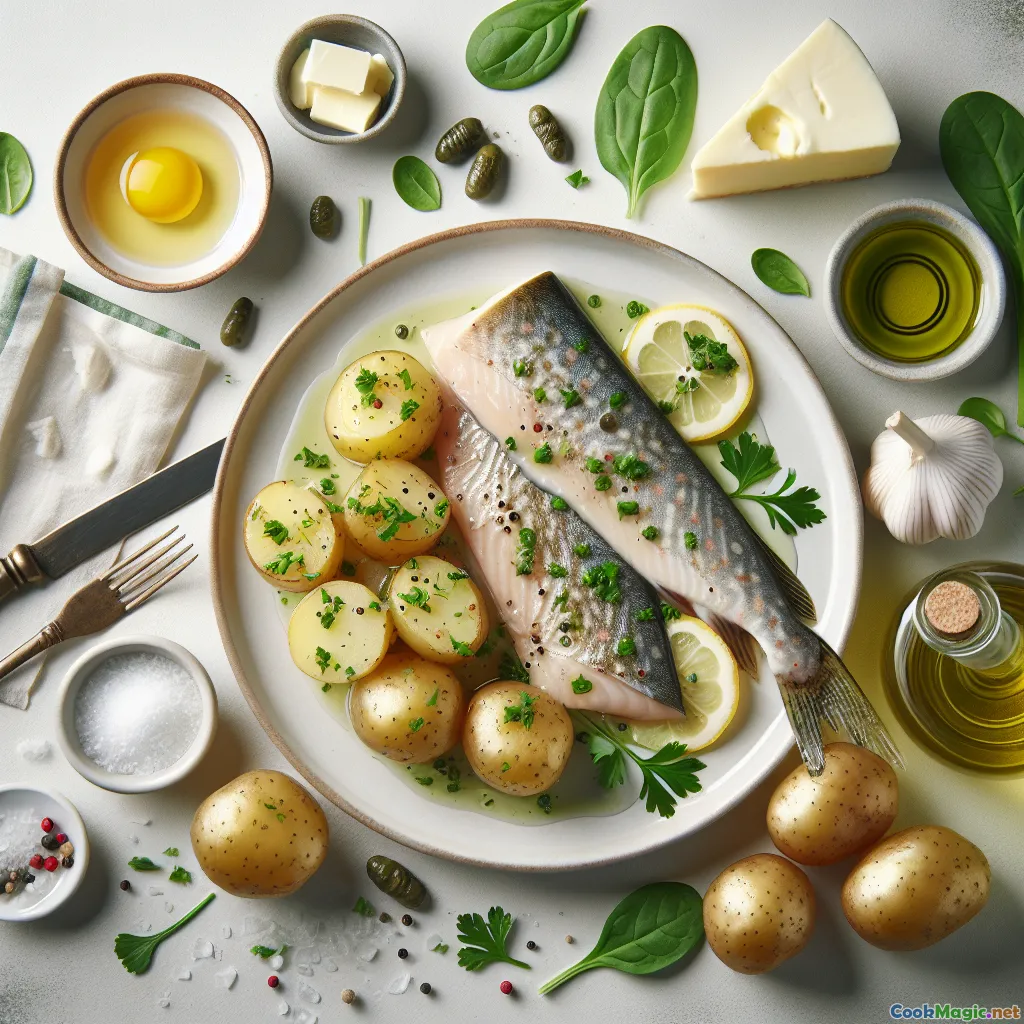

재료
-
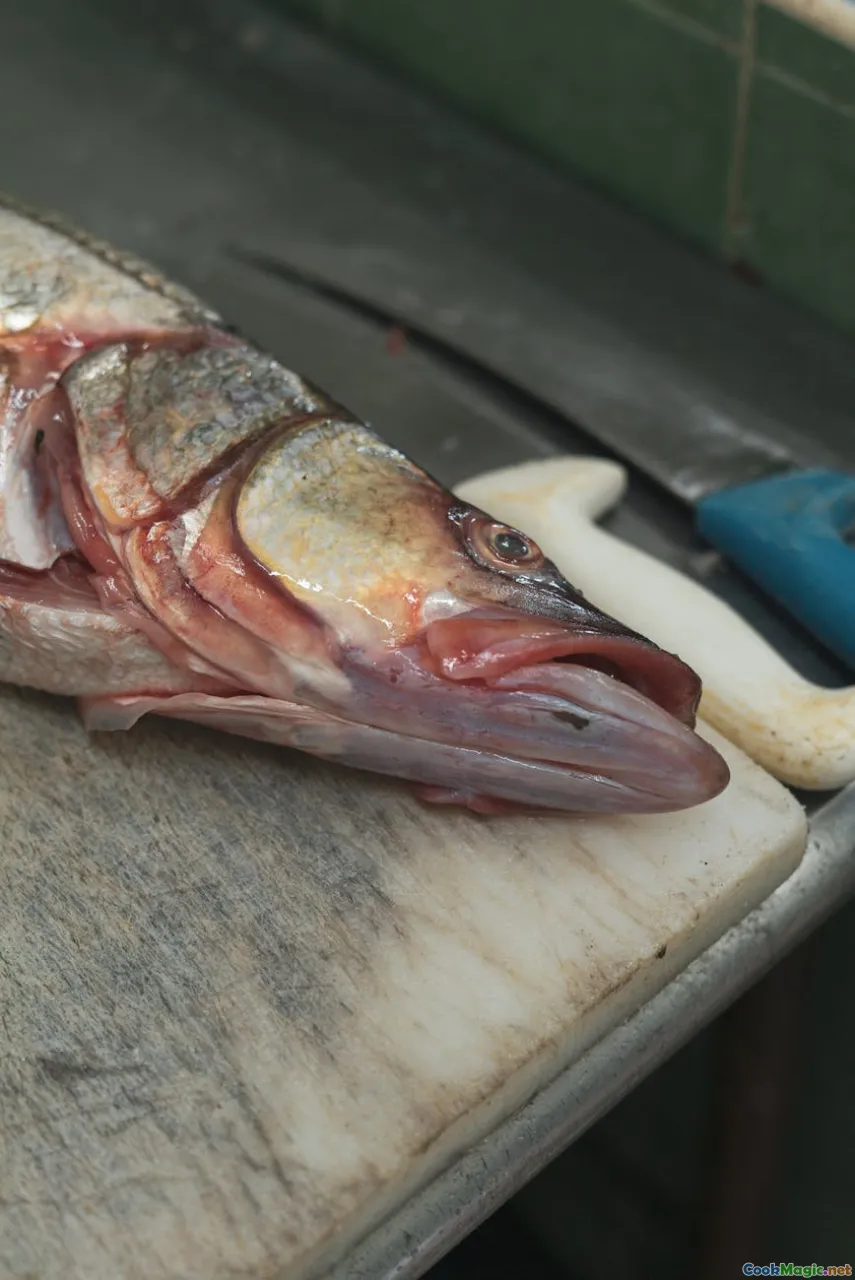
350 grams 신선한 피크 필레
(뼈 없이, 껍질 없이(또는 퍼치로 대체))
-
2 medium 작은 유콘 골드 감자
(껍질을 벗기고 강판에 간)
-
1 large 계란 흰자
(크러스트용으로 살짝 풀어낸 달걀)
-
2 tbsp 다진 평평한 잎 파슬리
(신선한)
-
1 tbsp 다진 신선한 부추
(선택 사항, 장식을 위해)
-
30 grams 무염 버터
(나눠 놓음(팬 프라이 및 소스용))
-
2 tbsp 올리브 오일
(튀기기 위해)
-
1 tsp 레몬 제스트
(곱게 간)
-
100 ml 생크림
(케이퍼 소스용)
-
1 tbsp 작은 케이퍼 (헹군 것)
(선택 사항, 장식용으로 더 많이 사용됩니다.)
-
2 tbsp 화이트 와인
(건조한 독일산 리슬링이 선호됩니다.)
-
0.5 tsp 소금
(필요에 따라 간을 맞추세요)
-
0.25 tsp 흰 후추
(갓 간)
-
40 grams 아기 시금치 잎
(세척된 (서빙용 받침대))
(뼈 없이, 껍질 없이(또는 퍼치로 대체))
(껍질을 벗기고 강판에 간)
(크러스트용으로 살짝 풀어낸 달걀)
(신선한)
(선택 사항, 장식을 위해)
(나눠 놓음(팬 프라이 및 소스용))
(튀기기 위해)
(곱게 간)
(케이퍼 소스용)
(선택 사항, 장식용으로 더 많이 사용됩니다.)
(건조한 독일산 리슬링이 선호됩니다.)
(필요에 따라 간을 맞추세요)
(갓 간)
(세척된 (서빙용 받침대))
영양 정보
- 인분: 2
- 1인분 크기: 1접시 (300g)
- Calories: 550 kcal
- Carbohydrates: 32 g
- Protein: 38 g
- Fat: 28 g
- Fiber: 3 g
- Sugar: 2 g
- Sodium: 750 mg
- Cholesterol: 100 mg
- Calcium: 105 mg
- Iron: 2.1 mg
조리법
-
1 - 피크 메달리온을 준비하세요.:
피크 필레를 종이 타월로 두드려 물기를 제거하고 말리세요. 대각선으로 8개의 두꺼운 메달리온 모양으로 썰으세요. 양면에 소금, 백후추, 그리고 신선한 레몬 제스트를 약간 뿌려 간을 맞추세요.
-
2 - 감자 허브 크러스트를 만들어라.:
강판에 간 감자, 거품낸 흰자, 파슬리, 그리고 부추의 절반을 섞으세요(사용하는 경우). 소금으로 살짝 간을 맞추세요.
-
3 - 바삭한 껍질과 차갑게 보관된 메달리온:
생선 메달리온의 각 면을 감자 반죽에 눌러 고르게 입혀 주세요. 쟁반에 올려 10분간 냉장해 두면 튀김이 더 쉬워집니다.
-
4 - 팬에 구운 피크 메달리온:
큰 팬에서 중강불로 올리브 오일과 버터의 절반을 데워 주세요. 감자 메들리온을 양면 각각 2-3분씩 굽거나 튀겨 바삭하고 황금빛이 될 때까지 굽습니다. 접시에 옮겨 담으세요.
-
5 - 크림 케이퍼 소스:
같은 팬에 와인을 넣고 디글레이즈 하여 팬 바닥의 갈색 조각들을 긁어 제거합니다. 남은 버터, 헤비 크림, 케이퍼를 넣습니다. 소스가 약간 걸쭉해질 때까지 끓인 후 소금과 흰 후추로 간을 맞춥니다.
-
6 - 서빙 및 장식:
따뜻한 베이비 시금치를 접시에 올리고, 그 위에 바삭한 메달리온을 얹은 다음, 케이퍼 소스를 뿌리고, 차이브로 장식하십시오. 즉시 제공하십시오.
피크 필레를 종이 타월로 두드려 물기를 제거하고 말리세요. 대각선으로 8개의 두꺼운 메달리온 모양으로 썰으세요. 양면에 소금, 백후추, 그리고 신선한 레몬 제스트를 약간 뿌려 간을 맞추세요.
강판에 간 감자, 거품낸 흰자, 파슬리, 그리고 부추의 절반을 섞으세요(사용하는 경우). 소금으로 살짝 간을 맞추세요.
생선 메달리온의 각 면을 감자 반죽에 눌러 고르게 입혀 주세요. 쟁반에 올려 10분간 냉장해 두면 튀김이 더 쉬워집니다.
큰 팬에서 중강불로 올리브 오일과 버터의 절반을 데워 주세요. 감자 메들리온을 양면 각각 2-3분씩 굽거나 튀겨 바삭하고 황금빛이 될 때까지 굽습니다. 접시에 옮겨 담으세요.
같은 팬에 와인을 넣고 디글레이즈 하여 팬 바닥의 갈색 조각들을 긁어 제거합니다. 남은 버터, 헤비 크림, 케이퍼를 넣습니다. 소스가 약간 걸쭉해질 때까지 끓인 후 소금과 흰 후추로 간을 맞춥니다.
따뜻한 베이비 시금치를 접시에 올리고, 그 위에 바삭한 메달리온을 얹은 다음, 케이퍼 소스를 뿌리고, 차이브로 장식하십시오. 즉시 제공하십시오.
바삭바삭하게 구운 키엠제 호수 스타일 피크 메달리온 :에 대한 자세한 정보
Chiemsee Fisherman’s Pike Medallions: An Alpine Lake Treasure
Chiemsee, Bavaria’s ‘Sea’, has charmed both nature-lovers and food enthusiasts for generations. If you journey along its misty shores in the morning, you’ll witness local fishermen set out for an ancient ritual—hauling freshwater bounty from placid, silver waters. Their nets, oft entwined with pike, gave rise to iconic dishes harmonizing regional ingredients with the alpine ecosystem.
Origin & Inspiration
‘Chiemsee Fisherman’s Pike Medallions’ affectionately borrows Bavarian virtue (resourcefulness, modest elegance) to create a modern tribute. Unlike heavy sour sauces or deep-fried batter, this recipe calls for lightly dressed pike. The textural surprise comes from a potato-herb crust—arguably a nod to the quintessentially German love of potatoes, but with lakeside levity. Pike, though less common outside Europe’s inland lakes, is prized in these parts for its lean meat and subtle, almost hidden flavors.
Cultural Significance and Variations
In earlier times when refrigeration was unknown, local cooks would preserve prized catch either by smoking (as you’ll still find in ‘Räucherfisch’ huts along the lake) or encase them in protective crusts. By wrapping pike in grated potatoes and brightening it with fresh herbs and capers, we’re both echoing that intent and spinning a contemporary twist: crispness, succulence, and clean freshness in every commemorative bite.
Chiemsee cuisine often features dairy, potatoes, and tender herbs such as parsley and chive—plants that grow abundantly along meadow fringes. Many recipes star whole fish, but boneless medallions modernize presentation for home cooks and dinner guests. If pike escapes your fishmonger, seek out perch or even zander for a similar Lake Chiemsee spirit!
Recipe Tips & Professional Secrets
- Handling Pike: Freshness is crucial; pike should have a faint, sweet scent (not fishy), and fillets with almost no blemish or dryness.
- Potato Mixture: Squeeze grated potatoes after shredding to prevent excess moisture. A drier mixture means a crunchier crust.
- Crisp-Frying: Do not overcrowd the pan; fry in batches if needed for an even golden brown.
- Sauce Enhancements: If a richer sauce is desired, toss a teaspoon of mustard or a bit of reduced fish stock into the pan along with cream.
- Presentation: Serve over a nest of baby spinach or simple blanched greens for contrast—a lovely detour from heavier mashed potatoes often seen in classic German fish plates.
Unique Aspects
While more famous German specialties hail from its wide plains or beery urban cookshops, Chiemsee’s lake cuisine floats somewhere between Alpine refinement and fisherman’s practical wisdom. The potato crust is rustic; the light sauce is fit for a fishing lodge at dusk—complex yet achievable.
Food for Thought
The real art lies in balancing the components so that the sweet, yielding fish beneath doesn’t pale beneath the herby potato—a feat achieved here by seasoning gently at every stage and balancing with subtle acidity and grassy herbs. The delicate medallions also reflect changing tastes in Central Europe: lighter, brighter, yet respectful of cherished traditions.
Further Ideas
Pair this dish with a dry Riesling, highlighting the region’s renowned vineyards, or offer alongside a simple cucumber-dill salad. This recipe welcomes adaptation: smoked trout or river bass, wild garlic leaves in the spring, and even horseradish crème for a sharper contrasting sauce.
Enjoy!
Chiemsee Fisherman’s Pike Medallions is no mere rustic fare—it’s a delicious narrative. As you savor each bite, imagine tranquil blue waters, bobbing nets, and the enduring pride that comes from cooking with reverence for your surroundings and what they offer. Guten Appetit!