ナガパッタニラム パチャイ モチャイ クートゥ:タミル風豆カレー
(Nagapattinam Pachai Mochai Kootu: Tamil Style Bean Curry)
(0 レビュー)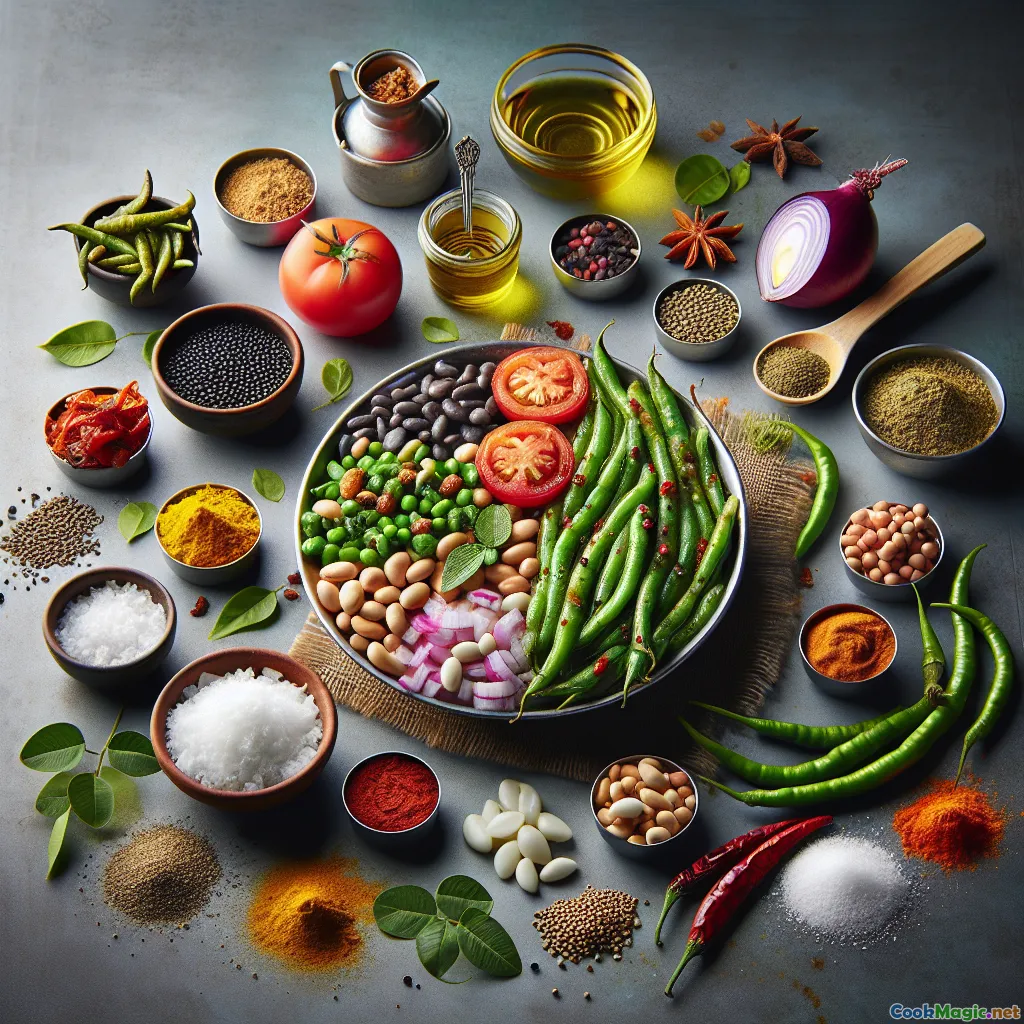
材料
-
250 grams フレッシュな畑のインゲン豆(パチャイモチャイ)
(新鮮な豆または冷凍の豆を使います。乾燥豆は一晩水につけておくべきです。)
-
50 grams おろしココナッツ
(新鮮な食材は本格的な風味には好まれます。)
-
2 tbsp チャナダル(分割されたベンガル豆)
(厚さと食感を提供します。)
-
1 tsp クミンシード
-
2 pieces フレッシュな青唐辛子
(辛さの好みに合わせて調整してください。)
-
0.5 tsp ターメリックパウダー
-
1 medium 玉ねぎ
(細かく刻んだ.)
-
1 medium トマト
(ざっくり刻む)
-
1 tsp 塩
(味に合わせて調整してください。)
-
500 ml 水
(豆とクートゥの調理用。)
-
2 tbsp 油(できればココナッツまたはヒマワリ油)
-
1 tsp マスタードシード
(テンパリング用)
-
1 tsp ウラッドダール(黒ひき割り豆)
(テンパリング用)
-
1 piece 乾燥赤唐辛子
(割れた、テンパリング用。)
-
1 sprig カレーの葉
(新鮮、テンパリング用。)
-
0.25 tsp アサフェティダ(ヒング)
(ひとつまみ; 風味を引き立てる。)
-
2 tbsp 新鮮コリアンダーの葉
(みじん切り;飾り用。)
(新鮮な豆または冷凍の豆を使います。乾燥豆は一晩水につけておくべきです。)
(新鮮な食材は本格的な風味には好まれます。)
(厚さと食感を提供します。)
(辛さの好みに合わせて調整してください。)
(細かく刻んだ.)
(ざっくり刻む)
(味に合わせて調整してください。)
(豆とクートゥの調理用。)
(テンパリング用)
(テンパリング用)
(割れた、テンパリング用。)
(新鮮、テンパリング用。)
(ひとつまみ; 風味を引き立てる。)
(みじん切り;飾り用。)
栄養
- 分量: 4
- 1人分の量: 1 ボウル (250g)
- Calories: 195 kcal
- Carbohydrates: 27 g
- Protein: 9 g
- Fat: 7 g
- Fiber: 8 g
- Sugar: 6 g
- Sodium: 650 mg
- Cholesterol: 0 mg
- Calcium: 65 mg
- Iron: 3 mg
作り方
-
1 - 豆の下ごしらえ:
パチャイ・モチャイを洗い流します。乾燥したものを使う場合は、一晩水に浸し、ちょうど柔らかくなるまで煮ます。水気を切って別に取っておきます。
-
2 - ココナッツマサラペーストの作り方:
水を少量加え、すりおろしたココナッツ、チャナダル、青唐辛子、クミンシードを滑らかなペーストになるまで挽く。
-
3 - 野菜のソテー:
フライパンに油を大さじ1杯熱します。みじん切りにした玉ねぎを加え、透明になるまで炒めます。次にトマトとターメリックを加え、柔らかくなるまで煮ます。
-
4 - クートゥを弱火で煮る:
煮えた豆とココナツマサラペースト、塩、約400mlの水を加えます。混ぜて蓋をせずに10〜12分煮て、とろみが出るまで煮詰めます。
-
5 - 香味野菜を炒める:
小さなタダカパンで残りの油を熱します。マスタードシードを加え、はね始めたらウラドダル、赤唐辛子、カレーリーフ、アサフェティダを加えます。手早く炒めてください。
-
6 - 仕上げ:
煮えているクートゥーの上にテンパリングを注いでください。よく混ぜ、2分煮て、使用する場合は新鮮なコリアンダーの葉を飾ってください。
-
7 - サーブする:
蒸しご飯またはロティとともに、熱々のうちにお出しください。ピクルスまたは揚げパパドを添えて。
パチャイ・モチャイを洗い流します。乾燥したものを使う場合は、一晩水に浸し、ちょうど柔らかくなるまで煮ます。水気を切って別に取っておきます。
水を少量加え、すりおろしたココナッツ、チャナダル、青唐辛子、クミンシードを滑らかなペーストになるまで挽く。
フライパンに油を大さじ1杯熱します。みじん切りにした玉ねぎを加え、透明になるまで炒めます。次にトマトとターメリックを加え、柔らかくなるまで煮ます。
煮えた豆とココナツマサラペースト、塩、約400mlの水を加えます。混ぜて蓋をせずに10〜12分煮て、とろみが出るまで煮詰めます。
小さなタダカパンで残りの油を熱します。マスタードシードを加え、はね始めたらウラドダル、赤唐辛子、カレーリーフ、アサフェティダを加えます。手早く炒めてください。
煮えているクートゥーの上にテンパリングを注いでください。よく混ぜ、2分煮て、使用する場合は新鮮なコリアンダーの葉を飾ってください。
蒸しご飯またはロティとともに、熱々のうちにお出しください。ピクルスまたは揚げパパドを添えて。
ナガパッタニラム パチャイ モチャイ クートゥ:タミル風豆カレー :の詳細
Nagapattinam Pachai Mochai Kootu: A South Indian Bean Classic
A Taste of Tamil Nadu's Coastal Flavor
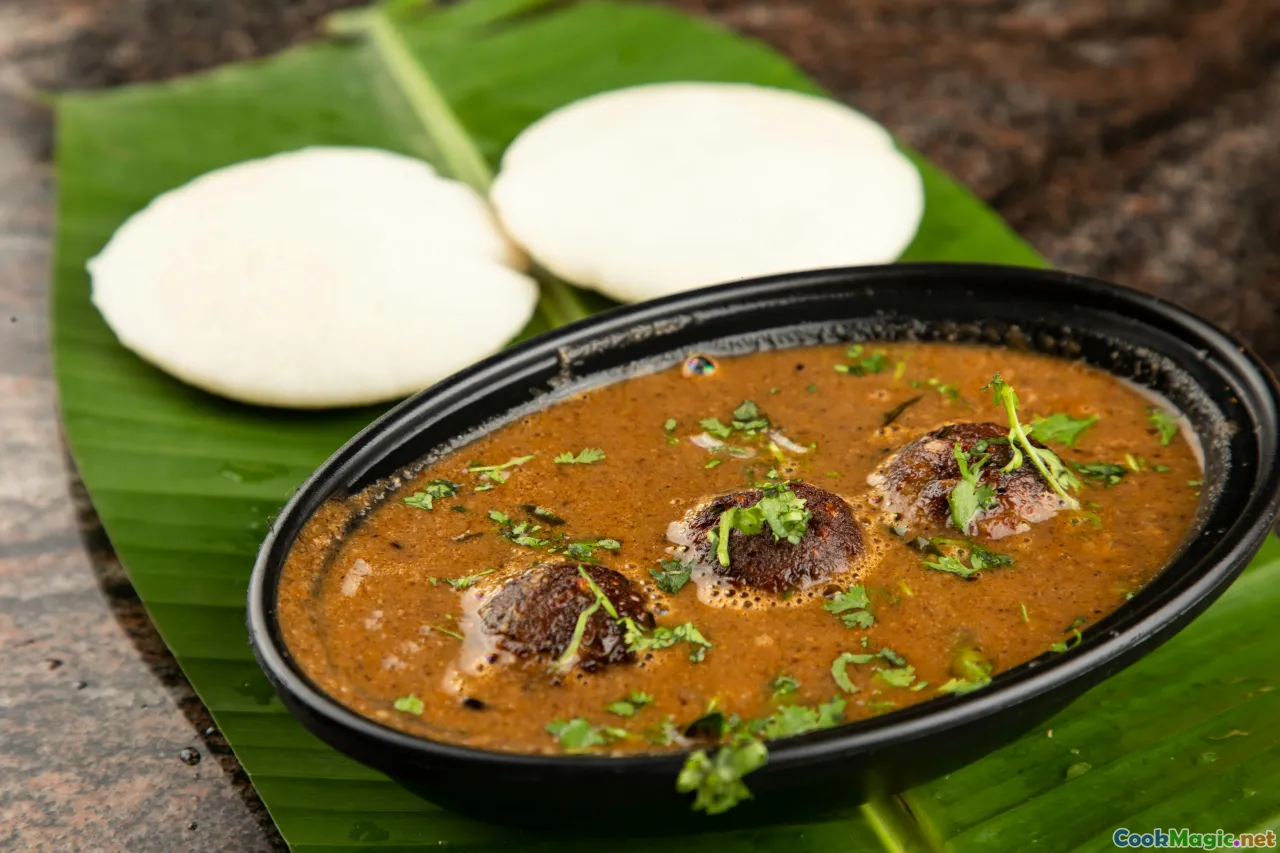
Nagapattinam is one of Tamil Nadu's most picturesque coastal districts, famous for its vibrant lagoons, bustling fishing villages, and above all, for its soul-warming cuisine. Among the reds and yellows of its diverse curries, 'kootu'—a thick, subtly spiced legume and vegetable stew—holds a place of honor at every table. The version crafted here, Nagapattinam Pachai Mochai Kootu, features 'pachai mochai', or fresh field beans, slowly simmered in a coconut-chili-grain base for an authentically coastal, plant-forward experience.
Growing Up With Kootu
In Tamil homes, kootu is about nostalgia—a dish mothers whip up with whatever legumes and local produce is at hand. Pachai mochai, a winter season bean in the fertile Delta, is celebrated each year, featuring in feasts and weekend lunches throughout Nagapattinam. This kootu is meant for sharing, spread over rice with crunchy papad and sharp mango achaar. Each bowl marks not just nourishment but community.
Regional Touches and Unique Qualities
What sets this recipe apart from other kootus is Nagapattinam's proximity to the Bay of Bengal. Here, coconut finds its rightful place both in masala base and tempering. Field beans (mochai) bestow the dish with substance and a mild earthiness; grinding them with fresh coconut, chana dal, tropical chilies and cumin builds a sweet-spicy, deeply creamy backbone. The finishing temper of mustard seeds, urad dal, curry leaves, and a hint of asafoetida hints at the coast’s love of aromatics and brings the entire house to the table in anticipation.
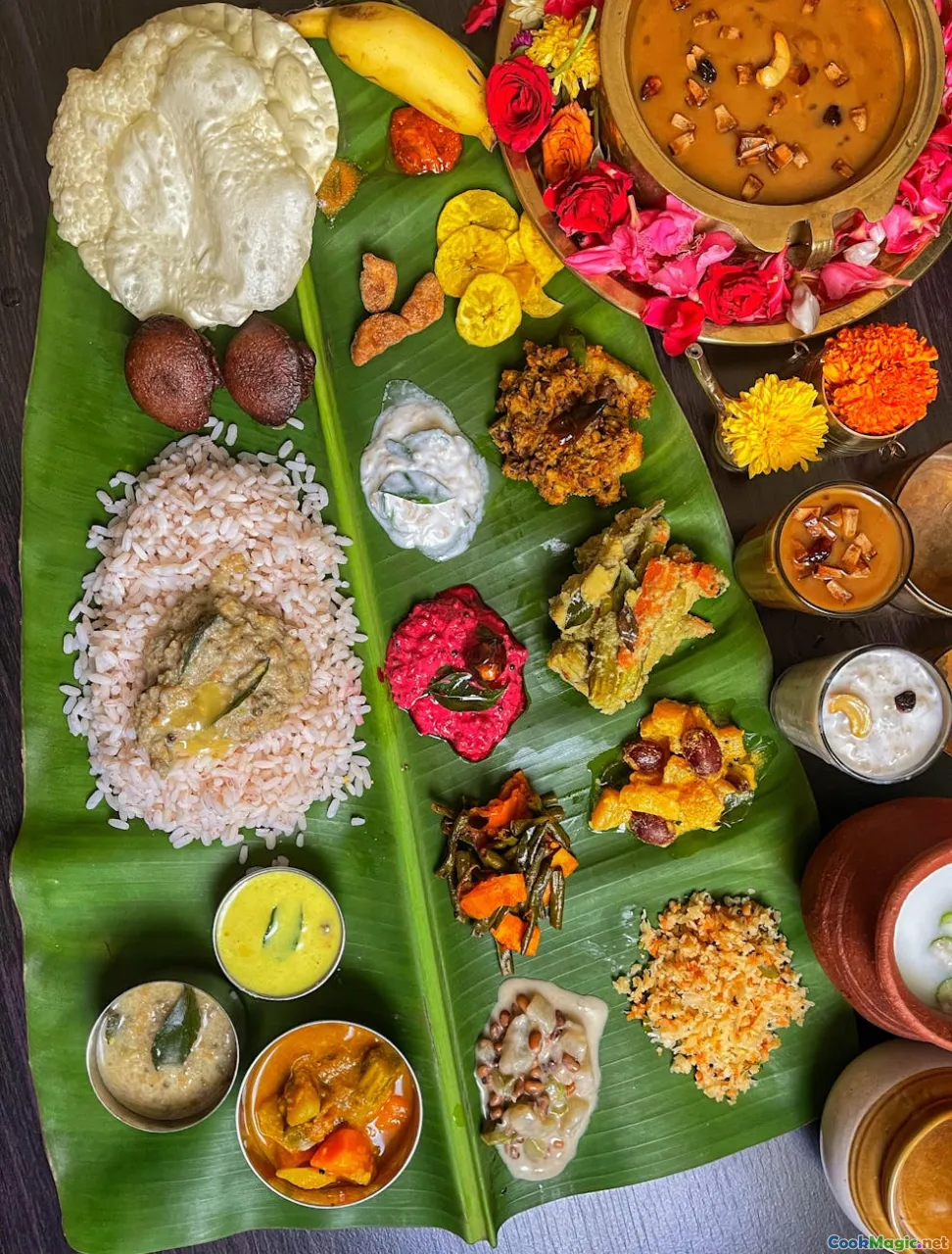
Unlike many rich lentil curries from northern India, kootu is refreshingly light in oil but full in flavor, and easy to veganize. Vital and everyday, a good kootu lies at the heart of 'thali' lunch, perfectly completing 'sambar, poriyal, rasam, and rice'.
Tips for the Perfect Mochai Kootu
- Bean Selection: If you can access fresh green mochai, use them! When unavailable, frozen podded mochai or even dried ones (presoaked overnight) are acceptable alternatives.
- Coconut Paste: Use freshly grated coconut for that sweet creaminess; desiccated can be substituted in off-seasons but pulses of hot water in the blender are essential for richness.
- Spice Balance: Adjust green and dried red chilies to heat preference. Omit for a children’s version or dial up for festive intensity.
- Texture: Don’t excessively mash the beans—soft but whole beans create the best kootu mouthfeel.
- Serving Suggestion: Classic comfort demands hot steamed rice, crunchy appalam (papadum), or fluffy idli/dosa for dinner leftovers. Kootu also pairs well as part of a multi-course Indian thali meal.
Nutritional Insight
Field beans are highly scoring on plant-based protein and fiber, coconut delivers natural fats (free from cholesterol), and the moderate use of oil keeps overall calories friendly even as flavor excels. In Indian cuisine, such dishes form the foundation of sustainable, daily eating.
Stories and Cultural Context
In Nagapattinam, community ties are woven tight. Festival feasts almost always include kootu, as it's filling and adaptive to whatever crops are in literally every local garden during the bean season. It is just as likely to star in a child’s school lunchbox as at a countryside temple annadhanam (community meal). Grandmothers here use family-guarded spice and coconut blends, sometimes adding tiny cubes of aubergine or pumpkin to spread the bounty.
Personal Reflection
What I love about this dish is nearly everything: from its clear ingredient list to its comfort-any-season warmth on the palate. It exemplifies Tamil cooking values—simplicity, seasonality, and extract-the-maximum-from-the-minimum creativity. It’s tasty nourishment embracing mindful spices, gentle on the gut, and gloriously compatible with India’s monsoon climate. The aroma of tempering drifted across courtyards is happiness in itself.
Enjoy your bowl of Nagapattinam Pachai Mochai Kootu—an edible diary of Tamil Nadu’s rural generosity.