Salpicón sapi dengan herba ladang, cerah dan segar
(Field-Herb Beef Salpicón, Bright and Zesty)
(0 Ulasan)


0
160
November 30, 2025
Laporkan Masalah
Bahan
-
900 grams Daging sapi (chunk roast)
(Well-marbled for shredding; brisket works too)
-
2 liters Air
(For simmering the beef)
-
1 medium Bawang bombay putih
(Half for broth, half thinly sliced for salad)
-
4 pieces Siung bawang putih
(Lightly crushed for the broth)
-
2 pieces Daun salam
(Kering atau segar)
-
8 pieces Biji lada hitam
(Whole, for aromatic broth)
-
2 tsp Garam kosher
(Divided for broth and dressing)
-
4 tbsp Jus jeruk nipis
(Diperas segar untuk rasa terbaik)
-
3 tbsp Cuka sari apel
(Balances richness; white vinegar works too)
-
3 tbsp Minyak zaitun extra virgin
(Adds body to the dressing)
-
1 tsp Oregano Meksiko kering
(Rub between fingers to release aroma)
-
0.5 tsp Jinten bubuk
(Warm earthiness for the dressing)
-
3 pieces Tomat Roma
(Seeded and diced to prevent watery salad)
-
1 piece Mentimun Inggris
(Seeded and diced; or use Persian cucumbers)
-
6 pieces Lobak
(Diiris tipis untuk kerenyatan)
-
1 piece cabai jalapeño
(Seeded and minced; add more for heat)
-
1 small Bawang merah
(Very thinly sliced; rinse to soften bite)
-
1 cup Daun ketumbar
(Loosely packed, chopped; parsley if preferred)
-
2 tbsp Daun epazote
(Chopped; a wild herb with anise notes)
-
1 cup Daun portulaka
(Tender tips; watercress or arugula if unavailable)
-
3 cups selada romaine
(Shredded fine for light texture)
-
2 pieces Alpukat
(Sliced or diced for serving)
-
1 tsp Kulit jeruk
(Bright citrus lift in dressing)
-
12 pieces Tostadas jagung renyah
(For serving; or use saltines or lettuce cups)
(Well-marbled for shredding; brisket works too)
(For simmering the beef)
(Half for broth, half thinly sliced for salad)
(Lightly crushed for the broth)
(Kering atau segar)
(Whole, for aromatic broth)
(Divided for broth and dressing)
(Diperas segar untuk rasa terbaik)
(Balances richness; white vinegar works too)
(Adds body to the dressing)
(Rub between fingers to release aroma)
(Warm earthiness for the dressing)
(Seeded and diced to prevent watery salad)
(Seeded and diced; or use Persian cucumbers)
(Diiris tipis untuk kerenyatan)
(Seeded and minced; add more for heat)
(Very thinly sliced; rinse to soften bite)
(Loosely packed, chopped; parsley if preferred)
(Chopped; a wild herb with anise notes)
(Tender tips; watercress or arugula if unavailable)
(Shredded fine for light texture)
(Sliced or diced for serving)
(Bright citrus lift in dressing)
(For serving; or use saltines or lettuce cups)
Nutrisi
- Porsi: 6
- Ukuran Porsi: 2 tostadas (250g)
- Calories: 420 kcal
- Carbohydrates: 0 g
- Protein: 28 g
- Fat: 28 g
- Fiber: 6 g
- Sugar: 4 g
- Sodium: 680 mg
- Cholesterol: 85 mg
- Calcium: 90 mg
- Iron: 3.8 mg
Instruksi
-
1 - Simmer the beef:
Place beef, water, half the white onion, garlic, bay leaves, peppercorns, and 1 tsp salt in a pot. Bring to a boil, skim foam, then simmer gently until fork-tender, 75–90 minutes.
-
2 - Cool and shred:
Transfer beef to a tray; cool until comfortable to handle. Shred along the grain into thin strands using two forks or fingers. Reserve 2–3 tbsp of broth to moisten later.
-
3 - Make the Dressing:
Whisk lime juice, vinegar, olive oil, oregano, cumin, remaining 1 tsp salt, and orange zest (if using) in a large mixing bowl until emulsified.
-
4 - Prep the vegetables and herbs:
Thinly slice remaining onion and radishes; dice tomatoes and cucumber; mince jalapeño; chop cilantro, epazote, and purslane; shred romaine. Keep avocado for serving to prevent browning.
-
5 - Combine and Season:
Add shredded beef and reserved broth to the dressing; toss. Fold in tomatoes, cucumber, radish, jalapeño, red onion, cilantro, epazote, purslane, and romaine. Taste and adjust salt and acidity.
-
6 - Rest and chill briefly:
Let the salpicón stand 10 minutes (or chill up to 30) so the beef absorbs the citrus-vinegar dressing and the herbs perfume the salad.
-
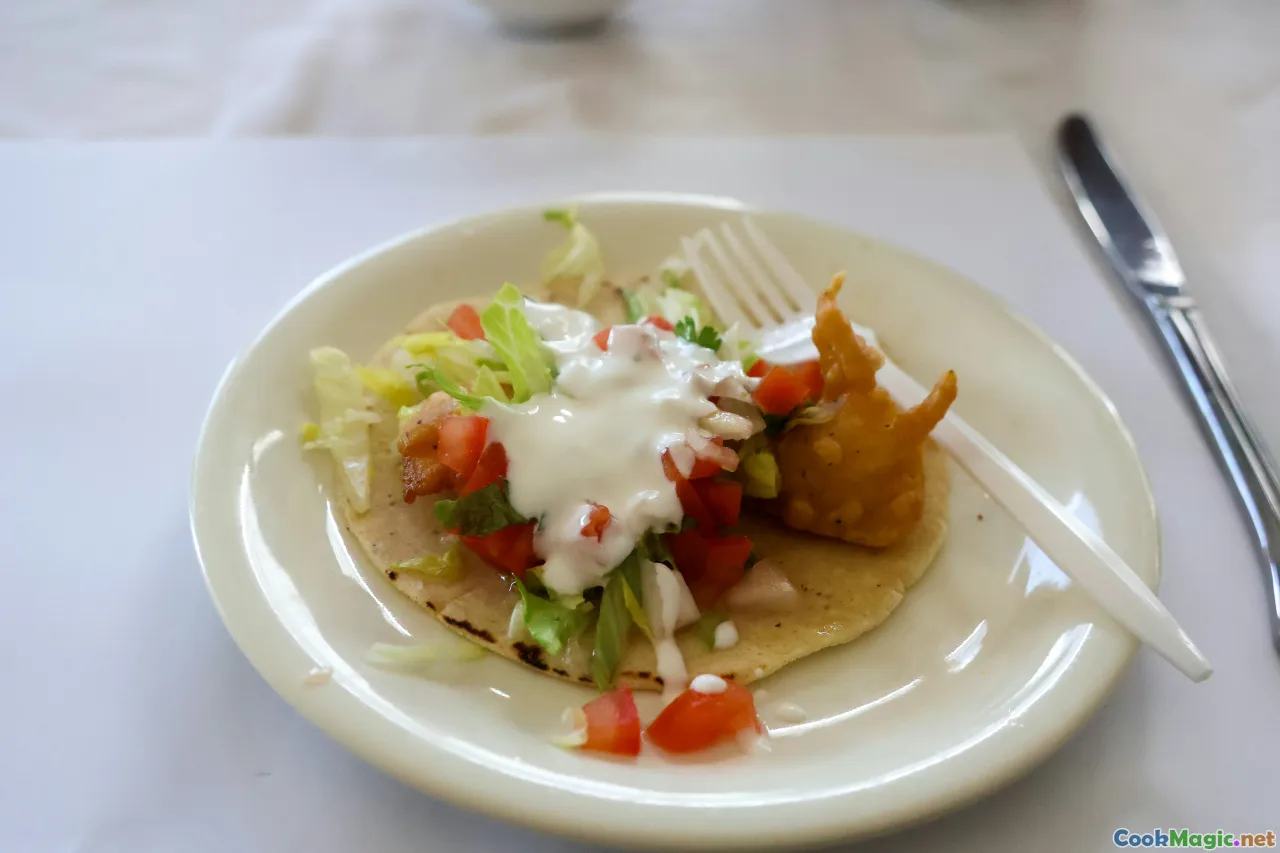
7 - Serve:
Top tostadas with salpicón, garnish with avocado, and serve immediately. Alternatively, plate as a salad with lime wedges on the side.
Place beef, water, half the white onion, garlic, bay leaves, peppercorns, and 1 tsp salt in a pot. Bring to a boil, skim foam, then simmer gently until fork-tender, 75–90 minutes.
Transfer beef to a tray; cool until comfortable to handle. Shred along the grain into thin strands using two forks or fingers. Reserve 2–3 tbsp of broth to moisten later.
Whisk lime juice, vinegar, olive oil, oregano, cumin, remaining 1 tsp salt, and orange zest (if using) in a large mixing bowl until emulsified.
Thinly slice remaining onion and radishes; dice tomatoes and cucumber; mince jalapeño; chop cilantro, epazote, and purslane; shred romaine. Keep avocado for serving to prevent browning.
Add shredded beef and reserved broth to the dressing; toss. Fold in tomatoes, cucumber, radish, jalapeño, red onion, cilantro, epazote, purslane, and romaine. Taste and adjust salt and acidity.
Let the salpicón stand 10 minutes (or chill up to 30) so the beef absorbs the citrus-vinegar dressing and the herbs perfume the salad.
Top tostadas with salpicón, garnish with avocado, and serve immediately. Alternatively, plate as a salad with lime wedges on the side.
Informasi Lebih Lanjut: Salpicón sapi dengan herba ladang, cerah dan segar
Why this recipe works
Salpicón de Res is a beloved Mexican shredded beef salad, often served cool on tostadas for a crisp, refreshing bite that still satisfies. This Field-Herb version leans into “hierbas de campo”—the seasonal wild greens and aromatic herbs like epazote and verdolagas (purslane) that lend a countryside freshness and layered aroma. By marrying slow-simmered beef with a citrusy vinegar dressing and crunchy vegetables, the dish balances richness with brightness, creating a vibrant, textural meal ideal for warm days or make-ahead entertaining.
Two small technique tweaks make a big difference. First, simmering the beef gently with aromatics yields tender threads that will soak up the dressing without drying out. A modest spoonful of reserved broth folded into the salad keeps the beef juicy. Second, whisking the dressing before the vegetables go in builds an emulsion that clings to every shred and slice. Letting the tossed salpicón rest for a few minutes allows the flavors to meld—this short pause transforms good into great.
Ingredients spotlight
- Beef chuck: Its marbling ensures tender shreds that carry the lime-oregano dressing.
- Lime and cider vinegar: Bright acids that cut through beefy richness and keep the salad lively.
- Epazote and purslane: Classic Mexican field herbs. Epazote brings an anise-like perfume; purslane contributes a lemony snap and gentle succulence.
- Radish and romaine: A double-layer of crispness that contrasts the silky beef.
- Jalapeño: Controlled heat; add or subtract seeds for your preferred spice level.
If you can’t find epazote or purslane, substitute with flat-leaf parsley and watercress or arugula. The flavor profile stays faithful to the spirit of the dish—fresh, green, and slightly peppery.
Tips and notes
- Cut size matters: Keep vegetable cuts small but distinct (about 1 cm dice for tomatoes and cucumber; wafer-thin radishes). This ensures even distribution and clean bites on tostadas.
- Season in layers: Salt the broth, then season the dressing. Final adjustments after tossing will be minimal and precise.
- Keep it crisp: Seed tomatoes and cucumbers to limit excess moisture. If your salad releases liquid, a quick toss just before serving refreshes the emulsion.
- Make-ahead: The beef can be cooked and shredded up to 3 days ahead. Store the dressing separately and combine an hour before serving.
- Serving ideas: Classic on corn tostadas; also great in lettuce cups, spooned into warm bolillo rolls for a torta-style sandwich, or over steamed rice for a heartier bowl.
- Heat control: Swap jalapeño for serrano if you like it hotter, or use pickled jalapeños for tangy warmth.
History and cultural significance
In Mexico, salpicón (from the Spanish for “a medley” or “hodgepodge”) represents a family of dishes built on finely chopped or shredded ingredients—seafood, poultry, or beef—made lively with vinegar, chile, and fresh vegetables. Salpicón de Res is particularly common in central and northern regions, where beef is abundant and the climate calls for meals that refresh without sacrificing substance. Serving it on tostadas reflects a broader Mexican tradition: crisp corn bases supporting bright, layered toppings that engage all senses.
The “hierbas de campo” element celebrates a rural cooking ethos—gathering what is seasonal and nearby. Cooks blend cultivated and foraged greens to add nuance, nutrition, and a whisper of the landscape to everyday meals. This recipe honors that practice by encouraging epazote and purslane, both traditional and highly flavorful.
Unique aspects
- Dual-acid dressing: Lime and apple cider vinegar together create a high-toned, complex acidity that’s at once punchy and rounded.
- Broth back-splash: A couple tablespoons of the beef’s cooking liquor bring savoriness and cohesion to the salad, almost like adding a light consomme.
- Field herbs focus: Rather than defaulting to only cilantro, we spotlight epazote and purslane for a distinctly Mexican countryside profile.
Personal notes
I love the way this dish evolves over time. Freshly tossed, it’s zippy and crisp; by the next day, the beef drinks in the dressing and the flavors harmonize into something deeper. For gatherings, I set out bowls of salpicón, sliced avocado, lime wedges, and a pile of tostadas so guests can build their own—no reheating, no fuss, just a communal, carefree meal that still feels special. If you’re new to epazote, start with a small amount—it’s assertive—and adjust to taste. And if you stumble upon wild purslane at a market, grab it. Its lemony crunch is the final brushstroke that makes this salpicón sing.