Trà Xuân Chuông Đền: Một Hương Thơm Ngây Ngất của Tiếng Anh Hoa
(Temple Bell Spring Tea: A Floral English Delight)
(0 Đánh giá)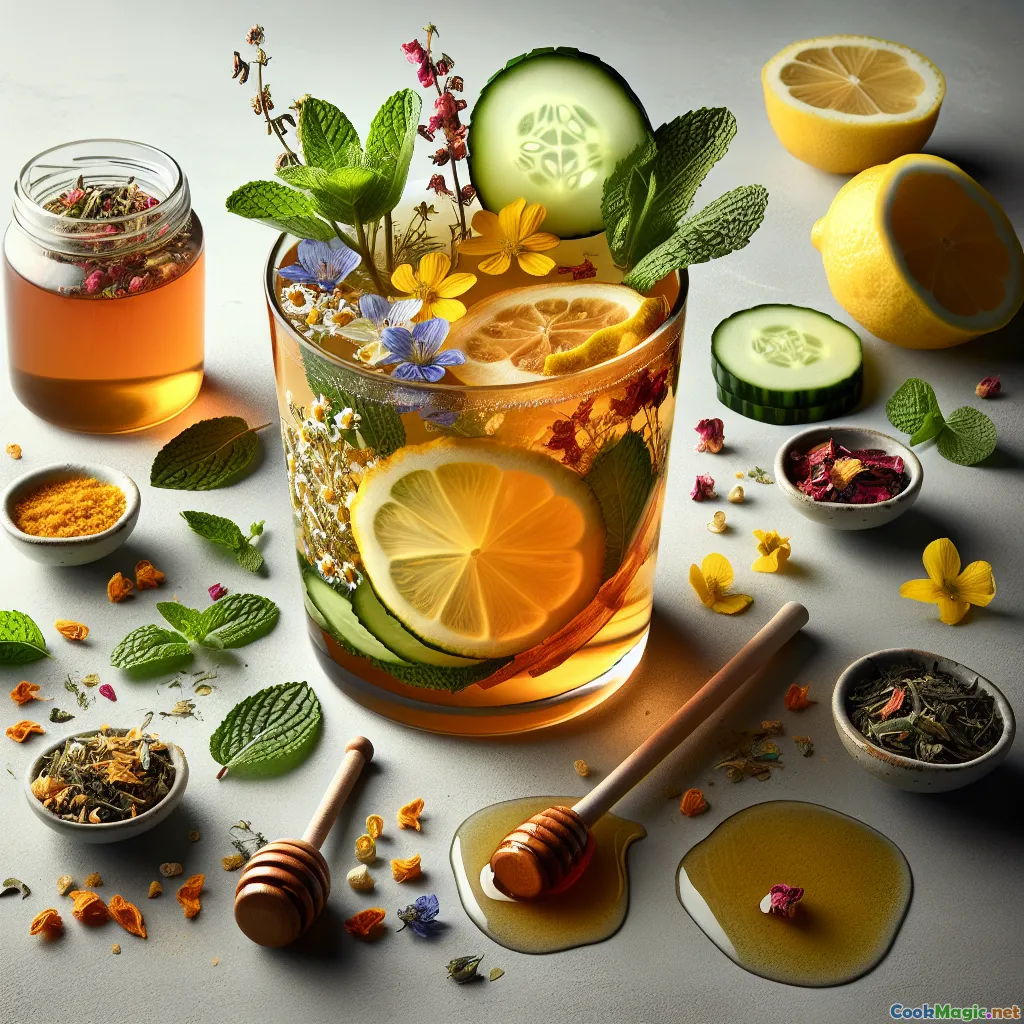
0
986
tháng 7 20, 2025
Báo cáo sự cố
Nguyên liệu
-
2 tsp Hoa cúc khô
(Tốt nhất là dùng trà lá rời để có hương vị ngon nhất.)
-
1.5 tsp Hoa kim elder khô
(Mang lại một hương thơm dịu, ngọt như mật ong.)
-
0.5 tsp vỏ chanh tươi
(Hữu cơ, bào mịn)
-
2 tsp Mật ong Anh
(Chọn mật ong dịu nhẹ từ hoa dại.)
-
5 leaves Lá bạc hà tươi
(Dành thêm một ít để trang trí.)
-
440 ml Nước sôi
(Mới đun sôi, vừa tắt lửa)
-
1 tsp Cánh hoa hồng khô
(Chỉ hoa hồng ăn được và chưa phun thuốc.)
-
2 ribbons Dải dưa chuột
(Cắt mỏng, để trang trí)
(Tốt nhất là dùng trà lá rời để có hương vị ngon nhất.)
(Mang lại một hương thơm dịu, ngọt như mật ong.)
(Hữu cơ, bào mịn)
(Chọn mật ong dịu nhẹ từ hoa dại.)
(Dành thêm một ít để trang trí.)
(Mới đun sôi, vừa tắt lửa)
(Chỉ hoa hồng ăn được và chưa phun thuốc.)
(Cắt mỏng, để trang trí)
Dinh dưỡng
- Khẩu phần: 2
- Kích thước khẩu phần: 1 cốc (220 ml)
- Calories: 42 kcal
- Carbohydrates: 11 g
- Protein: 0.2 g
- Fat: 0 g
- Fiber: 0.3 g
- Sugar: 9 g
- Sodium: 2 mg
- Cholesterol: 0 mg
- Calcium: 13 mg
- Iron: 0.2 mg
Hướng dẫn
-
1 - Chuẩn bị hoa ăn được:
Xát nhẹ hoa cúc La Mã và elderflower giữa các ngón tay để giải phóng hương thơm. Kết hợp với cánh hoa hồng khô (nếu dùng) trong một ấm trà lớn hoặc bình ép kiểu Pháp.
-
2 - Thêm cam quýt và bạc hà:
Thêm vỏ chanh bào và ba lá bạc hà vào hỗn hợp hoa trong ấm trà.
-
3 - Ngâm và Pha:
Đổ nước sôi lên các nguyên liệu. Đậy kín và để ngấm trong 7 phút để có hương vị mùa xuân trọn vẹn.
-
4 - Lọc và làm ngọt:
Lọc trà vào các cốc. Khuấy nhẹ mật ong Anh cho đến khi hoàn toàn tan.
-
5 - Trang trí và trình bày:
Trang trí mỗi ly bằng một sợi dưa chuột cuộn thành hình ruy-băng và một lá bạc hà. Dọn ngay và thưởng thức hương thơm dịu nhẹ.
Xát nhẹ hoa cúc La Mã và elderflower giữa các ngón tay để giải phóng hương thơm. Kết hợp với cánh hoa hồng khô (nếu dùng) trong một ấm trà lớn hoặc bình ép kiểu Pháp.
Thêm vỏ chanh bào và ba lá bạc hà vào hỗn hợp hoa trong ấm trà.
Đổ nước sôi lên các nguyên liệu. Đậy kín và để ngấm trong 7 phút để có hương vị mùa xuân trọn vẹn.
Lọc trà vào các cốc. Khuấy nhẹ mật ong Anh cho đến khi hoàn toàn tan.
Trang trí mỗi ly bằng một sợi dưa chuột cuộn thành hình ruy-băng và một lá bạc hà. Dọn ngay và thưởng thức hương thơm dịu nhẹ.
Thông tin thêm về: Trà Xuân Chuông Đền: Một Hương Thơm Ngây Ngất của Tiếng Anh Hoa
Temple Bell Spring Tea: An Ode to English Florals and Seasonal Awakening
Temple Bell Spring Tea is a unique tribute to the ethereal sounds, fragrances, and ambiance of an English springtime awakening. Its roots are woven into the historic ritual of afternoon tea, iconic in England, but Temple Bell Spring Tea takes inspiration a step further, infusing floral motifs symbolic of renewal, reverence, and vitality.
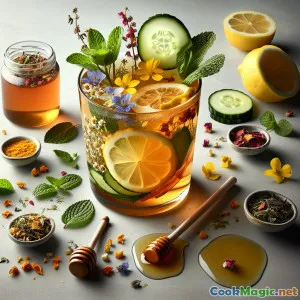
This drink is an aromatic harmony of classic herbal blossoms–particularly chamomile and elderflower–joined by refreshing hints of lemon, cooling mint, rose petals, and finished with the subtle nectar of wildflower honey. Those able to source edible, untreated rose petals and cucumber ribbons are rewarded with a presentation reminiscent of lavish English garden parties taking place near ancient churchyards, with the gentle clang of sonic temple bells accidentally heralded by a passing spring wind.
History and Cultural Significance
English afternoon tea emerged in the mid-19th century at the behest of Anna Russell, Duchess of Bedford, and has since evolved to include a remarkable range of delicately curated drinks and even tisanes (herbal teas) designed to invigorate body and spirit. Herbal infusions became popular, adopting herbs and florals believed to induce clarity and calm. Chamomile and elderflower, both ancient healing herbs, underpin Temple Bell Spring Tea’s comforting profile, while rose and mint have long been symbols of hospitality and fresh renewal in English culinary tradition.
Temple Bell Spring Tea channels the sensory overload of April or May, with temple bells (actual or metaphorical) resonating in the background. The floral blend celebrates local wildflowers often found in the British countryside—the kinds our grandmothers may have steeped to welcome guests or soothe anxious spirits on cool, verdant afternoons.
Unique Aspects & Flavor Notes
What sets this tea apart is the layering of delicately crushed blossoms, invoking a heady spring scent. While traditional English tea leans to strong, malty leaf tea with milk or lemon, this herbal counterpart offers a caffeine-free, mild yet complex bouquet perfect for calming afternoons or as a gentle start to festive brunches.
Fresh lemon zest adds spikes of brightness, balanced by clean-tasting mint and gentle, honeyed edges–a reflection of temperate English woods in bloom, after fresh rain has tickled all varieties of growing things to spring forth. Optional rose petals underscore its ‘temple bell’ nature: gentle, floral, resonant, meditative.
Tips & Notes
- Use organic florals for best flavor and purity.
- Dried elderflowers can be found in health shops or online; if unavailable, additional chamomile or a pinch of dried lavender makes an enchanting substitute.
- Adjust honey to taste for more or less sweetness and swap for agave for a vegan option.
- For a chilling twist, the mixture is wonderful served over ice with a few muddled strawberries.
Serving Suggestions
Temple Bell Spring Tea is lovely alongside a classic English tea cake, scones, or delicate finger sandwiches. For spring picnics, decant the chilled infusion with slices of cucumber and rose for beautiful presentation.
Personal Thoughts
Experimenting with English botanicals brings a sense of connection to both the rural and ceremonial—they bridge childhood memories, country outings, elders’ home remedies, and modern wellness trends. Temple Bell Spring Tea, in particular, offers an unforgettable bouquet evocative of English countryside spirituality, the brief but radiant time when nature and human communities celebrate new beginnings together.
Take this creation as your invitation to pause, steep, and tune in: imagine faroff bells, awakening blooms, and the gentle, hospitable hush for which the English are endlessly renowned.