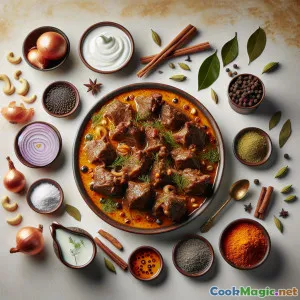
Cà ri Thịt Cừu Trắng Hoàng Gia Rajasthani Được Tiết Lộ
(Royal Rajasthani White Mutton Curry Unveiled)
(0 Đánh giá)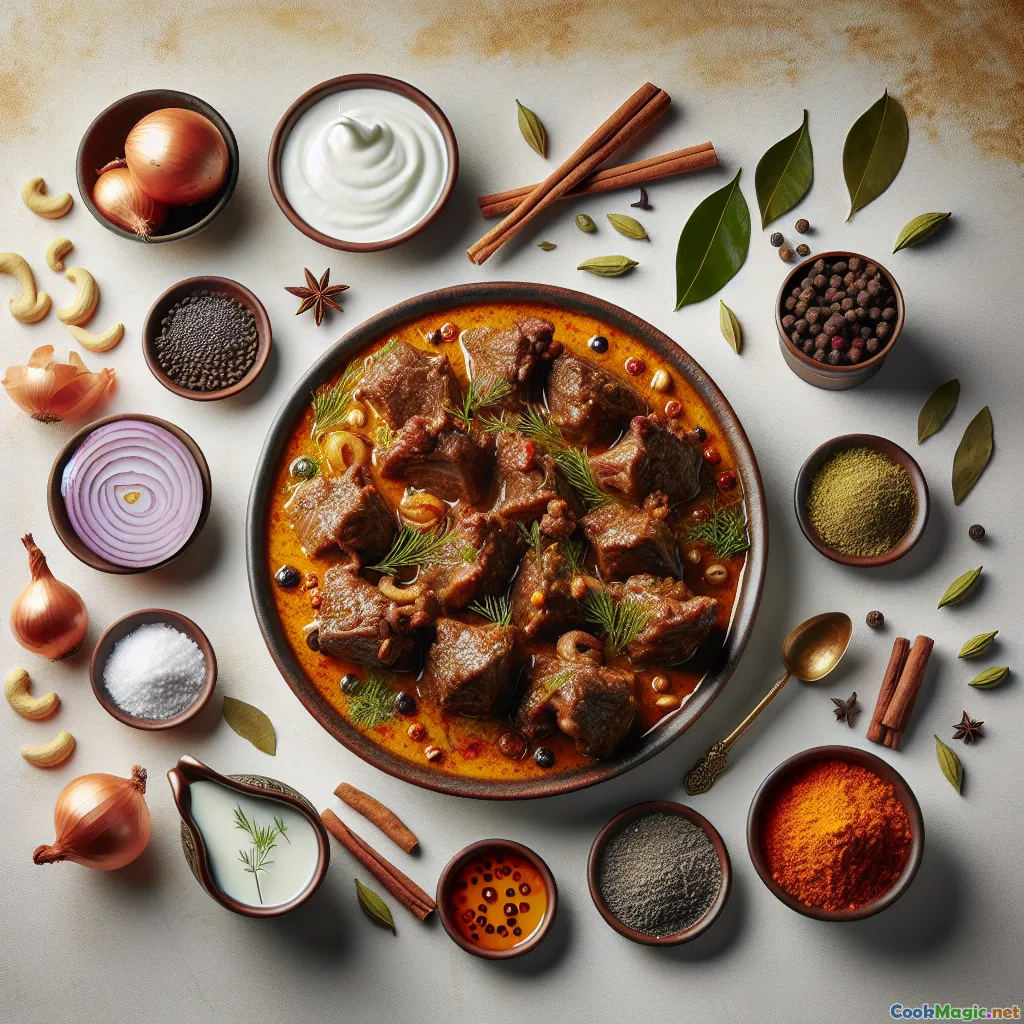
0
1,013
tháng 7 17, 2025
Báo cáo sự cố
Nguyên liệu
-
600 grams Thịt cừu (để xương)
(Yêu cầu cắt miếng vừa; nếu có thể, chọn nguyên liệu hữu cơ.)
-
2 medium Tương hành
(Hành trắng được ưu tiên, xay nhuyễn mịn.)
-
60 grams Hạt điều
(Ngâm và xay nhuyễn cho đến khi thành một hỗn hợp nhão mịn.)
-
20 grams Hạt Mù Tạt
(Ngâm và xay nhuyễn, được sử dụng nhiều trong các loại nước xốt hoàng gia.)
-
120 grams Sữa chua tươi
(kem béo, đánh bông đều.)
-
3 tbsp Dầu Ghee (bơ đã loại bỏ tạp chất)
(Hương vị đích thực; có thể thay 1 muỗng canh bằng dầu.)
-
4 pieces Hạt bạch đậu khấu xanh
-
3 pieces đinh hương
-
1 inch piece Que hương
-
6 pieces Hạt tiêu đen
-
1 piece Lá nguyệt quế
-
2 tbsp Mì chính gừng-tỏi
(Tươi, tốt nhất là tự làm tại nhà.)
-
100 ml Sữa
(Tạo độ béo ngậy.)
-
1 tsp Bột tiêu trắng
(Đun nóng mà không lên màu.)
-
1 pinch Nhục đậu khấu
(Phô mai bào mới, tùy chọn nhưng được khuyến khích.)
-
1 tsp Nước hoa Kewra
(Để tạo một nét hương thơm hoa lá, nước hoa hồng có thể được dùng làm chất thay thế.)
Muối, to taste
-
2 tbsp Kem tươi
(Để hoàn thiện món ăn.)
-
2 sheets Lá bạc (varq)
(Dành cho trang trí hoàng gia. Bỏ qua nếu không có sẵn.)
-
1 tbsp Rau mùi tươi
(Băm nhỏ, dùng để trang trí.)
(Yêu cầu cắt miếng vừa; nếu có thể, chọn nguyên liệu hữu cơ.)
(Hành trắng được ưu tiên, xay nhuyễn mịn.)
(Ngâm và xay nhuyễn cho đến khi thành một hỗn hợp nhão mịn.)
(Ngâm và xay nhuyễn, được sử dụng nhiều trong các loại nước xốt hoàng gia.)
(kem béo, đánh bông đều.)
(Hương vị đích thực; có thể thay 1 muỗng canh bằng dầu.)
(Tươi, tốt nhất là tự làm tại nhà.)
(Tạo độ béo ngậy.)
(Đun nóng mà không lên màu.)
(Phô mai bào mới, tùy chọn nhưng được khuyến khích.)
(Để tạo một nét hương thơm hoa lá, nước hoa hồng có thể được dùng làm chất thay thế.)
(Để hoàn thiện món ăn.)
(Dành cho trang trí hoàng gia. Bỏ qua nếu không có sẵn.)
(Băm nhỏ, dùng để trang trí.)
Dinh dưỡng
- Khẩu phần: 4
- Kích thước khẩu phần: 1 bát (250g)
- Calories: 550 kcal
- Carbohydrates: 21 g
- Protein: 32 g
- Fat: 37 g
- Fiber: 2.5 g
- Sugar: 6 g
- Sodium: 740 mg
- Cholesterol: 110 mg
- Calcium: 140 mg
- Iron: 3.2 mg
Hướng dẫn
-
1 - Rửa sạch và sơ chế thịt cừu:
Rửa sạch và lau khô kỹ các miếng thịt cừu. Để sang một bên. Bắt đầu ngâm hạt anh túc và hạt điều trong nước ấm để làm nhão.
-
2 - Trộn các loại paste:
Xay nhuyễn hạt điều ngâm và hạt anh túc thành một hỗn hợp nhuyễn, dùng một ít nước nếu cần. Riêng hành trắng được xay nhuyễn.
-
3 - Xào gia vị nguyên hạt:
Làm nóng ghee trong một chiếc chảo dày. Thêm hạt bạch đậu khấu, đinh hương, quế, tiêu đen và lá nguyệt quế. Để chúng sủi xèo cho thơm.
-
4 - Hỗn hợp hành và sữa chua:
Thêm hành xay nhuyễn, nấu nhẹ cho đến khi hương thơm dịu lại và hỗn hợp chuyển sang trong. Thêm hỗn hợp gừng-tỏi xay nhuyễn và xào cho đến khi hơi vàng. Trộn sữa chua vào, nấu ở lửa nhỏ cho đến khi dầu tách ra.
-
5 - Nướng vàng và niêm phong thịt cừu:
Thêm miếng thịt cừu vào chảo, áp chảo ở nhiệt độ cao trong vài phút cho đến khi vàng đều.
-
6 - Thêm các loại paste từ hạt và gia vị:
Khuấy đều với paste hạt điều–hạt anh túc, muối, tiêu trắng và một chút nhục đậu khấu. Để mọi thứ hòa quyện trong 5–6 phút ở nhiệt độ thấp.
-
7 - Hầm đến khi hoàn hảo:
Đổ sữa vào và thêm khoảng 1,5 chén nước. Đậy nắp, nấu ở lửa nhỏ trong 50–60 phút cho đến khi thịt cừu mềm như tan chảy và nước sốt đặc.
-
8 - Những Chi Tiết Cuối Cùng:
Tắt lửa. Khuấy kem tươi vào và từ từ thêm nước kewra để tạo hương thơm. Nếm xem có muối vừa không.
-
9 - Trang trí và trình bày:
Múc vào đĩa phục vụ, trải các lá bạc lấp lánh, và rắc ngò rí được băm nhỏ. Dọn nóng, kèm với sheermal hoặc cơm thơm.
Rửa sạch và lau khô kỹ các miếng thịt cừu. Để sang một bên. Bắt đầu ngâm hạt anh túc và hạt điều trong nước ấm để làm nhão.
Xay nhuyễn hạt điều ngâm và hạt anh túc thành một hỗn hợp nhuyễn, dùng một ít nước nếu cần. Riêng hành trắng được xay nhuyễn.
Làm nóng ghee trong một chiếc chảo dày. Thêm hạt bạch đậu khấu, đinh hương, quế, tiêu đen và lá nguyệt quế. Để chúng sủi xèo cho thơm.
Thêm hành xay nhuyễn, nấu nhẹ cho đến khi hương thơm dịu lại và hỗn hợp chuyển sang trong. Thêm hỗn hợp gừng-tỏi xay nhuyễn và xào cho đến khi hơi vàng. Trộn sữa chua vào, nấu ở lửa nhỏ cho đến khi dầu tách ra.
Thêm miếng thịt cừu vào chảo, áp chảo ở nhiệt độ cao trong vài phút cho đến khi vàng đều.
Khuấy đều với paste hạt điều–hạt anh túc, muối, tiêu trắng và một chút nhục đậu khấu. Để mọi thứ hòa quyện trong 5–6 phút ở nhiệt độ thấp.
Đổ sữa vào và thêm khoảng 1,5 chén nước. Đậy nắp, nấu ở lửa nhỏ trong 50–60 phút cho đến khi thịt cừu mềm như tan chảy và nước sốt đặc.
Tắt lửa. Khuấy kem tươi vào và từ từ thêm nước kewra để tạo hương thơm. Nếm xem có muối vừa không.
Múc vào đĩa phục vụ, trải các lá bạc lấp lánh, và rắc ngò rí được băm nhỏ. Dọn nóng, kèm với sheermal hoặc cơm thơm.
Thông tin thêm về: Cà ri Thịt Cừu Trắng Hoàng Gia Rajasthani Được Tiết Lộ
Safed Maas Sheherwali Style: A Regal Heritage on Every Plate
Introduction & History
Safed Maas Sheherwali Style is not simply a dish; it epitomizes the confluence of Rajasthani royalty and unique Sheherwali Jain cultural influences that thrived in Murshidabad—once Bengal's seat of power and multicultural splendor. Traditionally, 'Safed Maas' in Rajasthan signifies a mutton curry solely bathed in white gravies, eschewing red chilies and vibrant spice blends for slivers of subtlety and aromatics. The Sheherwali community, celebrated for their mercantile nous and discerning finesse, reflected their regal opulence in banquets interwoven with Mughal and Marwari essence.
What Sets Sheherwali Safed Maas Apart?
This rendition’s reverent homage to timeless princely kitchens lies in its orchestral balance: a medley of nuts—cashew and poppy seed paste—enrich the velvety gravy, harmonizing with mellow yogurt, floral spices, and an occasional kiss of rose. Unlike the fiery red gravies, this one seeks a gentle elegance, letting the tender mutton and creamy sauce sing. What truly distinguishes the Sheherwali style is:
- Refusal to use regular red chili, turmeric, or harsh garam masala.
- Joyous embrace of mild white pepper, aromatics, nuts, and flower essences.
- Frequent use of a touch of floral (often kewra or rose) water for fragrant finish.
- Optional application of shimmering silver leaf (‘varq’) for special feasts.
Cooking Secrets, Tips, & Personal Notes
Meat Selection: How the mutton is cut matters. Choose pieces with bone—the slow, hour-long simmer is what yields a gravy bursting with flavor and the supremely tender characteristic of no-nonsense regal curries.
Cashew-Poppy Paste: Ensure both nuts and seeds are soaked for at least half an hour to ensure smoothest grinding. A fine, velvety paste prevents grittiness in that prized white gravy.
The Aromatic Difference: Frying whole spices in ghee initiates the dish’s symphony. Control the flame and sauté aromatics gently to repel bitterness from onions and garlic.
Milk & Yogurt Marriage: To master a shamelessly lush yet subtle sauce, you must balance milk and yogurt, whisking slowly into the base to avoid curdling.
Garnishing with Class: For formal occasions, delicate sheets of edible silver leaf leave a striking impression and hint at the aristocratic table.
Accompaniments: Sheherwali Safed Maas is customarily enjoyed with sheermal (sweet saffron flatbread), soft naans, or plain fragrant basmati. When seeking contrast, jeera rice punctuates the meal’s richness.
If you crave a vegetarian tweak, simply substitute paneer chunks or boiled potatoes and use the core technique.
Cultural Significance
Though Sheherwali cuisine for the most part follows Jain vegetarian laws, at grand social functions or interactions with the Rajasthani nobility, such royal celebratory non-veg dishes were nuanced for a gentle, extravagant palate. Carefully balanced spices and an absence of overbearance honor ancient codes of hospitality, appeasing both privilege and probity. They stand as a testament to the meld of Jain thought, royal opulence, and Mughal artistry.
Final Musings & Aspects
If you seek to wow guests with an unforgettable feast in a velvet white, this dish will become a party centerpiece. It’s a paean to delicate flavors over unrestrained heat. Its silken texture—lavished with nuts and milk—soothes, yet leaves a savory trailing note, gently coaxed upward by keora’s floral finish.
For best results:
- commit to slow-cooking;
- be gentle when adding milk or yogurt;
- don’t skip the little musk of nutmeg or the sweet floral note at the end.
Whether for a winter gathering or a festive thali, Safed Maas Sheherwali Style will transport your table across time, drawing every guest into a world where flavor, refinement, and festivity reign.