Cháo Gạo Anh Mượt với Ốc Suối
(Creamy English Rice Porridge with River Snails)
(0 Đánh giá)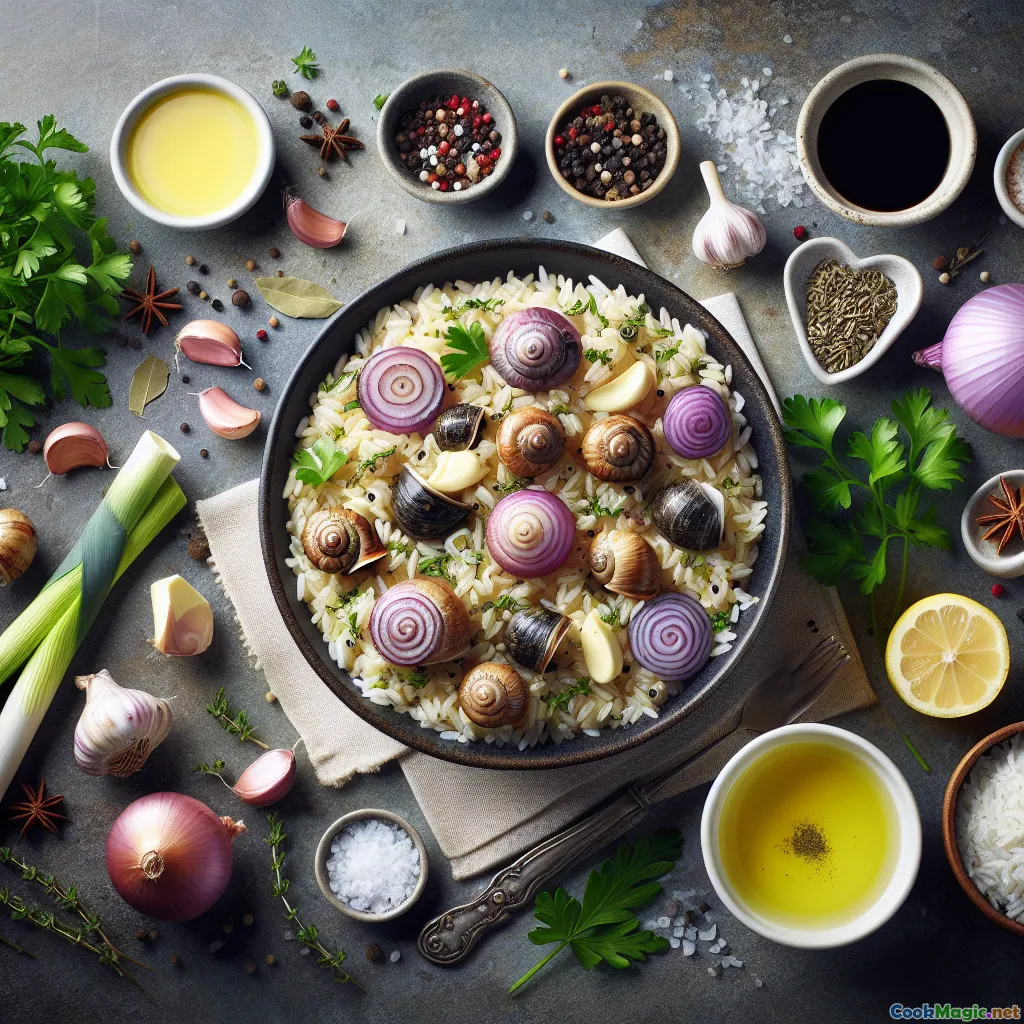

0
1,014
tháng 7 16, 2025
Báo cáo sự cố
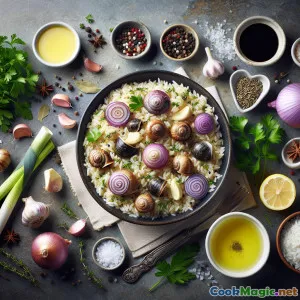
Nguyên liệu
-
120 grams Gạo hạt ngắn
(Rửa cho đến nước trong; có thể thay bằng gạo Arborio.)
-
300 grams Ốc sông sống
(Đã được chà sạch và loại bỏ tạp chất; càng tươi càng tốt.)
-
2 small Hành tím
(Xay nhuyễn nhỏ.)
-
2 cloves Tỏi
(Xay nhuyễn nhỏ.)
-
1 medium Hành tây (Chỉ phần trắng)
(Cắt đôi và thái mỏng.)
-
1 large Lá nguyệt quế
(Tươi hoặc khô)
-
1 liter Nước dùng cá hoặc gà
(Ít muối được ưu tiên.)
-
100 ml Sữa nguyên kem
(Tạo độ béo ngậy.)
-
15 grams Bơ không muối
(Để phi thơm các nguyên liệu thơm.)
-
2 sprigs Hương Thì Là Tươi
(Dành thêm để trang trí.)
-
2 tbsp Ngò tây lá phẳng
(Băm nhuyễn.)
Muối biển, to taste
Hạt tiêu đen, to taste
-
1/2 tsp Vỏ chanh
(Nạo mịn để hoàn tất món ăn.)
(Rửa cho đến nước trong; có thể thay bằng gạo Arborio.)
(Đã được chà sạch và loại bỏ tạp chất; càng tươi càng tốt.)
(Xay nhuyễn nhỏ.)
(Xay nhuyễn nhỏ.)
(Cắt đôi và thái mỏng.)
(Tươi hoặc khô)
(Ít muối được ưu tiên.)
(Tạo độ béo ngậy.)
(Để phi thơm các nguyên liệu thơm.)
(Dành thêm để trang trí.)
(Băm nhuyễn.)
(Nạo mịn để hoàn tất món ăn.)
Dinh dưỡng
- Khẩu phần: 2
- Kích thước khẩu phần: 1 bát (350g)
- Calories: 380 kcal
- Carbohydrates: 64 g
- Protein: 19 g
- Fat: 6 g
- Fiber: 2 g
- Sugar: 2 g
- Sodium: 680 mg
- Cholesterol: 47 mg
- Calcium: 90 mg
- Iron: 3.4 mg
Hướng dẫn
-
1 - Khử và làm sạch ốc sên:
Rửa ốc sông qua nhiều lần nước lạnh có muối. Để chúng ngâm 30–60 phút để kích thích sự loại bỏ cặn (nếu có thể, quá trình purging đã được thực hiện ở nguồn). Đổ nước đi, rửa lại; lặp lại cho đến khi nước sạch. Để sang một bên.
-
2 - Chuẩn bị Aromatics:
Băm nhuyễn hành tím và tỏi, và nếu dùng thì cắt lát tỏi tây. Băm nhuyễn các loại thảo mộc tươi và bào vỏ chanh để trang trí, nếu muốn.
-
3 - Xào Hành Gia Vị:
Đun chảy bơ trong một nồi sâu ở lửa vừa. Thêm hành tím, tỏi và tần ô. Đun nhẹ khoảng 3–4 phút cho mềm và thơm, không được vàng.
-
4 - Bắt đầu nấu cháo:
Thêm gạo đã được rửa sạch, khuấy cho các hạt gạo được bọc đều. Đổ nước dùng và thả lá nguyệt quế. Đun ở mức sôi nhỏ, khuấy thỉnh thoảng.
-
5 - Nấu ở lửa nhỏ cho đến khi mịn như kem:
Giảm lửa và nấu không đậy nắp trong 25–30 phút, khuấy thường xuyên để hạt gạo không dính, cho đến khi hạt gạo nát nhừ thành một kết cấu đặc mềm như kem. Nếu quá đặc, thêm một ít nước dùng nữa.
-
6 - Luộc sơ ốc sên riêng.:
Trong khi cháo đang sôi, đun sôi ốc sên đã được làm sạch trong một nồi riêng 3 phút. Đổ nước đi và rửa lại. Lấy phần lớn ốc sên ra khỏi vỏ một cách cẩn thận; bỏ vỏ.
-
7 - Cháo hoàn tất:
Thêm ốc sông đã chuẩn bị và lá thyme. Khuấy vào sữa để có kết cấu mịn hơn (tuỳ chọn). Nêm cháo bằng muối biển và tiêu đen.
-
8 - Trang trí và phục vụ:
Múc cháo vào bát ấm. Rắc mùi tây và vỏ chanh tươi bào nhuyễn, thêm xạ hương làm trang trí. Thưởng thức khi còn nóng.
Rửa ốc sông qua nhiều lần nước lạnh có muối. Để chúng ngâm 30–60 phút để kích thích sự loại bỏ cặn (nếu có thể, quá trình purging đã được thực hiện ở nguồn). Đổ nước đi, rửa lại; lặp lại cho đến khi nước sạch. Để sang một bên.
Băm nhuyễn hành tím và tỏi, và nếu dùng thì cắt lát tỏi tây. Băm nhuyễn các loại thảo mộc tươi và bào vỏ chanh để trang trí, nếu muốn.
Đun chảy bơ trong một nồi sâu ở lửa vừa. Thêm hành tím, tỏi và tần ô. Đun nhẹ khoảng 3–4 phút cho mềm và thơm, không được vàng.
Thêm gạo đã được rửa sạch, khuấy cho các hạt gạo được bọc đều. Đổ nước dùng và thả lá nguyệt quế. Đun ở mức sôi nhỏ, khuấy thỉnh thoảng.
Giảm lửa và nấu không đậy nắp trong 25–30 phút, khuấy thường xuyên để hạt gạo không dính, cho đến khi hạt gạo nát nhừ thành một kết cấu đặc mềm như kem. Nếu quá đặc, thêm một ít nước dùng nữa.
Trong khi cháo đang sôi, đun sôi ốc sên đã được làm sạch trong một nồi riêng 3 phút. Đổ nước đi và rửa lại. Lấy phần lớn ốc sên ra khỏi vỏ một cách cẩn thận; bỏ vỏ.
Thêm ốc sông đã chuẩn bị và lá thyme. Khuấy vào sữa để có kết cấu mịn hơn (tuỳ chọn). Nêm cháo bằng muối biển và tiêu đen.
Múc cháo vào bát ấm. Rắc mùi tây và vỏ chanh tươi bào nhuyễn, thêm xạ hương làm trang trí. Thưởng thức khi còn nóng.
Thông tin thêm về: Cháo Gạo Anh Mượt với Ốc Suối
Rice Porridge with River Snails: An English Culinary Curiosity
Rice porridge—sometimes lovingly called ‘congee’ or ‘gruel’—may not immediately conjure up visions of rural English kitchens or lush British riversides. Yet the evolution of this elegant dish, Rice Porridge with River Snails, is woven with threads of resourcefulness, countryside tradition, and a healthy sense of adventure in the kitchen.
The Uncommon Marriage of River Snails and Rice in England
Snails have crawled their way into European cuisines for centuries, becoming cultural mainstays from the classic French escargot to roasted snails in the Mediterranean and elaborate snail-themed feasts in rural England. Noted foragers and fishermen along rivers like the Severn and Avon, and even as far as wetlands in East Anglia, have long harvested river snails—both as an ingredient and occasional delicacy in hard times.
Pair them with humble rice (imported into England in the 14th century) and you get a village comfort food—slightly unorthodox, yet deeply homey. Slow-cooked rice, mellowed in broth and a whiff of English garden herbs, becomes the perfect nest for tender, subtly briny snails whose silky texture and gentle earthiness elevate each spoonful.
Tips, Substitutions, and Texture Notes
- Rice: Short-grain gives the most satisfying creamy texture—arborio is excellent if you lack true congee rice. Resist long-grain; they simply won’t break down as pleasingly.
- Snails: Ideally fresh-collected and purged for maximum flavor and minimum grit. In land-locked areas, flash-frozen or farmed snails (with a shell count adjusted) add refinement.
- Herbs: Classic English flavors—thyme or bay, ribbons of parsley—underline river snails’ delicate marine flavor rather than overwhelming it.
- Stock: Chicken or clear fish stock appeals even to faint-hearted diners wary of robust seafood aromas.
- Milk: A touch of milk right before serving, milder than cream, melds the dish, amplifying the velvet of broken down rice.
- Aromatics: Do not skip the foundation of garlic/shallot/leek, which defines good porridge; leek especially layers a gentle sweetness.
- Finishings: Parsley and a well-timed squeeze of lemon or lemon zest keep the flavors clean and bright, offsetting any earthiness from the snails.
- Serving: Serve steaming hot with a slice of rustic farmhouse loaf, or as a starter for a sophisticated dinner with an English twist.
Nourishment, Novelty, and History
Rice porridge holds a special place as global comfort food, celebrated from British gruel to Asian congee or risotto in Italia. The addition of river snails roots the dish in wild-skimming countryside history, recalling post-harvest feasts, riverside foraging, and culinary frugality—yet here made modern and tempting for contemporary palates. Nutritional content? You find a harmonious blend of lean protein, comforting grains, and gentle infusions of herbal flavor, all with modest fat and sodium compared to heartier fare.
Unique Aspects and Cultural Significance
Combining rice porridge with snails delights epicureans seeking novelty. The dish’s subtlety is ideal for showcasing the snails without intimidating less adventurous eaters. In today’s culinary Britain, ‘Rice Porridge with River Snails’ embodies the sustainable, locality-driven ethos of modern British cuisine: wild-gathered, thoughtfully prepared, and paired down to allow ingredients to shine.
This recipe was created as both a respectful nod to historic British ingredients and cuisine fusion—celebrating age-old foraging along Britain’s lush waterways with inspirations from Asia’s reverence for porridge as a curative, vital dish.
Final Thoughts
Rice Porridge with River Snails invites you to reclaim older culinary traditions—transforming humble harvest into a bowlful of comfort fortified by both nutrition and nostalgia. If you’ve never tasted snails, English river specimens are small, delicate, more vegetal than you think…and they might soon become a surprising guest star at your next breakfast, brunch, or fireside supper table.
Share this comforting, unique dish with the brave and the curious—celebrating England’s rivers, its kitchen creativity, and a rare moment when two disparate elements (rice and river snails) simmer together in fragrant, heartwarming unity.