Các thực hành đánh bắt bền vững định hình ẩm thực Iceland
47 phút đọc Khám phá cách đánh bắt bền vững của Iceland—từ dây câu dài đến hạn ngạch nghiêm ngặt và quy trình xử lý không lãng phí—hình thành những món ăn mang tính biểu tượng, hỗ trợ các cộng đồng ven biển, và thiết lập một mô hình toàn cầu cho ẩm thực từ biển đến bàn ăn, có đạo đức và đậm đà hương vị. tháng 11 27, 2025 07:10
The harbor woke before I did. In Reykjavík's winter twilight, a bruise-colored sky leaned over masts and ropes, and gulls stitched white thread across the bruised blue with their cries. The smell was not just 'fishy' — it was metallic and sweet, like rain hitting hot iron, like cold coins in the palm. On the pier, a fisherman in a bright orange jacket uncoiled a longline, his hands moving with the metronomic ease of a pianist who has known the same piece since childhood. Each hook ticked against the next in a tiny, bell-like rhythm. When a crate lid snapped open, a gust of air carried the breath of the sea at dawn: clean, saline, startling. The cod inside had a satin sheen, eyes like polished obsidian, flesh tight as a drum.
'Line-caught, overnight,' the fisherman said, tapping the crate. 'The current was kind.' He offered a sliver of liver on a toothpick — a surprise, warm from a pan in a galley somewhere, melting and marine. I thought of how, in Iceland, flavor and responsibility are entangled, as tightly bound as that line slipping through his hands.
Tides of Responsibility: How Iceland Turned Policy into Flavor

Stand at any fish counter in Iceland and you can taste policy. The firmness of a fillet, the small labels with catch method and boat name, the regular seasonal rhythm — all of it is the embodiment of a national experiment that began decades ago. In the 1980s, following years of boom-and-bust cycles, Iceland instituted an Individual Transferable Quota (ITQ) system. Under this system, the right to catch specific amounts of fish became a regulated commodity, and the catch was closely monitored by the Directorate of Fisheries with logbooks, satellite tracking, and real-time closures when juvenile fish congregate.
The result is not just healthier stocks; it is a cuisine that tastes of restraint. Atlantic cod — þorskur — is no longer a gluttonous free-for-all but a measured, consistent presence on the plate. Iceland has a discard ban: what comes aboard must be accounted for. Policies incentivize selective gear like longlines and jigs, which slip into the water like whispers, brushing the seabed lightly, bringing up fish in impeccable condition.
When I talk to chefs in Reykjavík and the Westfjords, they praise this restraint the way a baker praises a well-timed proof. The cod is not mushy from trawl stress, the skin is intact for crisping, and the cheeks — kinnar — are plump, a chef's treasure. Sustainable practice here is not a static virtue; it is a dynamic habit, peeked and prodded by data from the Marine and Freshwater Research Institute (Hafrannsóknastofnun). A zone spikes with juvenile haddock? It closes, sometimes within hours. A capelin survey indicates the stock is fragile? The fishery is halted for the season, despite the hunger of factories and markets.
This vigilance has a flavor: imagine a bowl of fiskisúpa where the broth gleams like amber and nothing in it tastes like compromise. The carrot's sweetness, the cod's delicate flakes, the lick of cream — the balance is possible because the fish arrived unbruised, the gills still pink and sweet. Policy becomes texture.
From Hook to Pan: The Sensory Difference of Line-Caught Fish

Fishermen will tell you: a cod pulled up on a longline, individually, comes aboard like a secret. It is not dragged, squeezed, jostled against neighbors. It breathes longer, resists less. On the cutting board, that difference becomes visible: the muscle fibers are tighter, the surface glossy with a barely perceptible sheen. When your knife slides along the spine, you feel the resistance of a fish that kept its glycogen, that didn't spend itself thrashing in a net.
Cook that fillet in a pan and the difference persists. In Reykjavík's Messinn, they serve fish in sizzling pans that arrive at the table with the sound of rain on a tin roof. A line-caught cod fillet sears into a fine, golden lace. You push your fork in, and the flakes separate along clean, elegant lines; steam rises carrying a faint sweetness, a whisper of tidepools. Compare that to trawl-caught fish — it can be good, but often the fillet is wetter, the grain looser. The line-caught fish holds itself like good posture.
I once cooked side-by-side fillets in a friend's apartment near the harbor. We salted both the night before, chilled them on racks to dry the skin. Next day we heated a cast-iron pan until the oil shivered, laid down the fillets skin-side first, pressed them just a moment to prevent curling. The line-caught fillet made a steady crackle; the other spat more aggressively, weeping moisture. When we tasted, the difference was a murmur, not a shout: the line-caught had a pearly, almost sweet meatiness, closer to scallop than cheap fish. With a spoonful of brown butter foaming with rye crumbs and dulse, the pinch of the ocean was both ancient and startlingly new.
This is what sustainable fishing looks like at the table: better yield, less waste, higher value, more reverence for each piece. You do not bury it under aggressive sauces. You let it speak.
The Herring Lesson: Memory of a Collapse

Siglufjörður, up in the north, carries the ghosts of fish. In the Herring Era Museum, a barrel-washer clacks on, the rhythm echoing in empty halls. Black-and-white photographs show women in headscarves and rubber aprons, their hands a blur as they layer síld with salt. The town once pulsed with money and music; the scent of brine belonged to joy.
Then the herring vanished. A stock collapses not as a Hollywood disaster but as an ache: boats come back light; rumors spread at harbor cafés; the laughter thins. By 1969, the 'herring adventure' was over. The lesson seared into the national memory is this: the ocean is not a pantry; it is a partnership. That loss, felt in towns like Siglufjörður and in the empty lanes of once-bustling salting stations, is why Iceland's approach to cod, haddock, and redfish is so cautious now. It is why capelin seasons are cancelled when surveys show a weak year, even if factories stand idle.
I stood outside Kaffi Rauðka after a plate of pickled herring with rye bread, the bread a dark, molasses sweetness, the herring silky, bracing with vinegar and onion. The wind cut from the fjord, carrying salt. The herring on my plate was not local — not from the old stock — but it tasted of history, of the way a national cuisine is shaped by the presence and absence of creatures beyond our control.
Chefs Leading the Stewardship Kitchen

In Reykjavík, the Michelin-starred restaurant Dill has long worked with fishermen who bring them fish with name and method attached. That specificity is not a marketing flourish; it is a culinary tool. When you know a haddock was jig-caught off the Reykjanes Peninsula yesterday, you can plan a gentle cure, a precise ageing in a chilled room where the air smells like clean linen and faint brine. When Matur og Drykkur put a whole cod head on their menu — braised to gelatinous tenderness, cheeks and collars yielding like custard — they were not being provocative for its own sake. It was a declaration: in a country that cherishes its stocks, you honor each fish by using all its gifts.
On Heimaey in the Westman Islands, Slippurinn cooks like the archipelago itself: wind-etched, sea-focused, stubbornly local. Chef Gísli Matthías Auðunsson builds menus around what the boats bring in that week, around lumpfish roe when it's ethical to harvest, around sea urchins from the cool, clean waters of Breiðafjörður when divers can take them without pressure. A dish there — langoustine when available, or sea urchin when sustainable — often arrives with the smell of char and beachfire smoke, a delicate sweetness nested in an ocean throb. The restaurant's cookbook reads like a tide chart; its recipes ebb and flow with the seasons.
You can see sustainability on the plate beyond species choice. There are cod-skin cracklings puffed into ethereal sails, translucent and tack-crisp; there is a drizzle of oil made from smoked bones and trimmings that lends a ghostly depth; there is a flourish of pickled sea truffle, or söl (dulse), harvested carefully from clean shores. The plate becomes a map of restraint and invention.
A Day on a Krókabátur: Story From the Gunwale

We left Hafnarfjörður before sunrise, the boat's deck slick with frost, the diesel an acrid lullaby. The captain, Einar, piloted by memory, his hands loose on the wheel. The longline sat in tidy baskets, each hook bright as a star. 'Krókabátur,' he said, patting the rail — a small-hook boat, the pride of coastal communities. He was proud too of his quota — modest but hard-earned — and the way he fished: no dragging, no seabed scars, just hooks and patience.
The first set went in smooth as a stitched seam. We sipped scalding coffee that tasted faintly of tar and smoke, and when we hauled later, the fish broke the surface like commas — elegant, punctuating the sea. Einar's mate worked quick: a twist of the wrist, a flash of the gaff, a thunk into the box. The cod's gills fluttered pink as rose petals, the mouths yawning to a silent vowel. The air smelled clean, like cold shell and iron. Onboard, the fish were bled and iced at once, their bodies stiffening into a cool calm.
Einar talked about closures that saved him from fishing in the wrong place, about the text message alerts that blinked on his phone like weather reports. He spoke with measured pride about how the flesh of a line-caught cod holds up under a chef's hand: 'They don't punish it with heavy sauces. They let it be fish.' He grinned when I told him that cod cheeks are the new caviar in Reykjavík kitchens. 'We kept them always,' he said, shrugging, 'for our kids.'
Back on land, his catch slipped into the chain of Iceland's well-engineered processing. Marel machines hum and click like tidy creatures, slicing fillets with almost eerie precision, maximizing yield from each fish in a choreography that feels like respect made mechanical. But here, in the sea-smelling quiet, respect sounded like hooks slipping through skin with surgical neatness, like water slapping the hull.
How to Shop Icelandic Fish Sustainably

Whether you are in Reykjavík, Akureyri, or a coastal town with a single bright fish counter, here is how to put stewardship into your basket.
- Ask the catch method. Look for line-caught (handline, longline) or jigging for cod and haddock. These methods typically yield higher quality and lower bycatch. If it's trawl-caught, consider choosing cuts that make full use of the fish — cheeks, collars — and support processors who utilize byproducts.
- Check for certifications and labels. Many Icelandic fisheries are MSC certified. Some fishmongers list the boat name and area fished. A label like 'VSV Vestmannaeyjar' or 'HB Grandi' (now Brim) often indicates well-monitored supply chains.
- Buy with the season. Winter cod is particularly firm and flavorful; in spring, look for sustainably harvested lumpfish roe from certified sources; in summer, Arctic char sings; in late summer and autumn, mackerel captured responsibly can be a fatty joy.
- Support small boats. Shops like Fiskbúðin in Reykjavík sometimes note small-boat catches. At the Grandi harbor food halls, vendors can tell you which boat landed your fish. Ask. Curiosity builds accountability.
- Embrace variety. Redfish (karfi), ling (langa), tusk (keila), and wolffish (steinbítur) are delicious and sustainable when caught under quota. Spread your love beyond cod to reduce pressure on a single species.
- Use your freezer mindfully. Fish frozen at sea can be exceptionally high quality. The quick-freeze systems aboard Icelandic vessels lock in freshness, and freezing helps you align consumption with the natural pulse of catches.
Shopping becomes a conversation: you and the person behind the counter, both stewards of a shared resource. The reward is a dinner that tastes like it belongs in its time and place.
Waste Not: Whole-Fish Cooking the Icelandic Way

Sustainable fishing extends to the kitchen. In Iceland, nothing that tastes good goes to waste. At home I've learned this lesson the delicious way.
- Crispy cod skins: Save the strips you trim from fillets. Scrape off residual flesh with the back of a knife, salt lightly, and lay them flat between two sheets of parchment. Dry overnight in the refrigerator, then fry until they puff and blister like chicharrón. Dust with sea salt and crushed söl. They snap between your teeth, toasty and oceanic.
- Cheeks and tongues: Kinnar (cheeks) and gellur (cod tongues) are jewel-like cuts. Dust them with barley flour, pan-fry in brown butter, and finish with lemon and dill. They taste like the tender crossroads of scallop and custard.
- Collars: The collar's nuggety meat begs for a quick grill. Brush with mustard and honey, scatter rye crumbs for a Northern crunch, char just to smoke. The cartilage turns wobbly and lip-smacking.
- Bones for broth: Roast frames and heads until browned and a little caramelized. Add onion, celery, fennel tops, crushed pepper, and cover with cold water. Simmer gently for 30 minutes, skimming. The stock smells like a winter dock at low tide, clean and inviting. Strain and reduce to a glaze to boost sauces.
- Liver pâté: Fresh cod liver (ask your fishmonger) sautéed with shallot and apple, a splash of cognac, blitzed with butter and lemon — a briny, silken spread that whispers of old Icelandic kitchens and the grandmotherly spoonfuls of cod-liver oil many Icelanders still remember from childhood. It is nostalgia made luxe.
When you use the whole fish, you are cooking like a citizen. Each dish becomes a thank-you to the sea.
Season by Season: What the North Atlantic Offers

Icelandic cuisine breathes with the North Atlantic's moods. The calendar is a recipe book.
- Winter: Cod is king, its flesh taut as newly stretched canvas from the cold. The nights are long; kitchens glow. Make plokkfiskur, that comforting stew of flaked cod and potatoes bound with béchamel, chives, and butter, and it fills the house with a scent like a wool sweater warmed by the fire. Langoustine — humar — has faced pressure and periodic closures; when responsibly available, its sweet tail meat tastes of rose and iodine. If not, lean into cod and haddock.
- Spring: The lumpfish season, carefully managed, brings roe that pops like tiny moons under your teeth. Serve it on warm rye bread with a slick of cultured butter and shaved horseradish. Capelin, if the stock allows, may appear — a slender fish with a briny, grassy sweetness. Some years, surveys say no; memory of the herring collapse holds the line.
- Summer: Arctic char runs cold and clean through farms and streams. Its flesh is a gradient from coral to amber, the fat marbling faint and delicate. Grilling char on damp birch leaves perfumes it with a green, woodland smoke. Mackerel, newcomers in Icelandic waters in the 2000s as currents warmed, arrive thick with oil — a lesson in climate's fingerprints on the plate. They grill to a lacquered bronze and taste like a salt breeze.
- Autumn: Redfish (karfi) — a deepwater species with an orange skin and a sweet, firm flesh — shows best in slow-roasts with tomatoes preserved from the brief summer sun, and with söl butter melting on top. Tusks and lings are underrated pleasures, starch-friendly and forgiving.
Climate change is not theoretical here. The arrival of mackerel sparked political negotiations and new habits in the kitchen. Capelin's variability means some winters lean harder into cod and haddock; others celebrate the tiny silver fish's return. A sustainable palate is flexible, curious, and ready to welcome the ebbs and flows.
Aquaculture, Geothermal Water, and the Poetry of Char

When I first tasted Icelandic Arctic char at a small restaurant near Hveragerði, the fillet was almost translucent, striated like rose quartz. The chef cured it lightly with birch syrup and juniper, then set it in a pool of skyr-whey dressed with dill oil. The smell was alpine and oceanic at once. Char thrives in Iceland not only in the wild but in thoughtfully designed land-based farms.
In places like Grindavík, companies have used cold, pristine groundwater and geothermal energy to maintain stable temperatures and clean flows for land-based char farms. Because the fish live in controlled environments, they avoid some of the ecological issues of open-net sea pens. The water runs clear, the fish are monitored, and the waste is managed. Farmed char here feeds into the same ethos as the sea fisheries: careful in, careful out.
Not all aquaculture is built equal, and debates about open-sea salmon farming swirl as vividly as the northern lights. But char — a species that suits land-based systems — has won hearts in Icelandic kitchens. Its flavor is less aggressive than salmon, more graceful, with a buttery glide that plays well with the mineral tang of Icelandic sea salts and the grassy whisper of local dill.
At home, I cure char with Norður sea salt (evaporated using geothermal heat, its crystals thin as petals) and a pinch of crushed söl, then slice it thin like a sigh. With pickled angelica stems and a spoonful of rhubarb gel from last summer's harvest, it tastes like a map: ice, lava, herb.
Seaweed, Salt, and the Supporting Cast

Seaweed in Iceland is not garnish; it is a chorus of flavor. Söl — purple laver — is often eaten like a snack, crinkly and mineral-rich, the sea's equivalent of a potato chip. Dulse butter melts into cod and gives it an umami hum. Kelp powders, used judiciously, turn a simple fish soup into something older and deeper.
In the Westfjords, Thorverk dries seaweed with geothermal heat, a practical poetry that tastes like clean energy. Norður & Co makes sea salt in Reykjanes, the crystals thin and shattery, with a delicate minerality that recalls wind-whipped spray. Sprinkle their salt on harðfiskur — air-dried fish — and add a smear of good Icelandic butter, and you have the most elemental snack: sweet, salty, fatty, airy, a fisherman’s energy bar wrapped in centuries.
Bread matters too. Rúgbrauð, the dark rye bread steamed in geothermal earth until it is mahogany-brown and tender as cake, pairs with pickled herring and char gravlax, the bread's molasses warmth hugging the fish's chilled silk. The smell of a fresh-cut loaf is molasses and warm soil, a grandmother kitchen transmuted into geology.
Recipes to Cook Tonight: Respectful, Resourceful, Icelandic

Here are two recipes that capture both the flavor and the spirit of sustainable Icelandic cooking — resourceful, seasonal, reverent.
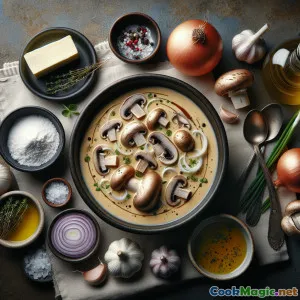
Plokkfiskur With Brown-Butter Rye Crunch
Serves 4
Ingredients:
- 600 g line-caught cod or haddock fillets, skin on
- 500 g waxy potatoes, peeled, cut into chunks
- 1 onion, finely chopped
- 50 g butter, plus 50 g for finishing
- 40 g flour (barley flour if you can find it)
- 500 ml whole milk, warmed
- 1 bay leaf
- A handful of chives and parsley, finely chopped
- 1 tablespoon Dijon mustard
- 1 teaspoon grated horseradish (optional)
- Sea salt and black pepper
- 2 slices rye bread, torn into crumbs
- A small pinch of crushed dulse (söl)
Method:
- Simmer the potatoes in salted water until tender. Drain and let them steam in the pot, lid ajar.
- Poach the fish gently in lightly salted water with the bay leaf until it just flakes, 5–7 minutes. Lift out and cool slightly. Reserve 250 ml of the poaching liquid.
- Melt 50 g butter in a pot. Sweat the onion until translucent and sweet. Stir in the flour and cook a minute, then whisk in the warm milk and the reserved poaching liquid. Simmer until thick enough to coat a spoon.
- Flake the fish into big pieces, peel off the skin (save it), and fold it into the sauce with the potatoes. Season with mustard, herbs, horseradish if using, salt, and plenty of black pepper. Stir gently; you want texture, not paste.
- In a small pan, melt the remaining 50 g butter until it foams and turns hazelnut-brown. Add the rye crumbs and the crushed dulse. Fry until the crumbs are toasty and fragrant, like wet earth after rain.
- Spoon the plokkfiskur into warm bowls and shower with the rye-dulse crunch. The dish should be a study in softness and contrast: creamy, herb-bright fish; a nutty crackle on top; steam fragrant with milk and sea.
Tip: Fry those saved fish skins until crisp, and serve them as an extra garnish or snack with a lemon wedge.
Lightly Cured Arctic Char With Whey and Dill Oil
Serves 4 as a starter
Ingredients:
- 400 g Arctic char fillet, pin-bones removed
- 30 g Norður or other flaky sea salt
- 10 g sugar
- Zest of 1 lemon
- 1 small bunch dill
- 150 ml skyr whey (drained from 200 g skyr; use the skyr for dessert)
- 50 ml good olive oil
- 1 tablespoon chopped chives
- Optional: pickled angelica stems or cucumber slices
Method:
- Mix salt, sugar, and lemon zest. Pat the char dry and sprinkle the cure over both sides. Wrap in parchment, then cling film, and chill for 3–4 hours.
- Make dill oil by blanching dill (reserving some fronds for garnish) in boiling water for 10 seconds, shocking in ice water, squeezing dry, then blending with olive oil until vivid green. Strain through a fine sieve.
- Rinse the char briefly and pat dry. Slice on the bias into thin, translucent pieces.
- Spoon whey into shallow bowls. Arrange the char slices like fallen petals. Drizzle with dill oil, scatter chives and reserved dill. Nestle in a few pickled angelica stems or cucumber.
Eat it cold, the whey tangy like a cloud with backbone, the char buttery and quiet, the dill a green flare. Every bite is a compact essay in balance.
Dining Guide: Where to Taste Sustainability on a Plate

- Dill, Reykjavík: New Nordic heart with Icelandic pulse. Expect whole-fish thinking — skins crisped, bones becoming broth, heads celebrated.
- Matur og Drykkur, Reykjavík: A love letter to tradition with a modern tongue. Cod head, yes. Fish soup with a grandmother’s soul, yes.
- Slippurinn, Heimaey (Westman Islands): Seasonal to the core. Menus that flow with the boats. If sea urchins from Breiðafjörður are on, do not hesitate.
- Messinn, Reykjavík: Sizzling pans of fish that arrive singing. The Arctic char with almonds and lemon is a pan hymn.
- Sægreifinn (Seabaron), Reykjavík harbor: A simple shack with legendary lobster soup. On a good day, the aroma alone — buttery, shell-sweet — is a harbor-wide advertisement. In seasons where langoustine is limited, see how they pivot; the best places adapt responsibly.
- Fjöruborðið, Stokkseyri: A pilgrimage for shellfish lovers. Call ahead, ask about the source and season; the best meals come with transparency.
Wherever you go, ask questions. Which boat? Which method? In Iceland, the answers are part of the hospitality.
Analysis: Policy, Community, and the Taste of Trade-offs

Sustainability here is not a sermon; it's a set of moving parts. The ITQ system is praised for stabilizing stocks and improving quality, but it is not a fairytale. Quotas have consolidated in fewer hands, and some small communities have felt their birthright float away on contracts and corporate absorption. For a culinary community, that matters. A restaurant with a direct line to a small-boat captain gets not just excellent fish but a story, a heartbeat. When quotas leave a town, recipes follow.
Yet I meet resistance to despair. Community-supported fishery models are growing. Young chefs are building direct relationships with coastal fishmongers, paying a premium for method and freshness and telling those stories to diners who lean forward, curious. The Marine Research Institute publishes stock assessments with transparency. Real-time closures — those text pings to Einar's phone — help protect juvenile fish, a policy tool as nimble as a line.
The point is not to claim perfection. The point is to recognize the melody: careful harvest, careful processing, careful cooking, careful eating. Each careful step hums in the jaw when you bite into a cod loin whose flakes part cleanly in a white, silky sigh.
Bycatch to Beauty: Collagen, Leather, and All the Rest

Full utilization is Iceland's quiet revolution. Walk through a processing plant in Sauðárkrókur and you might find fish skins destined to become supple leather at Atlantic Leather — cod transformed into gleaming wallets and shoes, the pattern a fine, rivered grain like topographical maps. In other rooms, enzymes from fish guts become pharmaceuticals and nutraceuticals; bones turn into calcium supplements; heads, dried in salt wind until they are as light as paper lanterns, go to markets in Africa where they simmer into soups rich and milky.
A chef feels the ripple of this in humble ways: the price of a fillet includes a recognition that the fish's value is not just in its prime flesh. That means fewer fish must die for the same economic output. A home cook feels it too: when you make a fish fumet from frames and turn skins into a crackly garnish, you are acting out that same economy of grace.
The Personal Ritual: Harðfiskur, Butter, and a Mug of Coffee

On a blustery afternoon in Ísafjörður, I ducked into a small shop and bought a packet of harðfiskur. Inside my coat pocket it felt like driftwood — light, flakey, faintly pliable. Back in my room, I tore off a strip and held it to my nose. It smelled like sunshine on a pier, like iodine and old wood and clean wind.
I spread cool butter as if frosting a cake onto the rough surface, the butter catching in valleys. The first bite was awkward, teeth negotiating fibers into fluff — then it yielded, floral and brackish. A mug of black coffee rounded the edges, the bitterness sponging up the ocean's tang. The snack was both austere and decadent, like standing on a cliff in gale-force winds with a down jacket zipped to your chin.
This is the luxury sustainable fishing gives a cuisine: the ability to enjoy something so simple without the sting of guilt. Harðfiskur is the original high-protein power bar, and it is still here because stocks are managed, because catches are handled with care, because the country knows in its bones what it feels like when fish go away.
Home Kitchen How-To: Choosing, Storing, and Respecting Fish

- Touch and smell: Fresh Icelandic fish should smell like clean seawater and faint cucumber, never like ammonia. The flesh should feel resilient; press it gently, and it should spring back.
- Dry the skin: For crisp skin, salt the fillet and leave it uncovered in the fridge for an hour to dry. The skin will sizzle into glass.
- Salt early: Light salting a few hours ahead seasons more evenly and helps retain moisture.
- Age thoughtfully: Very fresh line-caught cod can benefit from a day on ice in the fridge, covered, to relax the flesh for better texture.
- Respect the season: If a fishery is closed for sustainability, pivot. Use Arctic char instead of salmon if the latter is not from a responsible source. Choose redfish, ling, tusk when cod is pricey or in transition.
- Render value: Keep trimmings for stock, skins for cracklings, livers for pâté. The waste bin is the enemy of sustainability.
These are small acts with big flavors.
A Walk Through Grandi: The Market as Classroom

At Grandi, Reykjavík’s harbor district, the smell of brine gives way to coffee and cinnamon, and back again. Inside a small fish shop, fluorescent lights reflect off ice like winter sun on snow. Each tray bears more than a price; there are names, methods, sometimes even the boat. A chalkboard might read: 'Haddock, jig-caught, Vestmannaeyjar, landed yesterday.'
Halla, the fishmonger, wears blue gloves and a smile like a lighthouse. She tells me the haddock will hold better in the pan than trawl-caught, that the fish arrived with intact slime layer and firm muscle. She fillets me a piece, slips the bones into a bag for stock with a conspiratorial nod. 'Take the bones,' she says. 'They have flavor. And you pay for them anyway.'
At the next stall, a woman sells jars of pickled lumpfish roe, pearly gray with a clean pop, processed to MSC standards. She talks about how the fishery moved to reduce bycatch of seabirds, about pingers on nets, about the pride of certification. I taste a spoonful. The roe is subtle, almost smoky, the kind of ingredient that lifts potatoes and sour cream into communion.
A good market is a school, and this one teaches, with each chilled tray, the pleasure of knowing.
Why This Matters Beyond the Plate

Food has always carried the map of a place in its mouth. Sustainable fishing in Iceland keeps that map legible. It means children in Ísafjörður will learn the names of fish not as their grandparents' ghosts but as their own dinner. It means that the taste of cod — that pearly, elegant sweetness — will continue to anchor soups and pans and celebratory feasts. It means that the smell of a harbor at dawn — diesel and ice and iron and salt — remains a prologue, not an elegy.
But there is an emotional dimension too. In a world that often press-gangs food into moral panic or joyless accounting, Iceland offers a quietly exuberant alternative: restraint as a flavor, responsibility as a texture. There is deep satisfaction in eating a fish whose story you can trace like a finger along a coastline. That satisfaction tastes, to me, like the brown butter rye crumbs crackling on plokkfiskur, like the gentle acidity of whey sliding under a translucent slice of char.
When the captain texts his family from the harbor — 'home soon' — the message carries whole communities. When a chef lists the boat on the menu, diners become a little more like citizens. When home cooks fry fish skins into chips, they make the waste bin smaller and the snack bowl better. Each act is tiny. Together, they make a cuisine.
On my last day in Reykjavík before flying home, I stood on the pier as the sun threatened to show itself in pale streaks through a quilt of cloud. The gulls were relentless, the ropes stiff, the boats provisioned. Somewhere out past the breakwater, a longline was unspooling into black-blue water. I thought of Siglufjörður's herring songs and Slippurinn's sea urchins, of Matur og Drykkur's cod head and a child's spoonful of cod-liver oil swallowed with a grimace and a giggle, of women and men in rubber aprons and blue gloves whose hands move like care.
We talk about cuisines as if they are made in kitchens. Often, they are made on boats, in policy meetings, in laboratories where stock assessments flicker across screens, and in the quiet integrity of markets where the ice is raked just so. Iceland's cuisine is being shaped, daily, by sustainable fishing practices that value the long story. It is a story you can smell in the harbor, feel under your knife, hear in the crackle of skin in a pan, and taste, finally, in a bite that is soft and clean and complicated in just the right measure. The ocean is not a pantry. It is a partnership. And today, on this island of lava and wind, that partnership still tastes like the future.