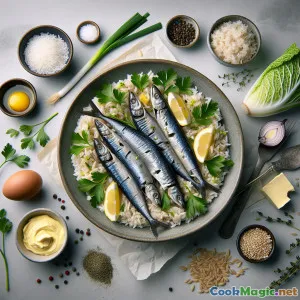
Ферментированные рыбные рисовые конверты: Рустикальное английское удовольствие
(Fermented Fish Rice Parcels: A Rustic English Delight)
(0 Обзоры)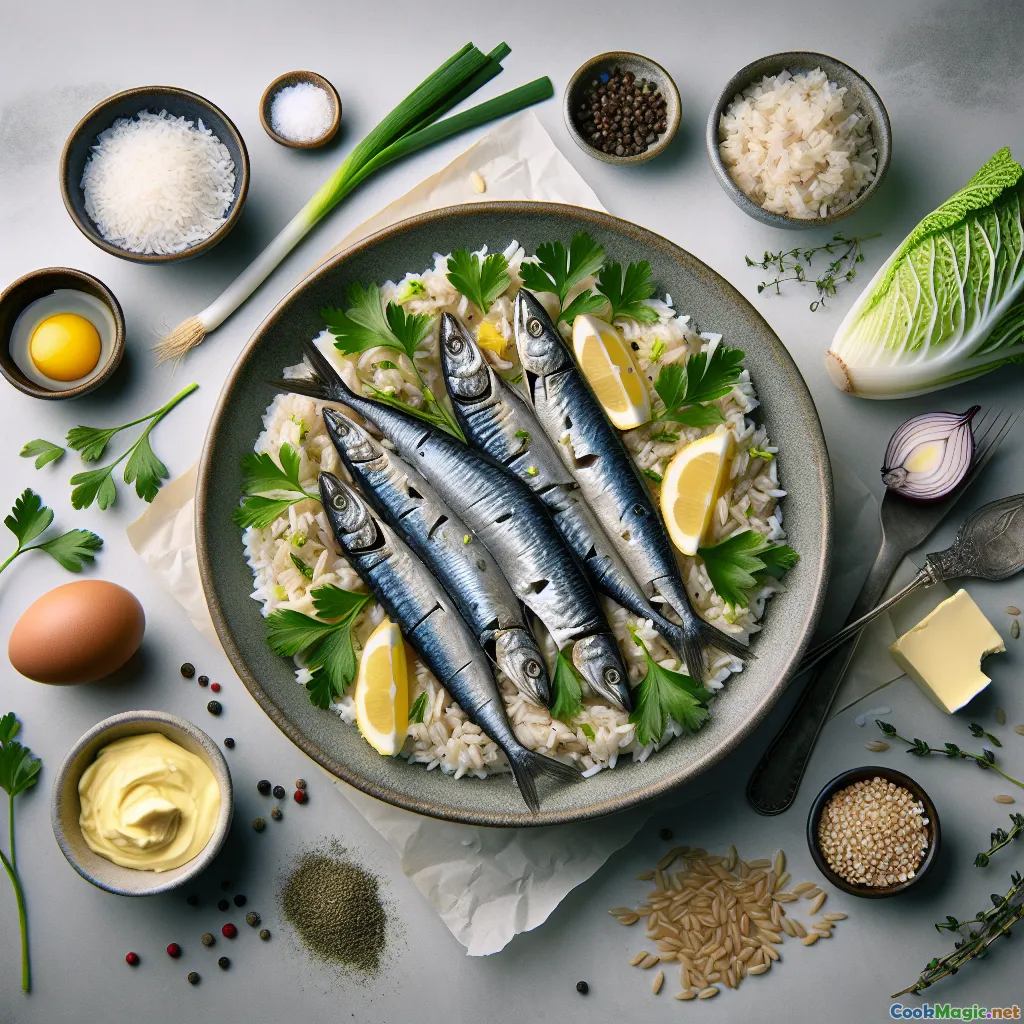
0
976
июль 21, 2025
Сообщить о проблеме
Ингредиенты
-
80 grams Квашеная рыба, например, анчоусы или традиционный английский квашеный сельдь.
(Мелко нарезано, промыто для смягчения вкуса.)
-
200 grams Рис Жасмин
(Короткозерный рис, выращиваемый в Англии, если возможно.)
-
30 grams Свежая петрушка
(Мелко нарезанный)
-
2 whole Зеленый лук
(Тонко нарезанный)
-
1 tbsp Цедра лимона
(Из органического лимона)
-
1 tsp Разбитый черный перец
-
1 large Яйцо
(Для связывания)
-
8 whole Листья капусты
(Савойская капуста предпочтительна, бланширована для податливости.)
-
30 grams Масло
(Без соли)
-
2 tsp Английская горчица
-
50 grams Перловая ячмень
(Добавляет деревенскую жевательную текстуру; можно опустить.)
-
1 tbsp Свежие листья тимьяна
(Для тонкого травяного вкуса)
-
1 tsp Морская соль
(По вкусу)
(Мелко нарезано, промыто для смягчения вкуса.)
(Короткозерный рис, выращиваемый в Англии, если возможно.)
(Мелко нарезанный)
(Тонко нарезанный)
(Из органического лимона)
(Для связывания)
(Савойская капуста предпочтительна, бланширована для податливости.)
(Без соли)
(Добавляет деревенскую жевательную текстуру; можно опустить.)
(Для тонкого травяного вкуса)
(По вкусу)
Питательная ценность
- Порции: 4
- Размер порции: 1 пакет (220 г)
- Calories: 382 kcal
- Carbohydrates: 49 g
- Protein: 12 g
- Fat: 13 g
- Fiber: 5 g
- Sugar: 4 g
- Sodium: 890 mg
- Cholesterol: 100 mg
- Calcium: 90 mg
- Iron: 3.2 mg
Инструкции
-
1 - Приготовьте базу начинки:
Промойте рис (и по желанию ячмень) до того, как вода станет прозрачной. В средней кастрюле варите рис и ячмень с 300 мл воды и щепоткой соли. Как только они сварятся и вода впитается, дайте им немного остыть до едва тёплого состояния и аккуратно распушите вилкой.
-
2 - Бланшировать листья капусты:
Тем временем доведите до кипения большую кастрюлю подсоленной воды. Бланшируйте листья капусты 1-2 минуты до мягкости. Погружайте их в ледяную воду, чтобы сохранить цвет, слейте воду и тщательно обсушите на кухонной бумаге.
-
3 - Смешайте ингредиенты начинки:
Добавьте мелко нарезанную ферментированную рыбу, петрушку, зеленый лук, цедру лимона, грубо молотый черный перец и тимьян к охлажденному рису (и ячмень, если используете). Взбейте яйцо, затем вмешайте его, чтобы смесь связалась. При желании добавьте горчицу. Охладите смесь 10 минут.
-
4 - Собрать пакеты:
Разложите лист капусты плоско. При необходимости слегка подогрейте его в руках, если он жестковат. Поместите 1/8 начинки на корневой конец; согните стороны внутрь и плотно сверните. Свяжите зеленью лука-резанца или закрепите зубочисткой. Повторите для всех порций.
-
5 - Готовить конверты:
В большой сотейнике с крышкой растопите сливочное масло на среднем-низком огне. Поместите пакеты швом вниз. Накройте крышкой и готовьте на пару на слабом огне 15 минут, при необходимости добавьте немного воды. Снимите крышку на последние 5 минут, чтобы придать нежный цвет.
-
6 - Подача:
Разложите тёплые конверты по тарелкам. Полейте их кулинарным маслом или подайте с кремовым соусом с горчицей. Украсьте петрушкой и добавьте цедру лимона.
Промойте рис (и по желанию ячмень) до того, как вода станет прозрачной. В средней кастрюле варите рис и ячмень с 300 мл воды и щепоткой соли. Как только они сварятся и вода впитается, дайте им немного остыть до едва тёплого состояния и аккуратно распушите вилкой.
Тем временем доведите до кипения большую кастрюлю подсоленной воды. Бланшируйте листья капусты 1-2 минуты до мягкости. Погружайте их в ледяную воду, чтобы сохранить цвет, слейте воду и тщательно обсушите на кухонной бумаге.
Добавьте мелко нарезанную ферментированную рыбу, петрушку, зеленый лук, цедру лимона, грубо молотый черный перец и тимьян к охлажденному рису (и ячмень, если используете). Взбейте яйцо, затем вмешайте его, чтобы смесь связалась. При желании добавьте горчицу. Охладите смесь 10 минут.
Разложите лист капусты плоско. При необходимости слегка подогрейте его в руках, если он жестковат. Поместите 1/8 начинки на корневой конец; согните стороны внутрь и плотно сверните. Свяжите зеленью лука-резанца или закрепите зубочисткой. Повторите для всех порций.
В большой сотейнике с крышкой растопите сливочное масло на среднем-низком огне. Поместите пакеты швом вниз. Накройте крышкой и готовьте на пару на слабом огне 15 минут, при необходимости добавьте немного воды. Снимите крышку на последние 5 минут, чтобы придать нежный цвет.
Разложите тёплые конверты по тарелкам. Полейте их кулинарным маслом или подайте с кремовым соусом с горчицей. Украсьте петрушкой и добавьте цедру лимона.
Подробнее о: Ферментированные рыбные рисовые конверты: Рустикальное английское удовольствие
Fermented Fish Rice Parcels: History, Culture, and Unique Aspects
Fermented Fish Rice Parcels encapsulate the fingertips of culinary innovation within British cuisine, demonstrating both a respect for tradition and an embrace of new taste adventures. Historically, British coastal living involved fervent use of preserved fish, not only for flavor but for nutritional preservation and economic necessity. Rich ocean harvests, especially in areas like Yorkshire and Northumbria, saw dishes like kippers and jellied eels employing fermentation and curing for year-round use. With global conversations on probiotics and gut health invigorating interest in fermented foods, this updated take honors tradition while introducing rustic-modern appeal.
Historical Roots and Reinvention
Fermented fish has been an undeniable part of British and Northern European diets for centuries—think cured herring, anchovy pastes, and 'gentlemen's relish.' However, rarely was this mainstay blended into a delicate, plant-clad parcel with herbed rice, suggesting innovation that aligns with both the forager’s soul and the urban gourmand. By turning to the humble cabbage leaf, redolent of Victorian kitchens, and merging its use as a natural wrapper, this recipe gracefully bridges practicality and subtle aesthetics.
Health Benefits and Probiotic Appeal
Aside from storied roots, this recipe boasts healthful advantages. Fermentation introduces beneficial microbes, vital for digestion and overall wellness. Partnered with fiber-dense rice and barley–components also nostalgic in the English context—this meal serves as a balanced plate, fusing high protein, metabolism-bolstering grains, vibrant greens, and zesty aromatics. Each parcel, while visually appealing, supplies both comfort and nutrient density. An optional spoonful of English mustard drives even greater complexity and savor.
Making the Recipe Vegan or Adaptable
For those preferring plant-only variations, use fermented tofu or Tempeh, or turn to miso-marinated mushrooms for that oceanic, umami resonance. Swap egg with soaked flaxseed for binding and use olive oil in place of butter.
Home Cook Tips and Technical Secrets
The biggest secret behind this dish’s allure is temperature management and patience. Cool rice before combining with fish, as heat can dull the fermentation’s fragrant notes and risks overcooking the egg binder. Blanch shredded cabbage very briefly—overcooking transforms crisp leaves into mulch. Try massaging the leaf with lemon juice to soften if texture proves too sturdy. Bundle filling tightly for a robust outer jacket; serve as soon as possible while warm, when the aromatic compounds waft their earthy sweetness.
Cultural Significance in Modern Context
In an era dominated by speedy takeaway fare, Fermented Fish Rice Parcels encourage diners to pause for artisanal skill–wrapping, rolling, steaming–even if made ahead for convenience. They can become magnificent starters or part of a vibrant sharing plate for guests. For supper clubs leaning on reinvented British classics, this recipe offers authenticity and a tongue-tingling adventure.
Chef 's Thoughts & Final Garnishes
Chefs inspired by 'nose-to-tail' or 'root-to-leaf' ideologies will revel in this creation—where off-cut leaves, seasonal British grains, and pantry curios like historic fish preserves find a delicious, beautiful use. The interplay between briny fish and verdant herbs is reminiscent of the bracing sea air swirling through wild meadows. Its unmistakable aroma and umami-laden profile promise to stretch the imagination well beyond standard English comfort foods.
Celebrate the journey of preserved fish anew, with delicate hands converting humble Scriptural inspiration into edible artwork for the dinner table. Forged through memory and technique, this dish is set to enthrall contemporary and traditional palates alike.