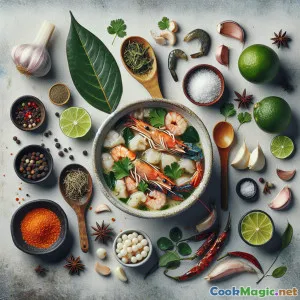
Tacacá das Águas: Amazonijska zupa z krewetkami w nowoczesnym wydaniu
(Tacacá das Águas: Amazonian Shrimp Soup Twist)
(0 Recenzje)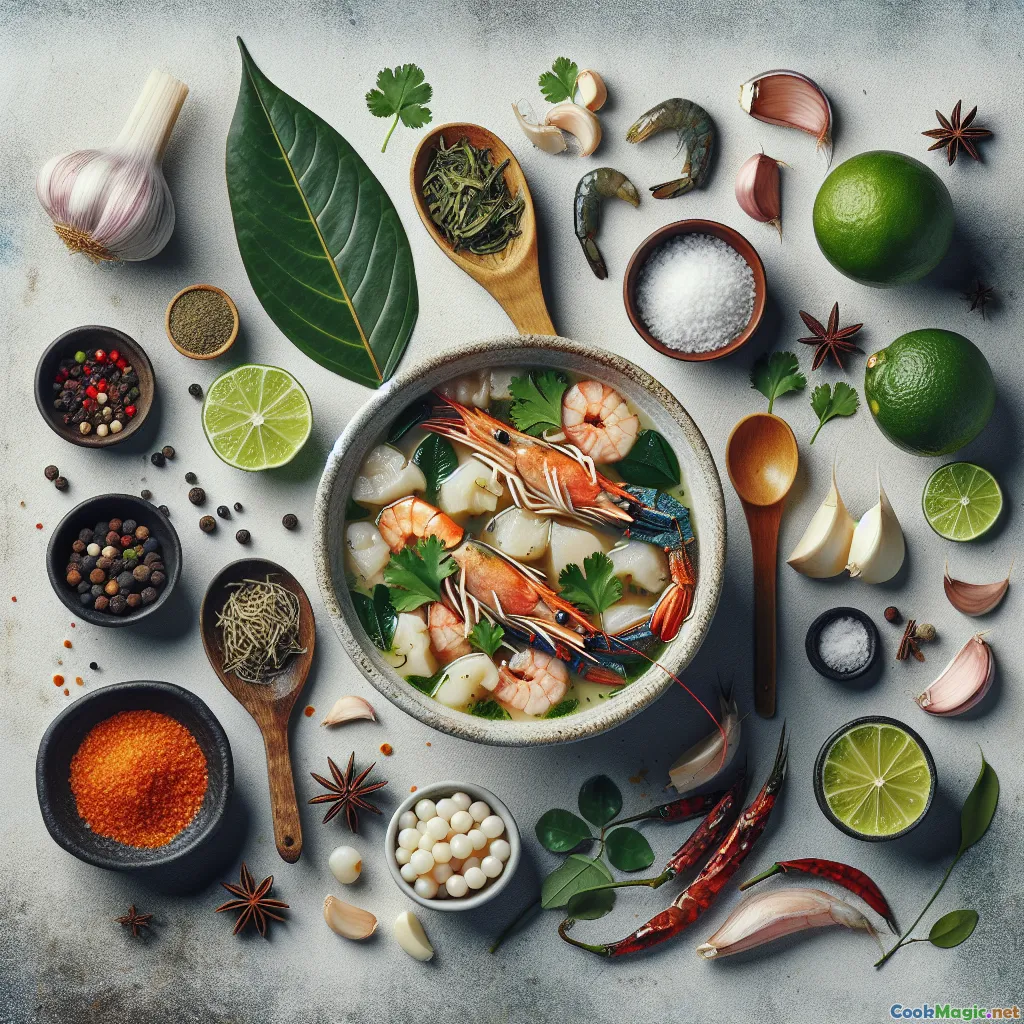
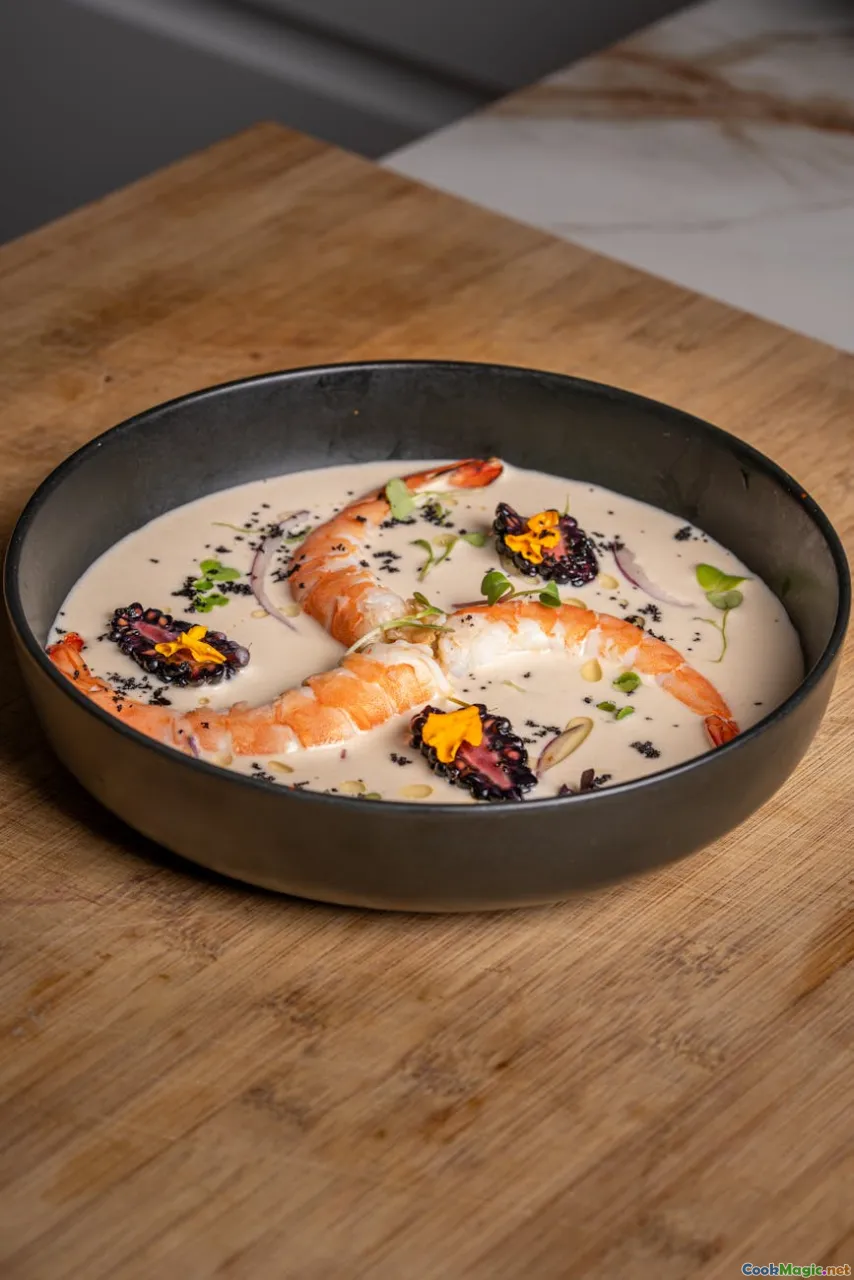
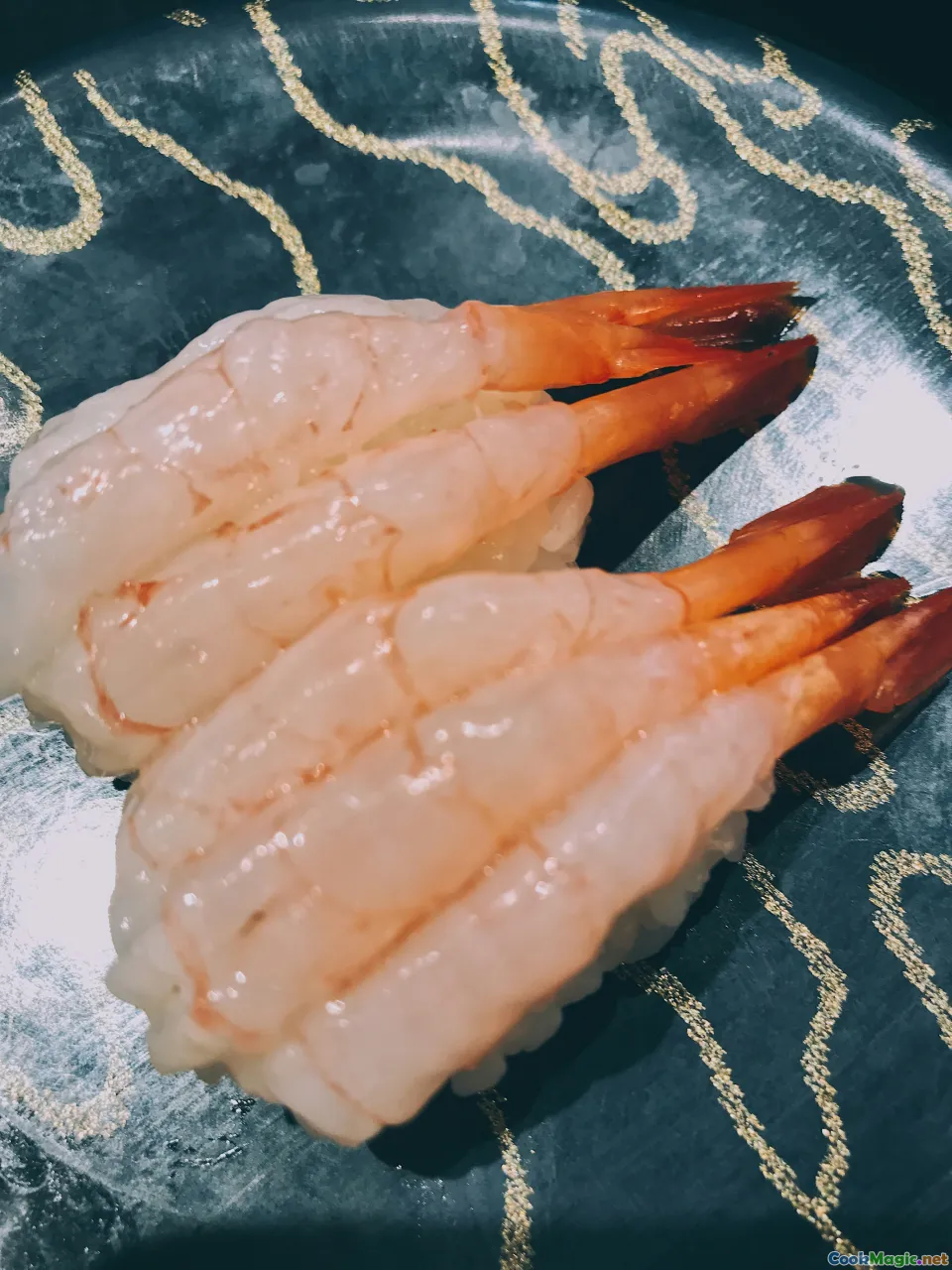
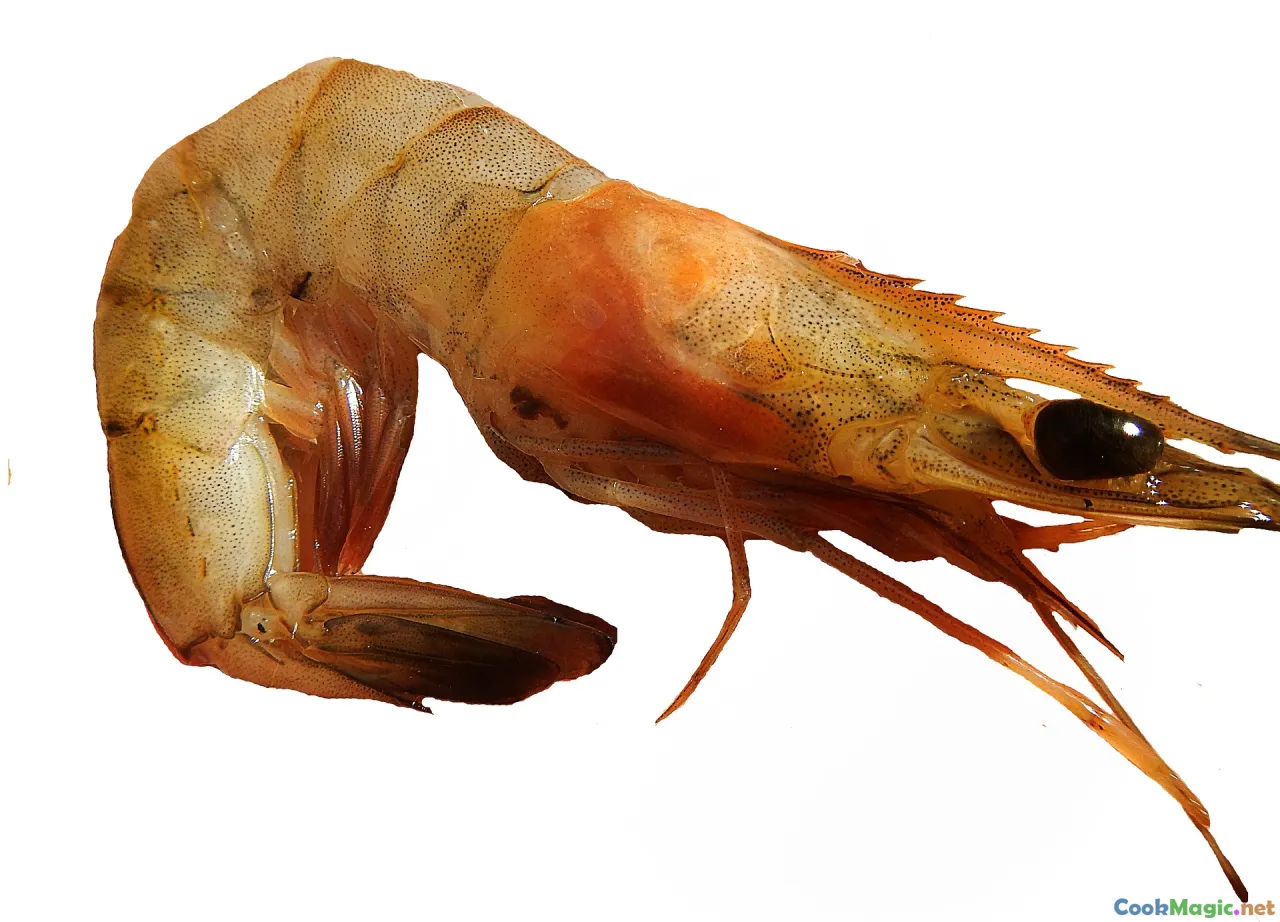
0
985
lipiec 21, 2025
Zgłoś problem
Składniki
-
500 ml Tucupi
(Fermentowany żółty wywar z manioku (specjalność Amazonii); można go zastąpić bogatym bulionem warzywnym, dodając 1 łyżkę stołową soku z limonki i 1 łyżeczkę oleju annatto, jeśli tucupi nie jest dostępny.)
-
40 grams Liście jambu
(Liść amazoński o działaniu znieczulającym; zastąp świeżą roszponką wodną i kilkoma ziarnami pieprzu syczuańskiego dla efektu mrowienia, jeśli jambu nie jest dostępne.)
-
150 grams Duże słodkowodne lub rzeczne krewetki (ze skorupą)
(Duże krewetki w skorupce są idealne. Dokładnie oczyść je.)
-
2 tbsp Perły tapioki
(Małe perły tapioki, tradycyjnie dodawane tuż przed podaniem.)
-
2 medium Ząbki czosnku
(Drobno posiekany.)
-
1 small Suszone chili
(Użyj lokalnej brazylijskiej papryki chili lub zamień ją na ostrą papryczkę typu bird's eye.)
-
3 tbsp Kolendra
(Posiekany, a także odrobinę na dekorację.)
-
1 tsp Sól
(Do smaku.)
-
1/2 tsp Czarny pieprz
(Świeżo mielony)
-
1 tbsp Olej z dende (brazylijska palma)
(Dla koloru i złożonego aromatu; jeśli nie jest dostępny, zastąp go łagodnym olejem oliwowym.)
-
1/2 whole Limonka
(do wykończenia i dodatkowej kwasowości.)
(Fermentowany żółty wywar z manioku (specjalność Amazonii); można go zastąpić bogatym bulionem warzywnym, dodając 1 łyżkę stołową soku z limonki i 1 łyżeczkę oleju annatto, jeśli tucupi nie jest dostępny.)
(Liść amazoński o działaniu znieczulającym; zastąp świeżą roszponką wodną i kilkoma ziarnami pieprzu syczuańskiego dla efektu mrowienia, jeśli jambu nie jest dostępne.)
(Duże krewetki w skorupce są idealne. Dokładnie oczyść je.)
(Małe perły tapioki, tradycyjnie dodawane tuż przed podaniem.)
(Drobno posiekany.)
(Użyj lokalnej brazylijskiej papryki chili lub zamień ją na ostrą papryczkę typu bird's eye.)
(Posiekany, a także odrobinę na dekorację.)
(Do smaku.)
(Świeżo mielony)
(Dla koloru i złożonego aromatu; jeśli nie jest dostępny, zastąp go łagodnym olejem oliwowym.)
(do wykończenia i dodatkowej kwasowości.)
Wartości odżywcze
- Porcje: 2
- Wielkość porcji: 1 miska (350ml)
- Calories: 210 kcal
- Carbohydrates: 28 g
- Protein: 17 g
- Fat: 4 g
- Fiber: 2 g
- Sugar: 2 g
- Sodium: 970 mg
- Cholesterol: 105 mg
- Calcium: 95 mg
- Iron: 1.3 mg
Instrukcje
-
1 - Przygotowanie i czyszczenie:
Płucz liście jambu pod zimną wodą (lub zamień je na wodną rukiew). Umyj i obierz krewetki, pozostawiając ogony nienaruszone. Zgromadź wszystkie składniki i posiekaj aromaty.
-
2 - Gotuj bulion tucupi na małym ogniu.:
W średnim rondlu podgrzej tucupi z posiekanym czosnkiem, papryczką chili (jeśli używasz), szczyptą soli i olejem dendê. Duś na małym ogniu przez 10–12 minut, aż nabierze aromatu i nieco się zredukuje.
-
3 - Rozsmakuj się w krewetkach:
Dodaj krewetki i gotuj w gorącym bulionie przez około 3–4 minuty. Krewetki powinny nabrać intensywnie różowego koloru i nadawać bulionowi wyrazisty aromat.
-
4 - Zakończ danie zielenią i tapioką:
Wymieszaj jambu (lub substitut) i pozwól mu zwiędnąć na 2–3 minuty. Dodaj perły tapioki i gotuj na małym ogniu, aż staną się przezroczyste (5–7 minut). Dopraw solą i pieprzem, dodaj połowę posiekanej kolendry.
-
5 - Podawanie i Dekorowanie:
Podziel zupę na miseczki, upewniając się, że krewetki, zielone liście i tapioka są równomiernie rozmieszczone. Wyciśnij świeżą limonkę na każdą miseczkę i posyp dodatkową kolendrą, jeśli chcesz.
Płucz liście jambu pod zimną wodą (lub zamień je na wodną rukiew). Umyj i obierz krewetki, pozostawiając ogony nienaruszone. Zgromadź wszystkie składniki i posiekaj aromaty.
W średnim rondlu podgrzej tucupi z posiekanym czosnkiem, papryczką chili (jeśli używasz), szczyptą soli i olejem dendê. Duś na małym ogniu przez 10–12 minut, aż nabierze aromatu i nieco się zredukuje.
Dodaj krewetki i gotuj w gorącym bulionie przez około 3–4 minuty. Krewetki powinny nabrać intensywnie różowego koloru i nadawać bulionowi wyrazisty aromat.
Wymieszaj jambu (lub substitut) i pozwól mu zwiędnąć na 2–3 minuty. Dodaj perły tapioki i gotuj na małym ogniu, aż staną się przezroczyste (5–7 minut). Dopraw solą i pieprzem, dodaj połowę posiekanej kolendry.
Podziel zupę na miseczki, upewniając się, że krewetki, zielone liście i tapioka są równomiernie rozmieszczone. Wyciśnij świeżą limonkę na każdą miseczkę i posyp dodatkową kolendrą, jeśli chcesz.
Więcej o: Tacacá das Águas: Amazonijska zupa z krewetkami w nowoczesnym wydaniu
Tacacá das Águas do Amazonas: The Enchanting Bowl of the Rainforest
Tacacá das Águas do Amazonas is more than just soup; it's a vibrant embodiment of the wild, mysterious heart of Brazil. Rooted in Amazonian culture, tacacá is a street favorite in cities like Belém or Manaus, rarely seen outside these misty regions. Crafted for the adventurous palate, this recipe pays homage to ancient indigenous traditions while adapting for modern international kitchens. Let’s dive into the river of flavors behind this truly unique bowl.
Historical and Cultural Origin
Tacacá’s history is intimately tied with Amazonia’s indigenous peoples, especially the Pará and Amazonas states. Traditionally prepared in syncretic pots and eaten with a small spoon, tacacá brings together tucupi (the fermented yellow broth of wild manioc), jambu (a native herb with a gentle anesthetic property causing a unique numbing sensation), Amazon shrimp, and the tiny chewy addition of tapioca pearls. On Sts. Nazaré procession days, crowds line up for steaming bowls; for local families, Saturdays aren’t complete without it.
This "tacacá of the Amazon’s waters" nods to the mighty rivers crisscrossing the region: the shrimp represent bounty, tucupi is the current, and leafy jambu the surrounding evergreen forest. Finding true tucupi and jambu outside Brazil can be challenging, but resourceful swaps keep the Amazon spell alive.
Unique Ingredients and Modern Adaptations
The real soul of the dish lies in tucupi—an almost mystical, bright yellow broth extracted from the toxic wild manioc root, rendered edible by confounding biochemical alchemy (boiling, fermenting, and seasoning). Its flavor profile is at once vibrant, slightly sour, and powerfully umami. Meanwhile, jambu delivers a gentle, electric tingle; chefs prize it for its "music of the mouth." Even if these rare ingredients elude you, using a rich veggie broth, a splash of annatto or palm oil, and a little citrus zest captures the essence surprisingly well. For jambu, tingly Sichuan pepper with watercress gives both botanical and sensory magic.
Shrimp, ideally wild or river-caught, define the dish’s personality—succulent and sweet. Tapioca pearls add comforting body and visually charming surprise. Additions like dende oil, cilantro, and native Amazon chilis bring jungle depth you’ll never forget.
Kitchen Tips and Notes
- Handling tucupi: Always simmer for 10–15 minutes to eliminate residual toxins and develop full flavor. Commercially sold tucupi is pre-cooked and safe, but simmering is traditional and recommended.
- Numbing mystique: Don’t worry if jambu is inaccessible—occasionally world grocers carry it frozen. Otherwise, pair fresh watercress (peppery) with 3–4 crushed Sichuan peppercorns. Taste and adjust for balance; you want more tingle than burn.
- Shrimp selection: Use wild-caught when possible. Shell-on imparts best flavor as the exoskeleton influences the rich broth.
- Tapioca pearls: These are optional; soak beforehand if using large pearls, or use pre-cooked pearls to save time.
- Street style tradition: Locals serve tacacá in calabash bowls, sometimes eaten standing on bustling Amazon street corners. Pair with cassava “biju” or crunchy breadsticks for texture.
Personal Thoughts and Experience
The first bite of proper tacacá is invigorating: tangy-salty note balanced with numbing herbal blips and juicy, just-cooked shrimp. It’s surprising—even surreal—but ultimately comforting and deeply restorative, almost like an Amazonian miso. Every detail matters—the waft of dende oil, a hit of spice, a vibrant green in every spoonful.
Embarking on tacacá is more than prepping soup—it's channeling the mighty Amazon, the gentle resilience of its people, and the breathtaking bounty of rainforest rivers. Every cook who replicates this at home, even with smart substitutes, pays IMMEDIATE tribute to a little-known gem of world cuisine. Each time you share this remarkable recipe with friends, you share not just a food but a legacy of sustainable, indigenous, nourishing joy.
Bom apetite!