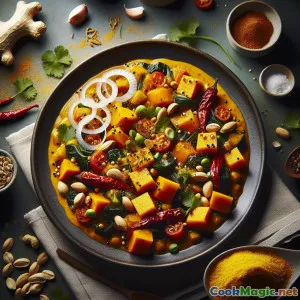
Tagine z ciecierzycy z marokańską chermoulą i suszonymi morelami
(Moroccan Chermoula Chickpea Tagine with Apricots)
(0 Recenzje)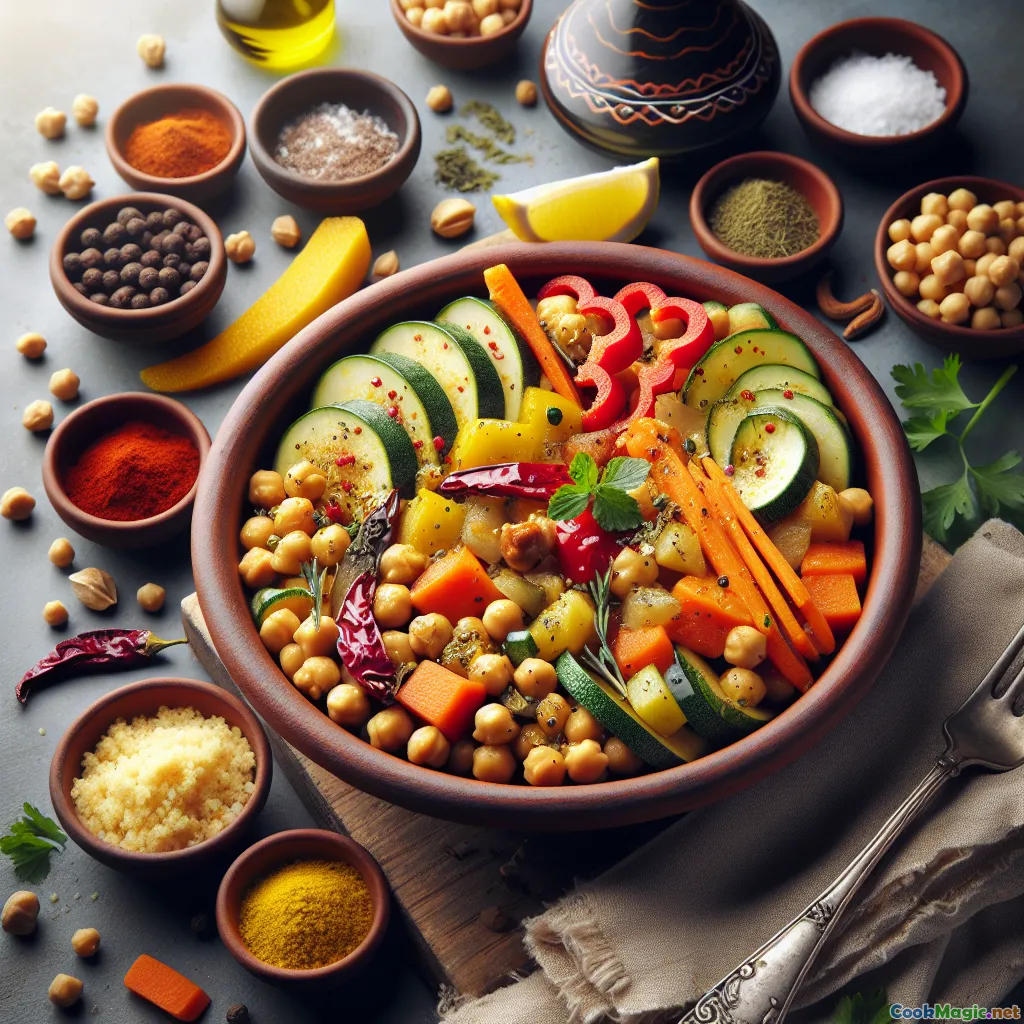
0
16
grudzień 31, 2025
Zgłoś problem
Składniki
-
500 grams ciecierzyca gotowana i odcedzona
(About two 400g cans, drained)
-
1 large Cebula żółta
(Drobno posiekany)
-
4 cloves Czosnek
(Mielony)
-
2 medium Marchewki
(Sliced 0.5 cm thick)
-
1 medium Czerwona papryka
(Pokrojone w cienkie paski)
-
1 medium Cukinia
(Cut into half-moons)
-
400 grams Pomidory miażdżone (w puszce)
(Or 2 ripe tomatoes, chopped)
-
4 tbsp Oliwa z oliwek extra virgin
(podzielony)
-
30 grams Świeże liście kolendry
(For chermoula)
-
20 grams Świeża natka pietruszki o płaskich liściach
(For chermoula)
-
2 tbsp Sok cytrynowy
(Świeżo wyciśnięty)
-
1 tbsp Skórka z marynowanej cytryny
(Finely chopped; sub 1 tsp zest + pinch salt)
-
2 tsp Kmin mielony
(For chermoula)
-
1.5 tsp Mielony kolendra
(For chermoula)
-
2 tsp Słodka papryka
(For chermoula)
-
0.5 tsp Kurkum
(Dodaje ciepło i kolor)
-
0.25 tsp Papryka cayenne
(Dostosuj do preferencji dotyczących temperatury)
-
0.5 tsp Papryka wędzona
(Adds depth; optional)
-
0.5 tsp Imbir mielony
(Traditional warming note)
-
1 piece Laska cynamonu
(Or 1/4 tsp ground cinnamon)
-
1 piece Liść laurowy
(Adds herbal depth)
-
500 ml Bulion warzywny o niskiej zawartości sodu
(Lub woda)
-
80 grams Wydrylowane zielone oliwki
(Such as Castelvetrano, halved)
-
60 grams Suszone morele
(Quartered; sub dates or raisins)
-
1 tsp Sól morska
(Plus more to taste)
-
0.5 tsp Czarny pieprz
(Świeżo mielony)
-
0.13 tsp Nici szafranu
(Pinch; bloom in warm broth)
-
30 grams Tostowane płatki migdałów
(Do dekoracji)
-
10 grams Świeża kolendra (ozdoba)
(Chopped leaves)
-
4 pieces Kliny cytryny
(Do podania)
-
4 cups ugotowany kuskus
(For serving; not included in nutrition)
(About two 400g cans, drained)
(Drobno posiekany)
(Mielony)
(Sliced 0.5 cm thick)
(Pokrojone w cienkie paski)
(Cut into half-moons)
(Or 2 ripe tomatoes, chopped)
(podzielony)
(For chermoula)
(For chermoula)
(Świeżo wyciśnięty)
(Finely chopped; sub 1 tsp zest + pinch salt)
(For chermoula)
(For chermoula)
(For chermoula)
(Dodaje ciepło i kolor)
(Dostosuj do preferencji dotyczących temperatury)
(Adds depth; optional)
(Traditional warming note)
(Or 1/4 tsp ground cinnamon)
(Adds herbal depth)
(Lub woda)
(Such as Castelvetrano, halved)
(Quartered; sub dates or raisins)
(Plus more to taste)
(Świeżo mielony)
(Pinch; bloom in warm broth)
(Do dekoracji)
(Chopped leaves)
(Do podania)
(For serving; not included in nutrition)
Wartości odżywcze
- Porcje: 4
- Wielkość porcji: 1 miska (350g)
- Calories: 460 kcal
- Carbohydrates: 0 g
- Protein: 14 g
- Fat: 16 g
- Fiber: 14 g
- Sugar: 13 g
- Sodium: 900 mg
- Cholesterol: 0 mg
- Calcium: 120 mg
- Iron: 4.5 mg
Instrukcje
-
1 - Blend the chermoula:
In a blender or mortar and pestle, combine cilantro, parsley, garlic, lemon juice, 3 tbsp olive oil, cumin, coriander, sweet paprika, smoked paprika (if using), cayenne, and a pinch of salt. Process into a loose paste; add 1–2 tsp water if needed. Set aside.
-
2 - Prep the Vegetables:
Chop onion, slice carrots and bell pepper, cut zucchini into half-moons, and quarter the apricots. Rinse and drain the chickpeas. Warm the broth; bloom saffron in 2 tbsp warm broth if using.
-
3 - Soften Aromatics:
Heat 1 tbsp olive oil in a tagine base or Dutch oven over medium heat. Add onion and carrots with a pinch of salt. Cook, stirring, until lightly translucent, 5–6 minutes. Stir in minced garlic for 30 seconds.
-
4 - Bloom dry spices:
Add turmeric, an extra pinch of cumin and coriander if desired, ginger, and the cinnamon stick. Stir for 30–60 seconds until fragrant to release essential oils.
-
5 - Build the Sauce:
Stir in crushed tomatoes, bay leaf, saffron (and its liquid), and the vegetable broth. Bring to a gentle simmer; adjust heat to maintain small bubbles.
-
6 - Simmer chickpeas and veg:
Add chickpeas, bell pepper, and zucchini. Cover and simmer until vegetables are just tender but not mushy, 12–16 minutes, stirring once or twice to prevent sticking.
-
7 - Infuse with chermoula:
Stir in half of the chermoula paste along with olives and apricots. Simmer uncovered 5–8 minutes to thicken and let flavors meld.
-
8 - Season and balance:
Taste and season with sea salt and black pepper. Add cayenne for heat if desired. If too thick, splash in broth; if thin, simmer a minute longer.
-
9 - Finish and Rest:
Turn off heat. Fold in remaining chermoula and preserved lemon peel for a fresh, citrusy lift. Let stand 2–3 minutes to settle flavors.
-
10 - Garnish and Serve:
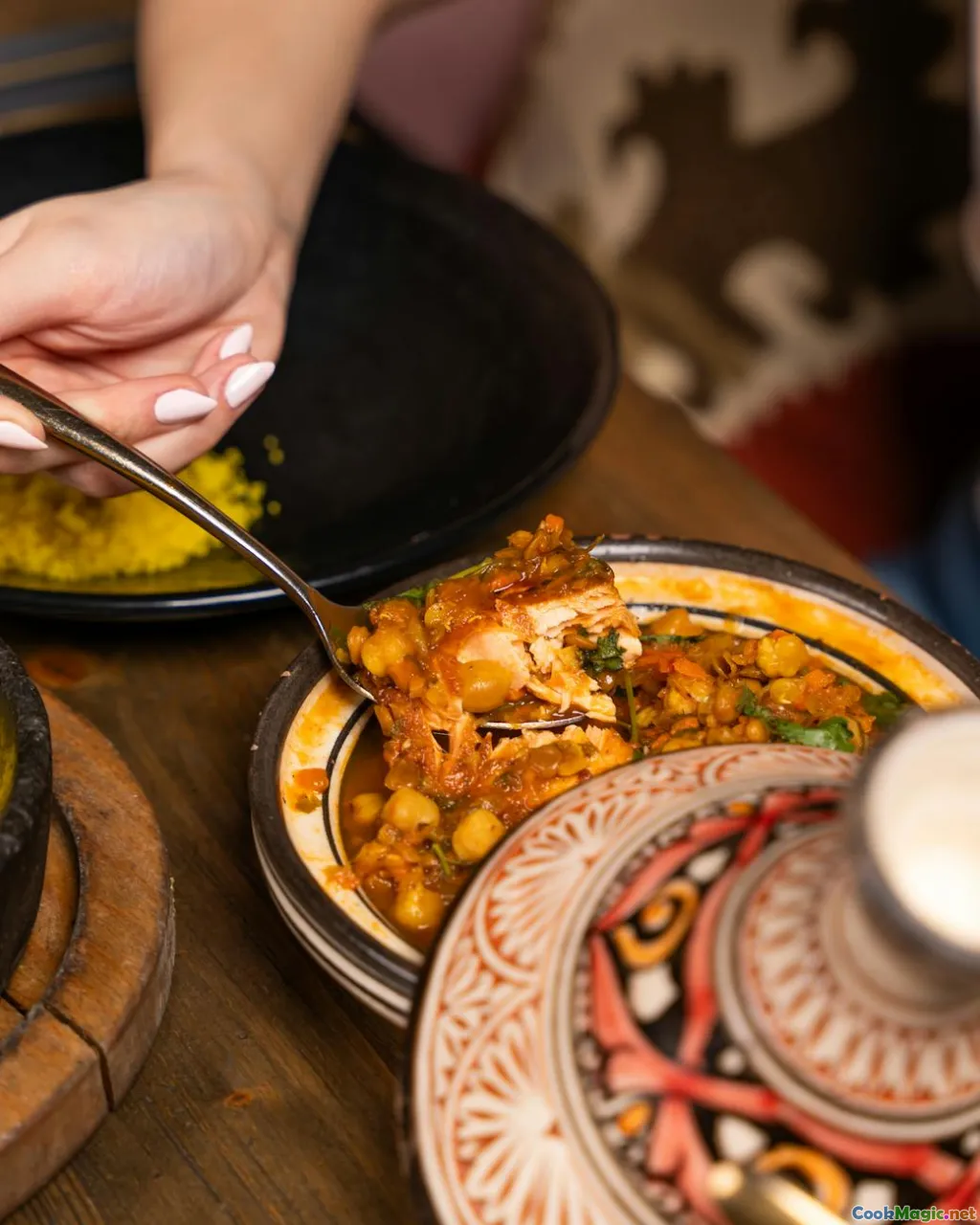
Spoon into warm bowls over couscous if using. Garnish with toasted almonds, chopped cilantro, and lemon wedges. Remove bay leaf and cinnamon before serving.
In a blender or mortar and pestle, combine cilantro, parsley, garlic, lemon juice, 3 tbsp olive oil, cumin, coriander, sweet paprika, smoked paprika (if using), cayenne, and a pinch of salt. Process into a loose paste; add 1–2 tsp water if needed. Set aside.
Chop onion, slice carrots and bell pepper, cut zucchini into half-moons, and quarter the apricots. Rinse and drain the chickpeas. Warm the broth; bloom saffron in 2 tbsp warm broth if using.
Heat 1 tbsp olive oil in a tagine base or Dutch oven over medium heat. Add onion and carrots with a pinch of salt. Cook, stirring, until lightly translucent, 5–6 minutes. Stir in minced garlic for 30 seconds.
Add turmeric, an extra pinch of cumin and coriander if desired, ginger, and the cinnamon stick. Stir for 30–60 seconds until fragrant to release essential oils.
Stir in crushed tomatoes, bay leaf, saffron (and its liquid), and the vegetable broth. Bring to a gentle simmer; adjust heat to maintain small bubbles.
Add chickpeas, bell pepper, and zucchini. Cover and simmer until vegetables are just tender but not mushy, 12–16 minutes, stirring once or twice to prevent sticking.
Stir in half of the chermoula paste along with olives and apricots. Simmer uncovered 5–8 minutes to thicken and let flavors meld.
Taste and season with sea salt and black pepper. Add cayenne for heat if desired. If too thick, splash in broth; if thin, simmer a minute longer.
Turn off heat. Fold in remaining chermoula and preserved lemon peel for a fresh, citrusy lift. Let stand 2–3 minutes to settle flavors.
Spoon into warm bowls over couscous if using. Garnish with toasted almonds, chopped cilantro, and lemon wedges. Remove bay leaf and cinnamon before serving.
Więcej o: Tagine z ciecierzycy z marokańską chermoulą i suszonymi morelami
Why this tagine stands out
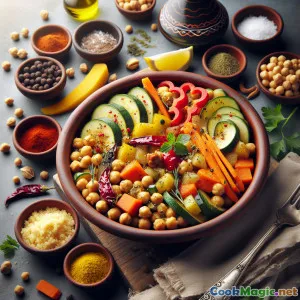
Moroccan Chermoula Chickpea Tagine is the weeknight-friendly way to bring the color and fragrance of a North African market into your kitchen. It uses a vibrant chermoula—an herb-and-spice paste—to perfume chickpeas and vegetables with layers of citrus, cumin, coriander, paprika, and garlic. Sweet apricots and briny green olives add the classic Moroccan balance of sweet, salty, and savory, while a whisper of preserved lemon finishes the dish with a sunny brightness.
Unlike many long-simmered stews, this tagine is intentionally fresh and quick. The trick is using chermoula two ways: first simmered in the pot to infuse the sauce, then folded in at the end to add a top note of raw, zesty herbs. The result is a sauce with depth that still tastes alive.
A short history and cultural context
Tagines are named for the conical, earthenware vessels that have cooked meals across Morocco for centuries. The shape traps steam, basting ingredients and concentrating flavor at gentle heat. Chermoula historically served as a marinade for fish along the Atlantic coast, but its family of variations—some with preserved lemon, some with chilies, some with saffron—travels across Morocco and neighboring North African countries. Today, cooks apply chermoula not only to seafood but also to vegetables, legumes, and poultry. This chickpea version reflects a home-style approach that’s both budget-friendly and celebratory; it’s just as fitting for a weeknight dinner as for a shared table with friends.
Ingredient notes and smart swaps
- Chickpeas: If cooking from dry, use 250 g dried (soaked overnight, cooked until tender). The texture is exceptional. Canned chickpeas keep it fast and reliable.
- Preserved lemon: A little goes a long way. If you don’t have it, use fresh lemon zest and a pinch of extra salt. For a bolder citrus note, add a squeeze of lemon right before serving.
- Olives: Meaty green olives like Castelvetrano are classic; rinse lightly if very salty.
- Dried fruit: Apricots lend a gentle tart-sweetness. Dates or golden raisins work, too—dice to keep bites balanced.
- Spices: A cinnamon stick, saffron, and ginger are optional but add warmth and perfume. Skip none of the cumin or paprika; they define the profile.
- Fat choice: Extra-virgin olive oil is traditional and flavorful. For an even leaner dish, reduce to 2 tbsp and add a splash of broth as needed to sauté.
Technique tips for success
- Bloom the spices: That quick minute of toasting in oil unlocks aroma and prevents a raw spice taste.
- Two-stage chermoula: Half in the pot to mingle with tomatoes and broth; half off the heat to keep the green, lemony top notes.
- Gentle simmer: A tagine is more about coaxing than boiling. Keep the surface lazily bubbling so vegetables stay intact.
- Balance at the end: Taste for salt, acidity, sweetness, and heat. A squeeze of lemon brightens; an extra apricot sweetens; a pinch of cayenne wakes it up.
Make-ahead, storage, and reheating
This tagine tastes even better on day two as the chickpeas absorb more flavor. Refrigerate up to 4 days or freeze up to 2 months (without the fresh herb finish). Reheat gently, then stir in a spoonful of fresh chermoula or chopped herbs and a squeeze of lemon to revive the brightness.
Serving suggestions
- Spoon over fluffy couscous, steamed barley, or herbed quinoa for a gluten-free pairing.
- Add a crunchy side: shaved fennel and orange salad, or simply cucumbers with mint and olive oil.
- Bread for scooping: khobz (Moroccan bread) or warm flatbreads.
Variations to try
- Roasted vegetable twist: Roast the carrots, zucchini, and peppers at high heat until caramelized, then fold into the sauce for deeper flavor.
- Smoky harissa: Stir 1–2 tsp harissa paste with the tomatoes for a gentle, smoky heat.
- Green tagine: Swap paprika for more coriander and add a handful of spinach at the end for a greener profile.
- Protein add-ins: For a non-vegan option, add seared chicken thighs and extend simmering until tender; or keep it vegan with cubes of roasted eggplant.
Practical notes and troubleshooting
- Too thin? Simmer uncovered to reduce, or mash a few chickpeas in the pot to thicken naturally.
- Too salty? Add a splash of water, a diced tomato, or a small peeled potato to absorb salt (remove before serving).
- Too sweet from apricots? Balance with extra lemon juice and a few more olives.
- No tagine pot? A heavy, wide Dutch oven with a tight lid mimics the gentle environment.
Personal touch
What I love about this recipe is how it captures the Moroccan idea of harmony—high notes of herbs and lemon, grounding bass from cumin and chickpeas, and a sweet-salty counterpoint from apricots and olives. It’s an everyday dish that still feels special, aromatic enough to gather people around the table, yet easy enough to pull off on a busy weeknight. Once you taste the effect of the two-stage chermoula, you’ll likely keep a jar of the sauce on hand for drizzling over roasted vegetables, grilled fish, or even a simple bowl of rice. That’s the quiet magic of this tagine: a pantry of humble ingredients singing in chorus.