Orzeźwiający śródziemnomorski cooler z ogórka i grejpfruta
(Mediterranean Cucumber Grapefruit Cooler)
(0 Recenzje)

0
145
grudzień 16, 2025
Zgłoś problem
Składniki
-
150 grams Ogórek angielski, pokrojony w cienkie plastry
(Peel if waxed; reserve a few slices for garnish)
-
240 ml Świeży różowy sok z grejpfruta
(About 2 medium grapefruits)
-
30 ml Świeży Sok Cytrynowy
(Balances sweetness and enhances cucumber aroma)
-
30 ml Miód tymiankowy (lub zwykły miód)
(Mediterranean character; adjust to taste)
-
5 ml Oliwa z oliwek extra virgin
(A subtle drizzle mellows grapefruit bitterness)
-
1 pinch Sól morska
(Draws out cucumber juice and brightens flavors)
-
10 leaves Świeże Liście Mięty
(Dodatkowe gałązki do dekoracji)
-
360 ml Woda gazowana, dobrze schłodzona
(Choose a neutral mineral water)
-
2 cups Kruszony Lód
(For building the drink)
-
1 tsp Skórka z grejpfruta
(Adds fragrant oils; optional garnish infusion)
-
5 ml Biały ocet balsamiczny lub verjuice
(Optional acidity lift with a soft, fruity tang)
-
60 ml Gin lub ouzo (dla wersji alkoholowej)
(Optional: 30 ml per glass)
(Peel if waxed; reserve a few slices for garnish)
(About 2 medium grapefruits)
(Balances sweetness and enhances cucumber aroma)
(Mediterranean character; adjust to taste)
(A subtle drizzle mellows grapefruit bitterness)
(Draws out cucumber juice and brightens flavors)
(Dodatkowe gałązki do dekoracji)
(Choose a neutral mineral water)
(For building the drink)
(Adds fragrant oils; optional garnish infusion)
(Optional acidity lift with a soft, fruity tang)
(Optional: 30 ml per glass)
Wartości odżywcze
- Porcje: 2
- Wielkość porcji: Wysoki szklanka (350 ml)
- Calories: 300 kcal
- Carbohydrates: 64 g
- Protein: 2 g
- Fat: 5 g
- Fiber: 2 g
- Sugar: 56 g
- Sodium: 150 mg
- Cholesterol: 0 mg
- Calcium: 80 mg
- Iron: 0.7 mg
Instrukcje
-
1 - Muddle cucumber, mint, and honey:
In a chilled mixing jug, add cucumber slices, mint leaves, honey, and a pinch of sea salt. Gently muddle until cucumbers release juice and mint smells fragrant.
-
2 - Add citrus and olive oil:
Pour in grapefruit juice and lemon juice. Add the olive oil and white balsamic (if using). Stir briskly to emulsify slightly and integrate flavors.
-
3 - Optional chill and strain:
Let the mixture rest on ice for 5 minutes to meld. Fine-strain into a small pitcher for a silky finish, or leave pulpy for rustic texture.
-
4 - Build the cooler:
Fill two tall glasses with crushed ice. If making the spirited version, add 30 ml gin or ouzo to each. Divide the cucumber–grapefruit mixture between glasses and top with sparkling water.
-
5 - Garnish and Serve:
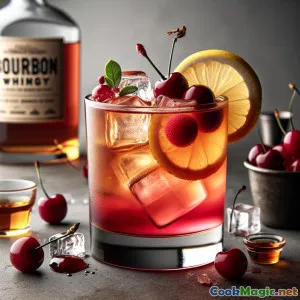
Twist grapefruit zest over each glass to express oils, then drop in. Garnish with cucumber slices and a mint sprig. Give a gentle stir and serve immediately.
In a chilled mixing jug, add cucumber slices, mint leaves, honey, and a pinch of sea salt. Gently muddle until cucumbers release juice and mint smells fragrant.
Pour in grapefruit juice and lemon juice. Add the olive oil and white balsamic (if using). Stir briskly to emulsify slightly and integrate flavors.
Let the mixture rest on ice for 5 minutes to meld. Fine-strain into a small pitcher for a silky finish, or leave pulpy for rustic texture.
Fill two tall glasses with crushed ice. If making the spirited version, add 30 ml gin or ouzo to each. Divide the cucumber–grapefruit mixture between glasses and top with sparkling water.
Twist grapefruit zest over each glass to express oils, then drop in. Garnish with cucumber slices and a mint sprig. Give a gentle stir and serve immediately.
Więcej o: Orzeźwiający śródziemnomorski cooler z ogórka i grejpfruta
Overview This Mediterranean Cucumber Grapefruit Cooler captures the breezy character of coastal afternoons: bright citrus, herbal coolness, and a delicate whisper of olive groves carried on the wind. It’s a sparkling, non-alcoholic base that can be easily converted into a light cocktail, making it equally at home at a sun-drenched lunch or an evening aperitivo. The drink marries cucumber’s crisp freshness with pink grapefruit’s bittersweet tang. A touch of thyme honey evokes Mediterranean apiaries, while a restrained drizzle of extra-virgin olive oil softens grapefruit’s bitter edge and adds a luxurious, almost silky roundness.
Why this works
- Cucumber and mint: Chlorophyll-rich, cooling flavors that define summer drinks in Greece and across the Levant. Muddling with a pinch of sea salt extracts vivid cucumber juice without harshness.
- Grapefruit and lemon: Layered acidity—grapefruit for complexity, lemon for brightness—keeps the drink lively rather than cloying.
- Thyme honey: A classic Mediterranean sweetener that contributes floral notes and subtle savory depth distinct from plain sugar.
- Extra-virgin olive oil: Just a splash lends texture and a soft, peppery aroma. Think of it like a seasoning—meant to round corners, not dominate. When stirred vigorously, it lightly emulsifies with citrus for a supple mouthfeel.
- Sparkling water: Provides lift and refreshment without masking the core flavors.
Technique tips
- Muddling: Use light pressure. The goal is to bruise cucumber and mint, not shred them. Over-muddling can produce bitterness from mint stems. If you don’t have a muddler, the back of a wooden spoon works.
- Emulsification: Add olive oil after citrus, then stir briskly. You don’t need a shaker; a few energetic stirs give the cooler a satiny feel.
- Strain or not: Straining yields a refined, see-through drink perfect for elegant glassware. Leaving the pulp creates a rustic, spa-water vibe with extra cucumber aroma. Both are valid; choose based on presentation.
- Balance: Grapefruits vary. If your juice is very bitter, add 5–10 ml more honey or 5 ml white balsamic/verjuice to introduce a rounded acidity that tames pithiness.
- Chilling: Cold heightens sparkle and suppresses bitterness. Chill the glasses and sparkling water for best results.
Make it your own
- Herbal swaps: Basil or lemon verbena are wonderful alternatives to mint. Keep quantities similar to avoid overpowering the citrus.
- Sweetener variations: Agave syrup keeps a lighter profile; date syrup adds caramel tones; a rosemary-infused simple syrup leans savory.
- Citrus shifts: Replace half the grapefruit with blood orange for a softer, ruby-hued cooler.
- Spirit options: If you choose to spike it, gin emphasizes the botanical path; ouzo invites an anise bridge to the Mediterranean. Vodka keeps it neutral.
- Salinity: A tiny pinch of flaky sea salt widens flavors the way it does in food, making sweetness seem truer and citrus more vivid.
Serving and pairing Serve in tall, chilled highballs piled with crushed ice. Garnish with a cucumber ribbon and a mint sprig to release aromatic oils with each sip. Pair with mezze: grilled halloumi, olives, dolmades, or a tomato-caper salad. The drink’s crispness refreshes between salty or charred bites, and its herbal accents mingle beautifully with oregano, thyme, and lemon-centric dishes.
Cultural notes and inspiration Citrus and herbs are the backbone of Mediterranean refreshment. From Greek soumada and lemonades to Spanish bitters and Italian agrumi highballs, bright, palate-awakening beverages are a centuries-old answer to hot climates. Cucumber has long found its way into regional salads and chilled soups; translating it into a sparkling refresher feels natural. The restrained use of olive oil honors its ceremonial place in Mediterranean life—it seasons, enriches, and symbolizes hospitality—while offering an unexpectedly modern texture to the cooler.
Sustainability and sourcing Choose seasonal, thin-skinned cucumbers for peak flavor and minimal bitterness. Use local grapefruit when available, or seek out juice with no added sugar. Thyme honey is often produced by small Mediterranean beekeepers; if you can find a jar, the flavor difference is worth it. As always, cold-pressed extra-virgin olive oil from a trusted source will shine even in small quantities.
Troubleshooting
- Too bitter? Reduce grapefruit pith contact when juicing; add a bit more honey or include the optional white balsamic for a rounder profile.
- Too sweet? Increase lemon by 5–10 ml or lengthen with more sparkling water.
- Not aromatic enough? Smack mint sprigs between your palms to release oils before garnishing, and twist the grapefruit zest directly over the glass to express its fragrance.
Final thoughts This cooler is simple yet layered, grounding spa-like freshness in the culinary language of the Mediterranean. It invites play and precision alike: a few thoughtful touches—salt, honey, olive oil—turn a straightforward citrus spritz into something quietly memorable, the kind of drink you can serve at a casual lunch or as a signature welcome at a summer gathering.