Garnek Zbiorczy Matooke: Gulasz z Ugandy z bananów
(Matooke Harvest Pot: Ugandan Plantain Stew)
(0 Recenzje)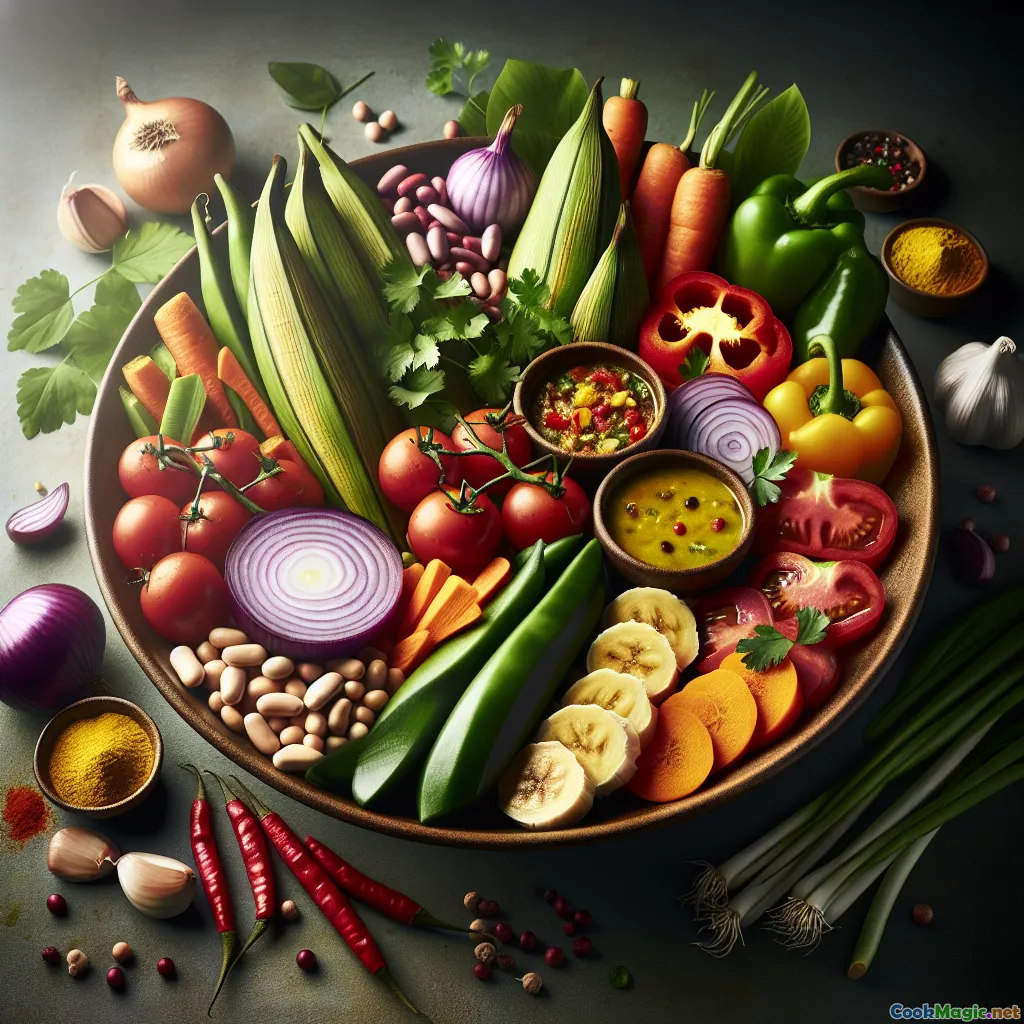

0
1,134
lipiec 13, 2025
Zgłoś problem
Składniki
-
6 large Matooke (zielone banany do gotowania)
(Obierz i pokrój na grube plasterki)
-
3 medium Pomidory
(W kostkę)
-
1 large Cebula czerwona
(Drobno posiekany)
-
2 medium Marchewki
(Pokrojony w plastry)
-
1 large Słodka papryka (papryka bell)
(Nasiona i pokrojone w kostkę)
-
1 tbsp Świeży imbir
(Tarty)
-
3 cloves Czosnek
(Mielony)
-
1/4 cup Świeża kolendra (cilantro)
(Posiekany, do dekoracji)
-
2 tsp Proszek curry
(Łagodny lub pikantny, według smaku)
-
2 tbsp Olej roślinny
(Preferowany olej słonecznikowy lub rzepakowy)
-
700 ml Bulion Warzywny
(Można zastąpić bulion z kurczaka bulionem niespożywczym)
-
1/2 tsp Mielony kurkuma
(Dla koloru i łagodnego ziemistego smaku)
-
1 tsp Sól
(Do smaku)
-
1/2 tsp Czarny pieprz
(Świeżo zmielone lub do smaku)
-
1 tbsp Sok cytrynowy
(Dodane przed podaniem)
-
200 grams Fasola (czerwona lub masłowa)
(Ugotowane, dla dodatkowego białka)
(Obierz i pokrój na grube plasterki)
(W kostkę)
(Drobno posiekany)
(Pokrojony w plastry)
(Nasiona i pokrojone w kostkę)
(Tarty)
(Mielony)
(Posiekany, do dekoracji)
(Łagodny lub pikantny, według smaku)
(Preferowany olej słonecznikowy lub rzepakowy)
(Można zastąpić bulion z kurczaka bulionem niespożywczym)
(Dla koloru i łagodnego ziemistego smaku)
(Do smaku)
(Świeżo zmielone lub do smaku)
(Dodane przed podaniem)
(Ugotowane, dla dodatkowego białka)
Wartości odżywcze
- Porcje: 4
- Wielkość porcji: 1 miska (około 350 g)
- Calories: 350 kcal
- Carbohydrates: 65 g
- Protein: 7 g
- Fat: 7 g
- Fiber: 10 g
- Sugar: 15 g
- Sodium: 760 mg
- Cholesterol: 0 mg
- Calcium: 75 mg
- Iron: 1.8 mg
Instrukcje
-
1 - Przygotuj składniki:
Dokładnie obierz matooke, pokrój na grube plasterki i odstaw w wodzie (aby zapobiec ciemnieniu). Posiekaj wszystkie warzywa i wypłucz fasolę, jeśli jej używasz.
-
2 - Smażyć Aromaty:
Podgrzej olej roślinny w dużym garnku na średnim ogniu. Dodaj cebulę i smaż, aż stanie się przezroczysta, następnie dodaj czosnek i imbir na 1 minutę, aż zaczną pachnieć.
-
3 - Rozwijanie smaku:
Dodaj proszek curry, kurkumę (jeśli używasz) i czarny pieprz do mieszanki cebuli, mieszając przez kolejną minutę, aby uwolnić smaki.
-
4 - Dodaj warzywa:
Dodaj pokrojone w kostkę pomidory, słodką paprykę i marchewki. Smaż, aż pomidory zmiękną, a mieszanka zgęstnieje, około 5–7 minut.
-
5 - Duszone z Matooke:
Dodaj pokrojonego matooke i wymieszaj, aby pokryć go bazą smakową. Wlej bulion warzywny, dodaj fasolę (jeśli używasz) i doprowadź do delikatnego wrzenia. Gotuj bez przykrycia na średnio-niskim ogniu, od czasu do czasu mieszając, aż matooke będzie miękkie do nakłucia widelcem, a gulasz zgęstnieje.
-
6 - Doprawić i Podawać:
Spróbuj i dopraw solą. W razie potrzeby dodaj sok z cytryny. Udekoruj świeżą kolendrą i podawaj na ciepło.
Dokładnie obierz matooke, pokrój na grube plasterki i odstaw w wodzie (aby zapobiec ciemnieniu). Posiekaj wszystkie warzywa i wypłucz fasolę, jeśli jej używasz.
Podgrzej olej roślinny w dużym garnku na średnim ogniu. Dodaj cebulę i smaż, aż stanie się przezroczysta, następnie dodaj czosnek i imbir na 1 minutę, aż zaczną pachnieć.
Dodaj proszek curry, kurkumę (jeśli używasz) i czarny pieprz do mieszanki cebuli, mieszając przez kolejną minutę, aby uwolnić smaki.
Dodaj pokrojone w kostkę pomidory, słodką paprykę i marchewki. Smaż, aż pomidory zmiękną, a mieszanka zgęstnieje, około 5–7 minut.
Dodaj pokrojonego matooke i wymieszaj, aby pokryć go bazą smakową. Wlej bulion warzywny, dodaj fasolę (jeśli używasz) i doprowadź do delikatnego wrzenia. Gotuj bez przykrycia na średnio-niskim ogniu, od czasu do czasu mieszając, aż matooke będzie miękkie do nakłucia widelcem, a gulasz zgęstnieje.
Spróbuj i dopraw solą. W razie potrzeby dodaj sok z cytryny. Udekoruj świeżą kolendrą i podawaj na ciepło.
Więcej o: Garnek Zbiorczy Matooke: Gulasz z Ugandy z bananów
Matooke Harvest Pot: The Heart of Ugandan Home Cooking
Matooke Harvest Pot is a celebratory, warming stew deeply rooted in Ugandan culture—and a quintessential experience for anyone seeking to explore the heart of East African cuisine. At its core, this dish relies on "matooke", a unique variety of cooking banana endemic to Uganda’s highlands, which transforms during extended simmering into a creamy and lightly sweet comfort food. While plantains can be used elsewhere, true matooke has a subtler flavor and a remarkable capacity to absorb and meld savory spices.
History and Cultural Significance
In Uganda, matooke is not just an ingredient—it's an institution. For centuries, it has served as a hearty foundation for the daily diet, especially among the Baganda people. Traditionally, matooke is peeled, wrapped in banana leaves, then steamed until tender and mashed, often accompanied by a mild stew. My version melds this tradition with communal stew-making: the "pot" approach allows for versatility, the addition of other harvest vegetables, and accommodates both contemporary busy lives and family gatherings.
Going beyond its humble reputation, matooke dishes are often present at festive occasions—weddings, family reunions, and public feasts—symbolizing abundance, hospitality, and the link to the land. The harvest season is savored together in large community pots like this one, using whatever fresh produce is at hand.
Unique Aspects & Adaptability
What makes the Matooke Harvest Pot unique among stews is its texture:
- As the thick-cut matooke simmers, it soaks up aromatic tomato, attains an earthy warmth from turmeric and curry, and ultimately breaks down to immaculate softness, thickening the broth into something akin to a light risotto.
- Unlike soups, you want a jab of fork or spoon to encounter pillowy pieces amidst the broth, not liquid alone or a fine mash.
Because matooke is relatively mild beyond its unique flavor, the recipe embraces tweaks and improvisation. Beans for protein, sweet pepper for color, whatever’s fresh from your market garden! The lemon finish brightens the pot just before serving, a gentle nod to east African flavor balances.
Tips and Notes:
- Matooke vs. Plantain: If outside Africa and matooke is unobtainable, green (unripe) plantains work almost as well—just avoid ripe bananas or sweet plantains.
- Avoid Discoloration: Peeled matooke browns quickly. Drop cut pieces immediately into water with a bit of lemon or vinegar to minimize this.
- Make It Protein-Rich: If vegetarian, toss in any cooked beans (kidney, white, or cowpeas). Meat eaters sometimes enrich the broth with smoked fish or goat, hearty in true Ugandan style.
- Meal served communal-style: For a shared experience, serve directly from pot at the table, encouraging everyone to help themselves. It fosters the same spirit of abundance and friendliness Kenyan and Ugandan cuisine celebrates.
Evolving Tradition
Few African dishes allow for so much of what grows nearby to shine, what flavors you have on hand, or what you wish to share. Ultimately, the Matooke Harvest Pot is comfort food that’s simple to assemble, yet radiant with the spirit of sharing, flexibility, and homespun warmth. Serve it alongside hot chapati or simple steamed green vegetables to experience real Ugandan hospitality.
Whether you’re exploring new worlds from your own table, reducing meat intake, or honoring food memories from another continent, this recipe is hearty, nourishing and ever adaptable—the mark of a truly beloved dish.