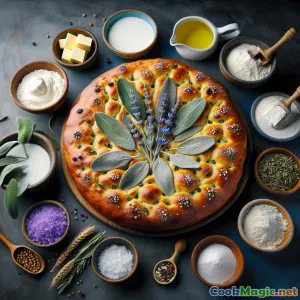
Chrupiący chlebek z niebieskiej kukurydzy ze szałwią i ziołowym akcentem
(Crisp Blue Corn Sage Frybread with Herbal Flare)
(0 Recenzje)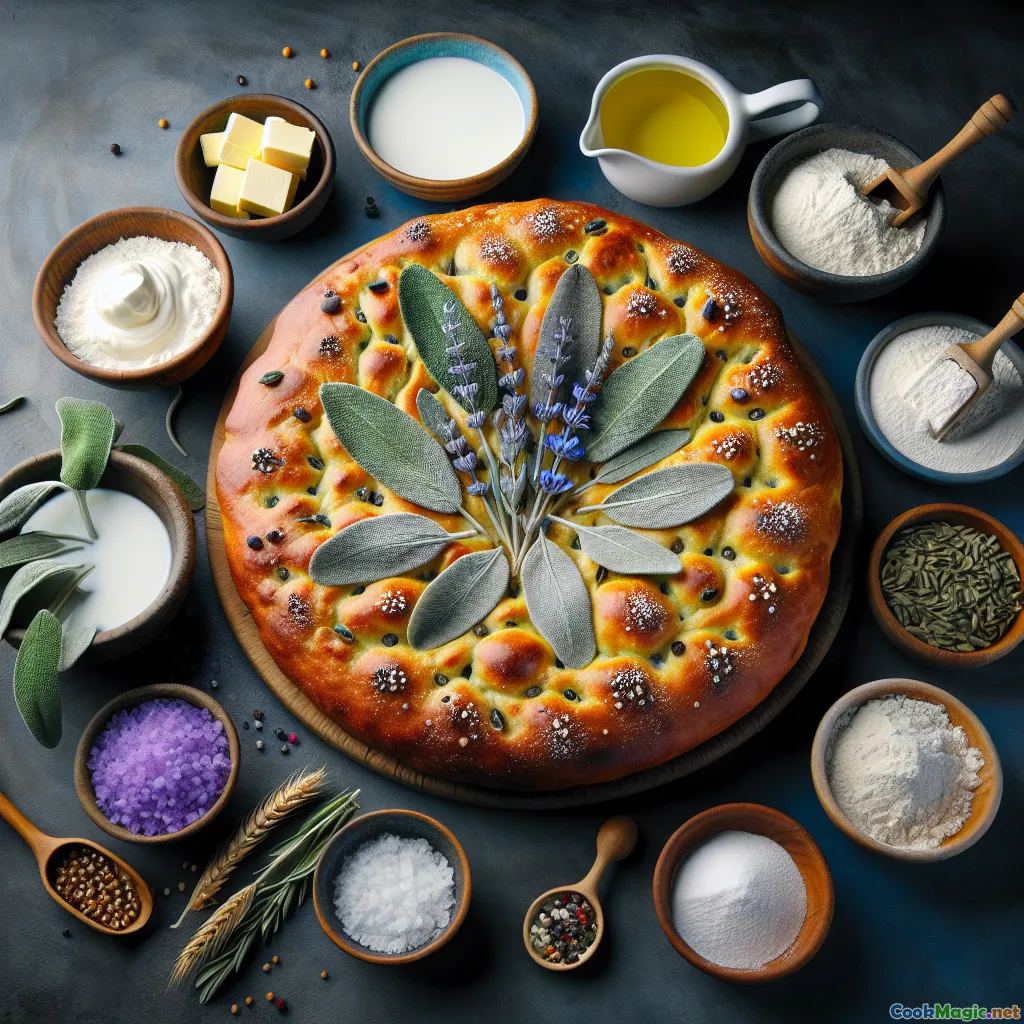

0
1,423
lipiec 16, 2025
Zgłoś problem
Składniki
-
180 grams Niebieska mąka kukurydziana
(Nada ziemistą słodycz i wyraźny kolor)
-
120 grams Mąka uniwersalna
(Pomaga w strukturze)
-
10 grams Świeże liście szałwii
(Drobno posiekane dla aromatycznego smaku)
-
3 grams drobna sól morska
(Wyrównuje smaki)
-
7 grams Proszek do pieczenia
(Dla lekkiej, puszystej konsystencji)
-
120 grams Jogurt Grecki
(Dodaje kremowości i wilgoci)
-
100 ml Mleko pełnotłuste
(Pomaga wiązać ciasto)
-
250 ml Olej roślinny
(Smażenie na głębokim tłuszczu)
-
15 grams Masło
(Do smarowania ciepłego frybread)
-
2 grams Gruboziarnista sól morska
(Posyp na gorący frybread, aby wykończyć)
(Nada ziemistą słodycz i wyraźny kolor)
(Pomaga w strukturze)
(Drobno posiekane dla aromatycznego smaku)
(Wyrównuje smaki)
(Dla lekkiej, puszystej konsystencji)
(Dodaje kremowości i wilgoci)
(Pomaga wiązać ciasto)
(Smażenie na głębokim tłuszczu)
(Do smarowania ciepłego frybread)
(Posyp na gorący frybread, aby wykończyć)
Wartości odżywcze
- Porcje: 4
- Wielkość porcji: 1 runda (ok. 100 g)
- Calories: 550 kcal
- Carbohydrates: 60 g
- Protein: 20 g
- Fat: 25 g
- Fiber: 5 g
- Sugar: 5 g
- Sodium: 500 mg
- Cholesterol: 30 mg
- Calcium: 150 mg
- Iron: 2.5 mg
Instrukcje
-
1 - Przygotuj składniki na ciasto:
W dużej misce wymieszaj mąkę z niebieskiej kukurydzy, mąkę uniwersalną, drobno posiekane liście szałwii, drobna sól morską i proszek do pieczenia.
-
2 - Połącz mokre składniki:
W dzbanku wymieszaj jogurt grecki i pełnotłuste mleko, aż będą bardzo gładkie.
-
3 - Zrób Ciasto:
Wlej mieszankę jogurtu i mleka do suchych składników. Wymieszaj widelcem lub rękami, aż powstanie wilgotne, miękkie ciasto. Unikaj nadmiernego wyrabiania ciasta, ponieważ może to spowodować, że chleb będzie twardy.
-
4 - Odpoczynek i formowanie ciasta:
Przykryj miskę i pozostaw ciasto na 5 minut. Następnie podziel je na 4 równe części. Rękami lekko posmarowanymi oliwą, uformuj każdą część w płaski okrąg o średnicy około 12 cm i grubości 1 cm.
-
5 - Podgrzej olej:
Na ciężkiej patelni podgrzej olej roślinny na średnio-wysokim ogniu, aż zacznie błyszczeć, ale nie będzie dymić.
-
6 - Smażenie ciasta:
Ostrożnie wkładaj jedną lub dwie porcje naraz do gorącego oleju. Smaż przez 2-3 minuty z jednej strony, aż będą napuszone i złociste, następnie obróć i smaż z drugiej strony. Powinny być chrupiące na brzegach i miękkie w środku. Użyj szczypiec, aby je wyjąć i umieścić na ruszcie wyłożonym papierem kuchennym.
-
7 - Zakończ i Podaj:
W razie życzenia, posmaruj ciepłe frybreads roztopionym masłem i posyp grubą morską solą. Podawaj na ciepło same lub z ziołowym jogurtem, miodem lub słonymi pastami.
W dużej misce wymieszaj mąkę z niebieskiej kukurydzy, mąkę uniwersalną, drobno posiekane liście szałwii, drobna sól morską i proszek do pieczenia.
W dzbanku wymieszaj jogurt grecki i pełnotłuste mleko, aż będą bardzo gładkie.
Wlej mieszankę jogurtu i mleka do suchych składników. Wymieszaj widelcem lub rękami, aż powstanie wilgotne, miękkie ciasto. Unikaj nadmiernego wyrabiania ciasta, ponieważ może to spowodować, że chleb będzie twardy.
Przykryj miskę i pozostaw ciasto na 5 minut. Następnie podziel je na 4 równe części. Rękami lekko posmarowanymi oliwą, uformuj każdą część w płaski okrąg o średnicy około 12 cm i grubości 1 cm.
Na ciężkiej patelni podgrzej olej roślinny na średnio-wysokim ogniu, aż zacznie błyszczeć, ale nie będzie dymić.
Ostrożnie wkładaj jedną lub dwie porcje naraz do gorącego oleju. Smaż przez 2-3 minuty z jednej strony, aż będą napuszone i złociste, następnie obróć i smaż z drugiej strony. Powinny być chrupiące na brzegach i miękkie w środku. Użyj szczypiec, aby je wyjąć i umieścić na ruszcie wyłożonym papierem kuchennym.
W razie życzenia, posmaruj ciepłe frybreads roztopionym masłem i posyp grubą morską solą. Podawaj na ciepło same lub z ziołowym jogurtem, miodem lub słonymi pastami.
Więcej o: Chrupiący chlebek z niebieskiej kukurydzy ze szałwią i ziołowym akcentem
Blue Corn Sage Frybread — Imbued with Earthiness and Tradition
A culinary departure from the conventional, Blue Corn Sage Frybread is an aromatic reinvention of classic skillet breads, marrying bold British-style bread craft with centuries-old Native American ingredients and herbaceous notes from fresh sage. This unique fusion celebrates both the versatility of blue cornmeal, famous for its nutty sweetness and striking color, and the fragrant subtlety of sage—an herb adored in English cuisine.
A Journey of Ingredients
What sets blue corn apart isn’t just its vibrant hue: this heirloom grain is revered for a higher proportion of protein and antioxidants compared to yellow corn, resulting in a mildly sweet, almost floral undertone in baked goods. Pairing this with sage gives the frybread a haunting, savory twist, perfect for those who delight in herbal flavors and crave a break from typical comfort breads.
This recipe welcomes a British touch with Greek yogurt, which offers both moisture and richness, akin to the cream-enhanced doughs of traditional scones but without crossing into pastry territory. The result? Bread with a plush crumb, a golden and crisped exterior, and many delicate herbal flecks punctuating every bite.
Preparation and Cooking Tips
- Handle Gently: For the lightest texture, refrain from overmixing your dough—this preserves tenderness.
- Oil Temperature: Ensure the oil is thoroughly hot before adding the rounds; too cool, and the dough will absorb excess oil and become greasy. Medium-high is optimal (around 185°C or 365°F).
- Herbal Variation: Fresh sage animates this frybread, but a touch of fresh thyme or rosemary can harmonize well if sage isn’t available or if want to bolster the herbal essence.
- Toppings: Frybread is immensely adaptable. Enjoy it simply, or brush the finished round with melted butter and a sprinkle of flaky salt. For a modern British or fusion touch, top with roasted pepitas, herbed yogurt, a drizzle of honey, or serve base-style as an accompaniment to robust stews, bean chilis, or sharp cheeses.
Historical and Cultural Resonance
Blue corn, native to the Southwestern United States, carries deep indigenous significance. Known as Hopi maize, blue corn is considered sacred and embodies sustenance, community, and resilience. Frybread itself has a complex ancestry—emerging from the adversity of displacement and ration flour, it was a resourceful creation born within Native American communities during periods of hardship. While England is new to blue corn, the British palate is no stranger to herbal breads or the creative reinterpretation of global ingredients.
By crafting Blue Corn Sage Frybread, we honor the convergence of traditions. British cuisine, famous for its comfort-laden loaves and savory bakes, here fuses respectfully with an Indigenous staple—evocative of the mingling and evolution that characterize modern food culture.
Serving and Storing Suggestions
This frybread shines when served fresh and warm, ideally straight from the pan. Pair as an aromatic snack with afternoon tea, serve alongside robust vegetarian soups, or elevate supper at a picnic. For pre-preparation, you can form the dough rounds ahead and keep covered for up to 2 hours; fry just before serving for maximum crispness.
Store cooled bread, uncovered, for up to 6 hours—reheat on a dry skillet for an encore performance of golden crunch.
Personal Thoughts
Blue Corn Sage Frybread embodies a feast for the senses: earthy blue, sunny gold, a cloud-soft interior, and a whiff of garden sage. Each bite honors what has been and looks forward to what can be, exemplifying Britain’s embrace of culinary diversity at its warmest edge.