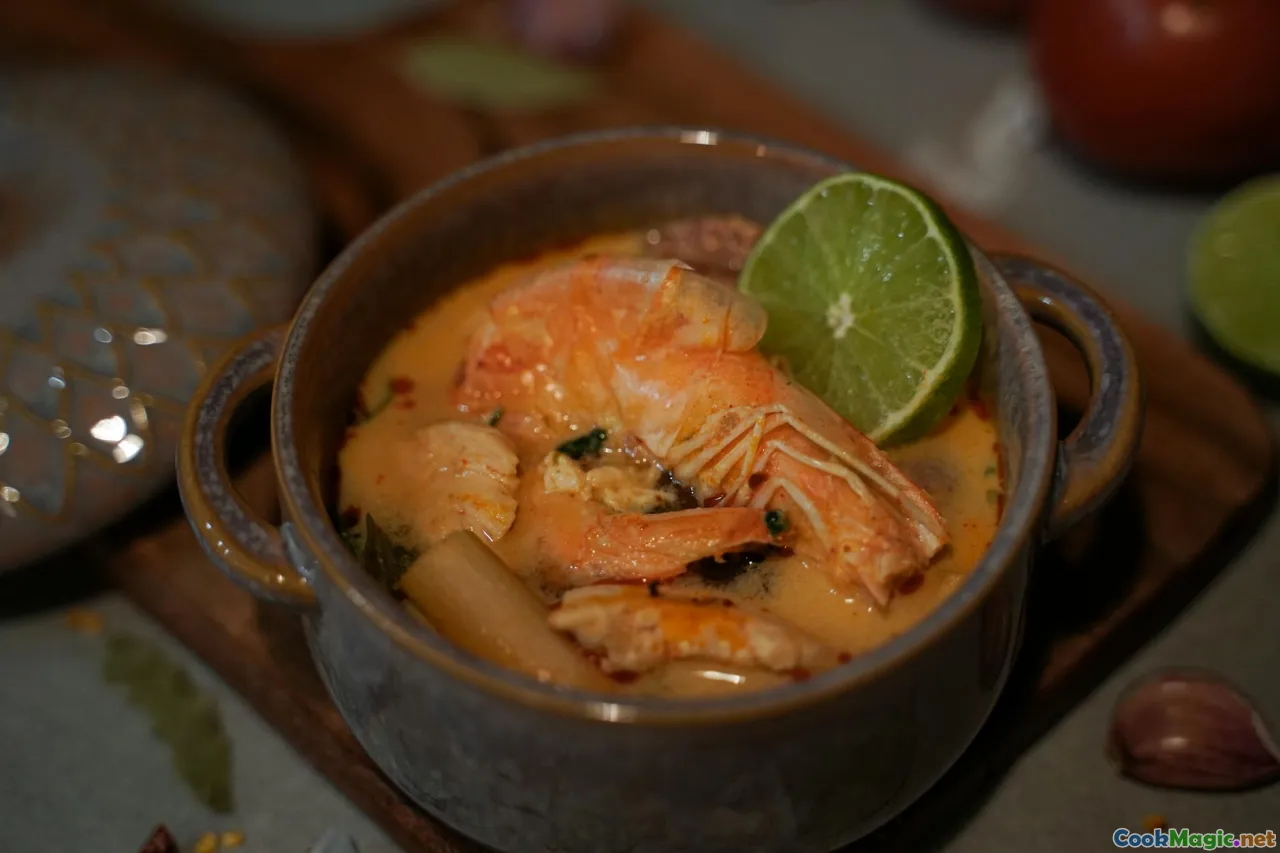
Kerang kukus santan serai
(Coconut Lemongrass Steamed Mussels)
(0 Ulasan)

0
196
November 20, 2025
Laporkan Masalah
Bahan
-
1500 grams Kerang segar
(Scrubbed and debearded; discard cracked shells and any that remain open when tapped)
-
2 stalks Serai
(Trimmed, outer layers removed, white parts thinly sliced and lightly bruised)
-
400 ml Susu kelapa
(Full-fat for a silky, stable broth)
-
2 pieces Bawang merah
(Thinly sliced; medium size)
-
3 cloves Bawang Putih
(Thinly sliced to prevent scorching)
-
20 grams Jahe segar
(Julienned for quick infusion)
-
3 leaves Daun jeruk kaffir
(Torn to release oils; sub with lime zest if unavailable)
-
1 piece Cabai merah
(Bird's eye or serrano, thinly sliced; adjust heat to taste)
-
2 tbsp Saus ikan
(Adds depth and salinity; adjust to taste)
-
100 ml anggur putih kering
(Optional deglazing and brightness; replace with water or light stock)
-
1 tsp Gula merah
(Balances acidity and heat)
-
2 tbsp Jus jeruk nipis
(Freshly squeezed, added at the end)
-
1 tbsp Minyak kelapa
(Or neutral oil for sautéing aromatics)
-
15 grams Ketumbar segar
(Leaves and tender stems, roughly chopped)
-
10 grams Kemangi Thailand
(Torn at the last minute for aroma)
-
0.25 tsp Garam laut
(Use sparingly; fish sauce provides salt)
-
0.25 tsp Lada hitam
(Freshly ground, to finish)
-
1 tsp Kulit parutan jeruk nipis
(Extra citrus lift if not using lime leaves)
-
4 slices Roti renyah
(For dipping; or serve with steamed jasmine rice)
(Scrubbed and debearded; discard cracked shells and any that remain open when tapped)
(Trimmed, outer layers removed, white parts thinly sliced and lightly bruised)
(Full-fat for a silky, stable broth)
(Thinly sliced; medium size)
(Thinly sliced to prevent scorching)
(Julienned for quick infusion)
(Torn to release oils; sub with lime zest if unavailable)
(Bird's eye or serrano, thinly sliced; adjust heat to taste)
(Adds depth and salinity; adjust to taste)
(Optional deglazing and brightness; replace with water or light stock)
(Balances acidity and heat)
(Freshly squeezed, added at the end)
(Or neutral oil for sautéing aromatics)
(Leaves and tender stems, roughly chopped)
(Torn at the last minute for aroma)
(Use sparingly; fish sauce provides salt)
(Freshly ground, to finish)
(Extra citrus lift if not using lime leaves)
(For dipping; or serve with steamed jasmine rice)
Nutrisi
- Porsi: 4
- Ukuran Porsi: 1 mangkuk (350g)
- Calories: 380 kcal
- Carbohydrates: 0 g
- Protein: 34 g
- Fat: 22 g
- Fiber: 2 g
- Sugar: 4 g
- Sodium: 900 mg
- Cholesterol: 120 mg
- Calcium: 120 mg
- Iron: 9 mg
Instruksi
-
1 - Clean and purge mussels:
Rinse mussels under cold water. Scrub shells, remove beards by pulling toward the hinge, and discard any with cracked shells or that remain open when tapped. Keep chilled while prepping aromatics.
-
2 - Prep Aromatics:
Thinly slice shallots and garlic. Julienne ginger. Trim lemongrass, remove tough outer layers, slice the tender white parts, and bruise with the back of a knife. Tear kaffir lime leaves and slice chili if using.
-
3 - Sweat the base:
Heat coconut oil in a heavy pot over medium. Add shallots, garlic, ginger, lemongrass, and chili. Cook, stirring, until fragrant and translucent without browning.
-
4 - Build the broth:
Add coconut milk, fish sauce, brown sugar, and white wine if using. Stir and bring to a lively simmer. Toss in torn kaffir lime leaves or lime zest.
-
5 - Steam the mussels:
Increase heat to medium-high. Add mussels, cover tightly, and cook, shaking the pot once or twice, until shells open, about 4 to 5 minutes. Discard any that remain closed.
-
6 - Finish with brightness:
Remove from heat. Stir in lime juice, cilantro, and Thai basil. Taste and adjust with salt, pepper, or more fish sauce and lime for balance.
-
7 - Serve:
Ladle mussels and coconut lemongrass broth into warm bowls. Garnish with extra herbs and lime zest. Serve immediately with crusty bread or steamed jasmine rice.
Rinse mussels under cold water. Scrub shells, remove beards by pulling toward the hinge, and discard any with cracked shells or that remain open when tapped. Keep chilled while prepping aromatics.
Thinly slice shallots and garlic. Julienne ginger. Trim lemongrass, remove tough outer layers, slice the tender white parts, and bruise with the back of a knife. Tear kaffir lime leaves and slice chili if using.
Heat coconut oil in a heavy pot over medium. Add shallots, garlic, ginger, lemongrass, and chili. Cook, stirring, until fragrant and translucent without browning.
Add coconut milk, fish sauce, brown sugar, and white wine if using. Stir and bring to a lively simmer. Toss in torn kaffir lime leaves or lime zest.
Increase heat to medium-high. Add mussels, cover tightly, and cook, shaking the pot once or twice, until shells open, about 4 to 5 minutes. Discard any that remain closed.
Remove from heat. Stir in lime juice, cilantro, and Thai basil. Taste and adjust with salt, pepper, or more fish sauce and lime for balance.
Ladle mussels and coconut lemongrass broth into warm bowls. Garnish with extra herbs and lime zest. Serve immediately with crusty bread or steamed jasmine rice.
Informasi Lebih Lanjut: Kerang kukus santan serai
Overview
Briny, sweet mussels meet a fragrant, creamy broth in this Coconut Steamed Mussels with Lemongrass recipe, a dish that marries coastal abundance with the bright, herbal cadence of Thai aromatics. Coconut milk forms a plush backdrop while lemongrass, ginger, garlic, and kaffir lime leaves summon a breezy, citrus-forward perfume. A final squeeze of lime and shower of herbs delivers balance and lift, making each spoonful equal parts soothing and vivid.
Why you will love it
- Speed without compromise: Ready in under half an hour, yet layered with restaurant-level flavor.
- One pot, big payoff: Minimal cleanup, maximal aroma.
- Versatile: Adjust heat with chili, sweetness with a pinch of sugar, and salinity via fish sauce.
- Elegant or casual: Perfect for a weeknight treat or an impressive dinner party starter.
Ingredient spotlight
- Mussels: Sustainably farmed mussels are often a low-impact seafood choice, naturally filtering water as they grow. Their delicate meat loves coconut-based broths.
- Lemongrass: The citrusy backbone. Bruising releases essential oils; slicing increases surface area for faster infusion.
- Coconut milk: Choose full-fat for stability and a creamy emulsion that clings to the mussels. Light coconut milk can curdle more easily and will feel thinner.
- Fish sauce: Provides umami depth. A little goes a long way; balance it with lime juice for brightness.
- Ginger and garlic: Warming and savory. Slicing rather than mincing helps prevent scorching and bitterness.
- Herbs: Cilantro and Thai basil deliver a cool, anise-kissed finish against the warm coconut base.
Step-by-step notes
- Cleaning: Freshness is non-negotiable. Mussels should smell like the sea, not fishy. Rinse well, scrub, and debeard. Tap any open shells; discard those that do not close.
- Fragrant base: Keep the heat moderate to sweat, not brown, the aromatics. Color here can introduce unwanted bitterness in a delicate broth.
- Broth building: Stir coconut milk, fish sauce, and optional wine gently. A brief simmer is enough to extract lemongrass oils and meld flavors.
- Steaming: Add mussels, cover tightly, and cook just until they open. Overcooking will shrink the meat and dull the brine-sweet flavor.
- Finish: Always add lime juice off heat to keep the acidity fresh and bright.
Tips, tricks, and pro moves
- Bruise, then slice: Bruising lemongrass before slicing releases more aroma quickly.
- Shake the pot: During steaming, a couple of firm shakes redistribute mussels for even opening.
- Season smart: Fish sauce is salty; taste before adding salt. Balance with lime and a whisper of brown sugar if needed.
- Heat control: For gentle spice, use a mild chili or remove seeds. For a kick, keep seeds in and add an extra chili.
- Broth texture: If you crave a silkier mouthfeel, whisk a tablespoon of coconut cream into the broth off heat.
Serving and pairing
Serve mussels in wide bowls so the broth can shine, garnished with extra cilantro, basil, and a scrape of lime zest. Crusty bread is perfect for dunking, while jasmine rice soaks up every last drop. Pair with a crisp, aromatic white like Riesling or Albariño; for a zero-proof option, try chilled coconut water with a squeeze of lime and a pinch of sea salt.
Variations and substitutions
- No wine: Swap in water, light seafood stock, or even a splash of coconut water.
- Herb swap: If Thai basil is unavailable, use regular basil with a few fennel fronds for an anise echo.
- Citrus notes: Kaffir lime leaves add signature perfume; if missing, use lime zest and a touch of grapefruit zest for extra lift.
- Extra veggies: Add a handful of baby spinach or julienned bell pepper in the final minute for color and freshness.
Storage and safety
Mussels are best eaten immediately. If you must, refrigerate leftovers within 1 hour and consume within 1 day. Reheat gently until just hot to avoid toughening. Discard any unopened mussels after cooking and any with off odors.
Cultural context and inspiration
While not a traditional single-origin dish, this recipe draws on Thai culinary principles: layering bright aromatics, balancing salty, sour, sweet, and heat, and respecting the delicacy of seafood. Coconut milk and lemongrass are cornerstones across Thai regions, often paired with shellfish in soups and curries. Here, the technique mirrors classic European mussel steaming, but the flavor architecture is unmistakably Southeast Asian. It is a delicious example of how global methods can harmonize without diluting cultural character.
Sustainability note
Farmed mussels are typically a sustainable choice, requiring no feed and improving water clarity. Choose reputable sources, and enjoy a dish that is as gentle on the planet as it is generous on flavor.
Chef's notes
Keep the pot relatively snug for faster steam circulation. Resist the urge to over-reduce the broth; you want it brothy, not saucy, so each spoonful feels light and fragrant. Always finish with acid and herbs to wake up the coconut richness. Finally, do not forget the bread or rice; half the joy is chasing that last spoonful of lemongrass-perfumed coconut broth.