Cailles glacées au miel de fleur d'oranger
(Orange Blossom Honey Glazed Quails)
(0 Avis)

0
143
décembre 10, 2025
Signaler un problème
Ingrédients
-
8 whole Cailles entières
(Spatchcocked or trussed; about 120–150g each)
-
120 ml Miel de fleur d'oranger
(Warm gently to loosen for easier brushing)
-
120 ml Jus d'Orange Frais
(From 2–3 sweet oranges)
-
2 tsp Zeste d'orange
(Finely grated; avoid white pith)
-
1 tsp eau de fleur d'oranger
(Highly aromatic; use sparingly)
-
4 cloves Ail
(Haché finement)
-
6 sprigs Thym Frais
(Leaves stripped)
-
2 sprigs Romarin frais
(Leaves finely chopped)
-
1 tsp Poivre d'Alep
(Or use mild red pepper flakes)
-
1 tsp Coriandre moulu
(Adds citrusy warmth)
-
0.5 tsp Cumin moulu
(Earthy depth; optional but recommended)
-
2 tsp Sel marin
(Ajuster au goût)
-
1 tsp Poivre noir
(Fraîchement moulu)
-
2 tbsp Huile d'olive extra vierge
(For searing and marinade)
-
2 small Echalotes
(Thinly sliced; roasts under quail)
-
60 ml vin blanc sec
(Or low-sodium chicken stock for deglazing)
-
30 grams Beurre non salé
(Cold, for finishing sauce)
-
1 tbsp Vinaigre de Xérès
(Brightens the glaze; use lemon juice if preferred)
-
30 grams Pistaches
(Toasted and chopped, for garnish)
-
40 grams Graines de grenade
(Juicy garnish for color and tang)
-
10 grams Menthe fraîche
(Torn; adds freshness)
-
1 large Orange Navel
(Peeled and segmented for serving)
(Spatchcocked or trussed; about 120–150g each)
(Warm gently to loosen for easier brushing)
(From 2–3 sweet oranges)
(Finely grated; avoid white pith)
(Highly aromatic; use sparingly)
(Haché finement)
(Leaves stripped)
(Leaves finely chopped)
(Or use mild red pepper flakes)
(Adds citrusy warmth)
(Earthy depth; optional but recommended)
(Ajuster au goût)
(Fraîchement moulu)
(For searing and marinade)
(Thinly sliced; roasts under quail)
(Or low-sodium chicken stock for deglazing)
(Cold, for finishing sauce)
(Brightens the glaze; use lemon juice if preferred)
(Toasted and chopped, for garnish)
(Juicy garnish for color and tang)
(Torn; adds freshness)
(Peeled and segmented for serving)
Nutrition
- Portions: 4
- Taille de portion: 2 quails (about 240g cooked)
- Calories: 640 kcal
- Carbohydrates: 23 g
- Protein: 46 g
- Fat: 38 g
- Fiber: 2 g
- Sugar: 18 g
- Sodium: 780 mg
- Cholesterol: 235 mg
- Calcium: 72 mg
- Iron: 4.6 mg
Instructions
-
1 - Prep the quails:
Pat quails dry. Spatchcock by removing the backbone with kitchen shears and pressing flat, or leave whole and truss. Season all over with sea salt and black pepper.
-
2 - Make the citrus-honey glaze:
In a bowl, whisk orange blossom honey, orange juice, zest, orange blossom water, garlic, thyme leaves, rosemary, Aleppo pepper, coriander, cumin, and 1 tbsp olive oil until smooth.
-
3 - Marinate briefly:
Brush quails generously with half the glaze, coating under the skin if spatchcocked. Marinate 20 minutes at room temperature (or cover and refrigerate up to 12 hours). Reserve remaining glaze for basting.
-
4 - Preheat oven and pan:
Place a heavy cast-iron skillet or roasting tray in the oven and preheat to 220°C (425°F). A hot pan helps caramelize the glaze and crisp the skin.
-
5 - Sear for color:
Heat remaining 1 tbsp olive oil in the hot pan on the stovetop over medium-high. Add quails skin-side down and sear 2–3 minutes until lightly browned. Add sliced shallots to the pan edges.
-
6 - Roast and baste:
Transfer pan to oven. Roast 6 minutes, then baste with reserved glaze. Flip quails and baste again. Continue roasting until just cooked through (internal temp 74°C/165°F in the thigh).
-
7 - Deglaze and lacquer:
Move pan to stovetop. Splash in white wine or stock and scrape up fond. Simmer 1 minute, then brush on a final layer of glaze to create a glossy lacquer.
-
8 - Rest and finish sauce:
Transfer quails to a warm plate to rest 5 minutes. Whisk cold butter into the pan juices off heat to emulsify; season with a few drops of sherry vinegar for balance.
-
9 - Garnish and Serve:
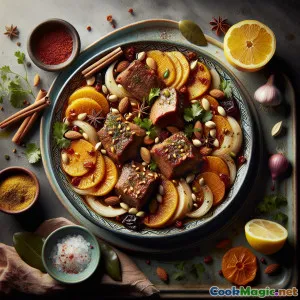
Plate 2 quails per serving. Spoon pan sauce over, scatter pistachios, pomegranate seeds, and mint. Add orange segments. Serve immediately with couscous or herbed rice.
Pat quails dry. Spatchcock by removing the backbone with kitchen shears and pressing flat, or leave whole and truss. Season all over with sea salt and black pepper.
In a bowl, whisk orange blossom honey, orange juice, zest, orange blossom water, garlic, thyme leaves, rosemary, Aleppo pepper, coriander, cumin, and 1 tbsp olive oil until smooth.
Brush quails generously with half the glaze, coating under the skin if spatchcocked. Marinate 20 minutes at room temperature (or cover and refrigerate up to 12 hours). Reserve remaining glaze for basting.
Place a heavy cast-iron skillet or roasting tray in the oven and preheat to 220°C (425°F). A hot pan helps caramelize the glaze and crisp the skin.
Heat remaining 1 tbsp olive oil in the hot pan on the stovetop over medium-high. Add quails skin-side down and sear 2–3 minutes until lightly browned. Add sliced shallots to the pan edges.
Transfer pan to oven. Roast 6 minutes, then baste with reserved glaze. Flip quails and baste again. Continue roasting until just cooked through (internal temp 74°C/165°F in the thigh).
Move pan to stovetop. Splash in white wine or stock and scrape up fond. Simmer 1 minute, then brush on a final layer of glaze to create a glossy lacquer.
Transfer quails to a warm plate to rest 5 minutes. Whisk cold butter into the pan juices off heat to emulsify; season with a few drops of sherry vinegar for balance.
Plate 2 quails per serving. Spoon pan sauce over, scatter pistachios, pomegranate seeds, and mint. Add orange segments. Serve immediately with couscous or herbed rice.
En savoir plus sur: Cailles glacées au miel de fleur d'oranger
Why this dish shines
Orange Blossom Honey Glazed Quails is a celebratory main that balances sweet, floral notes with savory depth and gentle heat. Small game birds cook quickly and absorb flavor beautifully, making them ideal canvases for bright citrus, fragrant herbs, and a perfumed glaze. The orange blossom honey brings a distinctive aroma that’s both delicate and evocative of North African patisseries, while a touch of orange blossom water amplifies that perfume without tipping into overpowering territory. The result is lacquered skin with a light, crackly sheen and succulent meat beneath—impressive enough for holidays, yet manageable for a weekend dinner party.
Flavor architecture and technique
- Citrus and floral: Fresh orange juice and zest provide natural acidity to balance the honey’s sweetness. Orange blossom honey is typically lighter and more perfumed than multifloral honeys; it caramelizes seductively under high heat.
- Herbal depth: Thyme and rosemary add resinous, savory bass notes that keep the glaze from reading like dessert.
- Warm spice: Aleppo pepper delivers gentle warmth with mild fruitiness. Ground coriander and cumin contribute earthy, lemony complexity, echoing the citrus.
- Glaze management: Brushing in layers is key. A preliminary coat mingles with the rendered quail fat; subsequent basting builds a glossy shellac. The final pass post-deglazing turns into a syrupy, clingy finish.
- Heat strategy: Sear briefly for color, then roast hot and fast to avoid drying the birds. A quick rest sets the juices. Swirling cold butter into the pan juices creates a quick emulsion that feels restaurant-level without fuss.
Serving ideas and pairings
Serve these quails over saffron couscous, preserved-lemon pilaf, or a warm farro salad with roasted carrots. Bitter greens (arugula, radicchio) add welcome contrast. For wine, try a Moroccan-grown Syrah, a Southern Rhône blend, or a dry rosé with enough body to stand up to the glaze. Non-alcoholic pairings include chilled hibiscus tea with a squeeze of orange or a lightly spiced ginger-orange spritzer.
Make-ahead, swaps, and tips
- Make-ahead: Marinate the quails up to 12 hours in advance. Bring to room temperature for 30 minutes before cooking for even roasting. The glaze (without butter) can be made 2–3 days ahead.
- Substitutions: If orange blossom honey is unavailable, use a light, floral honey and add an extra 1/4 teaspoon orange blossom water. No orange blossom water? A few drops of quality orange extract will mimic aroma—use sparingly. Aleppo pepper can be replaced with half red pepper flakes and half sweet paprika.
- Equipment: A heavy, oven-safe skillet or roasting tray ensures quick sear and even heat. A brush helps with controlled glazing; a thermometer prevents overcooking.
- Doneness: Quail cooks quickly. Pull at 74°C/165°F in the thigh; carryover heat will finish the job. Overcooking is the main risk—err on the side of slightly earlier and rest.
- Gloss control: If the glaze darkens too fast, lower oven temperature to 200°C (400°F) and tent loosely with foil for a few minutes.
Cultural notes and inspiration
This dish nods to Moroccan and broader Mediterranean kitchens, where citrus groves and apiaries have shaped culinary traditions for centuries. Orange blossom water, a staple in North African confections, perfumes pastries like gazelle horns and syrups for semolina cakes; here, it migrates to the savory realm, echoing how many Moroccan tagines balance sweetness (dried fruits, honey) with spice and herbs. Game birds are also common in Mediterranean cooking—quail, pigeon, and partridge appear in festive meals, often enhanced with nuts and pomegranate for texture and color.
Unique aspects
- Floral-forward glaze: Using orange blossom honey and orange blossom water together is the secret to the dish’s ethereal aroma. The key is restraint—too much blossom water overwhelms. The quantities here keep it elegant.
- Layered basting: Applying glaze at three touchpoints (pre-roast, mid-roast, and at the end) yields maximum shine without scorching. Deglazing beforehand lifts the fond so the finish coats evenly rather than burning on the pan.
- Textural garnishes: Pistachios add crunch, pomegranate adds pop, and fresh mint resets the palate between bites—small touches that broadcast restaurant polish at home.
Troubleshooting
- Skin not crisping? Ensure the birds are well-dried and the pan is fully preheated. High initial heat helps render fat quickly.
- Glaze too thin? Simmer 1–2 minutes longer to reduce, or whisk in a small knob of cold butter to emulsify and thicken.
- Too sweet? Balance with a splash more sherry vinegar or a squeeze of lemon. Bitter greens on the side also help.
Personal chef’s note
Quail is the perfect dinner-party bird—fast, forgiving, and undeniably elegant. This recipe celebrates seasonality: When oranges are at their peak, the glaze sings. It’s the kind of dish that perfumes the kitchen, draws guests in, and turns a simple evening into a memory.