Festin Dum de Biryani d'agneau de Little India
(Little India Mutton Biryani Parcel Dum Feast)
(0 Avis)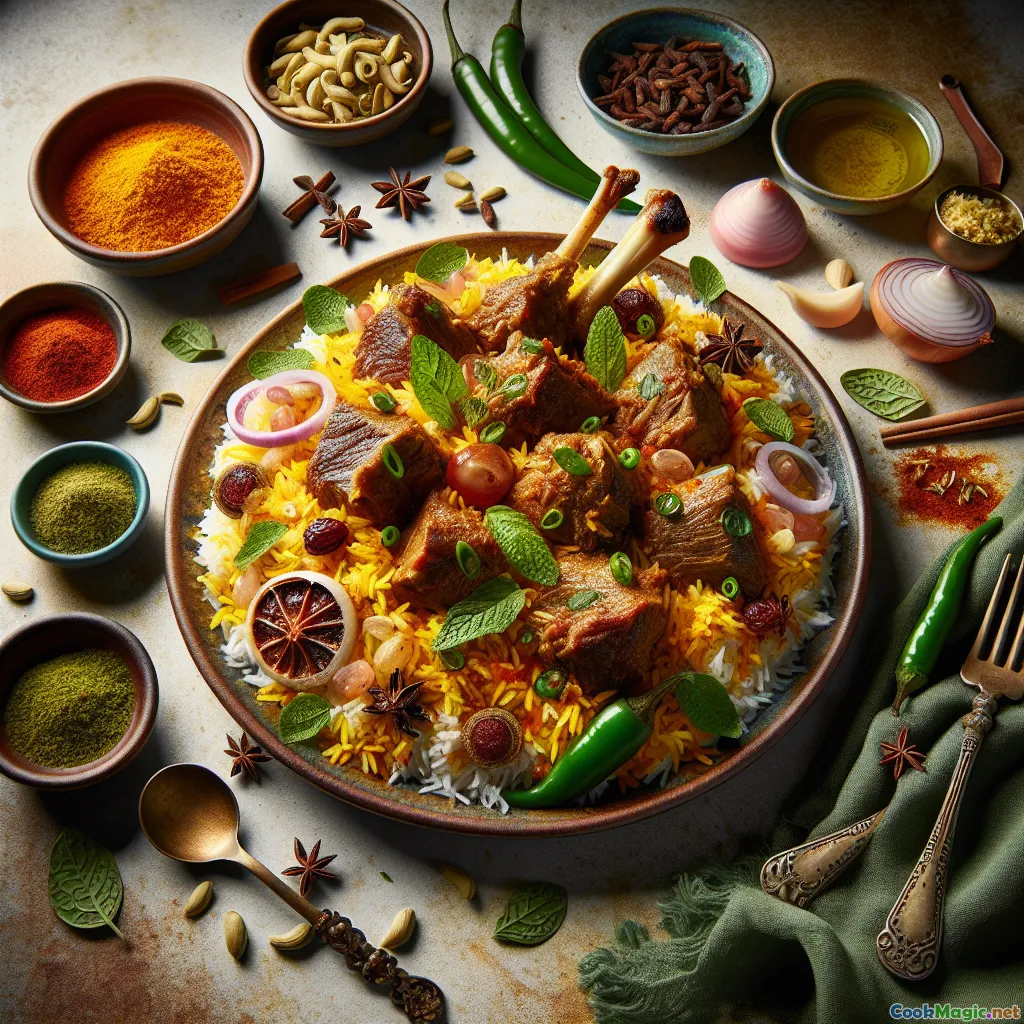


0
65
décembre 28, 2025
Signaler un problème
Ingrédients
-
500 grams Riz basmati vieilli
(Rinse until clear; soak 30 minutes.)
-
800 grams Mouton avec os (épaule/jambe), coupé en morceaux.
(Trim excess fat for clean flavors.)
-
200 grams Yaourt nature au lait entier
(Acts as tenderizer for mutton.)
-
3 tbsp Pâte de gingembre et d'ail
(Freshly made preferred.)
-
3 pieces Piments verts, fendus
(Adjust to heat tolerance.)
-
1 cup Feuilles de Menthe Fraîches
(Loosely packed; torn.)
-
1 cup Coriandre frais (feuilles de coriandre)
(Haché grossièrement)
-
3 pieces Oignons finement émincés
(About 450 g; for birista (fried onions).)
-
300 ml Huile neutre (pour faire frire les oignons et cuisiner)
(Peanut, canola, or sunflower oil.)
-
4 tbsp Ghee
(Adds nutty richness.)
-
1 tsp Graines de cumin
(For rice and masala.)
-
6 pieces Gousses de cardamome verte
(Lightly bruised.)
-
1 piece gousse de cardamome noire
(Smoky depth; optional but recommended.)
-
6 pieces clous de girofle
(Whole spices for aroma.)
-
2 pieces Bâtons de cannelle (2 pouces)
(Warm sweetness.)
-
2 pieces Feuilles de laurier
(For rice pot.)
-
1 piece Anis étoilé
(Liquorice note; mild.)
-
1 piece Feuille de macis
(Floral heat; optional but classic.)
-
0.5 tsp Poudre de Curcuma
(For color and earthiness.)
-
1 tsp Poudre de chili rouge Kashmiri
(Color without too much heat.)
-
1.5 tsp Garam masala
(Finish for mutton masala.)
-
1 tsp Masala de Biryani
(Layered spice blend; optional.)
-
2 tbsp Jus de citron
(Brightens the marinade.)
-
0.5 tsp Filaments de safran
(Crush lightly for better extraction.)
-
60 ml Lait chaud
(For blooming saffron.)
-
1 tsp eau de kewra ou eau de rose
(Floral finish; use sparingly.)
-
2.5 tsp Sel fin pour marinades et mélanges de masala
(Ajustez selon votre goût.)
-
2 tbsp Sel pour l'eau de rinçage du riz
(Seasons rice during parboil.)
-
3000 ml Eau
(For boiling rice.)
-
4 sheets Feuilles de bananier, essuyées et ramollies
(About 30 cm squares; imparts aroma.)
-
2 pieces Feuilles de pandan nouées
(Singaporean touch; aromatic.)
-
10 pieces Feuilles de curry
(Temper in ghee for added aroma.)
-
50 grams Noix de cajou frites
(Garnish for crunch.)
-
30 grams Raisins dorés
(Sweet pops in the parcel.)
-
4 sheets papier sulfurisé (alternative aux feuilles de bananier)
(Use with foil for steaming.)
-
4 sheets Papier aluminium (emballage extérieur)
(Ensures tight seal.)
ficelle de cuisine, as needed
(Rinse until clear; soak 30 minutes.)
(Trim excess fat for clean flavors.)
(Acts as tenderizer for mutton.)
(Freshly made preferred.)
(Adjust to heat tolerance.)
(Loosely packed; torn.)
(Haché grossièrement)
(About 450 g; for birista (fried onions).)
(Peanut, canola, or sunflower oil.)
(Adds nutty richness.)
(For rice and masala.)
(Lightly bruised.)
(Smoky depth; optional but recommended.)
(Whole spices for aroma.)
(Warm sweetness.)
(For rice pot.)
(Liquorice note; mild.)
(Floral heat; optional but classic.)
(For color and earthiness.)
(Color without too much heat.)
(Finish for mutton masala.)
(Layered spice blend; optional.)
(Brightens the marinade.)
(Crush lightly for better extraction.)
(For blooming saffron.)
(Floral finish; use sparingly.)
(Ajustez selon votre goût.)
(Seasons rice during parboil.)
(For boiling rice.)
(About 30 cm squares; imparts aroma.)
(Singaporean touch; aromatic.)
(Temper in ghee for added aroma.)
(Garnish for crunch.)
(Sweet pops in the parcel.)
(Use with foil for steaming.)
(Ensures tight seal.)
Nutrition
- Portions: 4
- Taille de portion: 1 parcel (350g)
- Calories: 1135 kcal
- Carbohydrates: 0 g
- Protein: 45 g
- Fat: 58 g
- Fiber: 4 g
- Sugar: 6 g
- Sodium: 1200 mg
- Cholesterol: 140 mg
- Calcium: 180 mg
- Iron: 5.4 mg
Instructions
-
1 - Rinse and soak rice:
Wash basmati until water runs clear. Soak in cool water for 30 minutes, then drain. This ensures long, separate grains after cooking.
-
2 - Prep banana leaves:
Wipe banana leaves clean. Briefly pass over low flame or hot pan to soften and prevent cracking. Set aside squares large enough to fold parcels.
-
3 - Make birista (fried onions):
Heat oil in a wide pan over medium. Fry thinly sliced onions in batches until deep golden and crisp. Drain on paper towels; reserve 3 tbsp onion oil.
-
4 - Mix marinade:
Combine yogurt, ginger-garlic paste, turmeric, chili powder, lemon juice, half the mint and cilantro, 1 tsp salt, and 2 tbsp crushed birista. Stir well.
-
5 - Marinate mutton:
Coat mutton thoroughly in marinade. Cover and rest 45 minutes at room temp (or up to 8 hours chilled). Return to room temp before cooking.
-
6 - Parboil rice with whole spices:
Bring 3 L water to a rapid boil with 2 tbsp salt, bay leaves, 3 cardamom, 3 cloves, 1 cinnamon, and star anise. Add drained rice; cook 5–6 minutes until 70% done. Drain immediately.
-
7 - Cook mutton masala:
In a heavy pot, heat 2 tbsp reserved onion oil and 1 tbsp ghee. Temper cumin seeds, remaining cardamom, cloves, cinnamon, black cardamom, and mace. Add marinated mutton and green chilies; sear 5 minutes. Cover and cook on low, stirring occasionally, until mutton is tender and gravy is thick and clings to meat (add a splash of water if needed). Finish with garam masala and biryani masala (if using), adjust salt.
-
8 - Bloom saffron & aromatics:
Warm milk; crumble saffron in and steep 5 minutes. Stir in kewra or rose water if using. Keep warm.
-
9 - Set up assembly:
Lay softened banana leaves on a work surface. Have parboiled rice, mutton masala, birista, herbs, saffron milk, remaining ghee, nuts/raisins (if using) ready. Place pandan and curry leaves nearby.
-
10 - Assemble Parcels:
For each parcel: place a pandan knot (optional) on the leaf. Add a thin layer of rice, spoon over mutton pieces with thick gravy, sprinkle birista and herbs, add nuts/raisins if desired. Top with more rice. Drizzle 1 tsp ghee and 1–2 tbsp saffron milk. Add a few curry leaves (optional). Fold tightly into a parcel; secure with twine if needed. If not using banana leaves, wrap in parchment then foil.
-
11 - Steam Parcels:
Place parcels in a steamer or on a rack over simmering water. Steam on medium heat 15–20 minutes to finish cooking rice and perfume everything with leaf aromas.
-
12 - Rest and Fluff:
Remove parcels and rest 10 minutes. Open carefully to release steam. Gently fluff rice inside with a fork, redistributing mutton and spices.
-
13 - Serve:
Serve each parcel directly on a plate. Accompany with raita, pickled onions, lime wedges, and papad for crunch.
Wash basmati until water runs clear. Soak in cool water for 30 minutes, then drain. This ensures long, separate grains after cooking.
Wipe banana leaves clean. Briefly pass over low flame or hot pan to soften and prevent cracking. Set aside squares large enough to fold parcels.
Heat oil in a wide pan over medium. Fry thinly sliced onions in batches until deep golden and crisp. Drain on paper towels; reserve 3 tbsp onion oil.
Combine yogurt, ginger-garlic paste, turmeric, chili powder, lemon juice, half the mint and cilantro, 1 tsp salt, and 2 tbsp crushed birista. Stir well.
Coat mutton thoroughly in marinade. Cover and rest 45 minutes at room temp (or up to 8 hours chilled). Return to room temp before cooking.
Bring 3 L water to a rapid boil with 2 tbsp salt, bay leaves, 3 cardamom, 3 cloves, 1 cinnamon, and star anise. Add drained rice; cook 5–6 minutes until 70% done. Drain immediately.
In a heavy pot, heat 2 tbsp reserved onion oil and 1 tbsp ghee. Temper cumin seeds, remaining cardamom, cloves, cinnamon, black cardamom, and mace. Add marinated mutton and green chilies; sear 5 minutes. Cover and cook on low, stirring occasionally, until mutton is tender and gravy is thick and clings to meat (add a splash of water if needed). Finish with garam masala and biryani masala (if using), adjust salt.
Warm milk; crumble saffron in and steep 5 minutes. Stir in kewra or rose water if using. Keep warm.
Lay softened banana leaves on a work surface. Have parboiled rice, mutton masala, birista, herbs, saffron milk, remaining ghee, nuts/raisins (if using) ready. Place pandan and curry leaves nearby.
For each parcel: place a pandan knot (optional) on the leaf. Add a thin layer of rice, spoon over mutton pieces with thick gravy, sprinkle birista and herbs, add nuts/raisins if desired. Top with more rice. Drizzle 1 tsp ghee and 1–2 tbsp saffron milk. Add a few curry leaves (optional). Fold tightly into a parcel; secure with twine if needed. If not using banana leaves, wrap in parchment then foil.
Place parcels in a steamer or on a rack over simmering water. Steam on medium heat 15–20 minutes to finish cooking rice and perfume everything with leaf aromas.
Remove parcels and rest 10 minutes. Open carefully to release steam. Gently fluff rice inside with a fork, redistributing mutton and spices.
Serve each parcel directly on a plate. Accompany with raita, pickled onions, lime wedges, and papad for crunch.
En savoir plus sur: Festin Dum de Biryani d'agneau de Little India
Little India Mutton Biryani Parcel
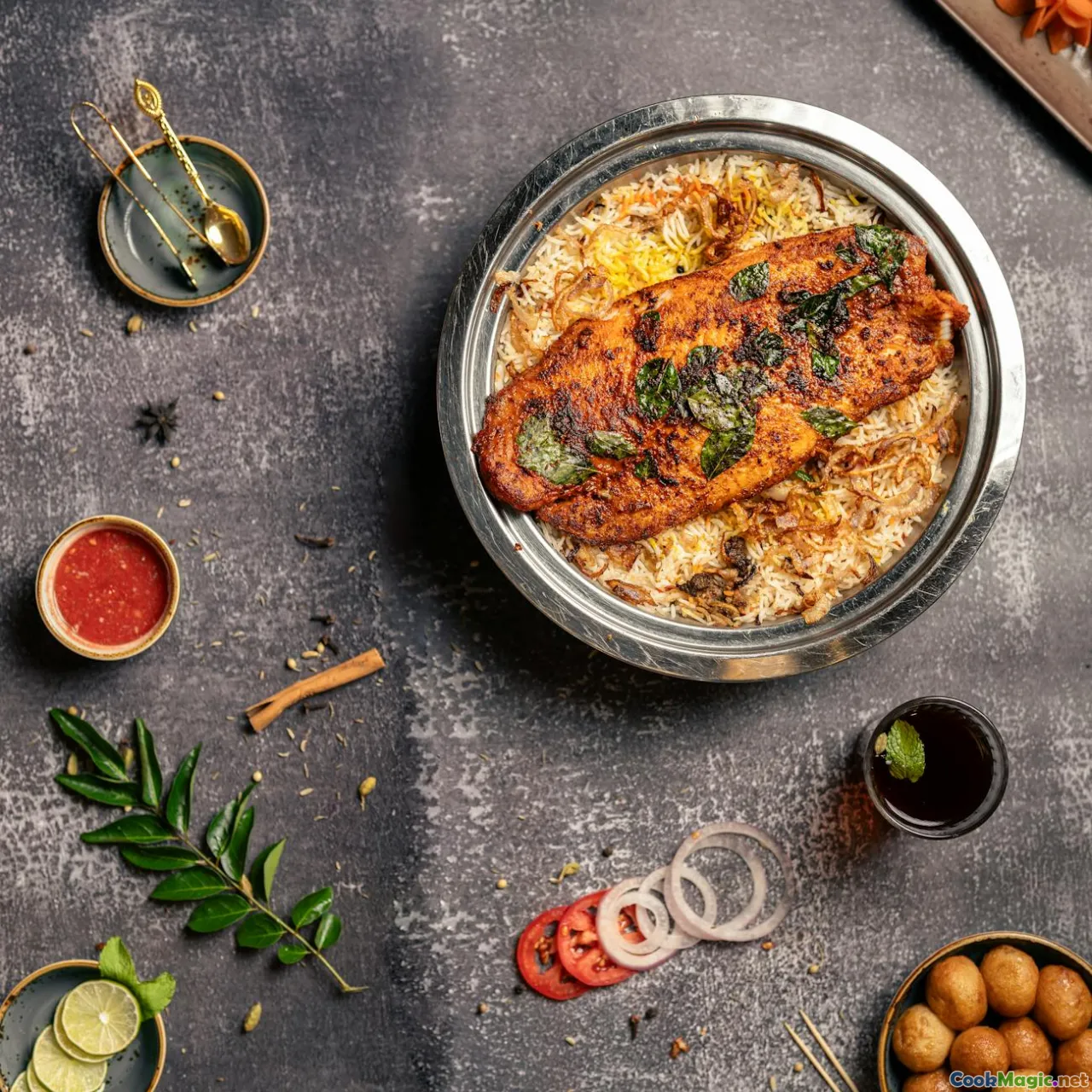
Few things are more evocative of Singapore’s Little India than the scent of ghee, saffron, and caramelized onions drifting from hawker stalls. This biryani pays tribute to that experience by sealing spice-laden mutton and jeweled rice inside banana-leaf parcels—a portable “dum” that concentrates perfume and flavor. Crack open the leaf and a cloud of fragrant steam rushes out, revealing tender, marinated mutton nestled in long, separate basmati grains.
Why the Parcel Works
Traditional dum biryani traps steam in a heavy pot sealed with dough. The parcel takes this idea and scales it to individual servings. Banana leaf adds grassy, tea-like notes while keeping rice moist without turning soggy. It also creates a restaurant-worthy reveal at home. If banana leaf is hard to find, parchment wrapped in foil achieves a similar gentle steaming effect (without the characteristic leaf aroma).
Flavor Architecture
- The marinade: Yogurt tenderizes, lemon brightens, and a measured mix of turmeric, Kashmiri chili, and garam masala builds a deep base that won’t overpower the rice.
- The birista: Deep golden fried onions add sweetness, body, and that quintessential biryani perfume. A spoonful stirred into the marinade boosts umami; the rest layers through the rice.
- The aromatics: Whole spices—cardamom, cloves, cinnamon, bay, star anise, mace—season both rice and mutton. Saffron milk delivers color and a honeyed floral top note, while a drop of kewra or rose water lifts the finish.
- The Singapore touch: Pandan and curry leaves nod to Little India’s neighborhood cross-pollination; their subtle green, nutty fragrance pairs beautifully with ghee and basmati.
Technique Tips
- Rice perfection: Rinse until the water runs clear, then soak for 30 minutes. Parboil in heavily salted water just to 70% doneness; the grains should still snap in the center. They’ll finish to fluffy perfection inside the parcel.
- Meat management: Use bone-in mutton shoulder or leg for deep flavor and moisture. Cook the masala until the gravy reduces and clings; watery gravy can make parcels wet. If your cut is tough, add a splash of water, cover, and cook low and slow until just tender before assembly.
- Leaf handling: Soften banana leaves over a flame or a hot, dry pan to prevent cracks. Wipe clean and dry. Wrap tightly; steam should stay inside. If using parchment and foil, make sure the inner parchment is folded snugly to avoid condensation drips.
- Saffron economy: Warm milk helps extract color and aroma efficiently; crushing strands between your fingers blooms pigment faster than steeping whole threads.
Make-Ahead & Meal Prep
- Fry onions and store the birista in an airtight container for up to 4 days (re-crisp briefly in a warm oven if needed).
- Marinate mutton overnight for more depth; let it return to room temperature before cooking.
- Assemble parcels up to 24 hours in advance and refrigerate. Steam directly from chilled, adding 3–5 minutes.
Variations
- Chicken Parcel: Swap mutton for bone-in chicken thighs; reduce masala cooking time.
- Vegetarian Parcel: Replace meat with hearty mushrooms and paneer; enrich masala with cashews.
- Malabar Touch: Add a handful of fried coconut flakes and a pinch of fennel to the masala.
- Hyderabadi Lean: Skip nuts and raisins, increase mint and cilantro, and add a tiny pinch of ground black cumin (shahi jeera).
Serving Suggestions
Serve each parcel unopened for drama. Pair with cucumber-onion raita, sliced limes, and crisp papad. A kachumber salad or brinjal achaar adds tang and crunch that cut through the richness.
Cultural Note
Biryani’s origins stretch from Persian culinary traditions to the Indian subcontinent’s royal kitchens. In Singapore’s Little India, the dish evolved through Tamil and Malay influences, hawker pragmatism, and tropical ingredients—banana leaf and pandan among them. The “parcel” format reflects a city that celebrates takeaway convenience without sacrificing flavor or ceremony; every lunch break becomes a mini feast.
Troubleshooting
- Rice too soft: Parboiled too long; next time reduce by 1–2 minutes and drain thoroughly.
- Parcels soggy: Masala was too wet. Cook down until it coats the meat.
- Blandness: Season rice water generously and adjust salt in the masala before assembly; seasoning must be assertive pre-steam.
- Broken leaves: Not softened enough; pass longer over heat or use double layers.
Final Thoughts
The Little India Mutton Biryani Parcel is a celebration of aroma engineering: every component—aged basmati, bone-in mutton, fried onions, saffron, and leaf—contributes to layered complexity. It’s portable, theatrical, and deeply comforting, capturing Singapore’s vibrant foodways in a tidy, fragrant bundle.