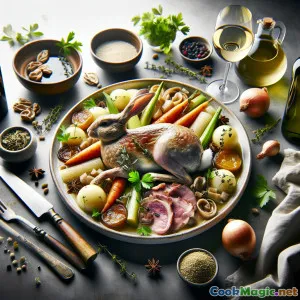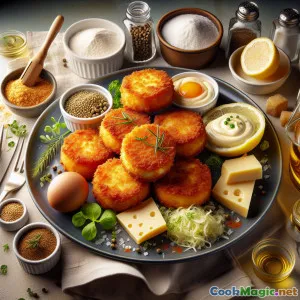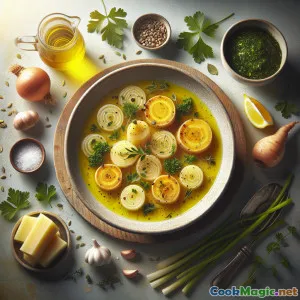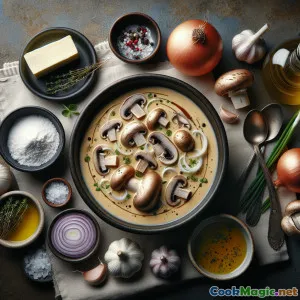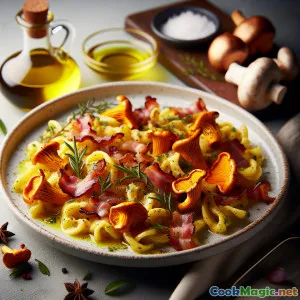
راغوت فطر chanterelle بالأعشاب مع knedlíky بلحم الخنزير المقدد
(Chanterelle Ragout with Bacon Knedlíky)
(0 المراجعات)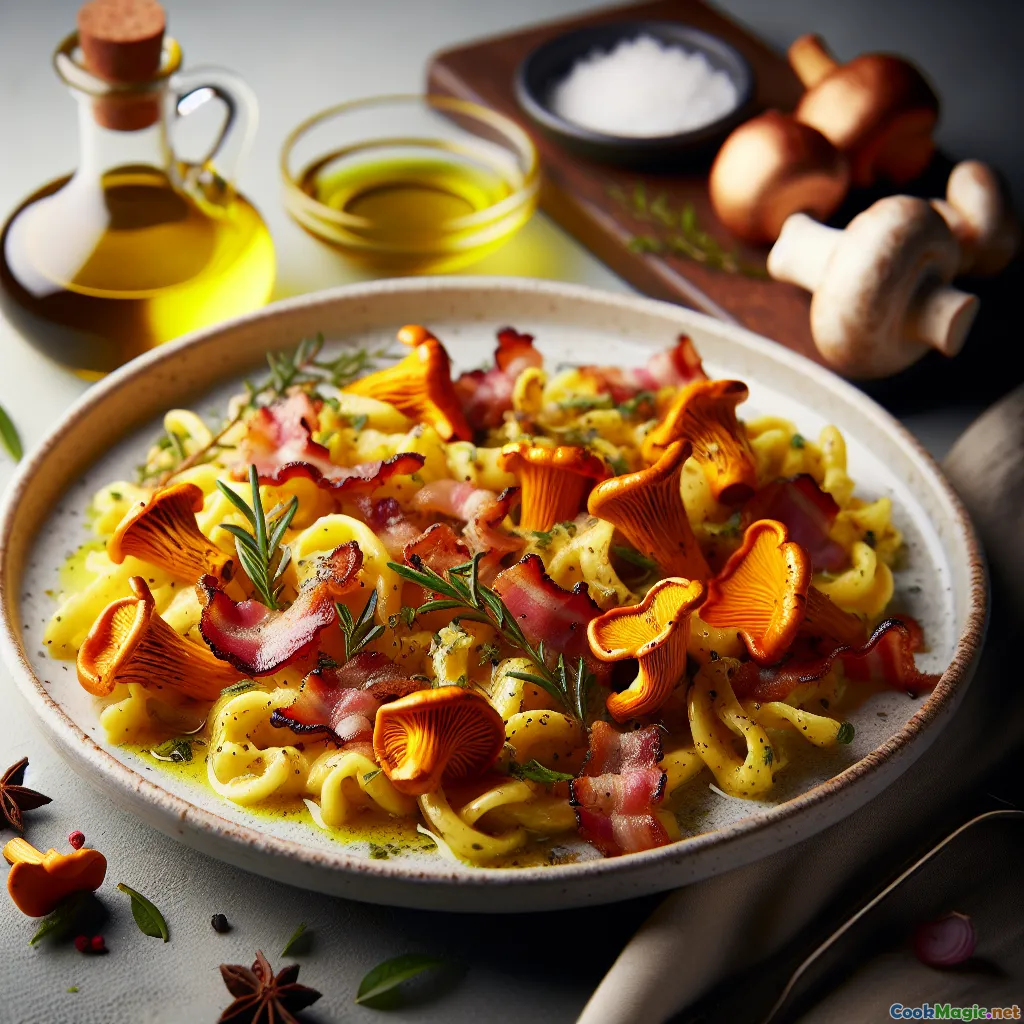
المكونات
-
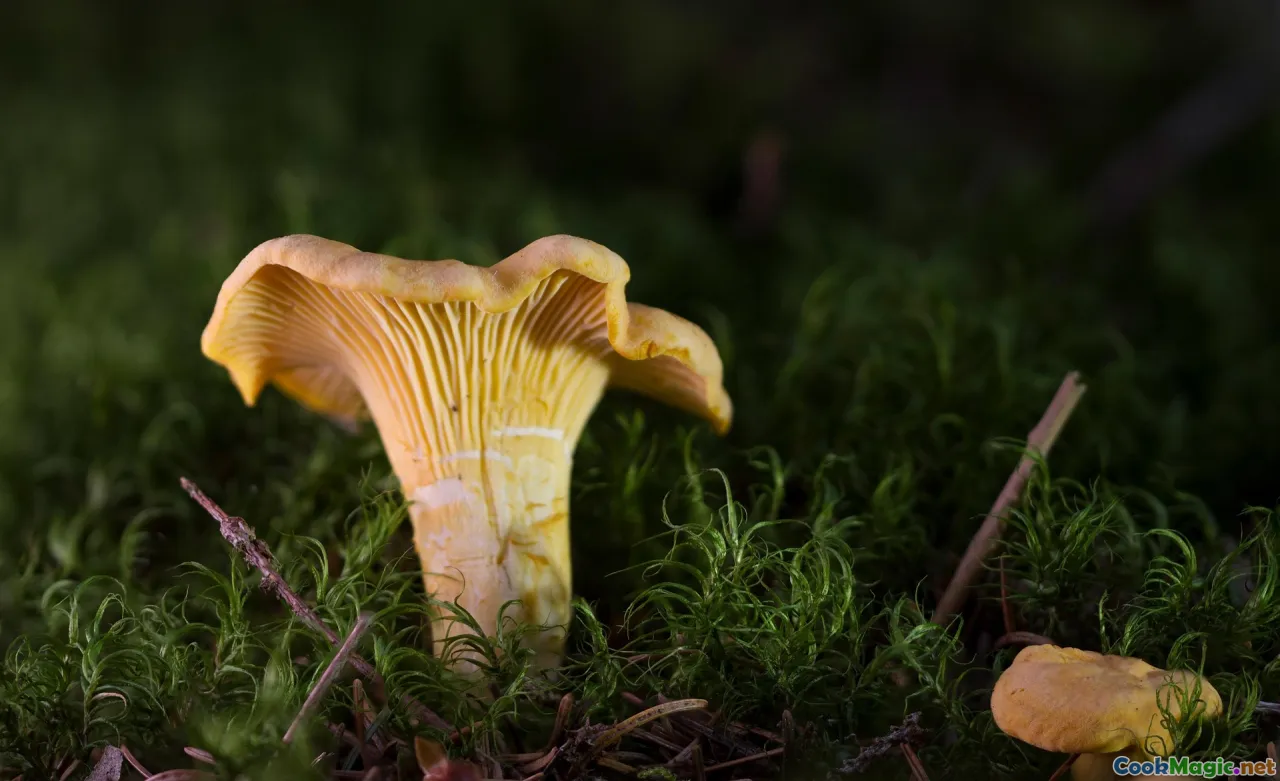
600 grams فطر chanterelle طازج
(Trimmed and brushed clean, avoid soaking)
-
40 grams زبدة غير مملحة
(Divide for sautéing and finishing)
-
1 tbsp زيت الزيتون
(Helps prevent butter from scorching)
-
2 medium الشالوت
(مفروم ناعم جدًا)
-
3 cloves ثوم
(مقطع رفيع)
-
120 ml نبيذ أبيض جاف
(Such as Grüner Veltliner or Pinot Blanc)
-
300 ml مرق الدجاج أو الخضار
(يفضل قليل الصوديوم)
-
120 ml كريمة ثقيلة
(For a richer ragout; sub crème fraîche)
-
2 tsp أوراق الزعتر الطازجة
(Strip leaves from stems)
-
3 tbsp بقدونس أوراق مسطحة
(مفروم ناعم، بالإضافة إلى كمية إضافية للتزيين)
-
1 tsp قشر الليمون
(Finely grated; brightens the sauce)
-
1.5 tsp ملح البحر الناعم
(Divided, plus more for boiling water)
-
0.75 tsp فلفل أسود مطحون طازجًا
(مقسم)
-
0.5 tsp بابريكا مدخنة
(Adds warmth and color to ragout)
-
200 grams خبز قديم مقرمش، مكعبات (1–1.5 سم)
(Preferably country loaf or kaiser rolls)
-
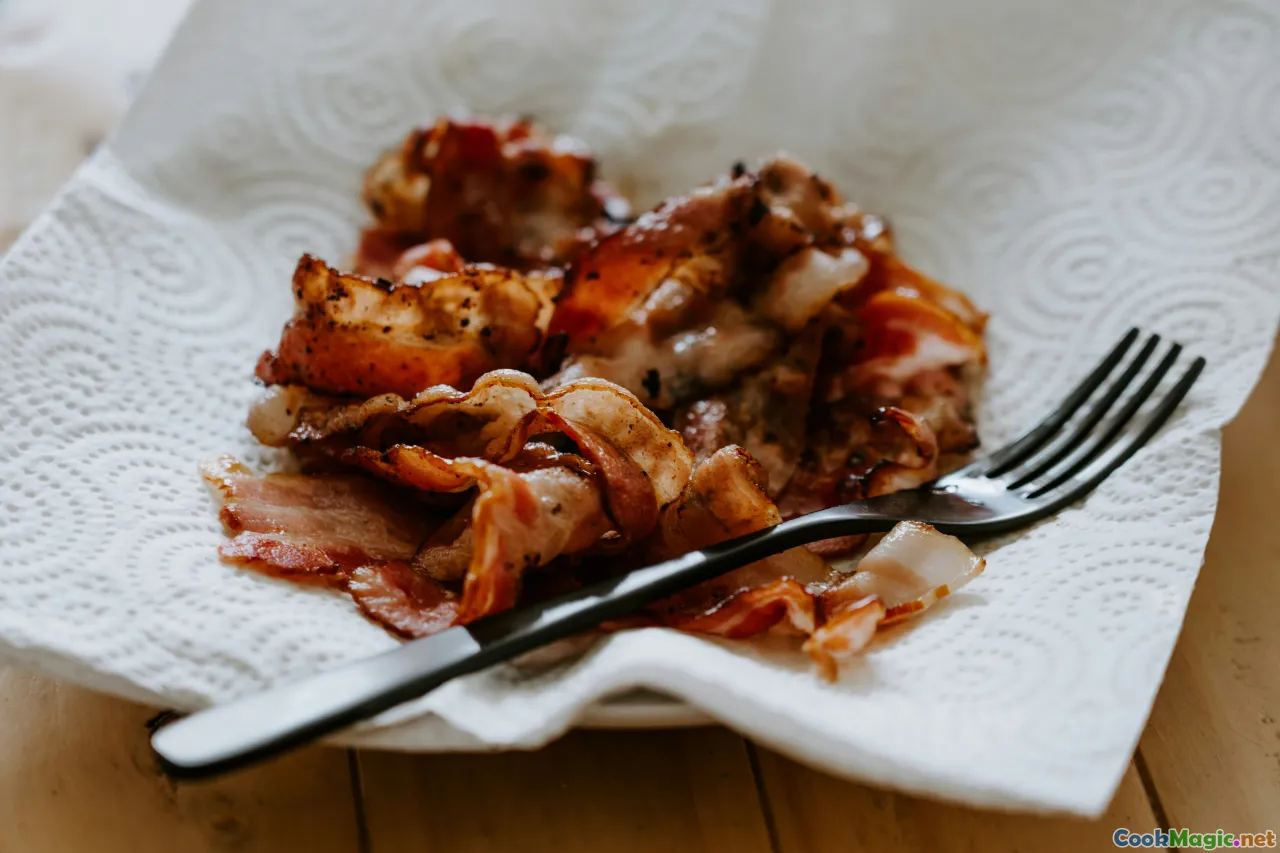
120 grams بيكون مدخن، مقطع مكعبات
(Streaky or slab bacon; lardons ideal)
-
2 large بيض
(درجة حرارة الغرفة)
-
160 ml حليب
(يفضل الحليب كامل الدسم)
-
180 grams دقيق متعدد الاستخدامات
(منخول)
-
1 tsp مسحوق الخبز
(Lightens the dumplings)
-
2 tbsp ثوم المعمر الطازج
(Finely snipped)
-
0.25 tsp جوزة الطيب المطحونة
(Traditional seasoning for dumplings)
-
1 tsp ملح بحري ناعم (للدُمبلينغ)
(Season the dough)
-
0.25 tsp فلفل أسود (دامبلينغز)
(مطحون طازج)
-
2 liters ماء لغلي الدمبلينغ
(lightly salted)
-
1 tbsp زبدة لجعل الشرائح مقرمشة
(Optional, to pan-sear dumpling slices)
(Trimmed and brushed clean, avoid soaking)
(Divide for sautéing and finishing)
(Helps prevent butter from scorching)
(مفروم ناعم جدًا)
(مقطع رفيع)
(Such as Grüner Veltliner or Pinot Blanc)
(يفضل قليل الصوديوم)
(For a richer ragout; sub crème fraîche)
(Strip leaves from stems)
(مفروم ناعم، بالإضافة إلى كمية إضافية للتزيين)
(Finely grated; brightens the sauce)
(Divided, plus more for boiling water)
(مقسم)
(Adds warmth and color to ragout)
(Preferably country loaf or kaiser rolls)
(Streaky or slab bacon; lardons ideal)
(درجة حرارة الغرفة)
(يفضل الحليب كامل الدسم)
(منخول)
(Lightens the dumplings)
(Finely snipped)
(Traditional seasoning for dumplings)
(Season the dough)
(مطحون طازج)
(lightly salted)
(Optional, to pan-sear dumpling slices)
التغذية
- الحصص: 4
- حجم الحصة: 1 طبق (350غ)
- Calories: 740 kcal
- Carbohydrates: 0 g
- Protein: 20 g
- Fat: 39 g
- Fiber: 5 g
- Sugar: 6 g
- Sodium: 1100 mg
- Cholesterol: 180 mg
- Calcium: 180 mg
- Iron: 3.2 mg
التعليمات
-
1 - Render the bacon:
Place diced bacon in a cold skillet and set over medium heat. Cook, stirring occasionally, until the fat renders and the pieces are deeply golden and crisp. Transfer bacon to a plate; reserve 1 tablespoon of the rendered fat for the dumplings and 1 tablespoon for the ragout.
-
2 - Soak the bread:
In a large bowl, whisk eggs and milk with 1 teaspoon salt, 1/4 teaspoon pepper, and nutmeg. Add bread cubes and the reserved 1 tablespoon bacon fat; toss well. Let soak until most liquid is absorbed and bread is soft but not collapsing.
-
3 - Make Dumpling Dough:
In a separate bowl, mix flour and baking powder. Fold into the soaked bread along with crispy bacon and chives. Stir just until a cohesive, slightly sticky dough forms. Rest 5 minutes to hydrate.
-
4 - Shape and simmer knedlíky:
Bring 2 liters lightly salted water to a gentle simmer. With damp hands, form two compact logs about 5 cm in diameter. Slide into the water and simmer 15–18 minutes, turning once, until puffed and set. Transfer to a rack, tent with a towel, and rest 5 minutes.
-
5 - Clean the chanterelles:
Brush off grit with a soft brush or cloth. Trim tough stem ends. Avoid soaking; if muddy, rinse briefly and pat dry well to prevent waterlogging.
-
6 - Build the aromatics:
In a wide sauté pan, heat olive oil and 20 g butter with 1 tablespoon reserved bacon fat over medium heat. Add shallots and a pinch of salt; cook until translucent. Stir in garlic for 30 seconds until fragrant.
-
7 - Sauté the mushrooms:
Increase heat to medium-high. Add chanterelles in a single layer; don’t overcrowd. Cook without moving for 2–3 minutes to brown, then toss and cook until edges are golden and juices mostly evaporate.
-
8 - Deglaze with Wine:
Pour in white wine, scraping up browned bits. Reduce by half until the pan looks glossy and almost dry, concentrating flavor.
-
9 - Simmer the ragout:
Add stock, thyme, smoked paprika (if using), and 1/2 teaspoon salt. Simmer 5–6 minutes to meld flavors and just thicken.
-
10 - Finish with Cream and Herbs:
Stir in heavy cream, lemon zest, half the parsley, and remaining 20 g butter. Simmer 1–2 minutes until silky. Season with remaining pepper and adjust salt.
-
11 - Slice and (optionally) crisp dumplings:
Slice knedlíky into 1.5–2 cm rounds. For extra texture, sear slices in 1 tablespoon butter in a hot skillet until the faces are golden.
-
12 - Plate and Garnish:
Ladle herbed chanterelle ragout over warm bacon knedlíky. Shower with remaining parsley and a few thyme leaves. Serve immediately.
Place diced bacon in a cold skillet and set over medium heat. Cook, stirring occasionally, until the fat renders and the pieces are deeply golden and crisp. Transfer bacon to a plate; reserve 1 tablespoon of the rendered fat for the dumplings and 1 tablespoon for the ragout.
In a large bowl, whisk eggs and milk with 1 teaspoon salt, 1/4 teaspoon pepper, and nutmeg. Add bread cubes and the reserved 1 tablespoon bacon fat; toss well. Let soak until most liquid is absorbed and bread is soft but not collapsing.
In a separate bowl, mix flour and baking powder. Fold into the soaked bread along with crispy bacon and chives. Stir just until a cohesive, slightly sticky dough forms. Rest 5 minutes to hydrate.
Bring 2 liters lightly salted water to a gentle simmer. With damp hands, form two compact logs about 5 cm in diameter. Slide into the water and simmer 15–18 minutes, turning once, until puffed and set. Transfer to a rack, tent with a towel, and rest 5 minutes.
Brush off grit with a soft brush or cloth. Trim tough stem ends. Avoid soaking; if muddy, rinse briefly and pat dry well to prevent waterlogging.
In a wide sauté pan, heat olive oil and 20 g butter with 1 tablespoon reserved bacon fat over medium heat. Add shallots and a pinch of salt; cook until translucent. Stir in garlic for 30 seconds until fragrant.
Increase heat to medium-high. Add chanterelles in a single layer; don’t overcrowd. Cook without moving for 2–3 minutes to brown, then toss and cook until edges are golden and juices mostly evaporate.
Pour in white wine, scraping up browned bits. Reduce by half until the pan looks glossy and almost dry, concentrating flavor.
Add stock, thyme, smoked paprika (if using), and 1/2 teaspoon salt. Simmer 5–6 minutes to meld flavors and just thicken.
Stir in heavy cream, lemon zest, half the parsley, and remaining 20 g butter. Simmer 1–2 minutes until silky. Season with remaining pepper and adjust salt.
Slice knedlíky into 1.5–2 cm rounds. For extra texture, sear slices in 1 tablespoon butter in a hot skillet until the faces are golden.
Ladle herbed chanterelle ragout over warm bacon knedlíky. Shower with remaining parsley and a few thyme leaves. Serve immediately.
المزيد عن : راغوت فطر chanterelle بالأعشاب مع knedlíky بلحم الخنزير المقدد
Why you’ll love this dish
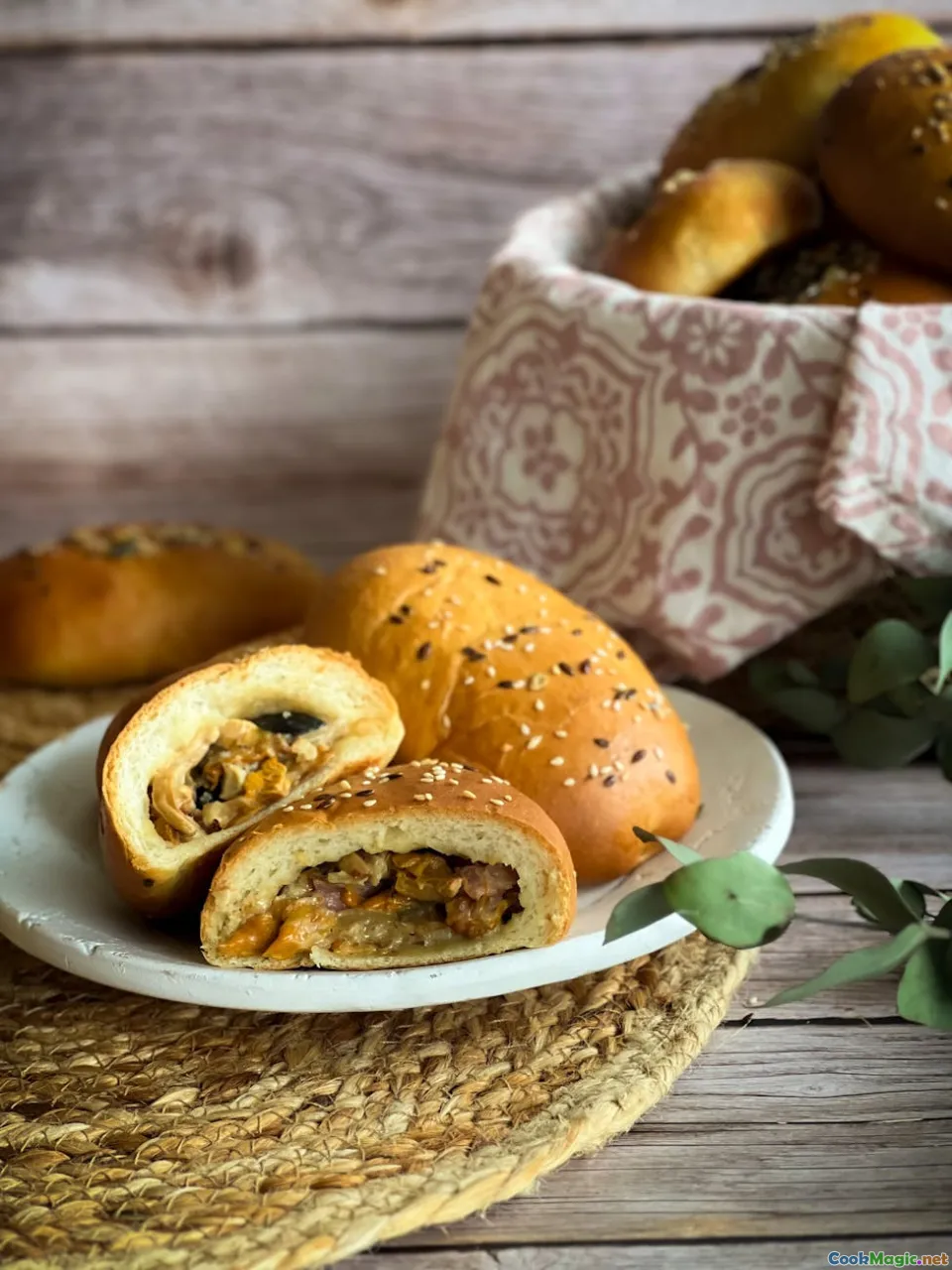
Herbed Chanterelle Ragout with Bacon Knedlíky brings the forest to the table while honoring a beloved Central European comfort classic. The ragout marries the apricot-scented delicacy of chanterelles with a velvety cream reduction, lifted by thyme, lemon zest, and a tinge of smokiness. The knedlíky—Czech-style bread dumplings—are enriched with bacon (a nod to špekové knedlíky), chives, and nutmeg, delivering plush slices that soak up every drop of sauce. It’s a plate that feels both rustic and celebratory, perfect for autumn evenings, yet impressive enough for a dinner party.
Chef’s notes and technique tips
- Clean, don’t soak: Chanterelles are sponges; avoid soaking them. A soft brush and minimal moisture keep their texture meaty, not soggy.
- High-heat sear: Give the mushrooms space. Browning in a wide pan concentrates their woodsy flavor and prevents steaming.
- Layered fats, layered flavor: A blend of butter, olive oil, and a touch of bacon fat gives the ragout nutty depth and a glossy finish while preventing the butter from burning.
- Wine reduction matters: Reduce the wine until nearly syrupy before adding stock; this removes harsh alcohol notes and intensifies the aromatic backbone of the sauce.
- Dumpling structure: Resting the dough allows flour to hydrate, helping slices hold together when simmered and cut.
- Gentle simmer: A rolling boil can cause dumplings to break apart. Keep the water barely bubbling for a tender, even crumb.
- Crisp to contrast: Searing the dumpling slices creates a golden crust that contrasts beautifully with the saucy ragout.
History and cultural significance
Knedlíky are culinary pillars across Czechia and the broader Central European table, showing up alongside rich gravies, roasted meats, and mushroom stews. The bacon-studded variant evokes “špekové knedlíky,” a mountain-town favorite where hearty food fuels long days and cold nights. Mushroom foraging is also part of regional identity—families venture into forests when the weather turns damp and mild, seeking chanterelles, porcini, and more. Pairing forest mushrooms with dumplings is less a recipe and more a tradition: an edible map of place, season, and community.
The ragout’s creamy, wine-sparked profile reflects cross-border culinary currents—think Austrian and German influences—while the dumplings ground the dish firmly in Czech comfort cooking. A bright note of lemon zest and the sweetness of shallots modernize the classic without straying from its roots.
Ingredient swaps and variations
- Mushrooms: If chanterelles are scarce, try a mix of oyster, hedgehog, or cremini. Porcini (fresh or rehydrated) add deep umami.
- Dairy: Swap heavy cream for crème fraîche or full-fat sour cream for a tangier finish. For lighter fare, use half-and-half and reduce a bit more.
- Herbs: Thyme is classic; tarragon or marjoram provide a fresh twist. Dill offers a Scandinavian lilt if you prefer.
- Bacon: Smoked pancetta or speck work beautifully. For a vegetarian version, omit bacon and add 1–2 teaspoons miso to the ragout for savory depth.
- Gluten-free: Use sturdy gluten-free bread and flour blend with 1/2 teaspoon xanthan gum; monitor hydration, as GF mixes vary.
Make-ahead, storage, and reheating
- Make-ahead: The dumpling logs can be simmered, cooled, and wrapped for up to 2 days. Slice and sear to rewarm.
- Ragout: Cool quickly and refrigerate for up to 2 days. Reheat gently over medium-low, thinning with a splash of stock as needed.
- Freezing: Dumplings freeze well (sliced). Ragout can be frozen, though cream sauces may separate slightly; whisk in a pat of butter to restore silkiness.
Pairings
- Wine: Grüner Veltliner, dry Riesling, or a lightly oaked Chardonnay. For red lovers, a chillable Pinot Noir keeps things bright.
- Sides: A simple cucumber-dill salad or tangy cabbage slaw provides welcome acidity.
Troubleshooting
- Dumplings too loose? Add a tablespoon or two of flour and rest another 5 minutes.
- Ragout too thin? Reduce a few minutes longer, or whisk in a teaspoon of beurre manié (equal parts soft butter and flour) and simmer briefly.
- Too salty? A squeeze of lemon and a splash of cream rebalance; serve with extra unseasoned dumpling slices.
Final thoughts
This dish balances craft and comfort. The method is straightforward, yet attention to details—mushroom browning, wine reduction, gentle dumpling simmer—creates restaurant-level results. It’s a celebration of seasonality, a tribute to Czech culinary heritage, and a reminder that simple ingredients, treated with care, can feel luxurious.