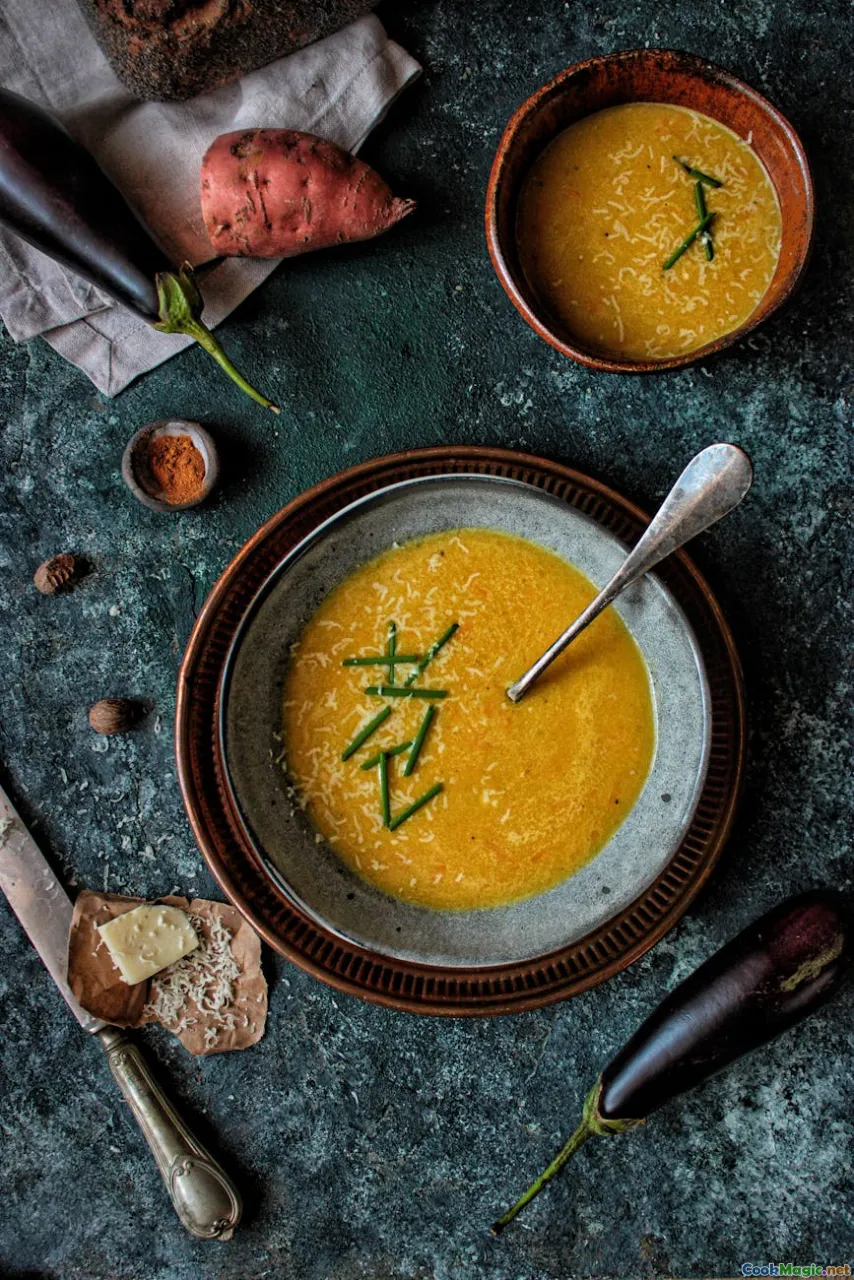
حساء الباحة المغذي من الحمص والباذنجان
(Hearty Al Baha Chickpea & Eggplant Shorba Soup)
(0 المراجعات)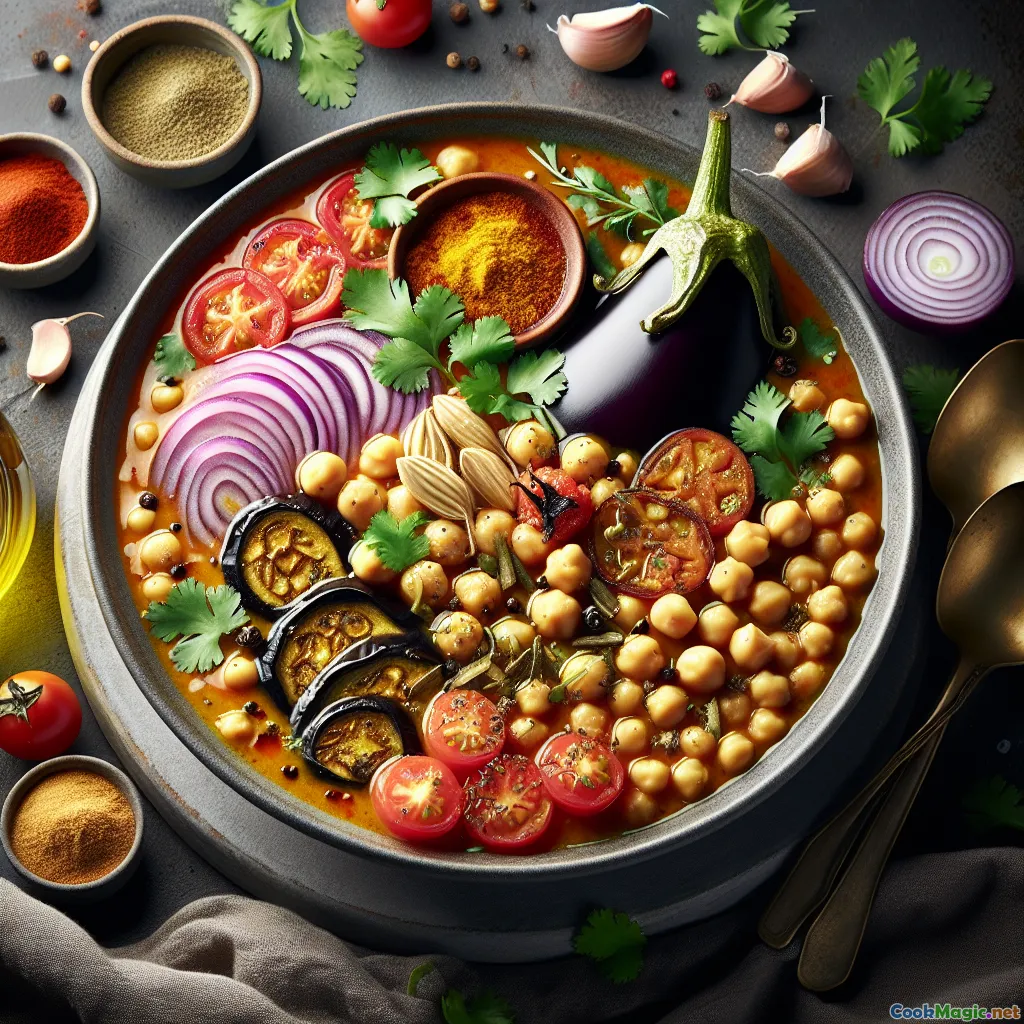
0
1,173
يوليو 19, 2025
الإبلاغ عن مشكلة
المكونات
-
2 pieces الباذنجان (متوسط)
(مشوى حتى يصبح مدخناً؛ اترك القشر لإضفاء القوام.)
-
400 grams الحمص (مطبوخ أو معلب، مصفّى)
(يفضل أن تكون حبوب الحمص كبيرة الحجم وذات قوام كريمي.)
-
2 medium طماطم (ناضجة، مفرومة)
(يضيف نضارة)
-
1 large بصل أحمر (مفروم ناعماً)
(أو استخدم البصل الأصفر.)
-
4 cloves ثوم (مفروم)
(يعزز النكهة والرائحة)
-
1 tbsp زنجبيل (مبشور)
(الزنجبيل الطازج يضيف دفئاً.)
-
2 tsp كمون مطحون
(النكهة الأساسية لشوربة)
-
1 tsp كزبرة مطحونة
(يضيف إشراقًا من الحمضيات)
-
1 tsp بابريكا مدخنة
(يمنح دفئاً لطيفاً)
-
0.5 tsp قرفة مطحونة
(لإضفاء نغمة حلوة خفيفة كخلفية.)
-
0.5 tsp مسحوق الكركم
(لون ذهبي ونكهة ترابية)
-
3 tbsp زيت الزيتون
(للقلّي والتحميص)
-
900 ml مرق الخضار
(مصنوع في المنزل أو مُشتَرَى من المتجر بجودة عالية)
-
2 tbsp عصير الليمون
(للحصول على تشطيب لامع)
-
1 tsp ملح
(حسب الذوق)
-
0.75 tsp فلفل أسود، مطحون حديثًا
(اضبط حسب الذوق)
-
3 tbsp كزبرة طازجة (مفرومة)
(للتزيين)
-
2 tbsp لوز محمص مفروم
(يضيف قرمشة من الأعلى)
(مشوى حتى يصبح مدخناً؛ اترك القشر لإضفاء القوام.)
(يفضل أن تكون حبوب الحمص كبيرة الحجم وذات قوام كريمي.)
(يضيف نضارة)
(أو استخدم البصل الأصفر.)
(يعزز النكهة والرائحة)
(الزنجبيل الطازج يضيف دفئاً.)
(النكهة الأساسية لشوربة)
(يضيف إشراقًا من الحمضيات)
(يمنح دفئاً لطيفاً)
(لإضفاء نغمة حلوة خفيفة كخلفية.)
(لون ذهبي ونكهة ترابية)
(للقلّي والتحميص)
(مصنوع في المنزل أو مُشتَرَى من المتجر بجودة عالية)
(للحصول على تشطيب لامع)
(حسب الذوق)
(اضبط حسب الذوق)
(للتزيين)
(يضيف قرمشة من الأعلى)
التغذية
- الحصص: 4
- حجم الحصة: 1 وعاء (300 مل)
- Calories: 340 kcal
- Carbohydrates: 0 g
- Protein: 11 g
- Fat: 9 g
- Fiber: 13 g
- Sugar: 10 g
- Sodium: 780 mg
- Cholesterol: 0 mg
- Calcium: 85 mg
- Iron: 3.4 mg
التعليمات
-
1 - حضّر الباذنجان:
قطع الباذنجان إلى مكعبات وتقلّبه مع ملعقة كبيرة من زيت الزيتون ورشة ملح. اشوهها في الفرن على 220°C (430°F) حتى تصبح ذهبية وطرية، حوالي 15 دقيقة.
-
2 - ابدأ القاعدة:
سخّن بقية زيت الزيتون في قدر ثقيل على نار متوسطة. قلب البصل حتى يصبح شفافاً، حوالي 5 دقائق. أضِف الثوم والزنجبيل. اطبخ لمدة 1–2 دقيقة إضافية.
-
3 - أضف التوابل والطماطم:
أضف الكمون والكزبرة والبابريكا والكركم والقرفة (إذا كنت تستخدمها). حرك حتى تتفتح روائح التوابل. أضف الطماطم واطبخ حتى تصبح طرية، 3 دقائق.
-
4 - دعي الشوربة تُطهى على نار هادئة.:
اسكب مرق الخضار. قلب الباذنجان المشوي والحمص. تبّل بالملح والفلفل. اتركه يغلي دون غطاء لمدة 20–25 دقيقة حتى تمتزج النكهات.
-
5 - التشطيب والتزيين:
أضف عصير الليمون؛ تذوق واضبط التتبيلة. اسكب الشوربة في أوعية، وزِّنها بالكزبرة الطازجة واللوز المحمص، إذا رغبت.
قطع الباذنجان إلى مكعبات وتقلّبه مع ملعقة كبيرة من زيت الزيتون ورشة ملح. اشوهها في الفرن على 220°C (430°F) حتى تصبح ذهبية وطرية، حوالي 15 دقيقة.
سخّن بقية زيت الزيتون في قدر ثقيل على نار متوسطة. قلب البصل حتى يصبح شفافاً، حوالي 5 دقائق. أضِف الثوم والزنجبيل. اطبخ لمدة 1–2 دقيقة إضافية.
أضف الكمون والكزبرة والبابريكا والكركم والقرفة (إذا كنت تستخدمها). حرك حتى تتفتح روائح التوابل. أضف الطماطم واطبخ حتى تصبح طرية، 3 دقائق.
اسكب مرق الخضار. قلب الباذنجان المشوي والحمص. تبّل بالملح والفلفل. اتركه يغلي دون غطاء لمدة 20–25 دقيقة حتى تمتزج النكهات.
أضف عصير الليمون؛ تذوق واضبط التتبيلة. اسكب الشوربة في أوعية، وزِّنها بالكزبرة الطازجة واللوز المحمص، إذا رغبت.
المزيد عن : حساء الباحة المغذي من الحمص والباذنجان
Al Baha Chickpea & Eggplant Shorba: Radiant Soul of Arabian Heirloom Kitchen
Few dishes evoke the brave spirit and warmth of southern Arabia like a nourishing shorba, and this creative variation combines time-honored methods with modern ingredient flair. Hailing from Al Baha—a region temperate and verdant compared to the arid lands surrounding it—this recipe celebrates culinary influences from the Hejaz and the Arabian Peninsula as a whole, embracing eggplant’s smokiness and chickpea’s heartiness.
Origins & Terroir
Al Baha is known as "the sun between two mountains," lush yet elevated, home to valleys dotted with almond and juniper, terraced gardens, and the famous Dhee Ayn village. In a climate gentler than much of the peninsula, chickpeas and eggplants thrive, echoing in home kitchens as hearty stews and shorbas throughout the ages contribute much to daily sustenance. Shorbas—thick soups—are historic. They permeated the region by way of the Silk Road: welcoming fasting guests or breaking the Ramadan fast (iftar), feeding whole families at community banquets, and innovating with whatever was seasonal and at hand.
The Unique Blend
This shorba stands out by roasting eggplant first. Intensifying the nightshade’s flavor evokes Middle Eastern classics like mutabbal and baba ganoush, but here its purpose is to interpolate gently into a tomato-spiced broth. Chickpeas bring textural contrast and great nutritional value. A medley of spices—cumin, coriander, turmeric—layer in the earthy, bright, and warm flavor profile unique to shorba but oddly comforting to everyone, no matter their background.
A roast in the oven transforms eggplant from spongy to silken and sweet, while the slow simmer marries chickpea and spice so beautifully. Toppings of fresh cilantro and toasted almonds give herbal vibrancy and a celebratory touch. Meanwhile, finishing with a splash of lemon juice typifies Arabian chefs’ instincts to build and balance flavor harmoniously—never one dimensional, always layered.
Cooks’ Tips & Notes
- Roast eggplant well for richer results. Slight charring is welcome for depth!
- Opt for best-quality vegetable broth you can; the background flavors matter hugely.
- The shorba can easily become vegan: as written, it is naturally so—great for sharing among mixed-diet crowds.
- Like a thicker texture? Slightly mash some eggplant and chickpeas before serving.
- Serve with warm khubz (Arabic bread), crusty sourdough, or even a bowl of rice for a heartier meal.
- To save time, canned chickpeas are usable, but home-cooked lends more flavor and retains firmness—especially important given the tendrils of time spent simmering.
Cultural Significance & Communities
During Ramadan, iftar tables groan with whole arrays of shorbas—from lentil to lamb—marked with scents indicative of every sub-region of Saudi Arabia’s grand culinary spectrum. Those wanting an alternative to meaty broths (common amid the Hejaz) turn to legumes and earthy vegetables like eggplant, recalling generous Bedouin hospitality where meat wasn’t always common but heartiness always was. Each household has its own favorite blend, with paprika and cinnamon sometimes reserved for festive, special occasions only.
Personal Reflections & Variations
It’s a pleasure to transcribe this dish with a fresh glance at tradition; this version intentionally balances eastern Arabian essence and European vegan-vegetarian soup-table ideas. For those who seek bright flavor and substantive, gut-welcoming nourishment, let this shorba charm you.
Pairable with pickled turnips, olives, and a platter of fresh herbs or a wedge of lemon, Al Baha Chickpea & Eggplant Shorba soaks up and reflects a regional vibration: abundance conjured from earth’s patience, community celebrated by sharing, and old-style innovation alive in a modern kitchen. Whether center stage or comfortable side dish, it is soul-warming food steeped in history—and, with every bowl, a connection to those who came before, dressed in the invitation to make it one’s own.